Whether a Basset Hound Outperforms a German Shepherd on Scent
It’s a common question that pops up in conversations among dog lovers: which breed truly has the nose, the unparalleled ability to follow a scent and uncover what's hidden? When you think of scent dogs, images of highly specialized breeds often come to mind. But pitting a Basset Hound against a German Shepherd in a scent challenge feels a bit like comparing a marathon runner to a sprint champion – both are incredible athletes, but they excel in very different arenas. This guide will delve into the incredible olfactory worlds of both the Basset Hound and the German Shepherd, dissecting their unique strengths, their preferred styles of working, and ultimately, clarifying when one might truly "outperform" the other in the intricate dance of scent detection.
The Basset Hound: A Scent-Driven Machine Built for the Trail
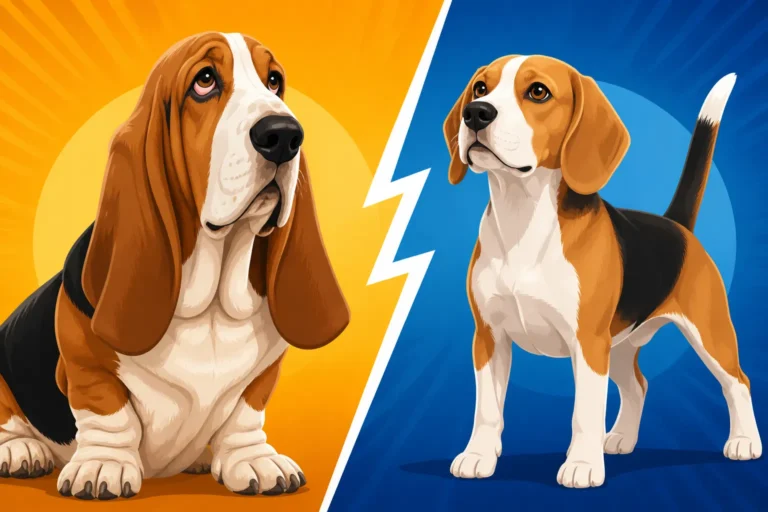
Let's be honest, there's no mistaking a Basset Hound. Their distinctive long ears, wrinkled brows, and low-slung bodies are practically a cartoon of canine scenting prowess. But these aren't just charming features; they are highly specialized tools honed over centuries to create one of the most effective ground-trailing machines in the dog world.
Physical Adaptations for Scenting Excellence
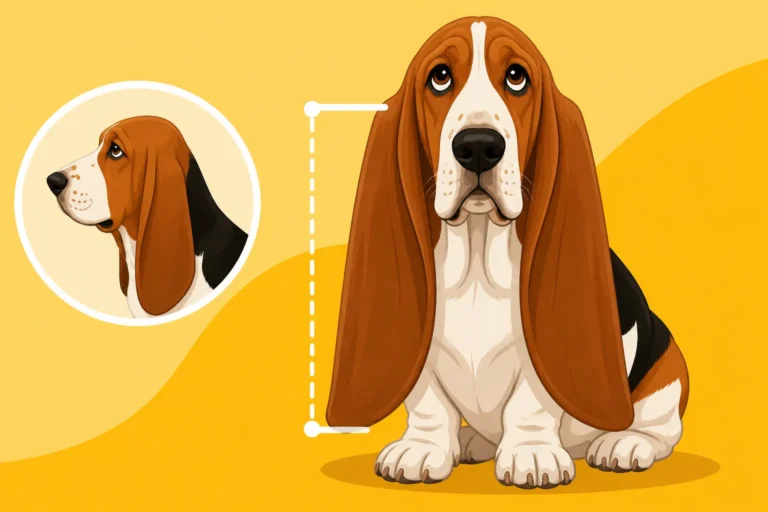
When you watch a Basset Hound work, you see a living, breathing testament to evolutionary design for scent. Their magnificent, long, velvety ears aren't just for show; they actually serve a critical function. As a Basset moves, those ears, sweeping along the ground, effectively funnel scent particles directly towards their nose, creating a concentrated "scent tunnel." It’s like having built-in scent vacuums. Imagine trying to catch a whiff of a faint perfume in a large room; if you could cup your hands around your nose, you’d get a much stronger impression. That's what those ears do for a Basset. Whether a Basset Hound's Ears Stir Scent Toward Its Nose
Beyond the ears, consider the Basset's famously wrinkled skin, especially the impressive dewlap under their chin. This isn't merely loose skin; it's another ingenious adaptation. These folds and wrinkles can capture and hold scent particles, creating a sort of scent reservoir that allows the dog to re-evaluate or consolidate a trail. It's almost as if they carry a small scent library with them, helping them to distinguish between fresh and older trails. Whether a Basset Hound's Loose Skin Traps Scent
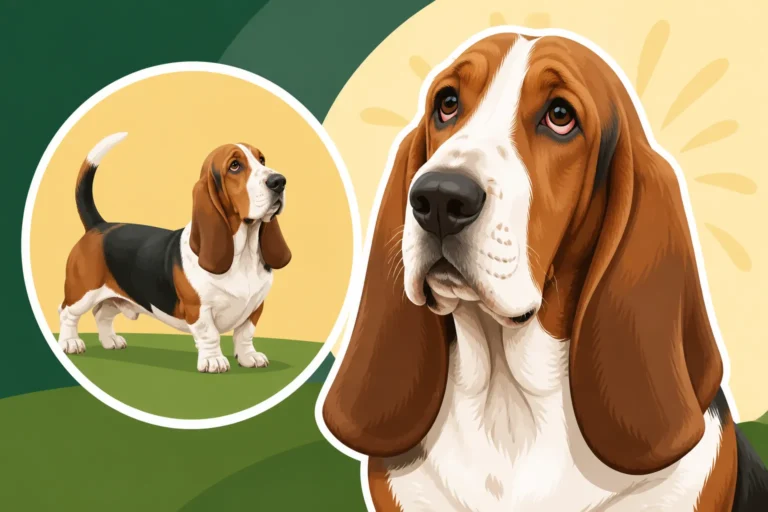
Then there's the Basset Hound's overall body structure: low to the ground, heavy bone, and relatively short legs. This isn't just a quirky silhouette; it forces them to keep their nose virtually glued to the earth. This close proximity to the ground ensures they are picking up every microscopic scent particle, rather than being distracted by airborne scents or other environmental factors further afield. Their massive olfactory bulb, packed with an incredible number of scent receptors—reportedly second only to the Bloodhound—means they are processing a vast amount of olfactory information with remarkable detail. For a deep dive into just how good that nose is, you might want to read The Nose That Puts a Basset Hound Second to a Bloodhound.
Drive and Persistence in Scent Work
Once a Basset Hound locks onto a scent, it's as if the rest of the world fades away. Their focus is singular, intense, and incredibly persistent. This isn't a dog that rushes or gets easily sidetracked by visual cues; they are methodical, almost meditative, in their pursuit. This independent nature, while sometimes frustrating when you’re trying to get them to come back from a fascinating scent trail in the park, is precisely what makes them so exceptional at scent work. They don't rely on constant handler direction once they've engaged with a trail; they own that trail. If you've ever wondered why your Basset seems to "go deaf" the moment a captivating smell hits their nose, it's this innate, powerful drive kicking in (see Why a Basset Hound Ignores You on a Scent).
This persistence also means they are fantastic at following cold trails, or trails that might be hours or even a day old. While a faster dog might lose interest or miss subtle cues on an old scent, the Basset's slower, more deliberate approach allows them to meticulously dissect every nuance of a degraded scent picture. Their patience is legendary, making them ideal for tasks where speed is less important than absolute accuracy and unwavering commitment to the original scent. This is why when people ask Whether a Basset Hound Can Follow a Day Old Trail, the answer is often a resounding yes.
The German Shepherd: Versatility and Drive in Detection
Now, let's pivot to the German Shepherd, a breed renowned for its intelligence, athleticism, and incredible working drive. German Shepherds are the quintessential "working dog" for many, serving in law enforcement, military, search and rescue, and various detection roles around the globe. Their approach to scent work, while equally impressive, differs significantly from that of the Basset.
Scenting Physiology and Versatility
German Shepherds also possess an extraordinary sense of smell, far surpassing human capabilities, but their physical adaptations are geared towards a different type of working scenario. They have a deep muzzle and well-developed nasal passages, housing millions of olfactory receptors. While perhaps not quite as numerous as a Basset Hound's, they are still exceptionally well-equipped. Their longer legs and athletic build allow them to cover vast areas quickly, navigate diverse terrain – from rubble piles to dense forests – and maintain high levels of activity for extended periods.
Their overall physiology makes them incredibly versatile. They can effectively engage in air-scenting, where they pick up airborne scent particles to locate a source, often a missing person, across a wide area. They are also adept at tracking, carefully following ground disturbance and residual human scent. This adaptability makes them invaluable for tasks that require a blend of speed, stamina, and precise scent discrimination. They are truly multi-talented canine athletes.
Trainability and Handler Focus
One of the defining characteristics of the German Shepherd is their high intelligence and profound desire to work with their handler. This strong bond and eagerness to please are massive assets in complex scent work. German Shepherds are highly trainable, capable of learning intricate commands, discriminating between subtle scent variations, and communicating their findings clearly. Their focus is not just on the scent itself, but on collaborating with their human partner to achieve a goal.
This handler-centric approach allows German Shepherds to excel in dynamic, high-pressure situations. They can work off-leash, respond to hand signals, and adapt their search pattern based on their handler's directives. They are often trained for specific target odors, such as narcotics, explosives, or human remains, and can signal their findings with a trained "alert." This close working relationship and trainability are paramount in fields like police work or disaster search, where split-second decisions and clear communication are vital.
Comparing Scenting Styles and Applications
The fundamental difference between a Basset Hound and a German Shepherd in scent work boils down to their specialized versus generalist approaches, and the environments in which they truly shine. It's not so much a matter of one being inherently "better" but rather "better suited" for specific tasks.
Specialized vs. Generalist Approach
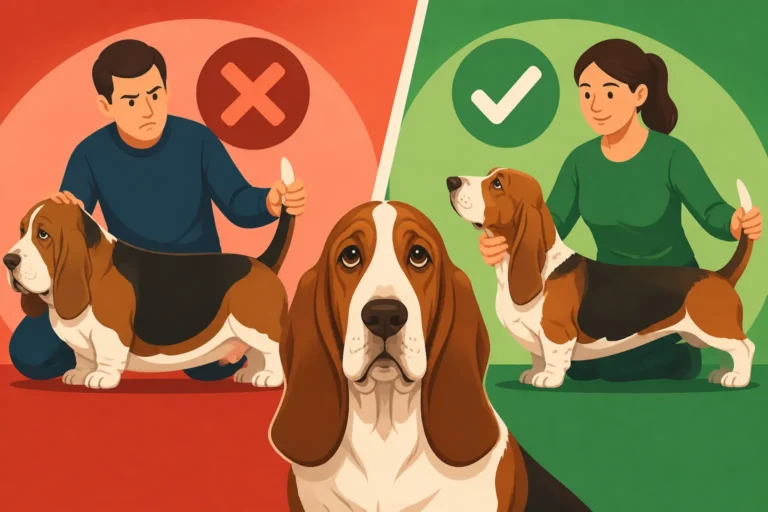
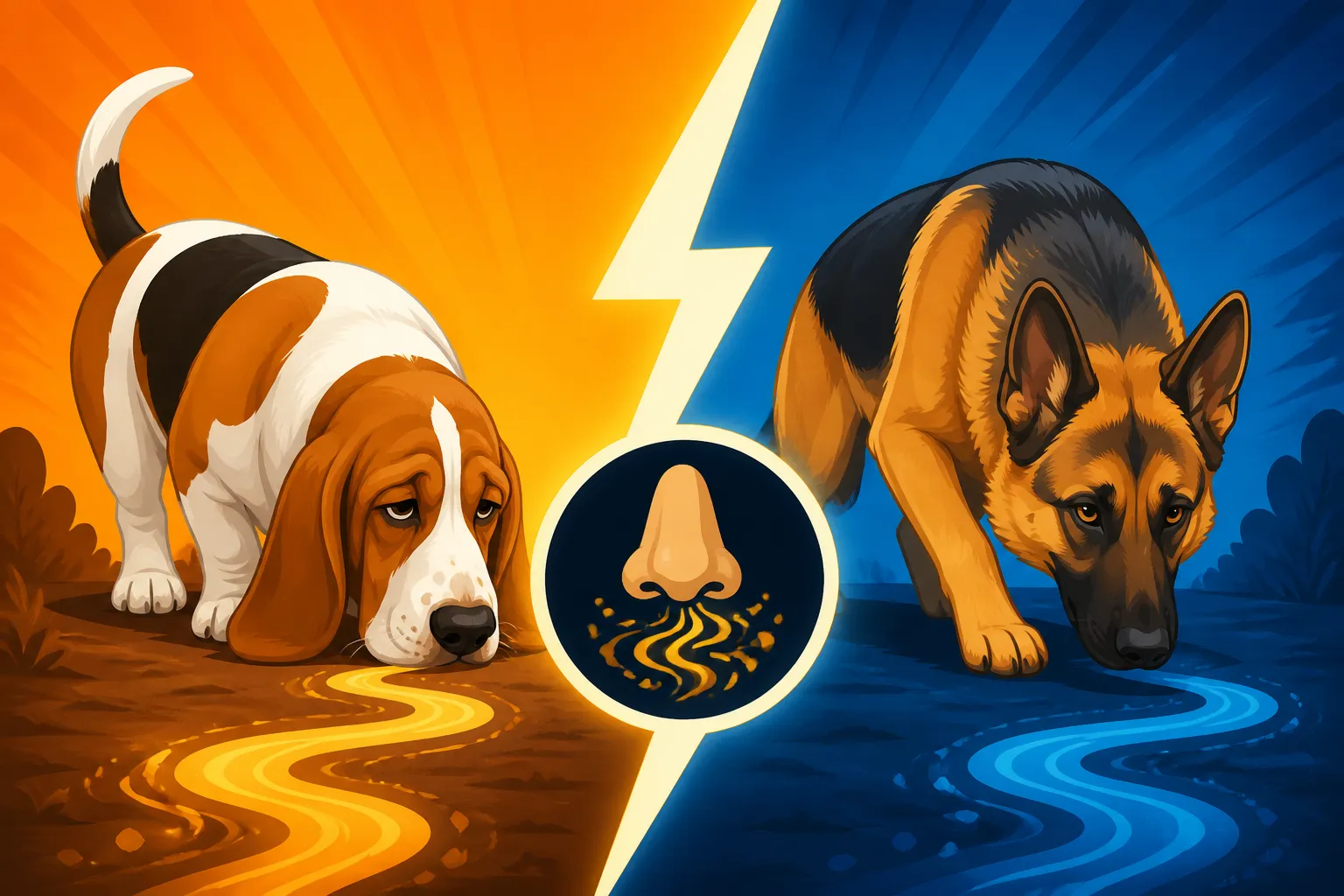
The Basset Hound is a master of the ground-scenting, slow, methodical, "nose-to-the-ground" trail. Their entire being is designed for this specific purpose: to painstakingly unravel a scent thread, often from a single individual or animal, with unwavering accuracy. Think of them as the finely tuned microscope of the scent world. They excel at following faint, aged trails over stable ground, like tracking a rabbit through a field or finding a lost item that’s been on the ground for hours. They are specialists, and in their specialty, they are truly exceptional. Whether a Basset Hound Trails With Its Nose on the Ground
The German Shepherd, on the other hand, is the versatile Swiss Army knife of scent work. They can track a person, air-scent across a large area, locate specific substances hidden in complex environments, and do it all with incredible speed and endurance. They are designed for breadth and adaptability, capable of transitioning between different types of scent challenges as the situation demands. They are the tactical unit, capable of rapid deployment and dynamic problem-solving. While they possess an excellent nose for tracking, their higher drive, athleticism, and handler focus allow them to be effective in roles where a Basset’s slower, more independent method might be less practical.
Environmental Factors and Performance
Environmental conditions play a huge role in how effectively any dog can use its nose, and these conditions often dictate which breed might have an advantage. A Basset Hound will typically excel in scenarios where the scent is stable on the ground, such as a cool, damp forest floor with minimal wind, allowing their specialized physical traits to capture and hold scent effectively. Their low profile means they're less affected by strong winds blowing scent around at head height.
However, a Basset might struggle in conditions requiring extensive air-scenting, or covering vast, open, disturbed areas quickly. They aren't built for speed or navigating obstacles at a fast pace. Their strong prey drive, while great for tracking rabbits, might also make them prone to getting distracted by new, interesting animal scents if the task is strictly human trailing. For engaging scent work at home, many Basset owners find that interactive toys and puzzle feeders from a place like Chewy can help channel that intense scent drive productively.
The German Shepherd truly comes into its own where speed, agility, and a broader search pattern are needed. Imagine searching for a missing person in a large, open field, or in an urban disaster zone with varying wind currents and complex obstacles. Here, the German Shepherd's ability to air-scent, cover ground quickly, and work in tandem with a handler, responding to cues, makes them incredibly effective. They can adapt to shifting wind patterns, climb over debris, and maintain focus in chaotic environments. While a Basset could eventually find the scent, the German Shepherd would likely do so with greater efficiency and speed in such demanding scenarios. Whether a Basset Hound Can Do Tracking Trials also highlights the types of specific competitions that suit their unique abilities, often emphasizing methodical, precise ground trailing.
Defining "Outperformance" and Practical Considerations
So, who "outperforms" whom? The truth, as with most things in the dog world, is nuanced and depends entirely on the specific task at hand. There's no single champion across all scent disciplines.
What Defines "Best" in Scent Work?
If the goal is to follow a cold, faint ground trail with meticulous, unwavering accuracy, perhaps tracking a specific individual or animal across a relatively stable environment, the Basset Hound's specialized anatomy and relentless drive often give it the edge. They are the gold standard for pure, unadulterated ground trailing, the persistent, unhurried detectives of the scent world. For this specific type of work, a Basset Hound is truly phenomenal. Whether a Basset Hound Makes a Detection Dog in specific scenarios that lean on their trailing abilities can be quite positive.
However, if the task requires speed, the ability to cover vast and varied terrain, air-scenting capabilities, detection of specific substances (like drugs or explosives), or working in highly dynamic, often dangerous environments with close handler communication, then the German Shepherd is likely the superior choice. Their versatility, combined with their incredible trainability and physical prowess, makes them indispensable for law enforcement, military, and large-scale search and rescue operations. In these roles, the German Shepherd's blend of intelligence, athleticism, and scenting ability truly "outperforms" a Basset.
Training, Motivation, and Human Factors
It's crucial to remember that a dog's natural abilities are just one part of the equation; training, motivation, and the skill of the human handler are equally, if not more, important. Both breeds require dedicated, consistent training to hone their scenting skills. A Basset Hound, with its independent nature, might need more creative motivation and patience. High-value treats or specific toys, often found on sites like Chewy, can be incredible motivators to keep that noble nose engaged and working for you. For more insights on how to get them going, check out What Actually Motivates a Basset Hound.
German Shepherds often thrive on praise, partnership, and the satisfaction of a job well done alongside their handler. Their inherent desire to please and their robust work ethic make them eager students. A well-trained German Shepherd with an experienced handler will always outperform a naturally gifted but untrained Basset, and vice versa. It’s a partnership, a dance between human and hound. Whether you have a Basset or a German Shepherd, providing ample opportunities for mental stimulation through scent games – like hiding treats around the house or using snuffle mats – is incredibly beneficial. These activities, sometimes utilizing items you can grab from Chewy, can tire them out mentally in a way that physical exercise alone might not. Whether Nose Work Tires a Basset Hound Out explains just how much this mental engagement can satisfy them.
Ultimately, the question isn't whether one breed is absolutely "better," but rather which breed is the right tool for the job. Both the Basset Hound and the German Shepherd possess extraordinary scenting abilities, each a marvel of canine evolution, simply engineered for different purposes.
Disclaimer
This article is for general informational purposes only and does not constitute professional advice. Laws, prices and regulations vary by location and change over time. Consult a qualified professional for guidance on your specific situation.