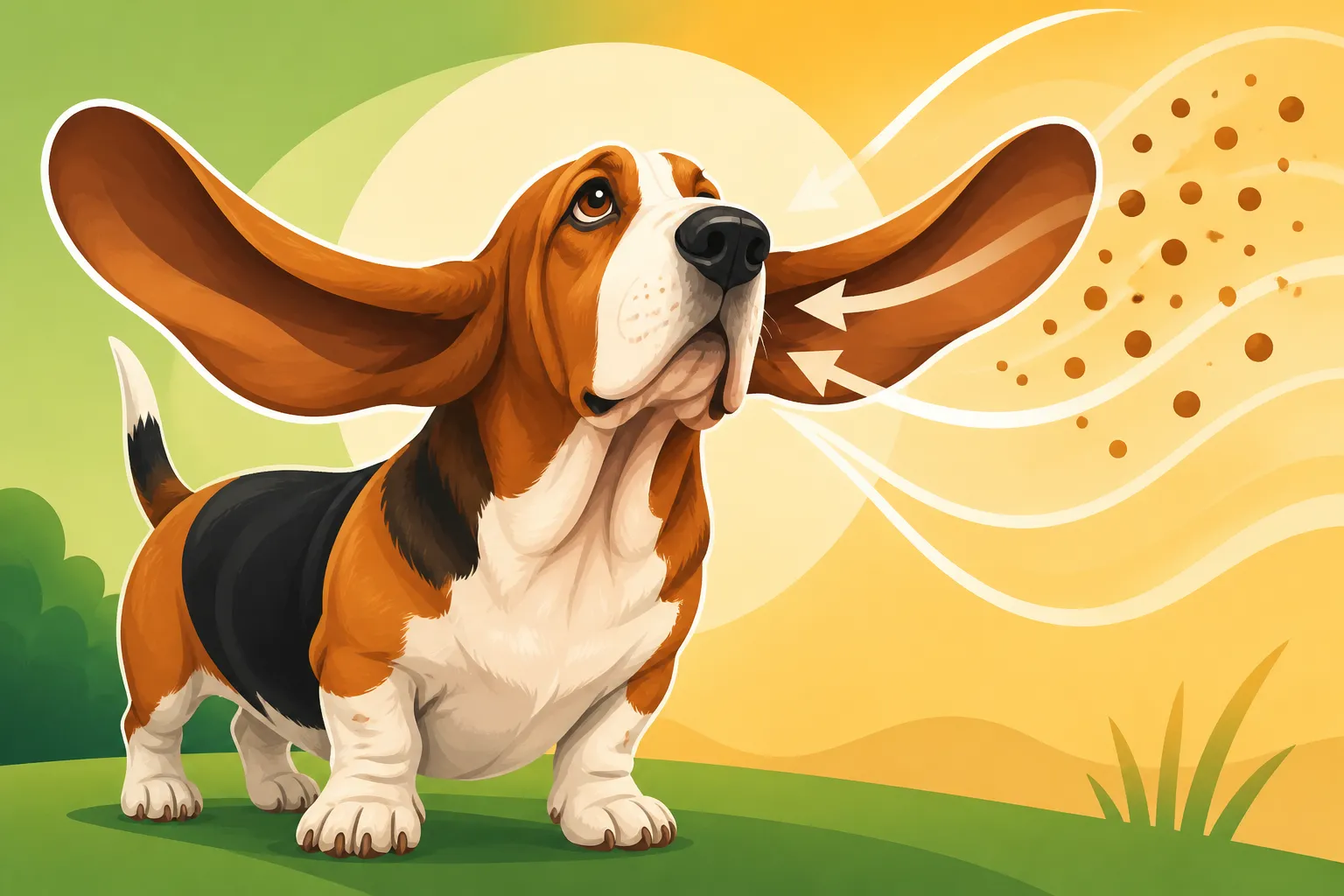
Whether a Basset Hound’s Ears Stir Scent Toward Its Nose
It's a question many Basset Hound owners, or even just admirers, have pondered: do those magnificent, sweeping ears actually help their incredible noses stir scent from the ground? It’s a compelling image, isn't it? Our beloved hounds, noses to the earth, their long, velvety ears practically sweeping the trail ahead. While it makes for a fantastic mental picture and a popular theory, the reality of how a Basset Hound's ears interact with its unparalleled sense of smell is a little more nuanced than simply "stirring" scents. This guide will dive deep into the fascinating world of Basset Hound anatomy, exploring the true function of those iconic ears and how they really contribute to your Basset's extraordinary olfactory abilities, dispelling some myths along the way.
The Iconic Ears and Their Contribution to Scent
When you look at a Basset Hound, the first thing many people notice, right after their soulful eyes, are those incredibly long, pendulous ears. They’re a defining feature of the breed, a true marvel of canine anatomy. But what exactly are they doing when your Basset is on a scent, nose glued to the ground, pulling you determinedly forward?
The Design of the Basset Hound's Ear
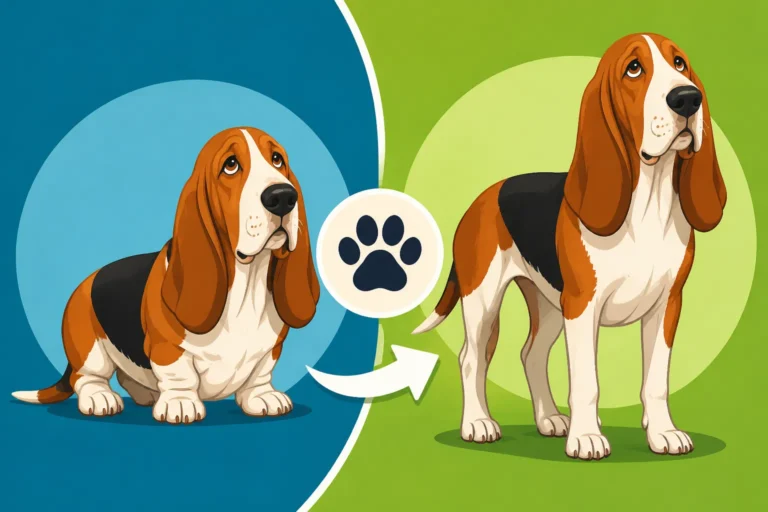
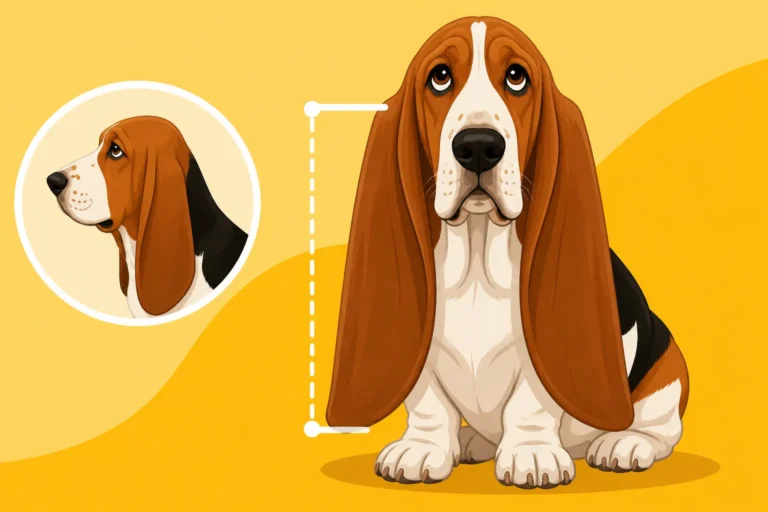
A Basset Hound's ears are more than just long; they are heavy, thick, and set low on the head, often extending well beyond the tip of their nose when pulled forward. This unique conformation isn't just for show; it's a deliberate characteristic honed over centuries of selective breeding. Historically, these dogs were bred to be efficient trailing hounds, following a scent line with unwavering focus. The sheer size and weight of the ears mean they hang close to the ground, almost like natural blinkers. This physical characteristic is often cited as the reason for the "scent-stirring" belief, but let's break down the mechanics.
The theory suggests that as the Basset moves, its ears drag lightly through the air and over the ground, supposedly kicking up scent particles and funneling them towards the nose. While it's true that any movement of air can disturb scent molecules, the primary role of the Basset's ears isn't necessarily to "stir" in the way one might imagine a spoon stirring a pot. Think of it less as an active sweeping mechanism and more as a passive, yet highly effective, scent trap. The large surface area of the ears, combined with their low set, creates a kind of "scent cone" around the Basset's face and nose. This cone helps to concentrate existing scent molecules in the air close to the ground, directing them towards the highly sensitive nostrils. It also limits the dispersion of these scent molecules, keeping them focused within the Basset’s immediate sniffing zone. It prevents scent from blowing away as easily, making it easier for the dog to track a consistent trail.
The Powerhouse Nose: A Basset's True Superpower
While the ears play a supportive role, let's be absolutely clear: the Basset Hound's nose is the undisputed champion of its scenting prowess. This breed possesses one of the most developed olfactory systems in the canine world, second only to the Bloodhound. Their nasal cavities are huge, housing an astonishing number of scent receptors – far more than humans. When a Basset Hound is engaged in trailing, its nose takes center stage. The wet, leathery surface of its nose is designed to pick up and retain scent molecules. The way they breathe when on a trail, often shallow and rapid, further optimizes the airflow over these receptors, allowing for continuous and intense analysis of the scent.
The moistness of their nose also plays a crucial role. Scent particles, which are essentially microscopic molecules, adhere better to a damp surface. This means that as a Basset's nose touches the ground or moves through scent-laden air, it's actively collecting these particles, essentially "sampling" the environment. The ears, in this context, act as excellent sidekicks, helping to create the ideal micro-environment for the nose to do its best work. They ensure that the scent particles that are there linger longer and are less disrupted by external air currents, offering the nose the best possible chance to detect and follow the trail. This extraordinary nasal capability means that Whether a Basset Hound's Nose Is Second Only to a Bloodhound is a statement rooted in biological fact.
Separating Fact from Folk Lore: How Scent Really Works
The image of a Basset Hound’s ears actively sweeping and funneling scent is a charming one, often repeated in popular culture. However, understanding the true mechanisms of olfaction and canine anatomy helps us appreciate the sophisticated design of the Basset Hound in a more accurate light. It's less about a physical "stirring" action and more about creating an optimal scent environment.
The Science of Olfaction in Hounds
Canine olfaction is incredibly complex, far beyond our human understanding. Dogs don't just "smell" things; they interpret a mosaic of scent information, discerning individual components, direction, age, and intensity of a trail. Their noses operate by drawing in air and passing it over millions of specialized olfactory receptors. When a Basset Hound is on a trail, it uses a technique called directional sniffing. It can determine the direction of a scent by comparing the subtle differences in scent concentration between its two nostrils. This ability is paramount for tracking.
The Basset's long ears, along with its loose facial skin and dewlap, play a role by acting as a passive barrier, reducing environmental interference. Imagine trying to read a delicate whisper in a noisy room. The Basset's ears, by reducing background "noise" from other air currents and extraneous smells, allow its nose to focus on the "whisper" of the specific trail it's following. They help to maintain a consistent concentration of scent around the nose, preventing rapid dissipation caused by wind or air movement. This is a subtle but powerful effect, enhancing the effectiveness of their already phenomenal noses. You might wonder Whether a Basset Hound's Dewlap Holds Scent for similar reasons – it's all about trapping and concentrating those precious scent particles.
More Than Ears: Other Scent-Enhancing Features
It's not just the ears. A Basset Hound's entire head and body conformation are geared towards maximizing its scenting ability. Their heavy, wrinkled skin, particularly around the face and neck, is believed to help trap scent molecules. The loose skin, known as the "dewlap," hangs low and can also contribute to this scent-trapping effect, creating pockets where scent can accumulate. Even their low-slung body keeps their nose perpetually close to the ground, right where the scent trail is strongest.
Consider also the physical act of sniffing itself. A Basset Hound, when tracking, often keeps its head down, almost gliding over the ground. This posture, combined with its unique physical features, creates a highly efficient scent-detection machine. It means the dog is constantly immersed in the scent plume, with minimal distraction from above or the sides. So, while the ears don't act like a broom, they are part of a beautifully integrated system designed to make the most of every single scent molecule. For a deep dive into the overall structure, you can learn more about The Crooked Front a Basset Hound Is Built On.
Here's a quick comparison of common beliefs versus actual function:
| Feature | Common Belief (Scent Stirring) | Scientific Understanding (Scent Concentration) |
|---|---|---|
| Ear Movement | Actively sweeps air/scent towards the nose. | Passively funnels and concentrates scent around the nose. |
| Scent Source | Physically kicks up scent from the ground. | Traps existing scent molecules, limits dispersion. |
| Primary Role | Active participant in scent acquisition. | Creates optimal micro-environment for the nose. |
| Effectiveness | Direct, physical "push" of scent. | Indirect, protective, and concentrating effect. |
| Dog's Action | Ears work with motion to stir. | Ears support the nose's inherent sniffing capability. |
The Real Importance of Basset Hound Ears: Beyond Scent
While their contribution to scent work is fascinating, a Basset Hound's ears have other incredibly important functions. These floppy wonders are a defining characteristic, but they also bring their own set of care requirements and challenges.
Protection and Vulnerability
Those long, heavy ear flaps, scientifically known as pinnae, actually serve a protective purpose. They cover the ear canal, helping to shield it from debris, dirt, and foreign objects when the Basset is pushing through undergrowth or sniffing low to the ground. Imagine your Basset's head buried in a particularly interesting patch of weeds – those ears are the first line of defense!
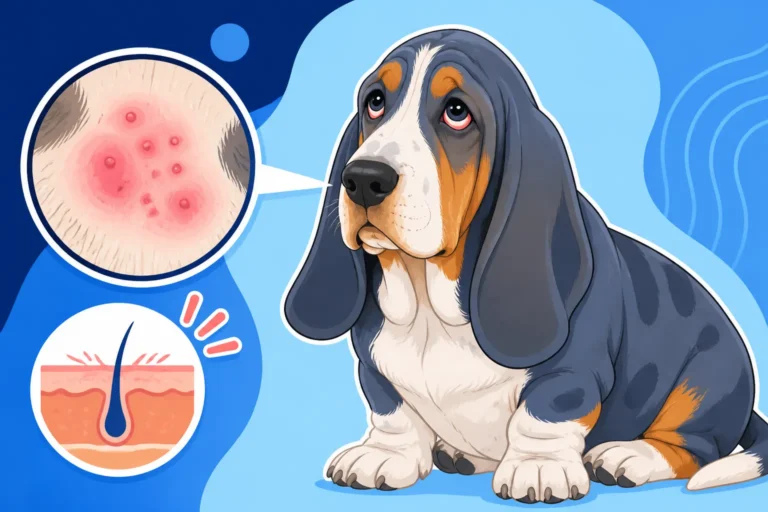
However, this protective feature comes with a significant downside. The long, heavy nature of the ears means that the ear canal itself receives very little airflow. This creates a warm, moist, and dark environment – the perfect breeding ground for bacteria and yeast. This is precisely why Basset Hounds are notoriously prone to ear infections. Many owners face the reality of The Ear Infections That Never Really Leave a Basset Hound, making ear care a constant, important ritual. It's not uncommon for a Basset Hound's ear to get so infected that Whether a Basset Hound's Ear Canal Closes Up becomes a real concern.
Essential Ear Hygiene and Care
Given their predisposition to ear problems, regular and thorough ear care is paramount for Basset Hounds. This isn't just about comfort; it's about preventing serious, painful infections that can lead to chronic issues or even surgery. Owners must commit to a routine of cleaning and inspecting their Basset's ears regularly.
Here’s what that typically involves:
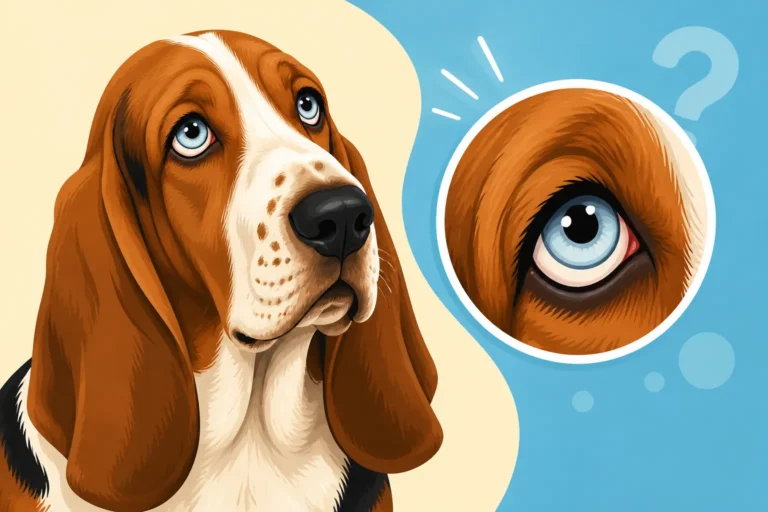
- Weekly Checks: Lifting the ear flap and visually inspecting the ear canal for redness, swelling, discharge, or any unusual odor. You might be surprised What to Look For Inside a Basset Hound's Ear.
- Regular Cleaning: Using a veterinarian-approved ear cleaner, gently flushing and wiping the visible parts of the ear. This helps remove wax buildup and debris. How Often a Basset Hound's Ears Must Be Cleaned is a frequent question for new owners. Products like specific ear washes and gentle cleaning solutions can be found easily online, often from retailers like Chewy, which carries a wide range of pet hygiene products.
- Drying: After baths or if your Basset has been swimming, it's crucial to thoroughly dry the ear canal to prevent moisture from getting trapped. Whether a Basset Hound's Ears Should Be Dried After Swimming is an important consideration.
- Addressing Issues Promptly: If you notice any signs of infection, such as excessive head shaking, scratching, or a foul odor, consult your vet immediately. Early intervention is key to preventing the infection from worsening.
These aren't just recommendations; they are vital parts of responsible Basset Hound ownership. Ignoring ear care can lead to painful, chronic conditions that require expensive treatment and cause significant discomfort for your beloved hound. You’ll want to know Which Ear Cleaner Suits a Basset Hound and how to apply it correctly.
Communication and Expression
Beyond their practical functions, a Basset Hound's ears are also incredibly expressive. Their position can convey a lot about a Basset's mood. Drooped back and flattened, they often signal submission or apprehension. Perked up (as much as they can be for a Basset) or slightly forward, they indicate alertness and interest. While they can't swivel and point like the ears of some other breeds, their subtle movements, combined with their soulful eyes, create a rich tapestry of non-verbal communication that Basset owners quickly learn to read. They might not be stirring scent, but they are certainly stirring our hearts with their endearing expressions!
Nurturing Your Basset's Natural Instincts and Health
Understanding the true function of your Basset's ears and nose allows us to better cater to their needs, ensuring both their physical health and mental well-being are met. It’s about working with their natural instincts, not against them.
Engaging the Nose Safely
Since their nose is truly their superpower, providing outlets for scent work is one of the best ways to keep a Basset Hound happy and mentally stimulated. This doesn't mean you need to sign up for advanced tracking trials (though you certainly could!). Simple activities can make a world of difference:
- Snuffle Mats and Puzzle Toys: These encourage your Basset to use its nose to find hidden treats. It’s a fantastic indoor activity, especially on days when the weather isn't cooperating. Whether a Basset Hound Enjoys a Snuffle Mat is almost always a resounding yes!
- "Find It" Games: Hide treats or toys around the house or yard and encourage your Basset to sniff them out. Start easy and make it progressively more challenging. This taps into their natural drive.
- Scent Walks: Allow your Basset to take its time on walks, sniffing every interesting scent it encounters. Don't rush them; this is their equivalent of reading the newspaper! Just remember Whether a Basset Hound Should Ever Be Off Leash is a serious question due to their drive to follow a scent. A long line is often a much safer choice to give them freedom to explore without the risk of them going off on a scent.
- Formal Nose Work Classes: If you and your Basset enjoy these activities, consider exploring formal nose work or tracking classes. These can be incredibly rewarding and help strengthen the bond between you and your hound.
When it comes to purchasing supplies for nose work, such as snuffle mats or high-value training treats, online retailers like Chewy offer a vast selection, making it easy to find stimulating products for your scent-driven companion.
Protecting Those Precious Ears
Beyond regular cleaning, there are other ways to protect your Basset Hound's ears. Awareness of their environment is key. For example, when your Basset is eating or drinking, those long ears are prone to dragging through food or water. This not only makes a mess but introduces moisture and food particles into the ear canal, increasing the risk of infection.
Consider investing in a snood – a fabric tube that goes over your Basset’s head, holding their ears back and out of the way during meal times. You might also want to look for raised feeders and narrow, deep bowls that can help keep ears clear. Whether a Basset Hound Needs a Snood at Dinner is a common question, and for many, it's a practical solution to ear hygiene. Preventing recurrent ear issues is not just about cleaning, but also about managing their environment. The cost of managing chronic ear infections can be substantial, so preventative measures are always a wise investment. What Chronic Ear Treatment Costs a Basset Hound Owner can be an eye-opener.
Ultimately, while the idea of a Basset Hound's ears actively stirring scent is a delightful piece of canine lore, the truth is even more impressive. Their ears play a crucial, albeit passive, role in creating the perfect conditions for their truly extraordinary nose to do its work. By understanding and respecting these unique characteristics, we can provide our Basset Hounds with the best possible care and enrichment, celebrating them for the magnificent scent hounds they truly are.
Disclaimer
This article is for general informational purposes only and does not constitute professional advice. Laws, prices and regulations vary by location and change over time. Consult a qualified professional for guidance on your specific situation.