Whether a Basset Hound’s Ears Reach Twelve Inches
There's a special kind of enchantment that comes with observing a Basset Hound's magnificent ears. They're undeniably one of the breed's most iconic features, flopping and swaying with every ponderous step, often leading to a natural curiosity about just how long they really are. Many people wonder if a Basset Hound's ears truly reach the fabled twelve inches, or if that's simply a charming exaggeration. This guide will dive deep into the reality of Basset Hound ear length, its significance, and most importantly, how to care for these remarkable appendages.
The Remarkable Length and Purpose of Basset Hound Ears
Those long, velvety ears aren't just for show; they're a vital part of what makes a Basset Hound such an exceptional scent hound. Their design is a testament to centuries of selective breeding, meticulously crafted to enhance their incredible sense of smell.
How Long Are Those Ears, Really?
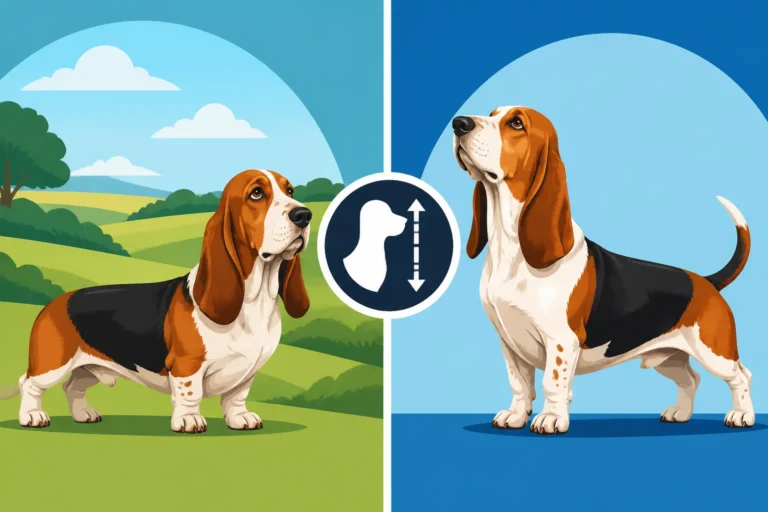
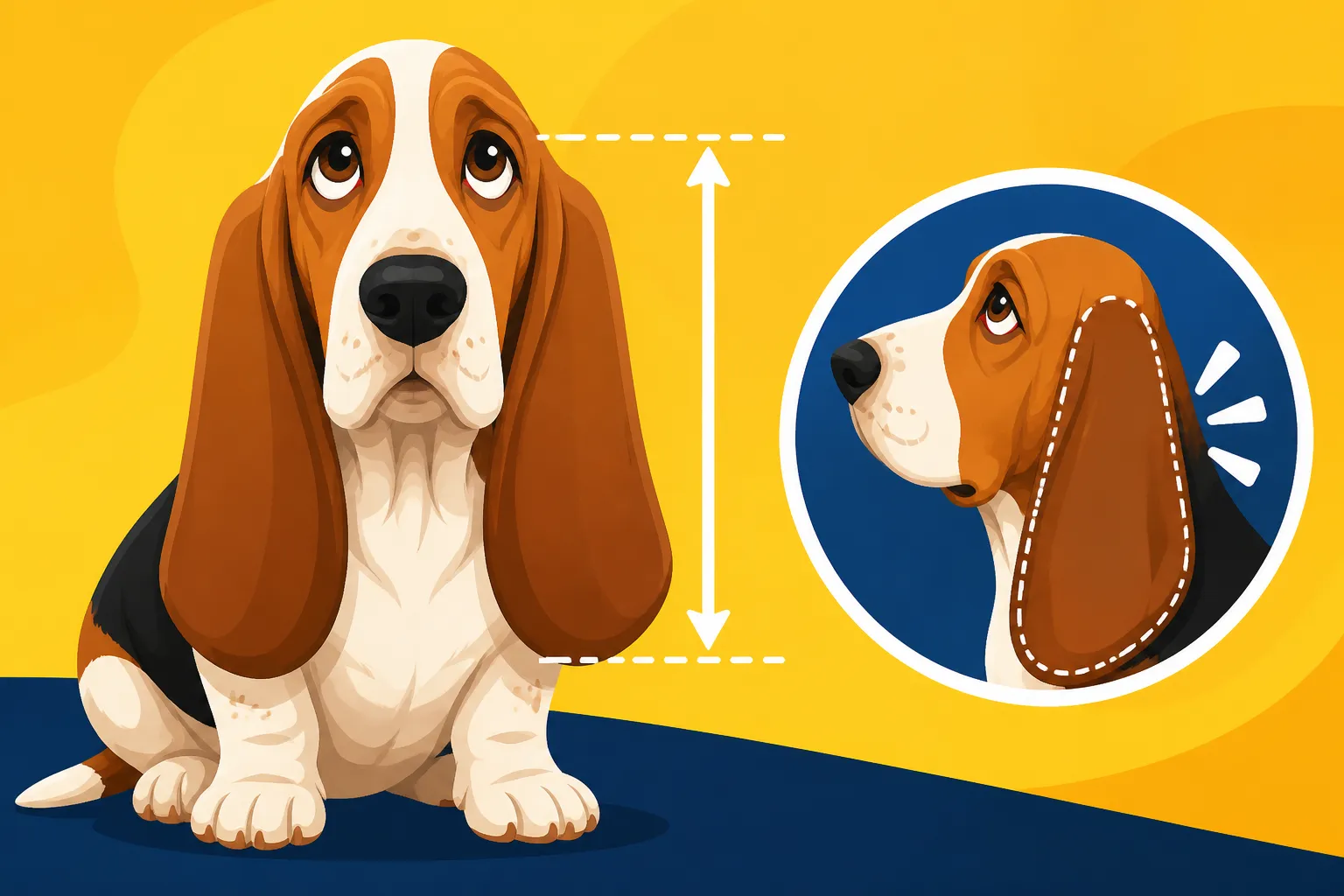
Let's address the burning question directly: do a Basset Hound's ears reach twelve inches? While it might not be a universal rule for every Basset Hound, it's absolutely within the realm of possibility, and certainly, many come very close! The breed standard generally describes them as "very long, low set, and folding in a distinctive way." The key is that when extended forward, they should reach beyond the end of the nose. For a typically sized Basset Hound, that often translates to an ear length well over ten inches, and yes, sometimes reaching or even exceeding twelve inches from the base to the tip.
It's truly a sight to behold, isn't it? You'll notice variations from one Basset to another, just like people have different hair lengths. Some Bassets might have slightly shorter, though still impressively long, ears, while others possess ears that seem to stretch on forever, sometimes almost comically so. This can depend on individual genetics, the specific bloodline, and even the dog's overall head size. When you see a Basset Hound with ears that practically sweep the floor as they walk, you know you're looking at a dog that truly embodies the breed's unique characteristics.
Beyond Aesthetics: The Functional Design
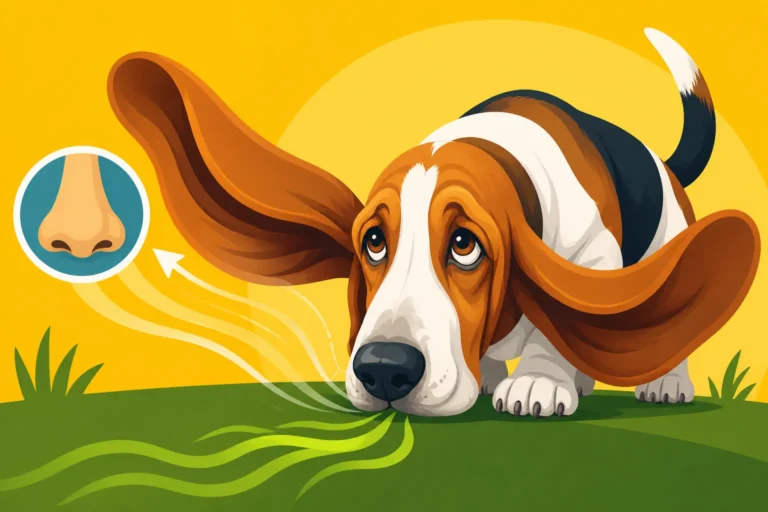
The extreme length and low-set nature of a Basset Hound's ears are not mere quirks of appearance; they serve a crucial, functional purpose directly related to the breed's original job as a scent hound. Imagine a natural, organic broom. That's essentially what those ears are for! As a Basset Hound trails, its long, heavy ears drag on the ground, scooping up and concentrating scent particles from the soil and foliage directly towards its incredibly powerful nose. This action creates a miniature "scent tunnel," funneling crucial olfactory information right where it needs to go.
Furthermore, the heavy, pendulous nature of the ears helps to keep the scent contained around the muzzle, preventing it from dissipating too quickly into the air. This is a brilliant evolutionary and selective breeding adaptation that allows them to track a trail with unparalleled precision, even when the scent is old or faint. This is also why a Basset Hound's loose facial skin, or "dewlap," and even its wrinkles, are thought to help trap scent particles, keeping them close to the nose and enhancing their tracking ability. It truly makes sense when you understand their history as relentless hunters, following a trail no matter the terrain. If you're curious about this, you can read more in Whether a Basset Hound's Ears Stir Scent Toward Its Nose.
Caring for Those Magnificent, Long Ears
With such remarkable features comes a significant responsibility. Those long, droopy ears are beautiful, but their very design makes them prone to certain health issues that diligent owners must actively manage.
The Unique Challenges of Long, Droopy Ears
The structure that makes Basset Hound ears so effective for scent work also creates an environment ripe for problems if not properly cared for. The lack of air circulation within the ear canal is the primary culprit. Unlike dogs with prick or semi-prick ears, where air can flow freely, a Basset Hound's heavy ear flaps hang down, essentially sealing off the ear canal. This creates a warm, moist, dark environment – a perfect breeding ground for bacteria and yeast.
Because of this, Basset Hounds are notoriously susceptible to chronic ear infections. It's not a matter of if they'll get one, but often when and how frequently. The ear canal itself is often narrow and winding, making it difficult for natural debris to escape and for treatments to penetrate deeply. Owners often express frustration with recurring infections, feeling like they're in a constant battle. This common struggle is well-documented; you might even wonder Whether Every Basset Hound Gets Ear Infections. It's a sad reality that sometimes these glorious ears can be a source of discomfort for our beloved hounds.
Essential Ear Cleaning and Maintenance
Given the challenges, a rigorous and consistent ear care routine is non-negotiable for a Basset Hound owner. This isn't a "sometimes" task; it's a "must-do" ritual. The goal is to keep the ear canal clean and dry, minimizing the conditions that allow infections to flourish. Most Basset Hound owners find they need to clean their dog's ears at least once or twice a week, and sometimes even more frequently if their dog is prone to issues or has been swimming. For a detailed schedule, check out How Often a Basset Hound's Ears Must Be Cleaned.
Here’s a general approach:
- Gather Supplies: You'll need a vet-recommended ear cleaner (often an acidifying or drying solution), plenty of cotton balls or gauze pads, and perhaps some treats to make it a positive experience. Avoid cotton swabs, as they can push debris further into the ear canal. Many good ear cleaners are available at pet supply retailers like Chewy.
- Lift the Ear Flap: Gently lift your Basset's long ear flap to expose the ear canal.
- Apply Cleaner: Squirt the ear cleaner directly into the ear canal, filling it. Don't be shy – you need enough to flush it out.
- Massage the Base: Gently massage the base of the ear for 30 seconds to a minute. You should hear a squishy sound, indicating the cleaner is working its way down the canal and loosening debris.
- Let Them Shake: Stand back! Your Basset will likely shake its head vigorously, which helps to dislodge and bring up the cleaner and debris.
- Wipe Clean: Use cotton balls to wipe away any visible discharge, wax, or cleaner from the inner flap and the opening of the ear canal. Only clean what you can see.
- Repeat if Necessary: If the ears are particularly dirty, you might need to repeat the process.
Beyond routine cleaning, it’s vital to regularly inspect your Basset's ears for any signs of trouble: redness, swelling, unusual odor (especially sweet or sour, which can indicate yeast or bacteria), excessive scratching, head shaking, or discharge. Catching these signs early can prevent a minor irritation from escalating into a full-blown, painful infection. If you notice any of these symptoms, it's time for a vet visit. For more on what to look for, read The Signs a Basset Hound's Ear Has Gone Bad. And remember, if your Basset loves to swim, thorough drying of the ears afterwards is paramount to prevent moisture from setting up shop; learn more in Whether a Basset Hound's Ears Should Be Dried After Swimming.
Protecting Those Precious Ears in Daily Life
Beyond cleaning, daily vigilance and a few practical adjustments can go a long way in protecting your Basset Hound's long ears from injury and contamination.
Keeping Ears Out of Food and Water
This is a common, often amusing, but ultimately problematic issue for Basset Hound owners. Their ears are so long that they often dangle directly into their food and water bowls, becoming wet, sticky, and soiled with every meal or drink. Not only is this messy, but wet ears can exacerbate the conditions that lead to infections, and food debris can be irritating.
Many owners employ clever strategies to combat this. One popular solution is a "snood" – a fabric tube or headband that holds the ears up and back during meal times. It might look a little silly, but it's incredibly effective and many Bassets learn to tolerate them quite well. Another approach is to use special bowls: narrow, tall bowls prevent the ears from dipping in, or raised bowls can help. Some clever owners have even found success with bowls designed for Cocker Spaniels or similar long-eared breeds. Having a designated "drool rag" or small towel nearby for quick ear-wipes after eating or drinking can also be a lifesaver. Explore more about snoods and their benefits in Whether a Basset Hound Needs a Snood at Dinner.
Preventing Injuries and Accidents
Those long, heavy ear flaps are surprisingly delicate and can be prone to various injuries. Because they hang so low, Basset Hounds can inadvertently step on their own ears, especially when moving quickly or navigating tight spaces. This can lead to tears, scrapes, or even painful aural hematomas – a collection of blood under the skin of the ear flap, often caused by trauma or vigorous head shaking from an underlying ear infection. Whether a Basset Hound Develops an Aural Hematoma is a good read if you're concerned about this.
Here are a few tips to help prevent injuries:
- Supervise Play: Keep an eye on your Basset during rough play with other dogs, as ears can easily get caught or tugged.
- Clear Paths: Ensure walking paths around the house are clear of obstacles that ears might snag on.
- Nail Trims: Keep your Basset's nails trimmed. If they scratch an itchy ear with long nails, they can cause more damage.
- Car Safety: If your Basset enjoys sticking its head out the car window, be mindful of potential ear flapping injuries from wind resistance or debris. A secure window guard or a harness in the car can prevent this.
- Check Regularly: Make ear checks a regular part of your routine. Look for any new nicks, scratches, or signs of discomfort.
Being proactive about ear care, both hygiene-wise and injury-prevention-wise, is one of the biggest responsibilities of a Basset Hound owner.
The Breeder's Role and Breed Standards
Understanding breed standards and how responsible breeders approach these unique traits is crucial for anyone considering bringing a Basset Hound into their home. A good breeder prioritizes health and function alongside appearance.
What Breed Standards Say About Ear Length
Official breed standards, set by kennel clubs like the American Kennel Club (AKC) or The Kennel Club (UK), provide a blueprint for the ideal Basset Hound. They describe the preferred characteristics, including ear length. While specific measurements might not always be precisely stated (like "exactly twelve inches"), the description consistently emphasizes extreme length. For example, the AKC standard notes that the ears are "set on low, just below the line of the eye, and are extremely long, reaching well beyond the end of the nose when drawn forward."
The key takeaway is that the length isn't just a random trait; it's part of the breed's functional design. Good breeders aim for ears that meet the standard without compromising the dog's health. They understand that while long ears are characteristic, excessively heavy or thick ears could potentially exacerbate health issues. It's about achieving balance – ears that are long enough to perform their scent-gathering duty beautifully, but also in proportion to the dog's head and body, and crucially, maintainable in terms of health.
Choosing a Basset Hound with Healthy Ears
When you're looking for a Basset Hound puppy, especially if you're enchanted by those long ears, it's vital to choose a responsible breeder who prioritizes health. A reputable breeder will not only breed for conformation to the standard but also for good health and temperament. They will be transparent about the health history of their breeding dogs, especially concerning common Basset Hound ailments like ear infections.
Here's what to look for and ask about:
- Parental Health: Inquire about the ear health of the puppy's parents and grandparents. Have they suffered from chronic, severe ear infections? A history of easily managed, occasional ear issues is common, but recurrent, intractable infections might indicate a predisposition you don't want to bring home.
- Veterinary Care: Ask about the vet care the puppies have received, and whether the breeder has initiated any ear cleaning routines.
- Environment: Observe the cleanliness of the breeding environment. Cleanliness is paramount for preventing infections in puppies.
- Breeder Advice: A good breeder will freely offer advice on ear care and provide you with a starter kit, which might include specific ear cleaner recommendations, possibly even a Chewy brand favorite. They should be a lifelong resource for you.
Remember, a Basset Hound is a significant commitment, and those beautiful, long ears require ongoing, dedicated care. By understanding their unique needs and choosing a puppy from a responsible breeder, you're setting yourself up for a happier, healthier life with your long-eared companion. You can delve deeper into breeder practices by looking into The Health Tests a Basset Hound Breeder Should Run.
Here's a quick reference for Basset Hound ear care:
| Aspect | Recommendation | Importance |
|---|---|---|
| Cleaning Frequency | 1-2 times per week (more if prone to issues or after swimming) | Prevents buildup of wax, dirt, and moisture that leads to infection |
| Cleaning Method | Vet-approved liquid ear cleaner, cotton balls/gauze (never cotton swabs) | Flushes debris safely without pushing it deeper |
| Drying | Thoroughly dry ears after baths or swimming | Moisture creates a perfect environment for yeast and bacteria |
| Daily Checks | Look for redness, odor, discharge, swelling, excessive scratching, head shaking | Early detection of problems allows for quicker intervention |
| Mealtime Protection | Use a snood or narrow/raised bowls | Keeps ears clean and dry, reducing infection risk |
| Injury Prevention | Supervise play, keep paths clear, trim nails, consider car safety measures | Prevents tears, scrapes, and aural hematomas |
| Vet Visits | Regular check-ups, immediate visit for signs of infection | Professional diagnosis and treatment are crucial for ear health |
| Patience | Ear care can be a process, make it positive with treats and praise | Builds trust and makes the routine less stressful for your dog |
Disclaimer
This article is for general informational purposes only and does not constitute professional advice. Laws, prices and regulations vary by location and change over time. Consult a qualified professional for guidance on your specific situation.