Whether a Basset Hound Needs Its Belly Checked for Ticks
Basset Hound belly tick checks are necessary because low stances and skin folds create high-risk hiding spots for pests.
The daily stuff, done right.
Feeding amounts by life stage, coat and skin routines, dental and nail care, exercise needs, and what changes as they age.
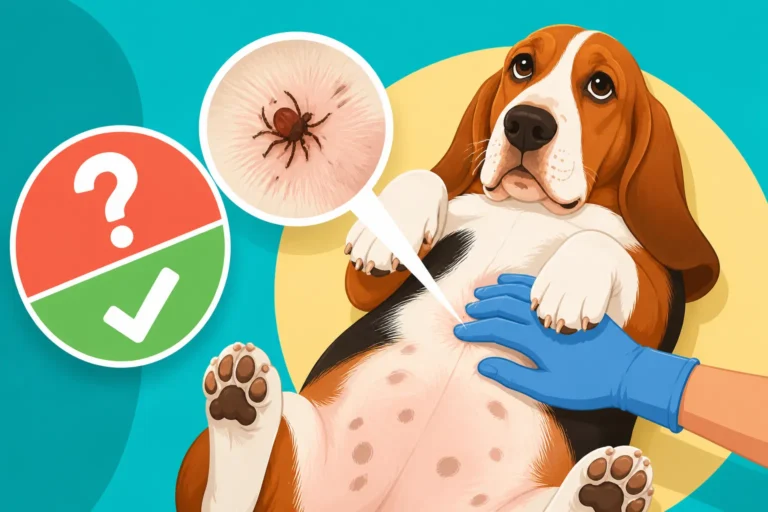
Basset Hound belly tick checks are necessary because low stances and skin folds create high-risk hiding spots for pests.
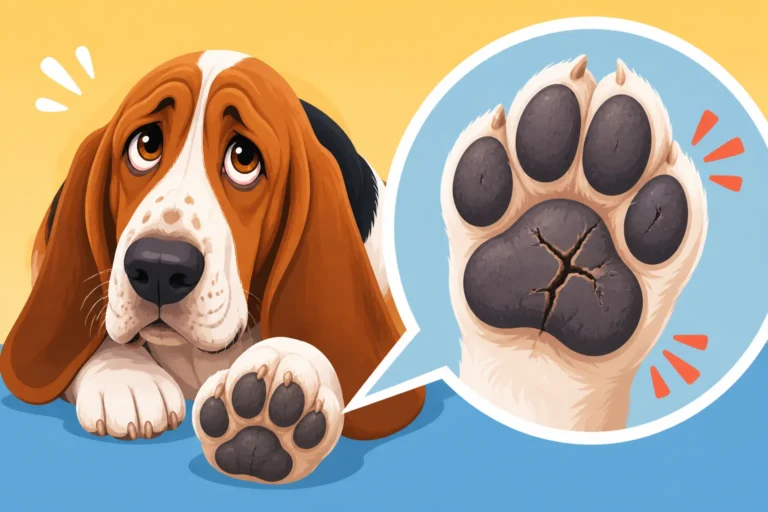
Basset Hound paw pad cracking causes include hot pavements, harsh weather, rough terrain, dehydration, and nutritional deficiencies.
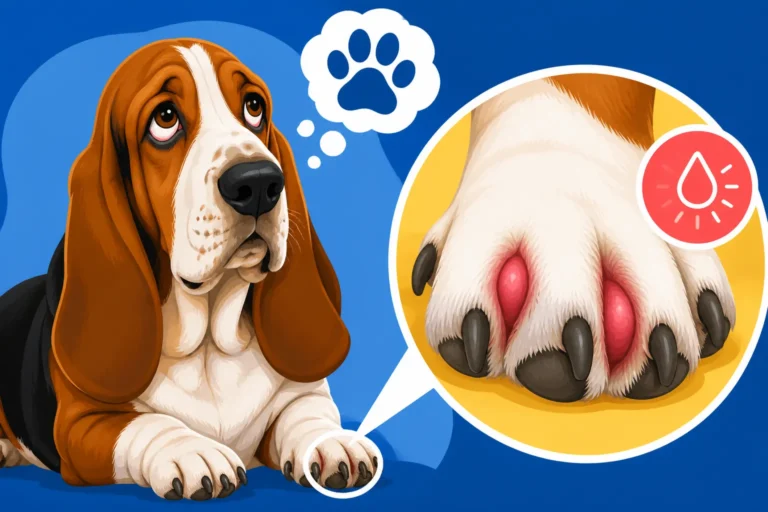
Basset Hound interdigital cysts cause painful paw swelling when hair follicles rupture, triggering severe tissue inflammation.
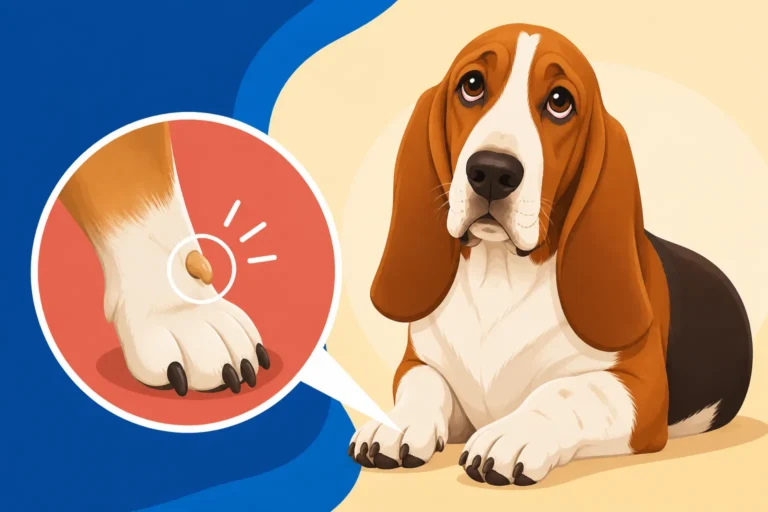
Basset Hound dewclaws require regular attention because ignoring them can lead to painful injuries and infections.
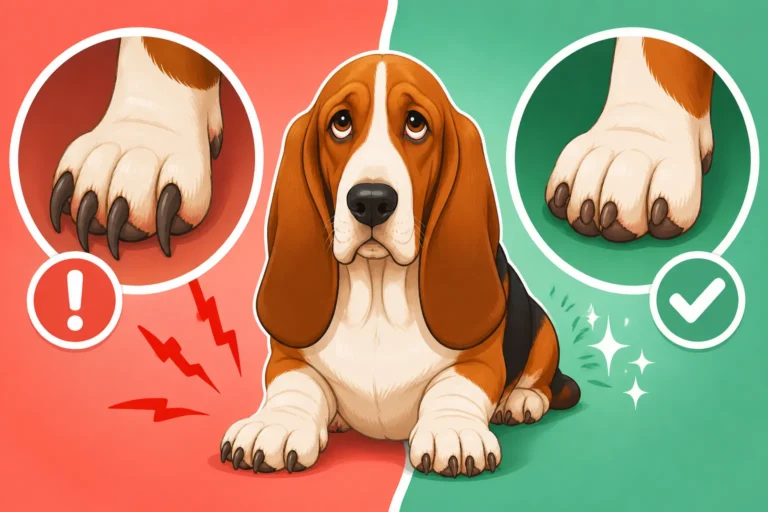
Long Basset Hound nails push against the ground and force the toes upward, reshaping the paw bones and altering their natural gait.
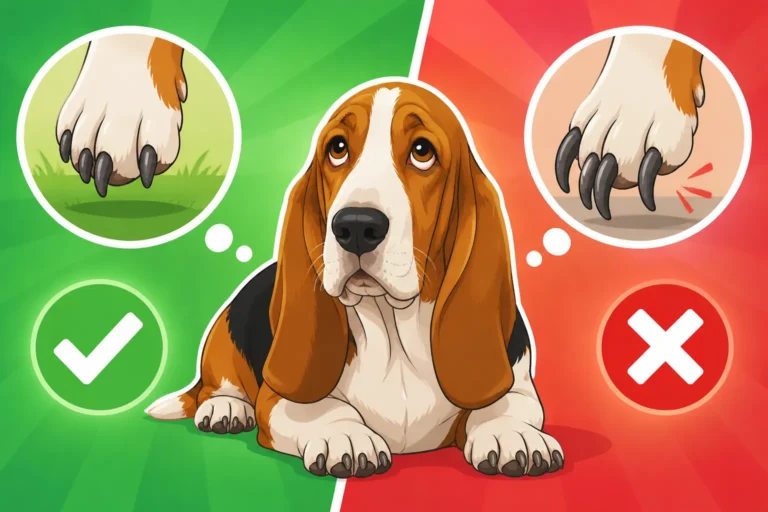
Basset Hound nail wear is rarely sufficient because their low gait and soft surfaces prevent natural abrasion, requiring regular trimming.
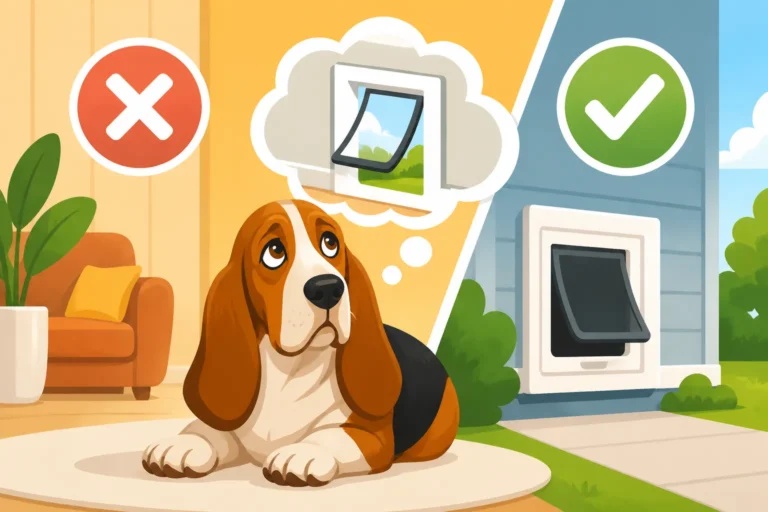
Basset Hound physical traits, including short legs and heavy bodies, create safety challenges when using standard dog doors.
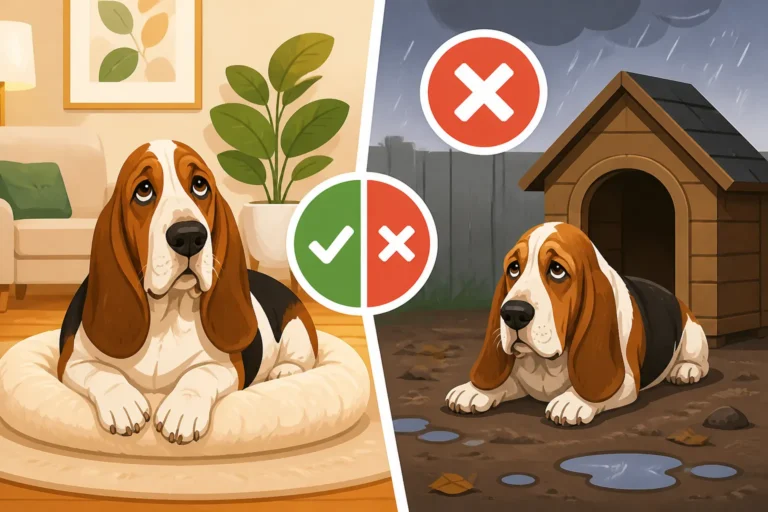
Basset Hound outdoor living causes severe ear infections, skin dermatitis, and serious health risks, proving they are indoor companions.
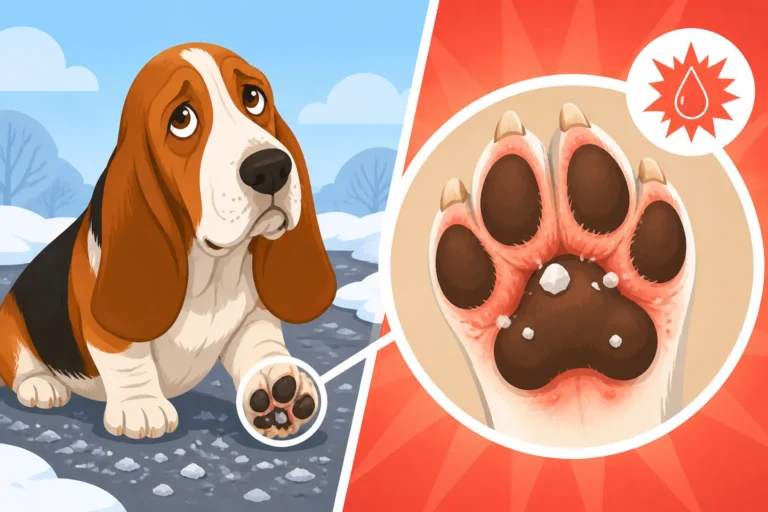
Road salt chemicals and de-icers cause painful cracking, irritation, and serious health risks for sensitive Basset Hound paw pads.
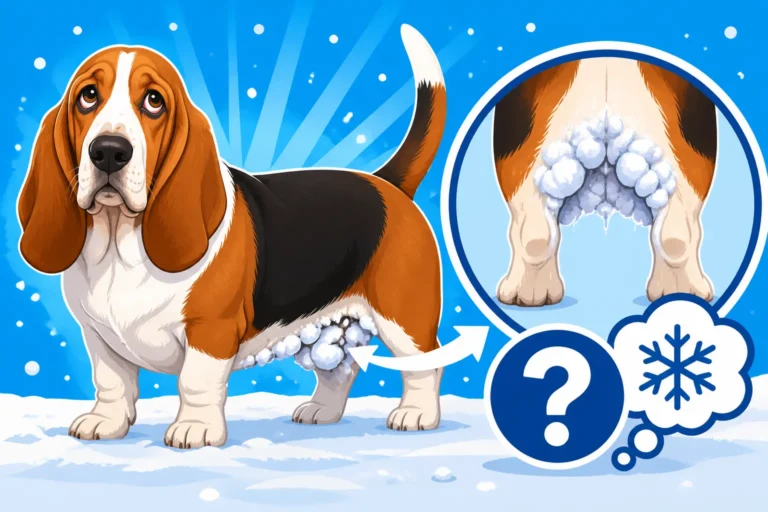
Basset Hound winter walks cause snow and ice clumps on low bodies and long trailing ears, creating discomfort.