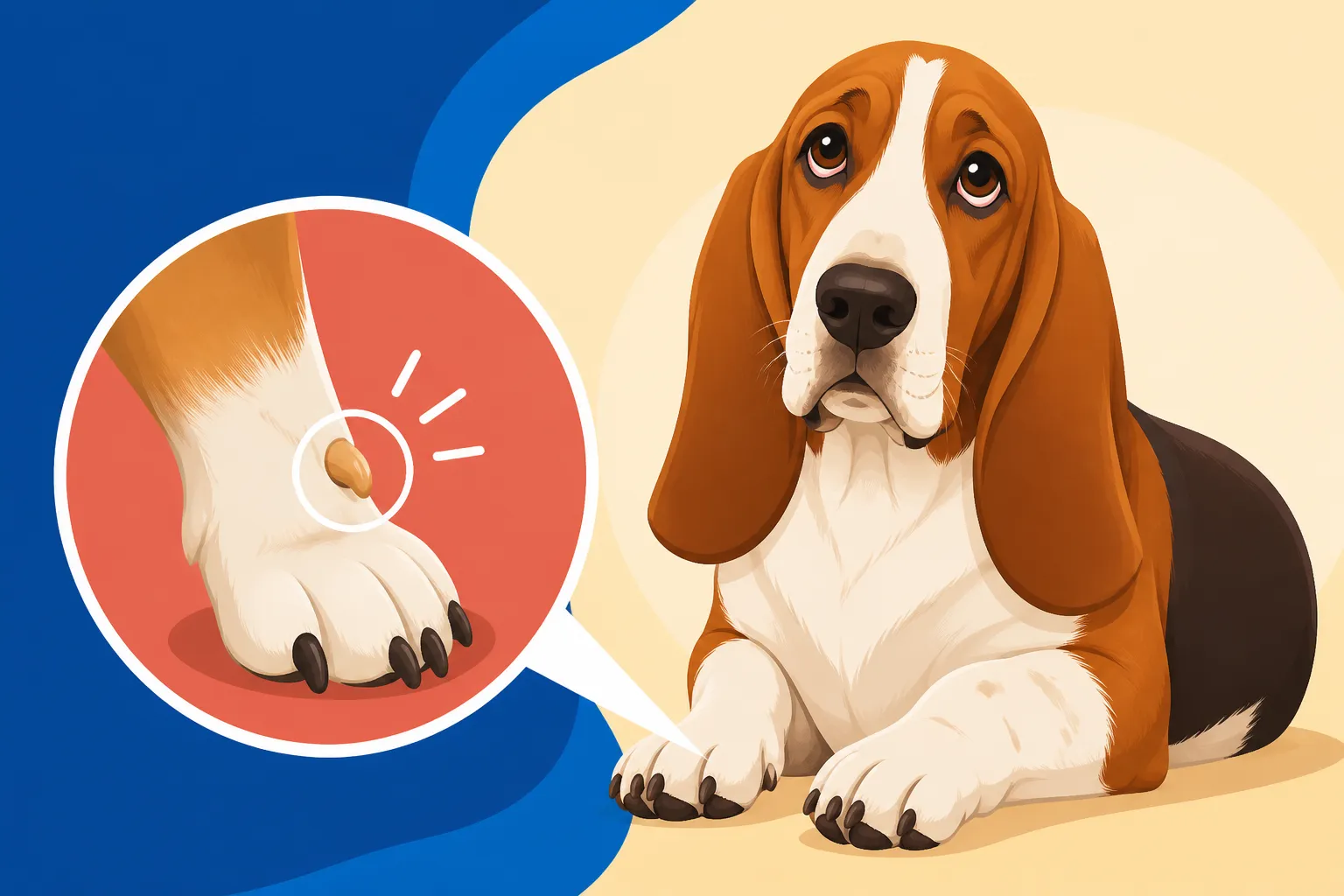
Whether a Basset Hound’s Dewclaws Need Watching
Oh, those funny little bits of nail on the inside of a Basset Hound's leg! Many of us Basset parents often wonder about them – are they just extra bits of nail, or do they actually serve a purpose? More importantly, should we be watching them like a hawk, or are they largely self-sufficient? The truth is, your Basset Hound's dewclaws absolutely need your attention. Ignoring them can lead to painful injuries, nasty infections, and a lot of unnecessary discomfort for your laid-back companion. This guide will walk you through everything you need to know about keeping those dewclaws healthy and happy, ensuring they don't become a hidden source of trouble.
The Curious Case of Basset Hound Dewclaws: More Than Just an Appendage
When you first get a Basset Hound puppy, you might hardly notice those little nubs on their front legs. But as they grow, these seemingly insignificant digits can become a surprisingly big deal. Understanding what they are and why your Basset has them is the first step toward proper care.
What Exactly Are Dewclaws, Anyway?
Think of a dewclaw as a thumb on your dog's paw. On the front legs, they're located higher up on the inside of the leg, above the other four toes. Unlike the main paw pads, dewclaws don't typically make contact with the ground when your Basset is standing or walking normally. They usually have their own little nail and sometimes even a small bone connection to the leg. Most Basset Hounds have front dewclaws, and these are often quite well-attached, meaning they have proper bone and muscle structure.
Rear dewclaws are a different story. While less common in Basset Hounds than in some other breeds (like Great Pyrenees, which often have double dewclaws), if they are present, they are often much looser, sometimes attached only by skin. These are the ones often considered vestigial and are more prone to getting snagged because they lack the strong skeletal support of their front counterparts. For Basset Hounds, who are built long and low to the ground, every part of their sturdy frame, including those front dewclaws, plays a role in their unique movement and stability.
Why Basset Hounds Often Retain Their Dewclaws
You might hear about dewclaws being removed in some breeds, especially when puppies are very young. This is often done to prevent future injury, particularly for dogs involved in high-impact sports where a loose dewclaw could easily tear. However, with Basset Hounds, you'll find that front dewclaws are almost universally retained, and for good reason.
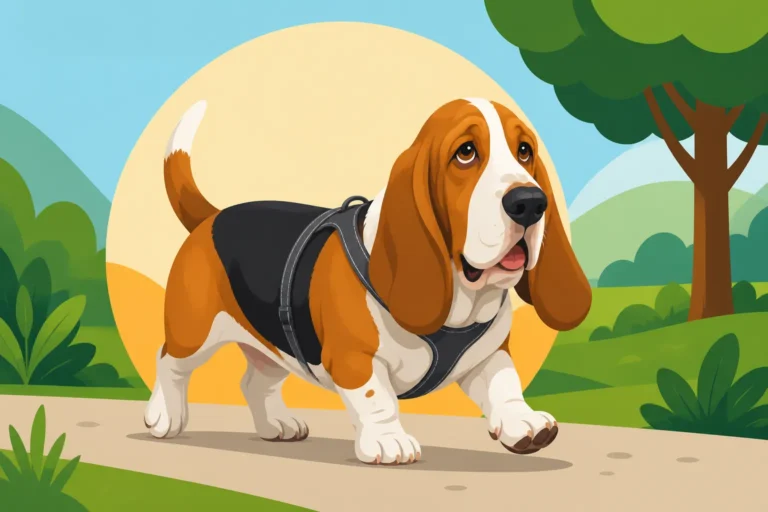
For a Basset, these front dewclaws aren't just decorative. They actually serve a functional purpose! When a Basset Hound is running, turning quickly, or navigating uneven terrain, those dewclaws can make contact with the ground, providing extra traction and stability. Imagine a football player using their thumbs to grip the ball – it's a similar concept for a dog's stability. They can help prevent torque and strain on the main paw and wrist joints when making sharp turns or climbing out of a ditch while on a scent trail. Because Basset Hounds are often so focused on their nose, they might not always be looking where they're going, and that extra bit of grip from their dewclaws can be surprisingly helpful. It's a testament to their robust, working-hound structure that these appendages are usually kept intact and healthy.
The Hidden Dangers: Why Basset Hound Dewclaws Demand Attention
It's easy to overlook your Basset's dewclaws because they're not part of the main paw that touches the ground. But this "out of sight, out of mind" approach can lead to significant problems that can be incredibly painful for your dog. A Basset Hound's gentle nature means they might suffer in silence, making proactive care even more critical.
The Peril of Overgrown Dewclaws
One of the most common and distressing issues with dewclaws is when they become overgrown. Unlike the nails on the main paw, which get some natural wear and tear from walking on hard surfaces, dewclaws rarely touch the ground. This means they can grow unchecked, slowly curling inward in a devastating spiral. Eventually, that sharp tip can grow right into the soft pad of your Basset's leg, causing immense pain, inflammation, and potential infection. Imagine having a sharp splinter constantly digging into your skin – that's what an ingrown dewclaw feels like to your beloved hound.
Because Bassets are so stoic, they might not immediately cry out or limp noticeably until the problem is quite severe. You might just notice them licking their leg more often, or being reluctant to have that paw handled. By the time you spot it, it can be a deeply embedded, festering wound. Regular, gentle inspection is key. If you can't easily see the tip of the dewclaw or if it's already starting to curl significantly, it's overdue for a trim. Checking these regularly should become as much a part of your routine as The Twice Weekly Ear Ritual a Basset Hound Owner Signs Up For.
Snags, Tears, and Traumatic Injuries
Basset Hounds, with their low-slung bodies and propensity for investigating every interesting scent on the ground, are unfortunately quite prone to dewclaw injuries. Think about it: they're constantly pushing through brush, sniffing through tall grass, or navigating around furniture in the house. A dewclaw, especially if a bit long or positioned awkwardly, can easily catch on things. A common scenario might be your Basset bounding through a thick patch of bushes in the park, only to yelp suddenly and come up limping. The dewclaw might have snagged on a branch or a root.
These traumatic injuries can range from a minor rip that exposes the quick, causing bleeding and tenderness, to a full-blown tear where the nail is partially or completely detached. In severe cases, the entire dewclaw digit can be fractured or dislocated. This isn't just painful; it's a messy, often bloody affair that can send any dog owner into a panic. Imagine the sudden sharp pain your dog feels, and then the confusion and fear. These injuries typically require immediate veterinary attention to clean, assess, and often bandage the wound, sometimes even requiring sedation for proper care. Prevention is always better than reacting to such a painful event for your hound.
Infections and Other Complications
Beyond the immediate trauma, both ingrown and torn dewclaws open the door to nasty infections. An ingrown nail creates a perfect little pocket for bacteria to thrive, leading to painful abscesses. A torn nail exposes the quick, which is rich in blood vessels and nerves, to dirt, mud, and whatever else your Basset's paw comes into contact with. Given how often Basset Hounds explore the great outdoors with their noses to the ground, bacterial or fungal invaders are practically guaranteed if there's an open wound.
Signs of infection include redness, swelling, warmth to the touch around the dewclaw, discharge (pus), and a foul odor. Your Basset might also lick the area incessantly, making the infection worse, or become noticeably lame on the affected leg. Sometimes, the infection can spread, causing more widespread inflammation or even systemic issues if left untreated. It's especially tricky with Basset Hounds because their loose skin and heavy dewlap can sometimes obscure early signs of inflammation or licking, making it harder for you to spot the problem before it becomes severe. Whether a Basset Hound Gets Interdigital Cysts Between Toes is another common foot issue that can sometimes mask or be confused with dewclaw-related problems, so being vigilant about checking all parts of their paws is crucial.
Proactive Dewclaw Care: Keeping Your Basset Hound Comfortable
Taking care of your Basset Hound's dewclaws might seem like a small detail, but it's a vital part of their overall health and happiness. By being proactive, you can prevent a world of pain and costly vet visits. It’s all about establishing a routine and using the right tools.
The Art of Trimming Basset Hound Dewclaws
Regular trimming is the single most important thing you can do for your Basset's dewclaws. Since they don't wear down naturally, it's up to us, their human companions, to keep them at a healthy length. For many Basset Hounds, this might mean trimming them every 2-4 weeks – often more frequently than their other nails. If you’re not sure about the frequency, it’s always better to trim a little bit more often than to let them get too long.
When it comes to tools, you have options. Many Basset owners find traditional clippers work well, but for those with a dog who is particularly sensitive or if you're nervous about cutting too much, a Dremel-style nail grinder can be fantastic. It allows you to remove small layers gradually, reducing the risk of hitting the quick, which is the sensitive part of the nail with nerves and blood vessels. You can find excellent clippers and grinders, along with styptic powder (a must-have for accidental quick cuts!), readily available on sites like Chewy or Amazon.
The key is to make it a positive experience from a young age. Introduce the tools slowly, offering treats and praise. Trim only the very tip, aiming to keep the dewclaw short enough so it doesn't curl or get caught. If you're unsure, ask your vet or a professional groomer to show you the ropes. Consistency is what makes the difference. If you wait too long, the quick will grow longer with the nail, making it harder to trim back safely. For a more general guide, consider looking into How Often a Basset Hound's Nails Need Cutting.
Regular Inspection and Environmental Management
Beyond just trimming, a thorough check of your Basset Hound's dewclaws should be a regular part of your grooming routine. Make it a habit to visually inspect and gently feel around their dewclaws at least once a week, or even daily, especially after long walks or play sessions outdoors. Look for any redness, swelling, discharge, or signs that the nail is growing too close to or into the skin. If your Basset pulls their paw away, licks the area excessively, or shows any signs of discomfort, it's a red flag.
Environmental management plays a big role in preventing injuries. Since Bassets love to explore low to the ground, their dewclaws can easily snag. Take a walk around your yard and identify potential hazards: thorny bushes, loose fencing wire, sharp rocks, or dense undergrowth. Try to clear these areas. Indoors, check for loose carpet threads, gaps in floorboards, or any other items they might accidentally catch a dewclaw on. For Bassets who are particularly enthusiastic explorers, or if you live in an area with very rough terrain, consider protective paw boots for their outdoor adventures. These can be found on sites like Amazon and can provide an extra layer of defense against snags and cuts. It's all part of Looking After a Basset Hound's Feet and Nails comprehensively.
Nutritional Support for Strong Nails
While regular trimming and vigilant inspection are primary, a good diet also contributes to overall nail health, including the dewclaws. Nails are made of keratin, and like skin and coat, their quality can be influenced by your dog's nutrition. A diet rich in essential fatty acids (like Omega-3 and Omega-6), biotin, and other vital vitamins and minerals can promote strong, healthy nails that are less prone to splitting or becoming brittle.
High-quality dog foods from reputable brands ensure your Basset is getting the necessary building blocks for healthy tissues throughout their body. For instance, brands like Ollie offer fresh, balanced meals that can contribute to overall wellness, including robust nail growth. If your Basset's nails seem unusually brittle or weak despite proper care, it might be worth discussing their diet with your veterinarian. Sometimes, specific supplements, like fish oil, might be recommended, but always consult with a vet before adding anything new to your dog's regimen. A healthy Basset is a happy Basset, and good nutrition is fundamental to What a Basset Hound Needs Every Day.
When Trouble Strikes: Recognizing and Addressing Dewclaw Emergencies
Even with the best preventative care, accidents can happen. Knowing how to react calmly and effectively when your Basset Hound experiences a dewclaw injury can make a huge difference in their comfort and recovery. It’s important to distinguish between minor issues you can handle at home and situations that demand immediate professional veterinary attention.
First Aid for Minor Dewclaw Injuries
If your Basset Hound has a minor dewclaw injury – perhaps a small tear or you've accidentally cut the quick during a trim – it's natural to feel a bit panicked. The first thing to do is stay calm, as your stress can easily transfer to your dog. For bleeding, apply gentle but firm pressure with a clean cloth or gauze for a few minutes. Styptic powder is an absolute lifesaver for nail bleeds; just dab a small amount onto the bleeding tip. If you don't have styptic powder, cornstarch can work in a pinch.
Once the bleeding has stopped, gently clean the area with a mild antiseptic solution, such as diluted chlorhexidine or povidone-iodine, or simply warm, soapy water. Avoid harsh chemicals or alcohol, which can sting and irritate the wound. Keep an eye on the injury over the next few days for any signs of infection (redness, swelling, pus, foul odor). While you can manage a tiny nick at home, anything more significant, especially if it's deep or involves a lot of pain, warrants a call to your vet. You might find some useful emergency supplies, including styptic pencils or paw balms, on Chewy.
Knowing When to Call the Vet
It's crucial to understand when a dewclaw issue is beyond basic first aid and requires veterinary intervention. Don't hesitate to contact your vet if you observe any of the following:
- Persistent or Heavy Bleeding: If the bleeding doesn't stop after 5-10 minutes of direct pressure and styptic powder, or if it's gushing, your vet needs to see your Basset right away.
- Deep Laceration or Torn Nail: If the nail is badly torn, completely detached, or if there's a deep cut into the surrounding skin, it's very painful and risks severe infection. Your vet can properly clean the wound, remove any remaining detached nail pieces, and bandage it appropriately, often under sedation.
- Severe Pain or Lameness: If your Basset is unwilling to put weight on the leg, constantly licking or chewing the area, or showing signs of intense pain, a vet visit is essential.
- Signs of Infection: Redness, swelling, warmth, pus, or a foul odor indicates an infection that will likely require antibiotics or other targeted treatment from your veterinarian.
- Ingrown Nail: If the dewclaw has grown into the pad and become embedded, this needs professional removal. It's often too painful and too deep for you to safely extract at home, and the area will need to be thoroughly cleaned and treated for infection.
Remember, Basset Hounds can be incredibly stoic, so any visible sign of discomfort or persistent licking should be taken seriously. Addressing these issues promptly can prevent escalating pain and complications for your beloved companion. Proper care also includes making sure your Basset has good footing, which can be affected by their weight. Consider How Much a Basset Hound Should Weigh to ensure they aren't putting undue stress on their paws and joints.
Surgical Considerations for Problematic Dewclaws
In some unfortunate cases, a Basset Hound might experience recurrent dewclaw problems that lead a veterinarian to suggest surgical removal. This is not a decision to be taken lightly and is usually reserved for specific situations. For instance, if your Basset repeatedly tears or injures a dewclaw despite your best efforts at regular care, or if a dewclaw is congenitally deformed and constantly growing in a way that causes pain or infection, your vet might recommend removal.
The procedure itself, called a dewclaw amputation or removal, is typically a straightforward surgical process. Your Basset Hound would be under general anesthesia, and the dewclaw, including any associated bone and soft tissue, would be surgically removed. Recovery usually involves pain management, antibiotics, and keeping the surgical site clean and protected while it heals. This might mean a special cone or protective boot for a couple of weeks to prevent licking or re-injury.
While it's a significant decision, dewclaw removal can drastically improve a dog's quality of life if they are experiencing chronic pain or frequent, debilitating injuries. Always have an open and honest discussion with your veterinarian about the pros and cons, the recovery process, and what to expect. They can guide you through whether it's the right choice for your individual Basset Hound and their specific needs. Ensuring a safe home environment, including careful thought about Whether a Basset Hound Should Use Ramps at Home instead of stairs, can also help minimize risks that might lead to such drastic measures.
Disclaimer
This article is for general informational purposes only and does not constitute professional advice. Laws, prices and regulations vary by location and change over time. Consult a qualified professional for guidance on your specific situation.