Whether a Basset Hound Should Live Outdoors
It's a common image, isn't it? The happy-go-lucky hound dog, perhaps with a trusty companion, trotting through a field, living the life of a rustic outdoor dog. And when you look at a Basset Hound with their sturdy build and short, dense coat, you might think they'd be perfectly content as an outdoor dweller. However, the reality for our beloved long-eared friends is far more nuanced, and often, the thought of a Basset Hound living outdoors brings a slew of practical challenges and health concerns. This guide is here to shed light on why, despite their hardy appearance, Basset Hounds are truly meant to be indoor companions, and how to best provide them with a comfortable, safe, and enriching life inside your home.
Understanding the Basset Hound's Unique Needs
When we picture a dog living happily outdoors, we often think of breeds with thick double coats, robust physiques, and an innate ability to withstand varying climates. Our Bassets, while sturdy, don't quite fit that mold. Their unique physical characteristics and intrinsic needs make outdoor living a far less suitable, and often unhealthy, option for them.
Physical Vulnerabilities to the Elements
Let's be real: Basset Hounds are built distinctly, and many of those unique traits that we adore also make them vulnerable to the harshness of an outdoor environment.
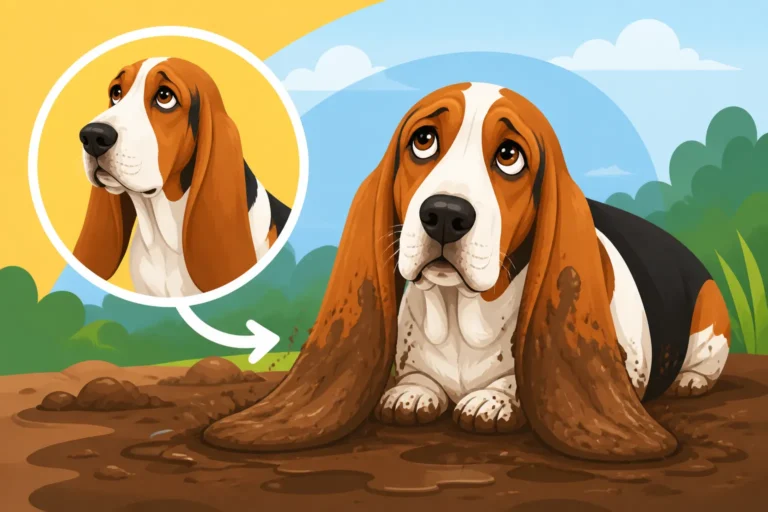
Firstly, consider their magnificent, long ears. While they're fantastic for sweeping scents upwards and adding to their undeniable charm, they are a magnet for trouble when outdoors. These ears drag through mud, water, leaves, and whatever else might be on the ground. Not only do they pick up dirt and debris, but they also severely limit airflow to the ear canal, creating a warm, moist environment perfect for infections. A Basset Hound's ear canal never truly dries, and leaving them outside constantly exposes these delicate structures to moisture and foreign bodies, leading to painful and persistent ear infections. You can read more about The Twelve Inch Ears a Basset Hound Was Given on Purpose and how they function.
Then there's their low-slung body and short legs. This is what makes them such excellent trackers, keeping their nose close to the ground. But outside, this means their chest and belly are constantly exposed to cold, damp ground, snow, or hot pavement. They don't have the clearance of a taller dog, making them prone to chills in winter and heatstroke in summer, as their undercarriage absorbs direct heat from hot surfaces. Moreover, their short, relatively thin coat provides minimal insulation against extreme temperatures compared to breeds specifically designed for outdoor living.
Health Risks Associated with Outdoor Living
Beyond their immediate physical vulnerabilities, a Basset Hound living outdoors faces a significantly higher risk of various health issues that can impact their quality of life and longevity.
Chronic ear infections are almost a given for an outdoor Basset. The constant exposure to moisture, dirt, and parasites, combined with their already problematic ear structure, creates a perfect storm. These aren't just minor irritations; we're talking about deep, painful infections that can lead to permanent hearing damage or even require extensive surgery. Whether Every Basset Hound Gets Ear Infections is a common question, and outdoor living drastically increases the likelihood and severity.
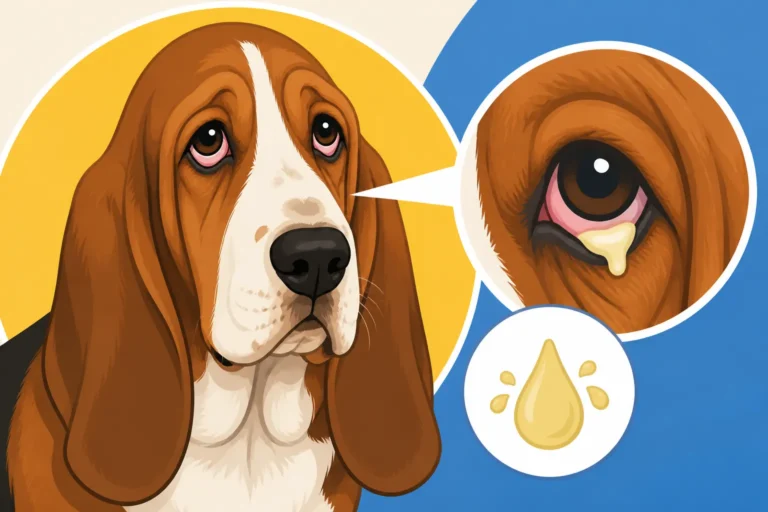
Their distinctive loose skin and folds, particularly around the face and neck, also pose a significant problem. These folds can trap moisture, dirt, and bacteria, leading to painful skin fold dermatitis and yeast infections. Being outside exposes these areas to even more grime and dampness, making regular cleaning almost impossible to keep up with, and greatly increasing the risk of The Skin Under a Basset Hound's Folds becoming a constant source of discomfort and vet visits.
Finally, their unique body structure, with its long back and short, heavy-boned legs, makes them susceptible to musculoskeletal problems. Damp, cold conditions can exacerbate joint pain, especially in breeds prone to conditions like Whether a Basset Hound Gets Elbow Dysplasia or The Back Trouble a Basset Hound Is Built Into. Sleeping on hard, cold surfaces outdoors, or navigating uneven terrain without proper support, can accelerate the degeneration of their joints and spine, leading to early onset arthritis and debilitating back issues.
The Basset Hound's Social and Behavioral Requirements
Beyond the physical, Basset Hounds are creatures of comfort and connection. Their very nature makes them unsuitable for isolation, and denying them indoor living often leads to behavioral problems and emotional distress.
The Need for Companionship and Family Integration
Basset Hounds are pack animals at heart. They thrive on companionship, whether it's with their human family or other canine friends. They are not independent loners content to roam vast expanses; they crave interaction, affection, and being part of the family unit. When left outside, isolated from their pack, they can become deeply unhappy.
This isolation often manifests as destructive behaviors or excessive vocalization. A lonely Basset Hound might bay incessantly, a sound that, while melodious to a hunter, can quickly lead to neighbor complaints and significant stress for everyone involved. The Bay a Basset Hound Uses and the Neighbors Hear is a serious consideration, and boredom or loneliness will amplify this trait. They thrive on being where the action is, even if that action is just napping on the rug while you watch TV. They want to be involved, to feel secure, and to know they are cherished members of the household. Denying them this fundamental need can lead to deep-seated anxiety and a breakdown in their bond with you.
Behavioral Challenges and Safety Concerns Outdoors
Leaving a Basset Hound outdoors presents a host of practical behavioral and safety challenges that are simply not worth the risk.
Their incredible nose, often touted as second only to a Bloodhound's, is a double-edged sword when it comes to outdoor living. If your Basset Hound catches a scent, their instinct to follow that trail will override almost everything else. This means even a securely fenced yard might not be enough to contain them if a compelling scent drifts by. They are notorious for finding weaknesses in fences, digging under them, or slipping through surprisingly small gaps. Whether a Basset Hound Wanders if the Gate Opens is a resounding yes, and once they're off on a scent, recalling them can be nearly impossible. This puts them at risk of getting lost, hit by cars, or encountering dangerous wildlife. Many Basset owners wisely invest in a tracking collar, knowing their dog's adventurous nose might lead them astray. You can find excellent options on sites like Chewy or Amazon.
Furthermore, Basset Hounds, particularly those left unattended outdoors, are vulnerable to theft. Their distinctive appearance and generally docile nature make them attractive targets for people looking for a "free dog." It's a heartbreaking reality, but a dog left alone in a yard is far easier to steal than one safely inside a home. Beyond theft, they are exposed to potential poisoning from lawn chemicals, ingesting toxic plants, or even attacks from other animals. The perceived freedom of outdoor living quickly turns into a constant worry for their safety.
Practical Considerations for Keeping a Basset Hound Outdoors (and Why it's Not Ideal)
While some might argue that a robust shelter or specific provisions could make outdoor living feasible, the truth is that truly replicating the comfort and safety of an indoor environment for a Basset Hound outside is incredibly difficult and often impractical.
Shelter and Environmental Control
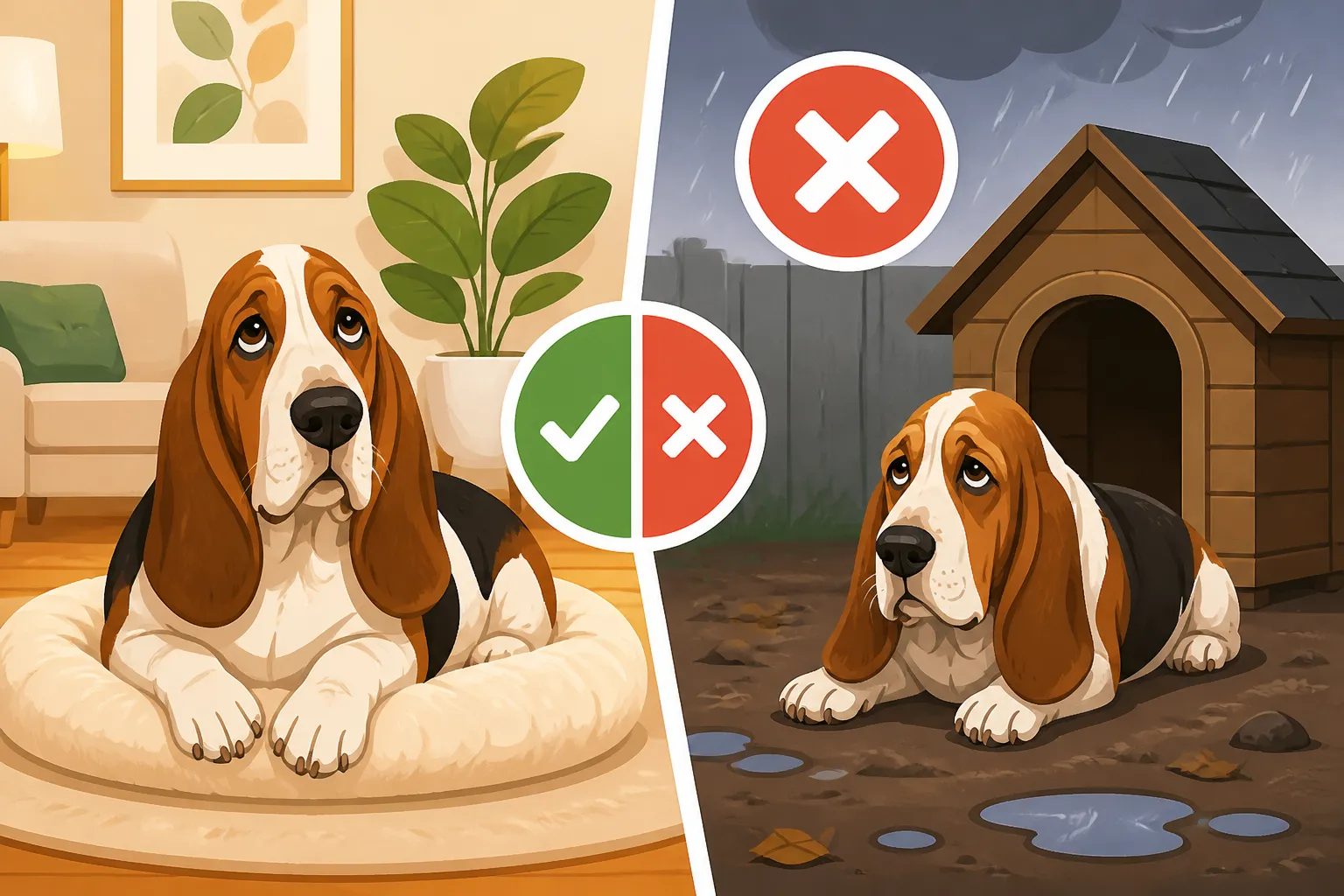
Providing adequate outdoor shelter for a Basset Hound goes far beyond a simple dog house. Due to their extreme sensitivity to temperature, any outdoor shelter would need to be climate-controlled to truly protect them. This means heating in winter and cooling in summer – essentially, an outdoor mini-house that functions much like your own home. A basic wooden dog house offers minimal protection from freezing temperatures, especially for a dog whose belly is practically on the ground. Similarly, in the heat, a simple shaded area is often insufficient to prevent overheating for a breed that doesn't cope well with high temperatures. Whether a Basset Hound Copes With Heat is a serious concern, and they are prone to heatstroke due to their brachycephalic tendencies (though less severe than some breeds) and overall body mass.
Consider humidity and dampness too. Even if the temperature is tolerable, constant dampness can wreak havoc on their skin, ears, and joints. Keeping bedding dry and clean in an outdoor environment is a never-ending battle, and wet bedding contributes directly to skin infections and discomfort. What seems like a cost-saving measure by having them live outdoors often turns into significantly higher vet bills and a less happy dog.
Nutritional and Hydration Challenges
Outdoor living also complicates the simple acts of feeding and providing water. Food left outside is a magnet for pests – insects, rodents, and even larger wildlife. It can spoil quickly in warm weather or freeze solid in winter. Ensuring your Basset Hound always has access to fresh, uncontaminated food becomes a daily chore fraught with potential issues. If you're feeding a high-quality food, perhaps from a brand like Ollie or a premium kibble from Chewy, leaving it out in the elements feels like a waste, not to mention a health hazard for your dog.
Similarly, water can become contaminated, evaporate, or freeze. Dehydration is a serious risk, especially in summer, if a water source isn't constantly refreshed and protected from the elements. Dogs living outdoors are also more prone to parasites from shared water sources with wildlife, or simply from ingesting dirty water. These seemingly small considerations quickly add up to a full-time commitment that often outweighs the perceived benefits of outdoor confinement.
| Feature / Need | Outdoor Living (Challenges) | Indoor Living (Benefits) |
|---|---|---|
| Ears | Exposure to dirt, moisture; high risk of chronic infections. | Protected from elements; easier to clean; less infection risk. |
| Skin Folds | Traps grime and moisture; high risk of dermatitis and yeast. | Easier to keep clean and dry; less exposure to allergens. |
| Temperature | Prone to overheating/hypothermia; insufficient insulation. | Climate controlled environment; safe from extreme weather. |
| Companionship | Isolation, loneliness; leads to baying, destructive behavior. | Integrated into family; regular interaction; emotionally secure. |
| Safety | Risk of getting lost, theft, poisoning, wildlife encounters. | Secure environment; protected from external dangers and traffic. |
| Hygiene | Food contamination, dirty water, increased parasite exposure. | Controlled feeding, fresh water; reduced exposure to environmental contaminants. |
| Health Monitoring | Difficult to spot subtle changes in health or discomfort. | Easier to observe and address health issues promptly. |
| Exercise | Unsupervised yard time often isn't adequate mental/physical exercise. | Structured walks, indoor play, training; focused mental stimulation. |
Creating an Ideal Indoor Environment for Your Basset Hound
Since it's clear that Basset Hounds truly thrive as cherished indoor members of the family, let's talk about how to make your home the best possible haven for them. It’s all about comfort, safety, and engagement.
Essential Indoor Comforts
Your Basset Hound will appreciate a warm, dry, and comfortable place to rest more than almost anything. An orthopedic bed is not just a luxury; for a breed prone to joint and back issues, it's a necessity. These beds provide crucial support for their heavy bodies and long spines, helping to alleviate pressure points and prevent exacerbation of conditions like arthritis. You can find a wide range of comfortable, supportive beds on Amazon or Chewy that fit their unique shape. Don't forget that What an Orthopedic Bed Costs for a Basset Hound is an investment in their long-term health.
Beyond bedding, consider their eating and drinking setup. Many Bassets benefit from raised bowls to prevent their long ears from dragging into their food and water, and to minimize strain on their neck and back while eating. Slow-feeder bowls, available from brands like Outward Hound on Amazon, can also be a godsend if your Basset tends to "inhale" their meals, which can contribute to digestive upset or even bloat, though bloat is less common in Bassets than in some other deep-chested breeds.
Lastly, consistent climate control in your home is paramount. Keep your Basset out of direct drafts in winter and ensure they have access to cool, shaded areas in summer. Air conditioning can be a lifesaver for them when temperatures climb, especially for older or overweight Bassets.
Enrichment and Engagement Indoors
An indoor Basset Hound isn't a bored Basset Hound if you provide the right kind of mental and physical stimulation. Their powerful nose is their greatest asset, and it can be used to great effect indoors. Incorporate scent work into their daily routine. This can be as simple as scattering their kibble around a room for them to "hunt" or hiding treats in various spots. Snuffle mats, available from retailers like Chewy, are fantastic tools for engaging their nose and providing a mental workout.
Training sessions, even short ones, are also incredibly beneficial. Bassets might have a reputation for being stubborn, but they are intelligent and love to learn, especially when high-value treats are involved. Learning new tricks, practicing basic obedience, or even just engaging in a game of "find it" with a favorite toy provides crucial mental exercise.
Regular, supervised walks are still essential for their physical health, even if they live indoors. Short, frequent strolls are often better than one long, arduous hike, given their build. But the bulk of their companionship, safety, and care should be happening within the walls of your home, where they are protected, loved, and truly understood.
Disclaimer
This article is for general informational purposes only and does not constitute professional advice. Laws, prices and regulations vary by location and change over time. Consult a qualified professional for guidance on your specific situation.