Whether Vet Bills Are Why Basset Hounds Are Given Up
It's a heartbreaking reality for many Basset Hound owners: you fall head over heels for their soulful eyes and floppy ears, but soon find yourself wrestling with a stack of vet bills that seem to grow taller by the month. The truth is, the unique charm of a Basset Hound often comes with a predisposition to certain health challenges, and for some, the financial strain becomes so overwhelming that they face the impossible decision of giving up their beloved companion. This guide aims to shed light on why Basset Hound vet bills can become so substantial, what you can expect, and explores the difficult situations owners sometimes face.
Understanding the Common Health Hurdles of Basset Hounds
Basset Hounds are undeniably charming, but their distinctive conformation – those long ears, deep wrinkles, and low-slung, heavy bodies – unfortunately predisposes them to a range of health issues that often require consistent and sometimes expensive veterinary care. These aren't just minor sniffles; we're talking about chronic conditions that can truly test an owner's dedication and wallet.
The Chronic Ear Infections That Plague the Breed
If you own a Basset Hound, you're likely already intimately familiar with the saga of ear infections. Those magnificent, sweeping ears, while a hallmark of the breed, are also a perfect breeding ground for trouble. Their length and heavy structure mean they hang low, covering the ear canal and restricting airflow. This creates a warm, moist environment where yeast and bacteria thrive, often leading to recurring, painful infections.
Imagine the scenario: your Basset starts shaking its head, scratching frantically at an ear, and a tell-tale, sometimes sweet or sour, odor begins to emanate. A trip to the vet is in order. This isn't usually a one-and-done visit. Initial treatment might involve medicated ear drops and a thorough cleaning. But often, the infection returns, requiring repeat visits, different medications, cultures to identify the specific pathogen, and sometimes even cytology to check for underlying issues. For some Basset Hounds, managing these infections becomes a lifelong battle, and the cumulative cost of repeated vet consultations, specialized ear cleaners, and prescription medications can add up significantly. It's not uncommon for owners to spend hundreds, if not thousands, over their dog's lifetime on ear care alone. The frustration of dealing with a constantly infected ear, coupled with the financial burden, can be a major source of stress. You might find yourself wondering Whether a Basset Hound Needs Ear Drops for Life.
Orthopedic Woes: Back and Joint Issues
The Basset Hound's unique, elongated body and short, heavy-boned legs, a result of a form of dwarfism called achondroplasia, make them prone to serious orthopedic problems. This isn't just about a cute waddle; it's about structural vulnerabilities that can lead to debilitating pain and costly surgeries.
One of the most concerning conditions is Intervertebral Disc Disease (IVDD), where the discs cushioning the vertebrae in their spine can rupture or bulge, pressing on the spinal cord. This can lead to excruciating pain, nerve damage, and even paralysis. A Basset Hound struggling to walk, crying out when touched, or suddenly unable to use its back legs is a terrifying sight. Diagnosing IVDD often requires expensive imaging like X-rays and MRI scans, followed by potentially massive surgical bills and lengthy physical therapy. Even with successful surgery, recovery is long and demanding, and the dog may still need ongoing care. Beyond IVDD, conditions like elbow dysplasia and arthritis are also prevalent due to their build. Why One Basset Hound in Seven Has Bad Elbows is a stark reminder of these genetic predispositions. An older Basset Hound might develop significant arthritis, requiring daily pain medication, joint supplements, and potentially hydrotherapy or other treatments to maintain their quality of life. Watching your once-playful hound struggle to get up or climb a single step is agonizing, and the costs associated with making them comfortable can be relentless.
Eye Problems: Glaucoma and Eyelid Conditions
Those deep, soulful eyes of a Basset Hound are another area susceptible to health issues that can demand significant veterinary intervention. Glaucoma, a condition characterized by increased pressure within the eye, is a serious concern for the breed and can lead to blindness if not managed aggressively.
The onset of glaucoma can be sudden and incredibly painful for the dog, presenting as a red, cloudy, and swollen eye. Immediate veterinary attention is crucial, and treatment often involves expensive prescription eye drops administered multiple times a day, for life. Even with diligent treatment, the condition can progress, sometimes requiring surgery to alleviate pressure or, in severe cases, removal of the eye to stop the pain. The cost of these medications and potential surgeries can quickly escalate. Beyond glaucoma, Basset Hounds are also prone to eyelid conditions like entropion (eyelids rolling inward, causing lashes to rub against the eye) and ectropion (eyelids rolling outward, exposing the delicate inner membrane). Both can cause irritation, infections, and discomfort, often necessitating surgical correction. These aren't just cosmetic issues; they directly impact the dog's comfort and vision. Owners often feel a deep sense of helplessness as they navigate these complex and expensive eye conditions, hoping to preserve their dog's sight and comfort. Learning The Age Glaucoma Shows in a Basset Hound can help prepare prospective owners for this potential challenge.
The Financial Reality: Breaking Down Vet Bill Types
It's one thing to know your Basset Hound might get sick; it's another to grapple with the actual costs when those illnesses strike. Vet bills aren't just a single charge; they're a complex breakdown of services, diagnostics, and medications, and understanding them is crucial for any responsible Basset owner.
Routine Care vs. Emergency Situations
The cost of owning a Basset Hound can generally be divided into two main categories: routine, predictable care and unexpected, often urgent, emergency situations. Routine care includes things like yearly check-ups, vaccinations, parasite prevention, and dental cleanings. These are expenses you can, to some extent, plan for and budget annually. They are essential for maintaining your Basset's general health and preventing more severe issues down the line. However, even routine care can feel substantial when you factor in a good quality diet, regular grooming, and maybe some supplements. A healthy adult Basset will still have a yearly vet bill that includes an examination, necessary boosters, and perhaps a fecal test or heartworm prevention.
Then there are the emergencies. These are the situations that blindside you, often happening late at night or on a weekend, when emergency clinic fees are at their highest. A sudden severe ear infection, a limping episode pointing to a disc issue, or an eye suddenly red and painful are all examples. These visits don't just include an exam fee; they often involve immediate diagnostics, pain management, and potentially life-saving interventions. The shock of a multi-thousand-dollar estimate for emergency surgery can be utterly devastating, pushing even financially stable owners to the brink. It’s this unpredictability, the sudden demand for significant funds, that often catches people off guard and can truly become a crisis.
Diagnostic Tests and Procedures
When your Basset Hound isn't feeling well, "the vet needs to run some tests" is a phrase that can send shivers down an owner's spine. Diagnostic tests are crucial for pinpointing the exact problem, but they come with a hefty price tag, especially for a breed prone to complex internal and orthopedic issues.
Initial diagnostics might include blood work to check organ function or rule out systemic illness, and urinalysis for bladder issues common in older Bassets. For lameness or back pain, X-rays are usually the first step, but often, they only provide part of the picture. If a disc issue is suspected, or nerve damage is present, an MRI is frequently recommended – and these are expensive. We're talking about procedures that often require anesthesia and specialist interpretation. Beyond imaging, things like ear cultures to identify specific bacteria or yeast, eye pressure tests for glaucoma, or even biopsies for suspicious lumps all add to the accumulating total. Each of these steps, while vital for an accurate diagnosis and effective treatment plan, carries its own cost. When a Basset Hound owner is faced with a dog in pain and a laundry list of necessary, costly tests, it’s easy to feel trapped between their love for their pet and the crushing weight of the financial implications. Sometimes, seeing a specialist, like a veterinary ophthalmologist or orthopedic surgeon, adds another layer of consultation fees before any actual treatment even begins.
Strategies for Managing Basset Hound Healthcare Costs
Facing down those vet bills can feel like an impossible uphill battle, especially when you consider the Basset Hound's propensity for certain health issues. But there are proactive steps and approaches you can take to make the financial burden more manageable, allowing you to focus on your dog's well-being rather than just the dollar signs.
The Role of Pet Insurance
Pet insurance has become a lifeline for many owners of breeds like the Basset Hound, providing a much-needed buffer against the shock of unexpected major medical expenses. It essentially works like human health insurance, where you pay a monthly premium, and in return, the insurer helps cover a percentage of your veterinary bills after your deductible is met.
For a Basset Hound, whose health challenges often involve chronic conditions, surgeries, and specialized diagnostics, pet insurance can be incredibly valuable. Imagine your Basset is diagnosed with IVDD and needs emergency surgery; a good insurance policy could cover a significant portion of the tens of thousands of dollars that procedure might cost. Providers like Healthy Paws offer comprehensive plans that can cover accidents, illnesses, surgeries, and even some alternative therapies, which are often vital for recovery from orthopedic issues. It's crucial to sign up when your Basset is young and healthy, before any pre-existing conditions develop, as most policies won't cover problems that arose before your coverage started. While it's an added monthly expense, the peace of mind knowing you can make critical healthcare decisions based on what's best for your Basset, rather than your bank account, is priceless. It's a way to essentially budget for the unknown, converting potentially enormous, unpredictable costs into a more manageable monthly payment.
Preventive Care and Diet
An ounce of prevention is truly worth a pound of cure, especially with a Basset Hound. Investing in high-quality preventive care and a proper diet can go a long way in minimizing the frequency and severity of some of the breed's common ailments, ultimately saving you money and heartache in the long run.
Regular, diligent ear care is paramount. This means weekly or bi-weekly cleaning with a vet-approved solution to keep those deep canals clear and dry. It's a small chore that can prevent expensive, recurring infections. Similarly, maintaining a healthy weight for your Basset is absolutely critical. What Extra Weight Does to a Basset Hound cannot be overstated; excess weight puts immense strain on their already vulnerable spines and joints, exacerbating conditions like IVDD and arthritis. Feeding a high-quality, balanced diet, perhaps even exploring options like Ollie, which provides fresh, custom-portioned meals, can contribute to overall health and vitality. You can find a wide range of suitable foods, supplements, and ear care products from online retailers like Chewy, making it convenient to stock up on essentials. Regular, moderate exercise also helps keep muscles strong and supports joint health without overstressing their unique bodies. These consistent, proactive measures might not eliminate all health issues, but they significantly reduce the likelihood of costly complications down the line.
Budgeting and Financial Planning
Beyond insurance and preventive care, having a solid financial plan specifically for your Basset Hound's health needs is a smart move. While we all hope for healthy pets, being prepared for the inevitable vet visit or unexpected illness is simply part of responsible pet ownership.
One effective strategy is to create a dedicated "Basset Hound Emergency Fund." Set aside a certain amount each month into a separate savings account, exclusively for vet bills. This way, when a surprise expense pops up, you're not scrambling or dipping into other crucial funds. Even saving $50-$100 a month can accumulate quickly, providing a cushion for unexpected treatments or even planned procedures like dental cleanings. Many veterinary clinics also understand the financial strain pet owners face and offer payment plans for larger bills. Don't be afraid to discuss payment options with your vet's office before treatment begins; they often have solutions or can recommend third-party financing services that allow you to pay off a bill over time. Proactive planning helps alleviate the immediate stress when a significant vet bill lands in your lap, allowing you to focus on your Basset's recovery rather than your wallet.
The Heartbreaking Decision: When Costs Become Overwhelming
Despite the best intentions and diligent efforts, there are times when the financial demands of a Basset Hound's health needs can become truly overwhelming. This is a painful reality that many owners face, and it's a topic that deserves empathy and understanding, not judgment.
The Emotional Toll of Financial Strain
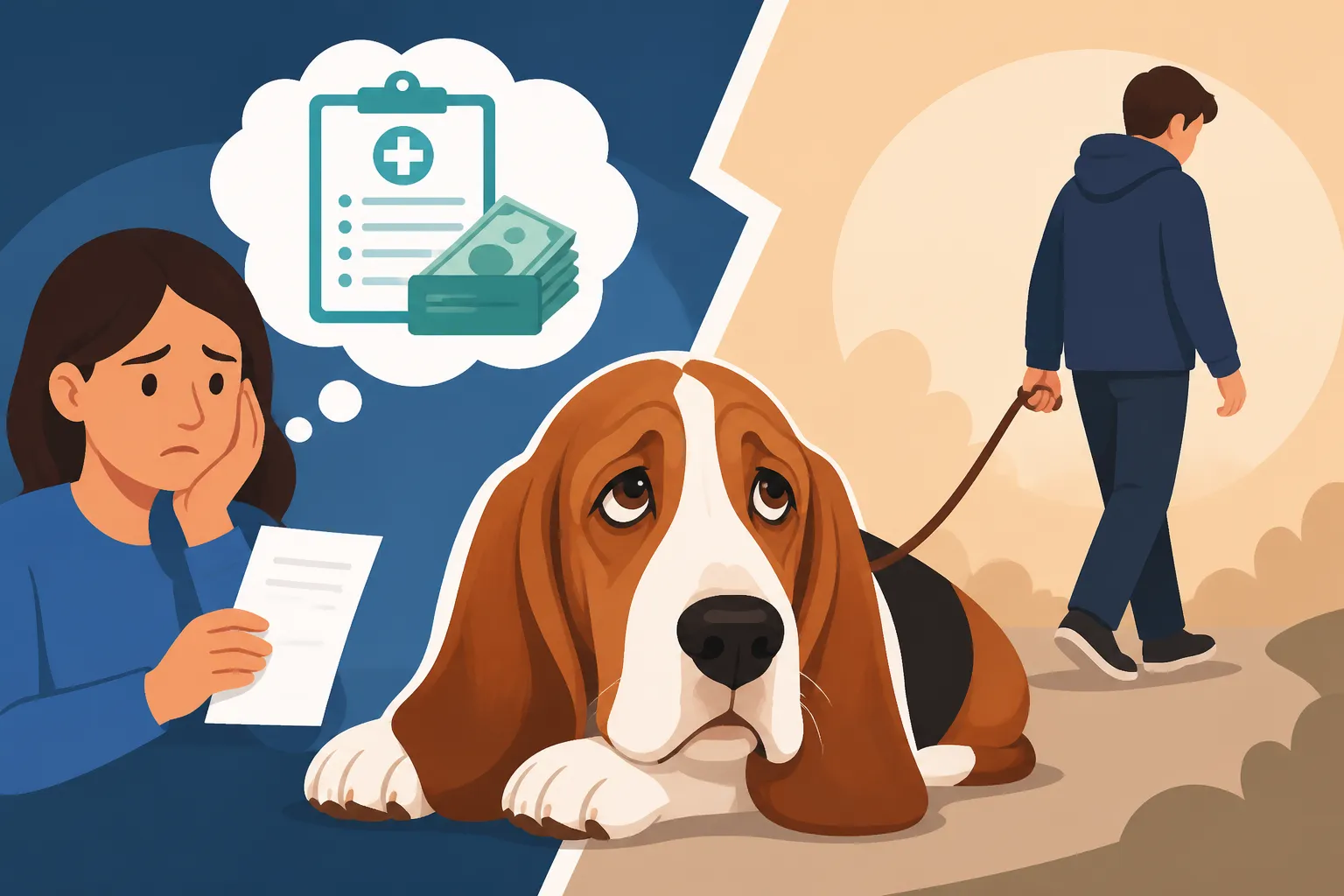
It’s easy for onlookers to say, "If you can't afford a pet, you shouldn't get one," but life happens. People lose jobs, face medical emergencies of their own, or simply find that a pet's health takes an unexpected and incredibly expensive turn. The emotional toll of being unable to afford necessary veterinary care for a beloved Basset Hound is immense. Owners often experience profound guilt, shame, and despair. They might feel like they've failed their pet, even if they've already spent thousands of dollars and exhausted every financial avenue.
Imagine your Basset Hound, the sweet, goofy companion who greets you with a wagging tail every day, is in pain, and the veterinarian is offering a treatment plan that costs more than your monthly salary. The desperation, the sleepless nights spent agonizing over what to do, the crushing weight of knowing you might have to choose between your dog's well-being and your family's financial stability—these are very real, very raw experiences. It’s a situation where love isn't enough, and that realization can be truly devastating. This emotional burden can be as debilitating as the financial one, leading to intense feelings of helplessness and isolation.
Exploring Alternatives to Rehoming
When faced with impossible vet bills, rehoming a Basset Hound is usually the absolute last resort, a decision born of profound heartbreak and desperation. Before reaching that point, there are often other avenues to explore, and a strong support system can make all the difference.
One crucial step is open and honest communication with your veterinarian. Explain your financial limitations. Sometimes, vets can offer alternative, less expensive treatment protocols, recommend charity organizations that provide financial aid for veterinary care, or suggest a payment plan. Don't be afraid to ask for a detailed breakdown of costs and discuss options. Additionally, many breed-specific rescues, including Basset Hound rescues, have funds specifically set aside to help owners with urgent medical expenses, or they might be able to offer guidance on low-cost clinics or specialists. Organizations focused on helping pet owners in financial distress, like The Pet Fund or RedRover, can sometimes provide grants. Reaching out to friends, family, or even online crowdfunding platforms can also be a viable option for a community to rally around a beloved pet. The goal is always to keep the Basset Hound in its loving home, and exploring every possible resource before considering rehoming can help owners find solutions during incredibly difficult times. Why Basset Hounds Reach Rescue in Middle Age often points to the accumulation of age-related health issues and associated costs.
Sometimes, the unfortunate truth is that a Basset Hound's specific health needs, particularly chronic issues like recurring ear infections or progressive orthopedic problems, can require ongoing financial commitments that simply exceed an owner's capacity. While every owner strives to provide the best, the reality is that the significant vet bills associated with these distinct Basset Hound health challenges are indeed a major contributing factor to why some of these wonderful dogs regrettably end up in rescue.
Here's a quick overview of some common Basset Hound health issues and their potential cost implications:
| Health Issue | Typical Costs (General Shape) | Frequency of Vet Visits | Management Approach |
|---|---|---|---|
| Chronic Ear Infections | Repeated exams, medications, cultures; potentially surgery | Frequent initially, then ongoing for maintenance | Daily cleaning, drops; possibly diet change or surgery |
| IVDD / Back Problems | Diagnostics (X-rays, MRI), surgery, physical therapy, pain meds | Urgent emergencies, then regular follow-ups | Strict rest, pain management, surgery, rehabilitation |
| Glaucoma | Lifelong eye drops, pressure checks; potential surgery/eye removal | Regular checks, urgent for flare-ups | Daily medication, specialist visits |
| Elbow Dysplasia/Arthritis | X-rays, pain meds, supplements, physical therapy, sometimes surgery | Regular check-ups, flare-up visits | Weight management, joint supplements, anti-inflammatories |
| Skin Fold Infections | Topical creams, antibiotics, medicated wipes, sometimes allergy tests | As needed for flare-ups, preventative cleaning daily | Regular cleaning, drying; sometimes allergy medication |
| Dental Disease | Dental cleanings (anesthesia), extractions, antibiotics | Annual check-ups, as needed for issues | Regular brushing, dental chews, professional cleaning |
Disclaimer
This article is for general informational purposes only and does not constitute professional advice. Laws, prices and regulations vary by location and change over time. Consult a qualified professional for guidance on your specific situation.