What a Basset Hound Deposit Runs
Bringing a new Basset Hound puppy home is an incredibly exciting prospect, but the journey to that wagging tail and soulful gaze often starts with a rather confusing financial step: the deposit. It’s easy to feel overwhelmed by the costs and procedures involved, wondering if you're making the right move or if you're being asked for too much too soon. This guide is here to walk you through everything you need to know about what a Basset Hound deposit runs, why breeders ask for one, and how to protect yourself during the process, ensuring you feel confident and informed every step of the way.
Understanding the Purpose of a Puppy Deposit
When you're eager to welcome a floppy-eared Basset Hound into your family, the idea of handing over money before you even see your specific puppy can feel a bit strange, even unnerving. However, a deposit serves several crucial roles for both you and the reputable breeder, acting as a binding agreement and a sign of serious intent. It’s not just about the money; it’s about establishing commitment.
Securing Your Future Companion
Let's be real, Basset Hounds are adored for their charming personalities and distinctive looks. Good breeders often have waiting lists, sometimes quite long ones, for their puppies. Imagine a breeder spending hours talking to prospective families, answering countless questions, and then having people simply disappear when the puppies arrive. It’s a huge waste of their valuable time and resources. This is where the deposit comes in.
By placing a deposit, you are essentially reserving your place in line for a future litter or a specific puppy. This demonstrates to the breeder that you are truly committed to getting a Basset Hound from them, and it gives you peace of mind that your spot is secured. It transforms a casual inquiry into a tangible agreement, allowing the breeder to plan their litters and puppy placements with more certainty. This mutual commitment ensures that neither party is left in the lurch, and it’s a standard practice in the world of responsible dog breeding.
Covering Initial Breeder Costs
Breeding Basset Hounds responsibly is a significant undertaking, involving far more than just letting two dogs mate. There are substantial upfront costs and continuous expenses that a reputable breeder incurs long before puppies are even conceived, let alone ready for their new homes. These costs begin with ensuring the health of the parent dogs.
Before breeding, responsible Basset Hound breeders invest in extensive health testing for conditions common to the breed, such as elbow dysplasia and glaucoma. This can involve expensive vet visits, specialized screenings, and certifications. Then there’s the cost of quality nutrition for the pregnant mother, potential veterinary care during pregnancy and birth, and aftercare for both mom and puppies. Even advertising and communicating with prospective buyers, performing thorough interviews, and maintaining a clean, safe environment for the puppies are all time-consuming and often costly endeavors. A deposit helps to offset these initial, non-refundable expenses and demonstrates that the buyer values the significant investment the breeder makes in producing healthy, well-socialized puppies. If a potential buyer backs out late in the process, that deposit helps ensure the breeder isn't left financially burdened by their commitment to the litter.
Typical Basset Hound Deposit Amounts
So, you're ready to commit and find your furry, long-eared friend, but what can you actually expect to pay for that initial deposit? This is often where people get a little lost, as there isn't one universal price tag. The amount can vary widely based on several factors, and it’s important to understand why.
Price Ranges and Influencing Factors
Generally speaking, a deposit for a Basset Hound puppy from a reputable breeder in the United States typically runs anywhere from $200 to $500. However, some breeders, especially those with highly sought-after lines, extensive health clearances, or significant show or working titles, might ask for a deposit closer to $700 or even occasionally up to $1,000. It’s important to remember that this deposit amount is usually subtracted from the total purchase price of the puppy, not an additional fee on top. If you're wondering, you can find a deeper dive into the overall expenses in our article on What a Basset Hound Puppy Costs From a Real Breeder.
Several factors influence the deposit amount, mirroring those that affect the overall puppy price. A breeder with a long-standing reputation for producing healthy, well-tempered Bassets, who performs all recommended health screenings like The Health Tests a Basset Hound Breeder Should Run and Whether a Basset Hound Breeder Screens for Glaucoma, and who invests heavily in early socialization, will likely ask for a higher deposit and a higher overall price. Location also plays a role; breeders in areas with a higher cost of living or strong demand might have higher deposits. Puppies with exceptional pedigrees, whose parents are champions or have proven their worth in various disciplines, will also command a premium. It’s about valuing the quality and care that goes into each litter.
How Deposits Compare to Other Breeds
When you look at the landscape of puppy deposits across various breeds, Basset Hound deposits generally fall into a pretty standard range for well-bred purebreds. They typically aren't as low as you might find for some less common or mixed breeds from less scrupulous sources, but they're also not usually at the extreme high end seen for some rare or highly specialized working breeds. For instance, a deposit for a popular toy breed might be slightly lower due to smaller litter sizes, while a large, in-demand working breed like a German Shepherd might have a comparable deposit.
The key takeaway here is that a fair deposit reflects the breeder's investment and the demand for healthy, well-bred puppies. If a breeder asks for an unusually low deposit, or no deposit at all, it can sometimes be a red flag. On the flip side, an exorbitant deposit without clear justification for the overall puppy price might also warrant further questions. Always consider the deposit in context of the total puppy price and the breeder’s practices. Our article on Whether a Cheap Basset Hound Is a Warning Sign can offer more insights into identifying potentially problematic situations. The deposit is just one piece of the financial puzzle in bringing home your new family member.
Navigating Deposit Agreements and Contracts
Okay, so you've found a breeder you love, the puppies are on the way, and you're ready to place that deposit. This isn't just a handshake deal; it needs to be a formal agreement. This is a critical step that protects both you and the breeder, laying out clear expectations and responsibilities for everyone involved.
The Importance of a Written Contract
Never, ever place a deposit without a written contract. I cannot stress this enough. A verbal agreement, no matter how friendly the breeder seems, leaves too much open to interpretation and potential misunderstanding. A good, comprehensive contract should clearly outline all the terms and conditions related to your deposit and the eventual purchase of your Basset Hound puppy.
Your contract should detail the exact amount of the deposit, whether it’s refundable or non-refundable, and under what specific circumstances either might apply. It should also specify the total purchase price of the puppy, the expected timeline for pickup, and what happens if the breeder cannot provide a puppy (e.g., small litter size, health issues with the litter). Furthermore, it should include details about the puppy's health guarantee – an incredibly important aspect covered in depth in What a Basset Hound Health Guarantee Covers. A solid contract will also likely mention responsibilities regarding spaying/neutering, microchipping, and initial veterinary checks. This isn't about distrust; it's about good business practice and ensuring both parties are on the same page, preventing heartache down the road.
Refundable vs. Non-Refundable Deposits
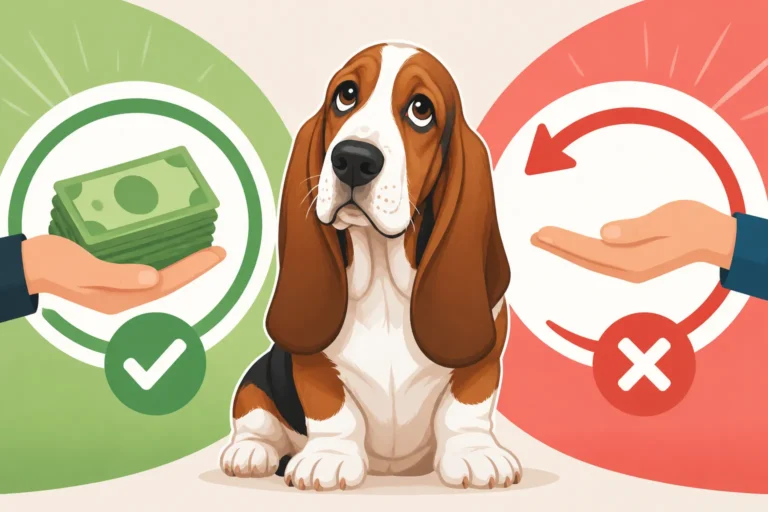
This is arguably the most crucial part of any deposit agreement, and it's where misunderstandings often arise. Most reputable Basset Hound breeders will ask for a non-refundable deposit. This isn't because they want to take your money if you change your mind; it's because their time and resources are valuable, and a deposit helps ensure serious buyers. If you back out, they’ve lost time they could have spent interviewing other potential families or holding a puppy that could have gone to someone else.
However, "non-refundable" doesn't always mean never refundable. A responsible breeder’s contract will typically specify conditions under which the deposit would be refunded or transferred. For example, if the litter doesn't happen, or if there aren't enough puppies, or if the puppy you reserved develops a significant, life-altering health issue before pickup, the breeder might offer to refund your deposit or give you the option to move it to a future litter. If the breeder cannot fulfill their end of the agreement, then a refund is usually on the table. But if you change your mind, decide a Basset Hound isn't for you, or your living situation changes, expect that deposit to be non-refundable. Always clarify these terms explicitly before you pay anything, and ensure they are written down in your contract. Understanding Whether a Basset Hound Deposit Is Refundable in detail is paramount.
| Scenario | Typical Deposit Status (Reputable Breeder) | Explanation |
|---|---|---|
| Buyer changes mind | Non-refundable | The buyer decided not to proceed with the purchase for personal reasons (e.g., new job, apartment restrictions, change of heart). The breeder has lost time and potential other buyers. |
| No litter produced | Refundable or Transferable | The breeding attempt was unsuccessful, or the female did not get pregnant. The breeder cannot provide a puppy. Many breeders will offer a full refund or the option to apply the deposit to a future litter. |
| Insufficient number of puppies | Refundable or Transferable | The litter was smaller than expected, and there aren't enough puppies for everyone on the waitlist. Similar to "no litter produced," the breeder often offers a refund or transfer option. |
| Puppy has significant health issue | Refundable or Transferable | A serious, non-correctable health issue is discovered in the reserved puppy before pickup. The breeder may offer a refund, a different puppy from the litter if available, or transfer to a future litter. This would typically be covered under the health guarantee. |
| Breeder backs out | Refundable | The breeder decides not to sell you a puppy for their own reasons (e.g., they feel you're not a good fit). They should refund your deposit in full. |
| Puppy selection criteria not met | Non-refundable | If the breeder allows puppy selection (e.g., by temperament or preference) and the available puppies do not meet your desired criteria, but are otherwise healthy and suitable, the deposit is generally non-refundable if you decline to proceed. This is why discussing preferences upfront is crucial. Whether a Basset Hound Breeder Picks the Puppy covers this. |
Red Flags and Trustworthy Breeders
The excitement of finding a potential Basset Hound puppy can sometimes cloud our judgment, making us overlook things that might be warning signs. It's so important to keep a clear head and be vigilant, because unfortunately, not everyone breeding dogs has the animals' best interests at heart. Protecting yourself from scams and irresponsible practices starts with knowing what to look for and what to avoid.
Warning Signs to Watch Out For
When it comes to deposits, some red flags are pretty glaring. First and foremost, be wary of any breeder who asks for a deposit without a proper, written contract outlining the terms. This is a huge red flag. If they're vague about refund policies or try to pressure you into paying immediately without reviewing paperwork, hit the brakes. Another warning sign is a deposit amount that seems either unusually low or excessively high without a clear, reasonable explanation. An extremely low deposit might indicate a breeder who isn't investing much into their dogs, possibly running a puppy mill or backyard operation, while a sky-high, non-negotiable deposit for an unknown puppy could be a scam.
Beyond the deposit itself, look at the overall picture. Does the breeder refuse to let you visit their premises or meet the parent dogs? That's a major no-go. Are they unwilling to answer your questions thoroughly about their breeding practices, health testing, or puppy socialization? A reputable breeder will be transparent and eager to share information. Be very cautious if they have multiple breeds available, seem to always have puppies, or push you to pick up the puppy at an unusually young age (before 8 weeks). These are all indicators that you might be dealing with an irresponsible breeder, and as we discussed in Whether a Cheap Basset Hound Is a Warning Sign, cutting corners often leads to heartache and costly issues down the line.
Identifying Reputable Basset Hound Breeders
On the flip side, identifying a truly trustworthy Basset Hound breeder isn't just about avoiding red flags; it's about actively seeking out those who go above and beyond. A good breeder will welcome your questions, and probably have a few of their own for you! They want to ensure their puppies go to loving, responsible homes. They should be transparent about their health testing protocols, proudly showing you documentation for hip and elbow clearances, eye certifications, and any other relevant tests for Basset Hounds. You want to see proof of health checks, not just hear promises.
Reputable breeders are typically active in the Basset Hound community, perhaps involved with the American Basset Hound Club, or participating in conformation shows, obedience trials, or scent work. They’ll have a long-term commitment to the breed and be happy to provide references from other puppy owners or their veterinarian. They will raise their puppies in a clean, stimulating home environment, providing early socialization, and ensuring they receive appropriate veterinary care, including initial vaccinations and deworming. They'll also be a resource for you for the lifetime of your Basset Hound, offering advice and support. When a breeder asks for a deposit, it's usually just one part of a thorough application process that ensures the best possible match between puppy and family.
What Happens After the Deposit is Placed
You’ve done your research, found a fantastic breeder, signed the contract, and placed your deposit. Congratulations! Now comes the hardest part for many new Basset Hound owners: the waiting game. But this waiting period isn't just about marking days off the calendar; it's an active time for both you and the breeder, leading up to the exciting day your new family member comes home.
The Waiting Period and Communication
Once your deposit is placed, a reputable breeder will keep you informed about the progress of the litter. This might include updates on the mother's pregnancy, photos and videos once the puppies are born, and news about their development. Expect regular, but not necessarily daily, communication. Breeders are busy caring for dogs and running their household, so they might send updates weekly or every couple of weeks. This open line of communication is vital, but remember to respect their time as well. Don’t bombard them with incessant questions; trust that they will share important milestones.
This waiting period is also when decisions about puppy selection might happen. Some breeders assign puppies based on temperament and your lifestyle, ensuring the best possible match. Others allow families to choose in the order deposits were received. Understanding How Long a Basset Hound Waitlist Runs can give you an idea of how patient you'll need to be. Use this time to prepare your home, read up on Basset Hound care, and finalize arrangements for their arrival. It’s a great opportunity to dive deeper into articles like The First Year With a Basset Hound Puppy to mentally prepare for what's ahead.
Preparing for Your Puppy's Arrival
The time between placing your deposit and bringing your Basset Hound puppy home is invaluable for preparation. This is when you can ensure your home is puppy-proofed, safe, and ready for all the delightful (and sometimes messy) adventures ahead. Start by gathering essential supplies: a comfortable bed (perhaps an orthopedic one like those discussed in What an Orthopedic Bed Costs for a Basset Hound), food and water bowls, a leash and harness, age-appropriate toys, and grooming tools.
Discuss with your breeder what food the puppies are currently eating. Many breeders recommend sticking to the same food for the first few weeks to avoid upsetting your puppy's stomach, especially during a stressful transition. Brands like Ollie, known for fresh, human-grade ingredients, or a high-quality kibble available from Chewy, can be excellent options depending on your preference and budget. You'll also want to schedule your puppy's first vet appointment within a few days of bringing them home. This initial check-up is crucial to establish a health baseline and discuss vaccination schedules. Don’t forget to research pet insurance! Companies like Healthy Paws offer various plans that can be a lifesaver if unexpected health issues arise, a topic we cover in detail in Insuring a Basset Hound Against Eyes, Ears and Backs. Taking these proactive steps ensures a smooth transition and a happy, healthy start for your new Basset Hound.
Disclaimer
As a veteran lifestyle blogger focused on Basset Hounds, the information shared in this article is based on extensive research, personal experience, and general knowledge of the breed. However, it is not a substitute for professional veterinary advice. Always consult with a qualified veterinarian or a certified dog trainer for any specific health concerns, training issues, or financial decisions related to your Basset Hound. The cost estimates provided are generalizations and can vary significantly based on location, breeder reputation, and individual circumstances.