What a Basset Hound’s First Year Costs
Bringing a Basset Hound puppy into your life is an incredibly joyful experience, but let's be honest, it also comes with a whole new set of financial considerations that many first-time owners totally underestimate. It's not just the initial adoption fee or purchase price; it's the ongoing daily, weekly, and yearly expenses that truly add up. This comprehensive guide will walk you through the realistic costs you can expect during your Basset Hound's first year, helping you budget wisely and ensure your floppy-eared companion gets the best start possible.
The Upfront Investment: Bringing Your Basset Hound Home
The moment you decide to welcome a Basset Hound into your family, you're looking at a significant initial investment. This isn't just a simple transaction; it's the foundation of your dog's health and well-being for years to come.
Initial Purchase Price or Adoption Fee
The very first cost you'll encounter is getting your Basset Hound. This can vary wildly depending on whether you're buying from a reputable breeder or adopting from a rescue organization. When you're looking at breeders, remember that a higher price often reflects the extensive health testing, quality care, and early socialization the puppies receive. These breeders are investing in screening for common Basset Hound issues like glaucoma and elbow dysplasia, which can save you significant vet bills down the line. You might find a puppy advertised for a low price, but that can sometimes be a red flag, signaling a lack of proper health clearances or a less than ideal start for the puppy. Expect to pay a fair price for a well-bred puppy, often reflecting the breeder's commitment to the breed's health and temperament.
On the other hand, adopting from a Basset Hound rescue or a general shelter can be a more budget-friendly option initially, but it comes with its own considerations. Adoption fees are typically lower and usually cover initial vaccinations, spay/neuter, and sometimes microchipping. Many rescues also make sure the dog has had a thorough veterinary check-up and address any immediate health concerns, like those pesky ear infections Basset Hounds are so prone to, before placement. While the upfront cost might be less, you might be bringing home an older dog with an unknown history, or one that has existing health issues that will need ongoing management. Both options have their merits, and the choice often comes down to personal preference and financial readiness. You can learn more about What a Basset Hound Puppy Costs From a Real Breeder or What Adopting a Basset Hound Costs.
First Vet Visits and Vaccinations
Once your new Basset Hound is home, whether puppy or adult, the vet becomes your new best friend. For a puppy, this means a series of initial check-ups and vaccinations. Puppies typically need several rounds of core vaccinations (distemper, parvovirus, adenovirus, parainfluenza) spread over a few months, plus rabies vaccination. Each visit also includes a general health check, ensuring your puppy is growing well and doesn't have any obvious congenital issues. Your vet will also discuss deworming protocols, as puppies are almost universally born with roundworms and other parasites.
For an adopted adult Basset Hound, the initial vet visit might focus on a comprehensive check-up to establish a baseline of health, update any missing vaccinations, and discuss preventative care. It’s a chance for your vet to get to know your new family member and flag any potential breed-specific concerns, like discussing The Glaucoma a Basset Hound Inherits or checking for signs of The Ear Infections That Never Really Leave a Basset Hound. These initial visits are critical for setting your dog up for a healthy first year and beyond.
Essential Supplies for a New Puppy
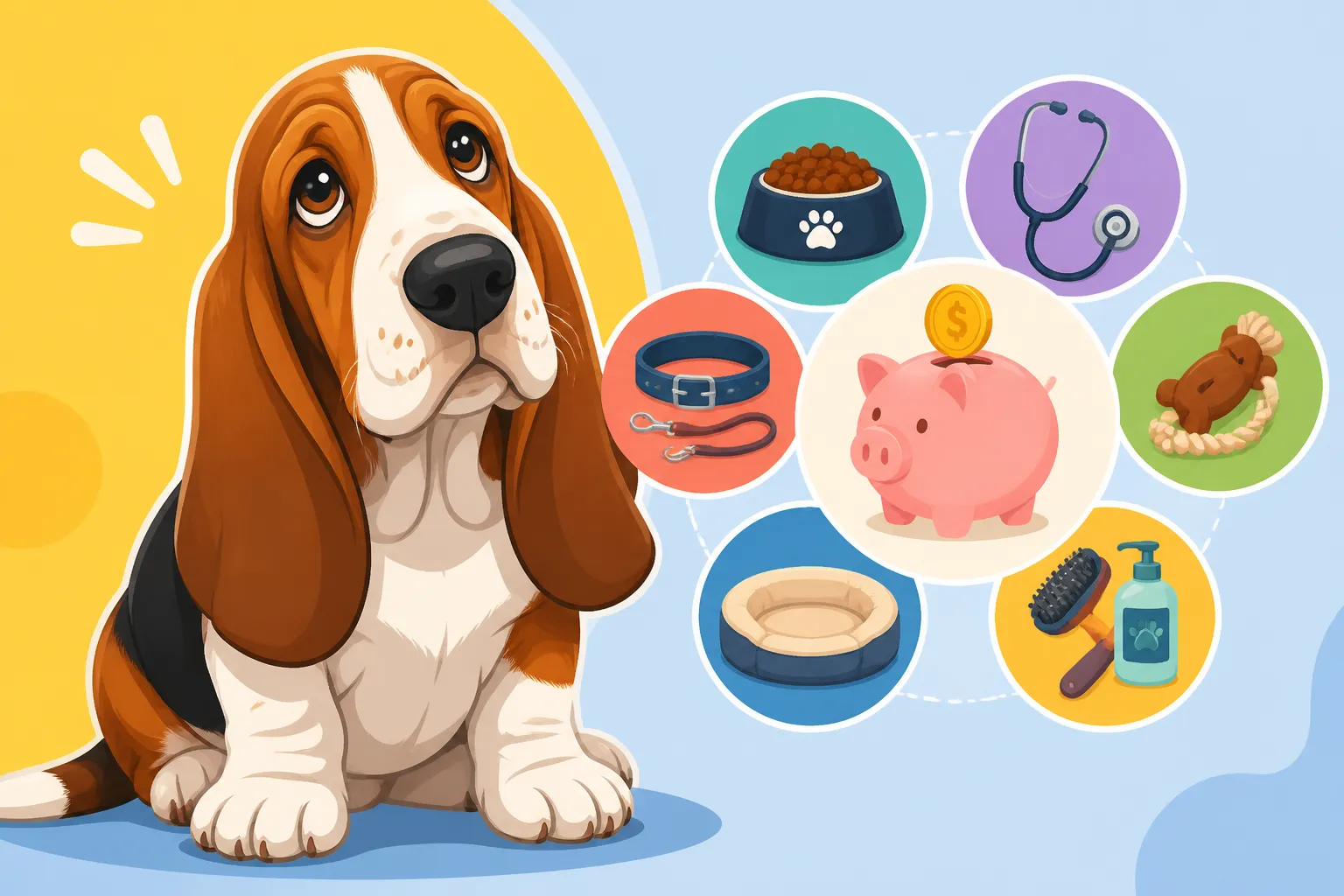
Bringing home a Basset Hound requires more than just the dog itself – you need to equip your home to be dog-friendly and safe. Start with the basics:
- Crate: A sturdy crate is invaluable for house-training and providing a safe den. Given their size, Basset Hounds need a fairly large crate.
- Food and Water Bowls: Stainless steel or ceramic bowls are often recommended for hygiene. Consider a slow-feeder bowl if your Basset Hound tends to "hoover" their food. Also, due to their long ears, you might need a narrow, deep bowl to keep those ears out of their dinner, or a What a Snood for a Basset Hound Costs.
- Collar, Harness, and Leash: A comfortable, well-fitting harness is often preferred for Basset Hounds to protect their sensitive necks and help manage their scent-driven pulling. A sturdy leash is a must.
- Bedding: An orthopedic bed is a wise investment, even for a puppy, given their predisposition to joint issues and back problems. Look for something supportive and durable.
- Toys: A variety of durable chew toys and puzzle toys will help keep your Basset Hound entertained and mentally stimulated. Puzzle toys are especially great for engaging their incredible nose.
- Grooming Supplies: Ear cleaner, dog shampoo, a brush, and nail clippers or a grinder are essential for regular maintenance.
- Baby Gates: Essential for managing a curious puppy's access to different areas of the home, especially stairs. Whether a Basset Hound Puppy Should Be Kept From Stairs is a serious consideration.
- Poop Bags & Cleaning Supplies: Accidents happen, especially with puppies. Stock up on enzymatic cleaners.
These initial supplies can represent a substantial cost, but many items, like a quality crate and orthopedic bed, are long-term investments. You can find many of these essentials from retailers like Chewy, offering a wide selection and convenient delivery.
Ongoing Monthly Expenses: Keeping Your Basset Hound Healthy and Happy
The initial setup costs are just the beginning. The real financial commitment comes with the day-to-day and month-to-month care your Basset Hound will need to thrive.
Food and Treats
Feeding a Basset Hound means fueling a fairly large, robust dog, even if they're low to the ground. The type of food you choose will significantly impact your monthly budget. High-quality kibble, often recommended by vets, can cost more upfront but can contribute to better health and fewer vet visits in the long run. Many Basset Hound owners find that their dogs do well on a diet formulated for large breeds or those with sensitive stomachs. Whether a Basset Hound Has a Sensitive Stomach is a common concern.
If you opt for fresh food diets or prescription diets (which might be necessary if your Basset develops allergies or other health conditions), those costs will be higher. Brands like Ollie offer fresh, human-grade food that can be a great option for some Basset Hounds, but it's often a premium choice. It's important to feed them the right amount to maintain a healthy weight, as What Extra Weight Does to a Basset Hound can exacerbate joint and back problems. And let's not forget treats! These are crucial for training and enrichment, but those costs can add up quickly. Factor in a budget for dental chews too, as Basset Hounds are prone to dental disease.
Preventative Healthcare
Beyond the initial vaccinations, preventative healthcare is an ongoing necessity. This includes monthly or quarterly medications for fleas, ticks, and heartworm. These parasites can cause serious health issues, and prevention is always less expensive and less stressful than treatment. Your vet will recommend the best products for your area and your dog's lifestyle.
Regular deworming may also be needed, especially if your Basset Hound spends a lot of time outdoors or has a penchant for sniffing everything on walks – which, let's face it, they do! Yearly wellness exams are also a crucial part of preventative care. These check-ups allow your vet to monitor your Basset Hound's overall health, catch any issues early, and keep their vaccinations up-to-date. They'll likely check their ears, which, as you know, are magnets for trouble. How Often a Basset Hound's Ears Must Be Cleaned is a frequent topic of discussion with Basset owners.
Grooming and Maintenance Supplies
While Basset Hounds have short coats and don't require professional grooming like some other breeds, they still need regular maintenance, especially for those iconic ears and folds.
- Ear Cleaner: This is non-negotiable. Their long, pendulous ears create a warm, moist environment perfect for yeast and bacterial infections. Daily or twice-weekly cleaning is often recommended. You'll want a good quality, vet-recommended ear cleaner. Which Ear Cleaner Suits a Basset Hound is something your vet can guide you on.
- Shampoo: Even with a short coat, Basset Hounds can get quite dirty (and sometimes a bit smelly!). Regular baths, perhaps monthly or as needed, are important. Choose a gentle, dog-specific shampoo.
- Brushes: A rubber curry brush or a shedding blade can help manage their shedding, which, despite their short fur, can be quite significant.
- Nail Clippers/Grinder: Keeping their nails trimmed is vital for their comfort and long-term joint health. If you're not comfortable doing it yourself, add a vet or groomer visit to your budget every 4-6 weeks.
- Skin Fold Wipes/Cleaner: Those adorable wrinkles on their face and neck can trap moisture and debris, leading to skin fold infections. Gentle daily wiping can prevent this. Cleaning the Folds a Basset Hound's Face Is Made Of is a critical care routine.
These supplies might seem small, but they form a consistent part of your monthly expenditure. Skipping these basic hygiene steps can quickly lead to more expensive vet visits for skin or ear infections.
Preparing for the Unexpected: Training, Insurance, and Emergencies
Beyond the predictable costs, responsible Basset Hound ownership also means preparing for the unpredictable. This includes investing in their education and having a financial safety net for health emergencies.
Training Classes and Socialization
A well-behaved Basset Hound is a joy, but their independent nature and powerful nose mean training is not just a recommendation, it's a necessity. Puppy classes are invaluable for socialization and teaching basic obedience cues. They also give you the tools to manage that incredible scent drive. Why a Basset Hound Stops Hearing You When It Smells Something is a real phenomenon you'll quickly discover! Group classes are generally more affordable than private lessons, but expect to pay for a series of sessions.
Beyond formal classes, you might consider enrolling in scent work or tracking courses. These activities tap into their natural abilities, provide mental stimulation, and can prevent boredom-related destructive behaviors. While not strictly "essential" in the same way food is, investing in good training and enrichment can prevent future costs associated with behavioral issues or escaping. Having a secure yard is also crucial, or you might find your Basset Hound wandering off on a scent adventure, which can be both terrifying and costly if they get lost.
Pet Insurance Considerations
This is where many Basset Hound owners find significant peace of mind. Given the breed's predispositions to certain health issues like ear infections, glaucoma, back problems (Intervertebral Disc Disease), and elbow dysplasia, pet insurance can be a lifesaver for unexpected vet bills. In their first year, puppies are prone to mishaps – ingesting foreign objects, falls, or puppy illnesses. A good pet insurance policy can cover a large percentage of veterinary costs for accidents, illnesses, and even some emergency surgeries.
While you'll pay a monthly premium, knowing you're financially prepared for a sudden illness or accident can reduce stress immensely. Companies like Healthy Paws offer comprehensive plans that cover various conditions. It's wise to research different providers and plans early on, as most policies have waiting periods before coverage begins, and pre-existing conditions are typically excluded. Comparing What Insuring a Basset Hound Runs Monthly will show you a range of options, but remember to look at what's actually covered.
Emergency Fund
Even with pet insurance, an emergency fund is a critical component of responsible pet ownership. Many pet insurance policies have deductibles you need to meet, or they might not cover 100% of the costs. A dedicated savings account for your Basset Hound's health can cushion the blow of unforeseen expenses. This could be anything from an emergency vet visit for an upset stomach to an unexpected surgery.
Consider what a serious emergency could cost. For example, What Back Surgery Costs a Basset Hound Owner can be thousands of dollars, a figure that can cause immense financial strain if you're not prepared. Having these funds readily available means you can make decisions based on your Basset Hound's best interest, rather than your wallet. Even setting aside a small amount each month can build up quickly.
The Hidden Costs: Time and Lifestyle Adjustments
Some of the most significant "costs" of owning a Basset Hound aren't always monetary. They involve adjustments to your lifestyle and investments of your time and energy. However, some of these lifestyle costs can indirectly lead to financial ones if not managed.
Damage and Replacements
Puppies, especially Basset Hound puppies, explore the world with their mouths. This means furniture, shoes, rugs, and anything within reach can become a chew toy. While good training and appropriate chew toys can mitigate this, expect some level of wear and tear or outright destruction in the first year. Replacing a chewed-up chair leg or a stained rug can add unexpected costs. Investing in durable, dog-proof items where possible can save you money in the long run.
Moreover, Basset Hounds are known for their keen sense of smell and their determination to follow it. This can lead to digging under fences or squeezing through small gaps, potentially causing damage to your property or requiring costly repairs to secure your yard. How High a Fence a Basset Hound Needs is often a question new owners ponder, and the answer is usually "higher than you think they can jump" – or, more accurately, "more secure than you think they can dig under."
Boarding, Daycare, and Dog Walking
Your Basset Hound will become a central part of your life, but there will be times when you can't be with them. If you travel, you'll need to budget for boarding kennels or a pet sitter. While Basset Hounds are generally mellow indoors, they do thrive on companionship and routine. How Long a Basset Hound Can Be Left Alone is a common concern for working owners.
For those with demanding work schedules, doggy daycare can provide much-needed socialization and exercise, especially for a young Basset Hound. Alternatively, a regular dog walker can ensure your Basset gets their necessary outdoor time and sniffing adventures during the day. These services can add a substantial recurring cost, but they are often essential for maintaining your Basset Hound's well-being and preventing boredom-induced behaviors that could lead to destruction.
Here’s a snapshot of potential first-year costs:
| Category | Estimated Cost Range (First Year) | Notes |
|---|---|---|
| Initial Acquisition | ||
| Puppy Price / Adoption Fee | Varies widely | Lower for rescues (often covers initial vet care), higher for reputable breeders (includes health testing). |
| Initial Setup | ||
| Vet Visits (Puppy Shots, Check-ups, Deworming) | Substantial | Multiple visits over first few months. Adult adoption might be fewer but more extensive initial checks. |
| Crate | Moderate | Invest in a large, durable crate. |
| Food/Water Bowls | Low to Moderate | Stainless steel or ceramic recommended; consider slow feeder or Basset-specific bowls. |
| Collar, Harness, Leash | Low to Moderate | Harness often better for Basset Hounds to protect necks. |
| Bedding | Moderate to High | Orthopedic bed is a wise long-term investment. |
| Toys | Low to Moderate | Durable chew toys and puzzle toys are key. |
| Grooming Supplies | Low to Moderate | Ear cleaner, shampoo, brushes, nail clippers. |
| Baby Gates | Low to Moderate | Essential for managing puppy access and protecting them from stairs. |
| Ongoing Monthly | ||
| Food and Treats | Moderate to High | Varies by brand, type (kibble, fresh), and your Basset's appetite. How Much Food an Adult Basset Hound Eats Monthly is important to track. |
| Preventative Meds (Flea/Tick/Heartworm) | Moderate | Essential monthly or quarterly medications. |
| Contingencies/Optional | ||
| Training Classes | Moderate to High | Puppy kindergarten, obedience, or scent work classes. |
| Pet Insurance Premiums | Moderate | Monthly cost, but can save thousands in emergency vet bills. |
| Emergency Fund | High (Recommended Savings) | Essential for deductibles, exclusions, or unexpected major health issues. Consider setting aside a significant sum. |
| Boarding/Daycare/Walkers | Varies widely | Dependent on your lifestyle and needs. |
| Replacements (chewed items) | Low to High | Can be minimal with good training, or significant if your puppy is a super chewer. |
The first year with a Basset Hound is an incredible journey, full of wagging tails, happy bays, and endless sniffs. But it’s also a year that requires a significant financial commitment. By understanding these costs upfront, from the adoption fee to food, vet care, supplies, and preparing for the unexpected, you can ensure you’re ready to provide a loving, healthy, and financially secure home for your new best friend. It truly costs more than people expect, but for many Basset Hound owners, every single penny is worth it for the love and companionship these wonderful hounds bring into their lives.
Disclaimer
This article is for general informational purposes only and does not constitute professional advice. Laws, prices and regulations vary by location and change over time. Consult a qualified professional for guidance on your specific situation.