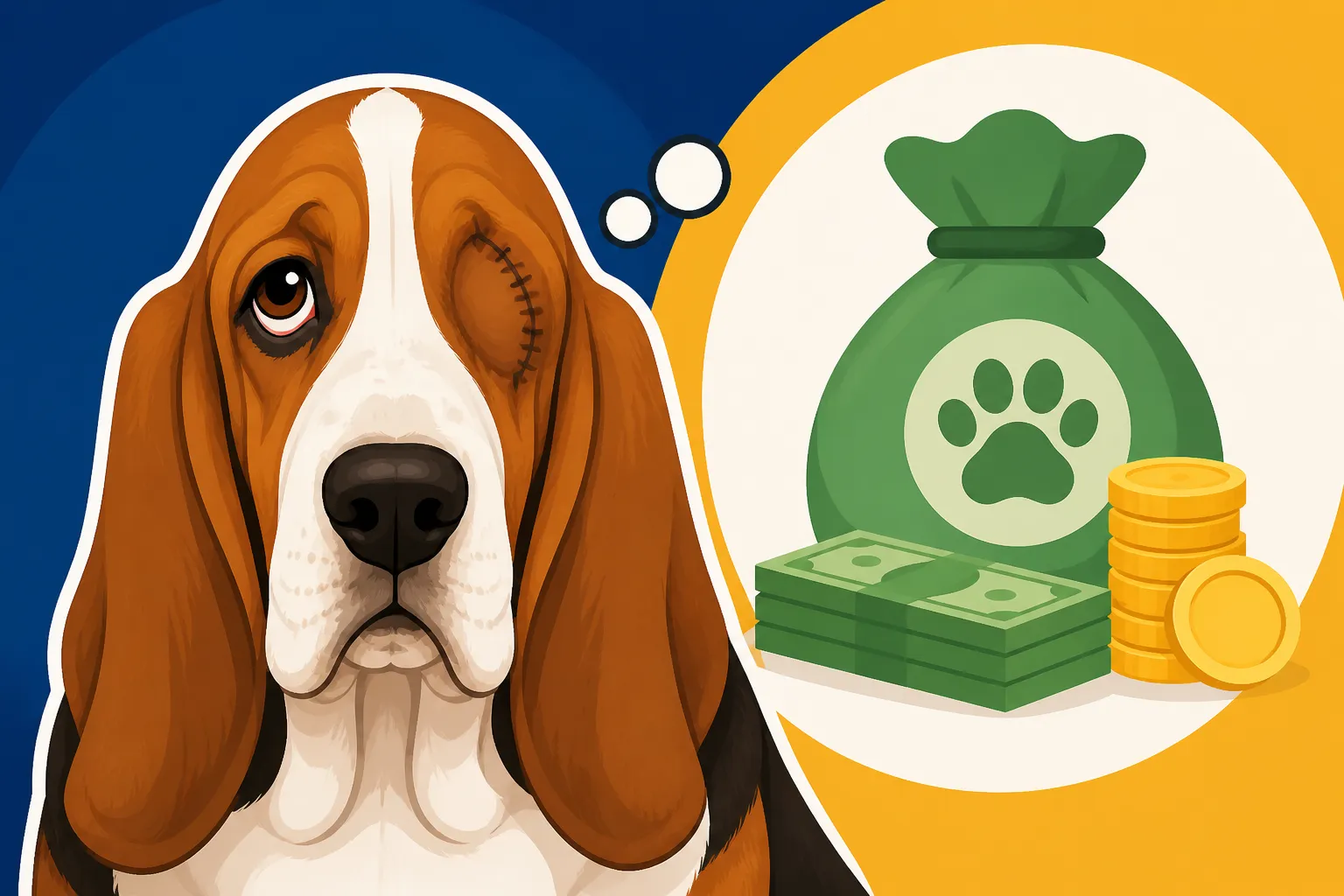
What Removing a Basset Hound’s Eye Costs
Facing the devastating news that your beloved Basset Hound might need an eye removed is an incredibly tough pill to swallow. It's not just the emotional toll of seeing your goofy, loyal companion go through such a drastic change; it's also the daunting question of what this complex surgery and subsequent care will actually cost. This guide aims to thoroughly break down the financial considerations involved when your Basset Hound needs an enucleation, helping you prepare for the road ahead.
Understanding the Medical Reasons Behind Eye Removal
When a veterinarian recommends eye removal, or enucleation, it's never a decision made lightly. It almost always means your Basset Hound is in significant pain or suffering from a condition that severely compromises their quality of life, and all other avenues of treatment have been exhausted or deemed ineffective. For us Basset Hound parents, that low-slung, expressive face is part of their charm, and the thought of altering it can be heartbreaking, but prioritizing their comfort is always paramount.
When Eye Removal Becomes Necessary
The primary reason for eye removal is often intractable pain. Imagine living with a constant, severe headache that never goes away; that's often what our dogs experience with certain eye conditions. One of the most common culprits for Basset Hounds is severe, uncontrollable glaucoma. This agonizing condition, where pressure builds up inside the eye, can quickly lead to permanent blindness and unbearable discomfort. While initially eye drops might manage the pressure, over time, the eye can become irreversibly damaged and painful, making enucleation the kindest option. You might find yourself researching The Glaucoma a Basset Hound Inherits long before reaching this stage.
Beyond glaucoma, severe trauma can necessitate eye removal. A puncture wound, a deep scratch that becomes infected, or even an accidental impact that irreparably damages the eyeball can sometimes be beyond repair, especially if infection sets in. In such cases, removing the eye prevents the spread of infection and alleviates immediate pain. Lastly, aggressive tumors within or around the eye can also be a reason for enucleation. If a tumor is growing rapidly or is malignant, removing the entire eye might be the best chance to prevent it from spreading to other parts of the body, potentially saving your Basset Hound's life. It's a drastic measure, but one often taken to preserve their overall health and longevity.
The Diagnosis Process Leading to Eye Removal
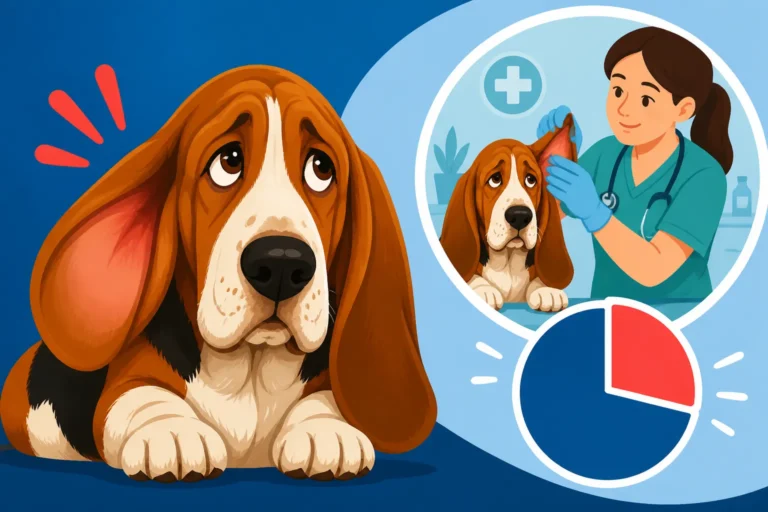
Before any talk of eye removal, there's usually a comprehensive diagnostic journey. It often starts with a trip to your regular veterinarian because you've noticed something amiss – perhaps your Basset Hound is pawing at their eye, it looks cloudy or red, or they're squinting. Your vet will conduct a thorough eye exam, which might include measuring intraocular pressure (tonometry), checking for ulcers with a fluorescein stain, and evaluating tear production. If the condition is complex, or if glaucoma is suspected, a referral to a veterinary ophthalmologist is common.
The ophthalmologist will then perform more specialized tests. This might involve an ocular ultrasound to look inside the eye for retinal detachment or tumors, especially if the cornea is too cloudy to see through. Blood work will almost certainly be done to ensure your Basset Hound is healthy enough for anesthesia and surgery, checking kidney and liver function, and ruling out any underlying systemic issues that could complicate recovery. The decision for enucleation typically comes after multiple examinations, attempted medical treatments, and a frank discussion about the prognosis and your Basset Hound's ongoing quality of life. It’s a process designed to ensure that eye removal is truly the last and best option for their well-being.
Breaking Down the Costs of Enucleation Surgery
It's natural to feel overwhelmed by the thought of a major surgery for your Basset Hound, and the financial aspect can add a layer of stress. When we talk about the cost of eye removal, it's rarely a single, flat fee. Instead, it's a culmination of several distinct charges, each contributing to the overall expenditure. Understanding these components can help you prepare and budget, even if the exact figures vary widely depending on location and clinic.
Pre-Operative Assessments and Consultations
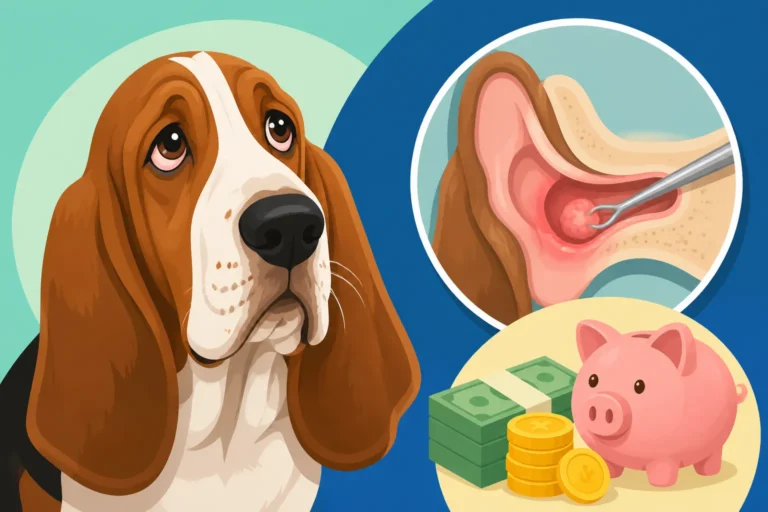
Before your Basset Hound even steps into the operating room, there's a significant investment in diagnostics and consultations. This phase is crucial for ensuring your dog is a good candidate for surgery and for planning the procedure safely. It starts with initial examinations, either at your primary vet or with a specialist. These consultations involve the vet assessing the eye's condition, discussing the history, and outlining potential treatments or the necessity of surgery. Each visit incurs a fee, and if you're seeing a specialist, those fees are typically higher.
Then come the diagnostic tests. As mentioned, blood work is essential to assess organ function and ensure there are no hidden issues that could make anesthesia risky. This can include a complete blood count (CBC) and a chemistry panel. Depending on the suspected underlying cause for the eye issue, additional tests like an ocular ultrasound or even X-rays to check for tumor metastasis might be needed. Each of these tests adds to the total pre-operative cost. If you're consulting with a board-certified veterinary ophthalmologist, their specialized expertise and the advanced equipment they use will also be reflected in the consultation and diagnostic fees. These initial steps are fundamental to a successful and safe surgical outcome for your Basset Hound.
The Surgical Procedure Itself
The actual enucleation surgery is, understandably, the largest component of the total cost. This fee encompasses several critical elements that ensure a safe and sterile procedure. The surgical fee typically includes the time and skill of the veterinary surgeon, the use of the operating room, and all the necessary surgical instruments and supplies. It's a complex procedure that requires precision, especially in closing the socket to prevent future complications and maintain comfort.
A major part of this cost is anesthesia. Administering and monitoring anesthesia in animals is a delicate process, especially for breeds like the Basset Hound who can have unique anatomical considerations. This includes the cost of the anesthetic drugs, the equipment used to monitor vital signs (heart rate, respiration, blood pressure, oxygen saturation, temperature) throughout the surgery, and the dedicated veterinary technician who often monitors your Basset Hound exclusively during the procedure. Post-operative pain management, including injectable pain medications given immediately after surgery, is also usually factored into the surgical fee, ensuring your Basset Hound wakes up as comfortably as possible. This comprehensive approach ensures that the surgery is not only effective but also as safe and pain-free as possible for your beloved companion.
Post-Operative Care and Medication
The care doesn't stop once the surgery is over. The post-operative period is vital for proper healing and to prevent complications, and it comes with its own set of expenses. This includes the initial hospital stay, which might be overnight, allowing veterinary staff to monitor your Basset Hound for any immediate post-surgical issues, manage their pain effectively, and ensure they are recovering well from anesthesia. This observational period ensures they are stable before heading home.
Once your Basset Hound is home, you'll have a regimen of medications to administer. This typically includes oral pain relievers to keep them comfortable for several days, and antibiotics to prevent infection at the surgical site. You'll also likely need an Elizabethan collar (the "cone of shame") to prevent your Basset Hound from pawing at the incision, which is critical for healing but might require an extra purchase if the clinic doesn't provide one or it's not the right fit. Follow-up appointments are also standard. Your vet will want to check the incision site, remove sutures if necessary, and ensure everything is healing as it should. These check-ups are essential to catch any potential complications early and ensure your Basset Hound's smooth recovery. You might find yourself ordering some new soft cones or recovery collars from retailers like Chewy to make your dog more comfortable during this time.
Factors Influencing the Total Cost
The sticker shock of veterinary bills for a major procedure like eye removal can be significant, and it's frustrating that there isn't one universal price. The reality is that several variables play a big role in how much you'll ultimately pay. Understanding these factors can help manage expectations and explore options for your Basset Hound's care.
Geographical Location and Clinic Type
Just like human healthcare, veterinary costs can vary dramatically depending on where you live. In densely populated urban areas or regions with a higher cost of living, veterinary practices often have higher overheads – rent, staff wages, utilities – which translate to higher service fees. A similar procedure in a sprawling city might cost considerably more than in a rural town. This isn't just about location; the type of clinic also plays a huge part.
An emergency veterinary hospital, operating 24/7 with specialized equipment and emergency-trained staff, will generally charge more than your local general practice. Similarly, a specialty referral center with board-certified ophthalmologists and state-of-the-art facilities will naturally have higher fees than a standard vet clinic. While a specialist may offer the highest level of expertise for a complex case, their services come at a premium. It's always worth discussing these options with your primary veterinarian to determine the best balance of care and cost for your Basset Hound's specific situation.
Severity of the Condition and Additional Complications
The initial condition that necessitates eye removal profoundly impacts the cost. A straightforward enucleation due to irreparable trauma in an otherwise healthy Basset Hound might be simpler and thus less expensive than removing an eye severely compromised by an advanced, chronic condition like aggressive glaucoma or a large, invasive tumor. If the eye has been painful for a long time, there might be secondary infections or inflammation that require more intensive pre-operative stabilization or longer post-operative care. Whether a Basset Hound Needs Lifelong Ear Medication can sometimes feel similar to eye issues – the longer a chronic issue persists, the more complex and costly treatment can become.
Moreover, unforeseen complications during or after surgery can add significantly to the bill. While vets take every precaution, surgery always carries risks. Complications such as excessive bleeding, an adverse reaction to anesthesia, or post-operative infection would require additional medical intervention, medications, extended hospitalization, or even further procedures. Each of these steps, while necessary for your Basset Hound's recovery, will contribute to the total expenditure. This is why having a buffer in your budget or discussing potential complication costs upfront with your vet is always a good idea.
Anesthesia and Monitoring Protocols
The quality and intensity of anesthesia and patient monitoring during surgery are critical for your Basset Hound's safety and therefore contribute significantly to the overall cost. It’s not just about giving a drug; it’s about carefully managing your dog's physiological responses throughout the entire procedure. A higher standard of care often means using more advanced anesthetic agents, which can be more expensive but may offer a smoother recovery and fewer side effects.
Furthermore, comprehensive monitoring goes beyond just listening to a heartbeat. It involves equipment that tracks blood pressure, oxygen saturation, carbon dioxide levels, electrocardiogram (ECG) for heart rhythm, and body temperature. Having a dedicated veterinary technician whose sole job is to monitor your Basset Hound's vital signs and adjust anesthesia as needed throughout the surgery adds another layer of safety and expertise, reflecting in the cost. For older Basset Hounds, or those with underlying health issues, more intensive monitoring and specialized anesthetic protocols are often employed, further increasing this particular component of the bill. It's an investment in minimizing risk and maximizing a safe outcome.
Insurance Coverage and Financial Aid
Navigating unexpected veterinary costs can be incredibly stressful, and this is where pet insurance can be a huge relief. If you have a pet insurance policy, especially one that covers accidents and illnesses, a significant portion of the eye removal costs might be reimbursed. Companies like Healthy Paws are popular choices, and many owners find peace of mind knowing they have a safety net for major veterinary expenses. However, it's crucial to understand your policy's specifics: deductibles, reimbursement percentages, and exclusions for pre-existing conditions. If your Basset Hound developed glaucoma years ago, it might be considered pre-existing and therefore not covered. Checking Whether Glaucoma Is Covered on a Basset Hound Policy could be very important.
For those without insurance or facing costs beyond their coverage, there are other avenues for financial assistance. Many veterinary clinics offer payment plans or work with third-party financing options that allow you to spread the cost over time. Charitable organizations or breed-specific rescues sometimes offer grants for emergency or critical care, particularly for Basset Hounds in need. Don't hesitate to openly discuss your financial concerns with your veterinary team; they often have resources or suggestions to help you manage the costs and ensure your Basset Hound gets the care they need.
Life After Eye Removal: Ongoing Care and Considerations
The decision to remove an eye is a momentous one, and once the surgery is done, a new chapter begins for both you and your Basset Hound. The focus shifts from the immediate medical crisis to ensuring a smooth recovery and helping your furry friend adapt to their new way of seeing the world. It’s a journey that requires patience, understanding, and continued attention to their needs.
Adjusting to Life with One Eye
Believe it or not, dogs are remarkably resilient and adapt incredibly well to life with one eye. While initially there will be an adjustment period where their depth perception is affected, most Basset Hounds learn to compensate quickly. They might bump into things on their blind side or misjudge jumps for a short while, but their other senses, especially their incredible nose and keen hearing, will step up to fill the gap. You might even want to help them engage their nose with activities like those discussed in Giving a Basset Hound's Nose Something to Do.
Your role as an owner is crucial during this transition. Keep your home environment consistent and avoid moving furniture around unnecessarily. Approach your Basset Hound from their seeing side to avoid startling them, and use verbal cues more frequently to alert them to your presence or impending movements. For instance, when offering treats, approach from the side with their remaining eye. Patience is key; celebrate their small victories and reassure them with plenty of affection. With your support, your Basset Hound will soon be navigating their world with confidence, proving that one eye is truly enough for their joyful spirit.
Long-Term Follow-Up and Potential Expenses
While the major surgery is over, ongoing care remains important. Regular veterinary check-ups are essential to monitor the remaining eye for any signs of trouble, especially if the original condition (like glaucoma) could affect both eyes. Your vet might recommend routine eye pressure checks or other preventative measures for the remaining eye. These check-ups will incur standard consultation fees.
In some rare cases, owners might consider an ocular prosthesis (a fake eye) for cosmetic reasons, though this is less common with Basset Hounds due to their deep-set eyes and the success of the surgical closure. If you were to explore this, it would involve additional surgical procedures and specialist costs. More commonly, the focus is on practical adjustments. This might include investing in special feeding bowls that are wider and shallower to prevent their long ears from dragging, or even a snood to keep those magnificent ears out of their food and water. You can find many practical items like these, from orthopedic beds to specialized bowls, on sites like Chewy. These aren't always immediate costs but can arise as you discover what best suits your Basset Hound's new needs.
Diet and Overall Well-being
Maintaining your Basset Hound's overall health through proper nutrition is always important, but it takes on added significance during recovery and adaptation. A balanced, high-quality diet provides the necessary nutrients for healing and can boost their immune system. Ensure they're getting enough protein for tissue repair and omega-3 fatty acids, which can support overall eye health and reduce inflammation. Some Basset Hound owners find that switching to a fresh food diet, like those offered by Ollie, can provide highly palatable and nutrient-dense meals that aid recovery and maintain optimal health.
Keeping your Basset Hound at a healthy weight is also crucial, especially with their unique conformation. Extra weight puts unnecessary strain on their joints and overall body, which can hinder recovery or exacerbate other health issues. Encouraging gentle, consistent exercise as they heal will help them stay fit. Remember that an active mind is as important as an active body; continue to engage their incredible sense of smell with scent games or puzzle toys, as this will be a primary way they interact with their world. A healthy lifestyle provides the best foundation for your one-eyed wonder to thrive.
| Cost Component | Description | Typical Range (Relative) |
|---|---|---|
| Pre-Operative Diagnostics | Initial exams, blood work, ocular ultrasound, specialist consultations. | Moderate to High |
| Anesthesia & Monitoring | Anesthetic drugs, monitoring equipment, dedicated technician. | Moderate to High |
| Surgical Fee | Surgeon's time, operating room use, surgical supplies. | High |
| Hospitalization | Post-op observation, pain management in clinic. | Low to Moderate (per day) |
| Post-Operative Medications | Oral pain relief, antibiotics, anti-inflammatory drugs. | Low |
| Recovery Collar/Cone | Elizabethan collar to prevent licking/pawing at incision. | Low |
| Follow-Up Appointments | Incision checks, suture removal. | Low to Moderate (per visit) |
| Potential Complications | Treatment for infection, adverse reactions, additional procedures. | Variable (can be very high) |
| Long-Term Monitoring | Regular checks of the remaining eye. | Low (per visit) |
Disclaimer
This article is for general informational purposes only and does not constitute professional advice. Laws, prices and regulations vary by location and change over time. Consult a qualified professional for guidance on your specific situation.