The Back Trouble a Basset Hound Is Built Into
Oh, the Basset Hound's back. It's a worry that keeps so many of us Basset parents up at night, isn't it? That long, sturdy, yet undeniably unique physique is what we adore, but it's also a constant reminder of the potential for serious back trouble that's practically "built in" to their very being. If you've ever watched your Basset struggle to get up, hesitate before jumping, or just seem a little "off," you know that gut-wrenching feeling. This guide is here to walk you through everything you need to understand about your Basset Hound's back health, from why they're prone to issues to how to prevent, recognize, and manage these challenging conditions.
Understanding the Basset Hound's Unique Back Structure
Let's be honest, part of what makes a Basset Hound so utterly charming is that unmistakable silhouette: the long body, those ridiculously short legs, and that heavy, solid bone structure. It's a look that evokes a certain old-world hound charm, but it's also a blueprint for specific orthopedic challenges. This isn't just about aesthetics; their very anatomy predisposes them to certain vulnerabilities that owners need to be acutely aware of.
The Achondroplasia Factor
The characteristic "low-slung" appearance of a Basset Hound isn't just a quirk; it's a result of a genetic condition called achondroplasia. This is a form of dwarfism that affects cartilage and bone development, specifically causing the long bones in their legs to stop growing prematurely while their spinal column continues to lengthen normally. Think of it like this: their spine grows to a length suitable for a much taller dog, but their legs remain short, creating that distinctive long-and-low profile. It's why they seem to melt into the couch and why they often appear to drag their chest when they walk – their bodies are simply much longer than their legs. This genetic trait is shared with other chondrodystrophic breeds like Dachshunds and Corgis, all of whom face similar challenges with their spinal health. This unique skeletal structure, while adorable, directly contributes to the mechanical stress placed on their vertebral column.
How Their Long Body and Short Legs Impact the Spine
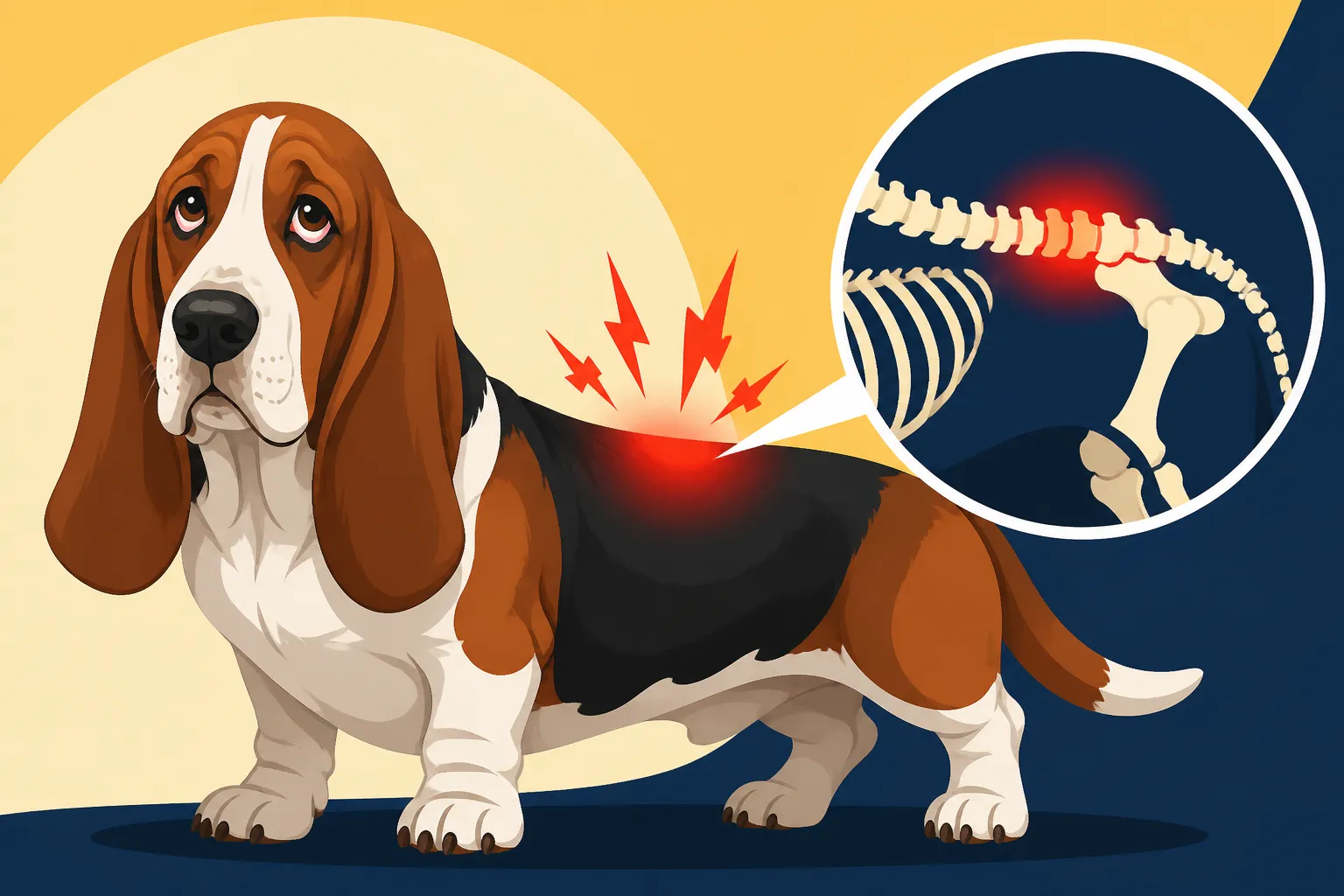
Imagine carrying a heavy load with a really long, unsupported pole. That's essentially what a Basset Hound's spine is doing every single day. Their elongated back, combined with those short, powerful legs, means there's less leverage and more strain on the intervertebral discs that cushion the vertebrae. These discs act as shock absorbers, protecting the spinal cord. In chondrodystrophic breeds like the Basset, these discs are prone to premature degeneration, a condition known as chondroid metaplasia. This means the soft, jelly-like center of the disc (nucleus pulposus) can harden and lose its elasticity much earlier than in other breeds, making it more susceptible to bulging or rupturing.
Every twist, turn, jump, or even just climbing a single stair puts immense pressure on this already compromised system. Their low center of gravity might make them seem stable, but the forces are distributed unevenly across their spine. This constant, repetitive stress, whether from daily activities or sudden movements, significantly increases the risk of disc herniation. The way they carry their weight, their deep chests, and their low-to-the-ground gait all contribute to this biomechanical imbalance, making their back a constant point of concern for any loving Basset owner. It's a stark reminder that while their appearance is part of their charm, it's also a significant health consideration.
Common Back Problems in Basset Hounds
When we talk about back trouble in Basset Hounds, it’s not usually a single, simple issue. Instead, it’s a spectrum of conditions, often stemming from that unique body architecture. Knowing what these conditions are can help you understand what your vet is talking about and what symptoms to look out for.
Intervertebral Disc Disease IVDD
This is, without a doubt, the most prevalent and often the most devastating back issue for Basset Hounds. Intervertebral Disc Disease, or IVDD, occurs when the cushioning discs between the vertebrae in the spine either bulge or rupture, pressing on the spinal cord. Because Basset Hounds have that chondrodystrophic gene, their discs undergo a process called chondroid metaplasia much earlier in life. Instead of staying soft and pliable, the disc material hardens and calcifies.
This makes the discs far less capable of absorbing shock. Even a seemingly minor jump off the couch or an awkward landing can cause one of these hardened discs to slip out of place (protrusion) or even rupture completely (extrusion). When this happens, it puts immense pressure on the delicate spinal cord, leading to pain, weakness, loss of coordination, and in severe cases, partial or complete paralysis. The symptoms can range from a reluctance to move, yelping when touched, or a hunched back, to dragging limbs or inability to stand. It’s a terrifying experience for any owner, seeing your typically robust Basset suddenly unable to use its legs. This is why understanding the early signs of IVDD in a Basset Hound is so critical.
Spondylosis Deformans
While IVDD gets a lot of the spotlight due to its acute and severe nature, spondylosis deformans is another common, often chronic, back condition seen in Basset Hounds. This is essentially a degenerative condition of the spine characterized by the formation of bony spurs, or osteophytes, along the edges of the vertebrae. These spurs are the body's attempt to stabilize areas of the spine that have become unstable due to disc degeneration or other forms of wear and tear.
Initially, spondylosis deformans is often asymptomatic. You might only discover it on X-rays taken for other reasons, and your Basset might show no signs of pain. However, as the spurs grow larger, they can sometimes bridge across the space between vertebrae, essentially fusing them. While this might sound helpful in terms of stability, these bony bridges can restrict spinal flexibility and, in some cases, impinge on nerve roots or the spinal cord itself, leading to pain, stiffness, and reduced mobility. It's more common in older Bassets, and while it doesn't typically cause the acute paralysis seen with IVDD, it can significantly contribute to chronic discomfort and a stiff gait, especially on cold or damp days. It definitely contributes to the question of The Old Basset Hound That Cannot Get Off the Floor.
Other Spinal Issues
Beyond IVDD and spondylosis, Basset Hounds can also contend with a few other less common, but equally concerning, spinal problems. One such issue is Lumbosacral Stenosis, or Cauda Equina Syndrome, which affects the very end of the spinal cord where it branches out into individual nerves in the lumbosacral region (the area where the lower back meets the pelvis). This condition occurs when something compresses these nerve roots, often due to a bulging disc, bony overgrowth, or instability in the joint. Symptoms often include pain in the lower back, difficulty jumping or climbing, lameness in one or both hind legs, and sometimes even incontinence. It can be particularly tricky to diagnose because the signs can mimic other conditions.
Another concern, though rarer, is Vertebral Malformations, where one or more vertebrae develop abnormally, leading to instability or compression of the spinal cord. This is often congenital, meaning the puppy is born with it. While not as common as IVDD in Bassets, it's something breeders should be aware of, and can sometimes contribute to a Basset Hound's uneven gait or early onset of pain. In some cases, severe elbow dysplasia, a common Basset Hound issue, can also subtly alter their gait and posture, leading to secondary back strain over time. Recognizing these less common issues often requires advanced diagnostics and a veterinarian with experience in Basset Hound specific orthopedic challenges.
Recognizing the Signs of Back Trouble
It’s heartbreaking to see your usually happy-go-lucky Basset in pain. Their stoic nature can sometimes make it difficult to pinpoint exactly what’s wrong, especially with back issues. They can't tell us in words, so we have to become experts in reading their body language and subtle cues. Catching these signs early can make all the difference in their treatment and recovery.
Subtle Early Indicators
Sometimes, back trouble doesn't hit like a sudden lightning bolt. More often, it starts with subtle changes that, as a dedicated Basset owner, you might pick up on. One of the first things you might notice is a slight reluctance to perform activities they once enjoyed. Maybe your Basset, who used to bound up the two steps to the porch, now hesitates, tries to find an easier route, or whines softly as they go. They might seem a bit stiff when getting up from a nap, especially in the mornings, or might struggle to settle into a comfortable sleeping position.
You might also observe minor shifts in their gait, perhaps a slight dragging of a paw, or just a general "awkwardness" in their movement that wasn't there before. A Basset Hound might also start holding their tail lower than usual or develop a hunched posture, especially when standing. They might flinch or yelp if you touch a specific spot on their back, even gently. Another subtle sign is changes in their eating habits or their usual desire to play; pain can make them less interested in food or toys. These aren't always definitive signs of back trouble, but they're certainly red flags that warrant a closer look and a chat with your vet. It's those little things that, when added up, paint a clearer picture of discomfort.
Acute and Severe Symptoms
While subtle changes are important, sometimes back issues manifest dramatically and acutely. This is often the case with a severe IVDD episode. The symptoms can come on suddenly, leaving you feeling helpless and panicked. A common and alarming sign is a sudden onset of intense pain, often indicated by a sharp yelp if you touch them or if they try to move. They might tremble, pant excessively, or refuse to move at all.
You might notice weakness or partial paralysis in one or both hind legs. Your Basset might drag their paws, stumble, or even be unable to stand or walk. Their coordination can be severely impaired, leading to a drunken-like gait (ataxia). In some severe cases, they might lose control of their bladder or bowels, which is a definite emergency. If you see your Basset Hound struggling to get off the floor, experiencing noticeable pain, or showing any signs of hind leg weakness or paralysis, it's absolutely critical to seek immediate veterinary attention. These aren't symptoms that can wait; prompt diagnosis and treatment can significantly impact the outcome, potentially saving them from permanent paralysis.
Behavioral Changes to Watch For
Beyond the physical signs, back pain can deeply affect a Basset Hound's personality and behavior. Remember, they can't voice their discomfort, so their behavior becomes their language. A typically friendly and outgoing Basset might become withdrawn, irritable, or even snap when approached or touched, especially if you unknowingly hit a painful spot. They might seek solitude more often, preferring to lie alone rather than interact with the family.
You might notice changes in their sleep patterns; they could struggle to get comfortable, constantly shifting, or wake up more frequently at night. Some Bassets might lose their appetite, while others might become excessively needy, constantly seeking comfort and attention. A Basset Hound with chronic pain might also groom themselves excessively at certain areas of their body, or conversely, neglect grooming if moving is too painful. Any unexplained shift in their normal routine, personality, or habits should be taken seriously. It's their way of telling you that something is wrong, and your attentive observation is their best advocate.
Diagnosing Back Problems in Your Basset Hound
When you suspect your Basset Hound has back trouble, getting an accurate diagnosis is the first and most crucial step towards finding relief for them. It can be a bit of a process, and it often involves more than just a quick look-over. You'll likely work closely with your veterinarian, and potentially specialists, to get to the bottom of what's causing their discomfort.
The Veterinary Examination
When you bring your Basset Hound to the vet with suspected back pain, the first thing they’ll do is a thorough physical and neurological examination. They’ll observe your dog's gait, posture, and how they move. This might include watching them walk, trot, and turn, looking for any signs of stiffness, weakness, or incoordination. The vet will then gently palpate (feel) along your Basset's spine, from the neck down to the tail, checking for any areas of pain, muscle spasms, or abnormal responses. They might also perform specific neurological tests, such as checking their reflexes, proprioception (their awareness of where their limbs are in space), and pain sensation in their paws. This helps to pinpoint the area of the spinal cord that might be affected and to assess the severity of the neurological deficit.
It's important to be as detailed as possible when describing the symptoms you've observed – when they started, what makes them worse or better, and any changes in your Basset’s behavior. The more information you can provide, the better equipped your vet will be to form an initial assessment and recommend the next steps. Sometimes, even after a thorough exam, the exact cause isn't immediately obvious, leading to a need for more advanced diagnostics.
Advanced Imaging: X-rays, MRI, and CT Scans
While a physical exam can tell your vet a lot, it can't show them what's happening inside the spine. This is where advanced imaging comes in. X-rays are often the first diagnostic tool used. They can show changes in bone structure, such as narrowing of disc spaces, bony spurs from spondylosis deformans, or vertebral malformations. However, X-rays don't show soft tissues like the spinal cord or the discs themselves, so they can't definitively diagnose IVDD or nerve compression. They can, however, rule out fractures or tumors.
For a precise diagnosis of IVDD and other soft tissue spinal issues, MRI (Magnetic Resonance Imaging) or CT (Computed Tomography) scans are usually required. An MRI provides highly detailed images of the spinal cord, discs, and surrounding soft tissues. It can clearly show bulging or ruptured discs, inflammation, and compression of the spinal cord, making it the gold standard for diagnosing IVDD. CT scans offer excellent bone detail and can also identify disc herniations, though they are generally less detailed for soft tissues than MRI. Both MRI and CT scans require general anesthesia, which is a consideration, especially for older or compromised Bassets. Your vet might discuss these options, outlining the benefits and risks, as they are crucial for planning the most effective treatment, especially if surgery is being considered. If you have pet insurance like Healthy Paws, it can significantly help with the cost of these advanced diagnostic procedures.
Differentiating From Other Conditions
One of the challenges in diagnosing back trouble is that many other conditions can present with similar symptoms. For instance, severe arthritis in the hips or knees can cause hind leg weakness or lameness, mimicking spinal issues. A Basset Hound's conformation, unfortunately, also makes them prone to Why One Basset Hound in Seven Has Bad Elbows, which can also affect their gait. Peripheral nerve damage, muscle strains, or even certain metabolic diseases can sometimes appear as back pain.
A thorough diagnostic workup, including blood tests, urine analysis, and potentially joint examinations, helps to rule out these other possibilities. For example, a complete blood count and biochemistry panel can check for underlying infections, inflammation, or organ dysfunction. Sometimes, a Basset Hound might even develop a paw wound or infection that causes them to limp, making them reluctant to put weight on a leg, which an owner might initially mistake for back pain. Your vet will systematically work through the possibilities to ensure that the correct diagnosis is reached, preventing unnecessary treatments or delayed intervention for the actual problem. It's a process of elimination to ensure your Basset gets the right care.
Treatment Options for Basset Hound Back Pain
Once your Basset Hound's back problem has been diagnosed, your veterinarian will discuss a range of treatment options. The approach will largely depend on the specific condition, its severity, and your Basset's overall health. It's a complex decision, and often, a combination of therapies works best to manage pain and improve quality of life.
Conservative Management
For many Basset Hounds with less severe back issues, especially those with mild IVDD or spondylosis that isn't causing severe neurological deficits, conservative management is often the first line of defense. This typically involves several key components:
- Strict Crate Rest: This is paramount. Imagine a human with a herniated disc being told to run a marathon – it's unthinkable. For a Basset, strict confinement in a crate for 2-6 weeks is essential to allow the spinal cord and disc to heal without further irritation. This means no running, jumping, stairs, or even long walks. They should only be out of the crate for potty breaks, always on a leash, and lifted carefully. This can be incredibly challenging with an active Basset, but it's crucial for success.
- Medication: Your vet will likely prescribe a combination of medications to reduce pain and inflammation. This often includes:
- Anti-inflammatory drugs: Non-steroidal anti-inflammatory drugs (NSAIDs) like carprofen (Rimadyl) or meloxicam (Metacam) are commonly used to reduce swelling and pain.
- Muscle relaxants: Medications such as methocarbamol (Robaxin) can help alleviate painful muscle spasms that often accompany spinal injuries.
- Pain relievers: Opioids or gabapentin might be prescribed for more severe pain, often in conjunction with anti-inflammatories.
- Cold Laser Therapy (Photobiomodulation): This non-invasive treatment uses specific wavelengths of light to stimulate cellular repair, reduce inflammation, and alleviate pain. Many clinics offer this, and it can be a wonderful adjunct to medication and rest, helping to speed up healing.
- Acupuncture: For some Bassets, acupuncture can provide significant pain relief by stimulating nerve points and releasing natural pain-killing endorphins. It’s a complementary therapy that many owners find helpful, especially for chronic pain.
It's vital to follow your vet's instructions precisely, especially regarding medication dosages and activity restrictions. Rushing the recovery process can lead to setbacks or worsening of the condition. Consistent monitoring and follow-up appointments are also important to assess progress and adjust the treatment plan as needed. For some Bassets, conservative management may mean they [[Need Ear Drops for Life]] for recurring ear infections, and similarly, back issues can sometimes require lifelong management.
Surgical Interventions
When conservative management isn't effective, or if your Basset Hound presents with severe neurological deficits (like paralysis or loss of bladder control) from the outset, surgery might be the best, and sometimes only, option. The goal of surgery for IVDD is to remove the herniated disc material that is compressing the spinal cord, thereby decompressing the nerves and allowing them to recover.
Common surgical procedures include:
- Hemilaminectomy: This is the most common surgery for IVDD in the thoracolumbar (mid to lower back) region. A portion of the vertebral bone is removed to expose the spinal canal and allow the surgeon to remove the herniated disc material.
- Ventral Slot: This procedure is used for disc herniations in the cervical (neck) region. A small slot is cut into the bottom of the affected vertebrae to access and remove the disc material.
Surgery carries risks, including those associated with anesthesia, infection, and potential complications from the procedure itself. The cost can also be substantial, which is where pet insurance like Healthy Paws can truly be a lifesaver. Post-operative care is just as critical as the surgery itself. This involves intensive nursing care, strict rest, pain management, and often, physical rehabilitation. Recovery can be long, often taking several weeks to months, and requires immense dedication from owners. However, for many Bassets, successful surgery can restore function and significantly improve their quality of life. The decision to pursue surgery is a serious one that should be made in close consultation with a veterinary neurologist or orthopedic surgeon.
Rehabilitation and Supportive Care
Whether your Basset Hound undergoes surgery or is managed conservatively, rehabilitation and ongoing supportive care are essential for a full recovery and long-term well-being. This isn't just about getting them through the initial crisis; it's about rebuilding strength, improving mobility, and preventing future issues.
Rehabilitation often begins once the acute pain has subsided and the vet gives the green light. A certified canine rehabilitation therapist or veterinary physiotherapist can create a tailored program that might include:
- Controlled Exercise: Gentle exercises like slow, leash-guided walks (once cleared by the vet), passive range of motion exercises, and specific stretches to improve flexibility and strength.
- Hydrotherapy: Walking on an underwater treadmill or swimming in a therapeutic pool can be incredibly beneficial. The buoyancy of the water reduces weight-bearing stress on the spine while allowing for muscle strengthening. This is particularly good for Bassets, who often enjoy being in water, and it can help if they struggle to stand.
- Massage and Therapeutic Ultrasound: These can help reduce muscle spasms, improve circulation, and promote tissue healing.
- Neuromuscular Electrical Stimulation (NMES): This uses electrical currents to stimulate muscles, helping to prevent muscle atrophy in paralyzed or weakened limbs.
Beyond formal rehabilitation, ongoing supportive care at home is vital. This includes maintaining a healthy weight to reduce spinal stress, using orthopedic beds, providing ramps for furniture and cars, and careful handling. Regular check-ups with your vet are crucial to monitor their progress and adjust their care plan. For some Bassets, ongoing joint supplements may be recommended to support overall spinal health. Remember, this journey can be long, but with dedication, many Basset Hounds can go on to live happy, comfortable lives despite their back challenges.
Preventative Measures for a Healthy Basset Back
Prevention, as they say, is better than cure, and this couldn't be truer for a Basset Hound's back. While you can't completely eliminate the genetic predisposition to back problems, there are many proactive steps you can take as an owner to significantly reduce the risk and severity of spinal issues. These measures focus on minimizing stress on their unique anatomy and promoting overall physical well-being.
Weight Management is Key
This is perhaps the single most important preventative measure for any Basset Hound. Given their long backs and short legs, any extra weight acts like a constant, crushing burden on their delicate intervertebral discs. Think of it: every additional pound puts exponential strain on their spine, accelerating disc degeneration and increasing the risk of herniation. An overweight Basset has to work harder to move, exacerbating existing joint and spinal issues.
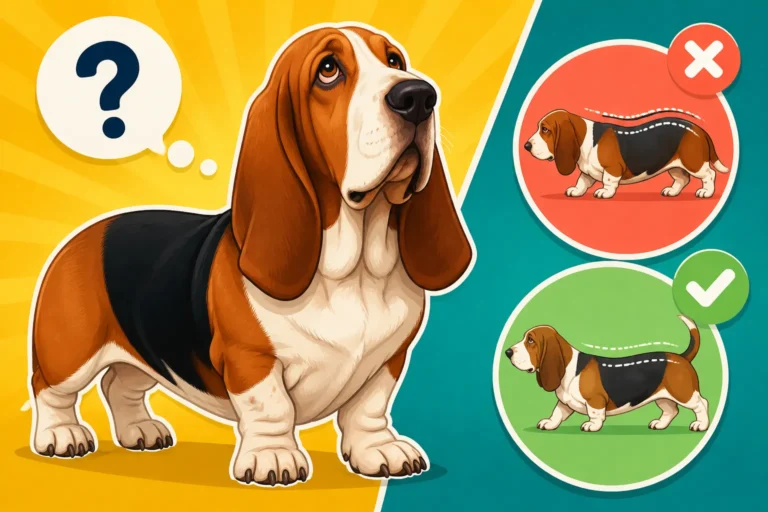
It's a common misconception that Basset Hounds are meant to be hefty. While they are solidly built, they should have a lean, muscular frame. You should be able to easily feel their ribs without pressing hard, and they should have a discernible waist when viewed from above. Managing their diet, measuring their food portions carefully, and offering healthy, low-calorie treats are crucial. Regular, moderate exercise that is low-impact, such as leash walks on flat ground, will help keep them fit without stressing their joints. If you're unsure How Much a Basset Hound Should Weigh, talk to your vet about setting an ideal target weight and creating a feeding plan. Keeping a Basset at its correct weight is a lifelong commitment, but it's one of the best gifts you can give their back.
Safe Movement and Environmental Modifications
Think about your Basset Hound's daily environment from their perspective. Every jump off the sofa, every climb up the stairs, every leap out of the car — these are all high-impact events for their spine. Modifying their environment and teaching them safe movement habits can dramatically reduce risk.
- Ramps and Stairs: Invest in ramps or doggy steps for furniture (beds, couches) and cars. Teach your Basset to use them from a young age. This eliminates sudden jolts and twisting motions that can trigger disc issues. For instance, Whether a Basset Hound Should Use a Ramp instead of jumping on and off the couch is a question every owner should seriously consider.
- Lifting Safely: When you need to lift your Basset, always support their front and back ends evenly, keeping their spine straight. Avoid lifting them solely by their front legs or under their chest, as this can put severe strain on their back. Lift them as if carrying a fragile log.
- No Jumping: Actively discourage jumping. This means no jumping for treats, no jumping on people, and certainly no jumping off high surfaces. Consistency is key here.
- Controlled Exercise: While exercise is good, high-impact activities like agility or intense fetch with sudden stops and starts should generally be avoided or carefully moderated. Stick to consistent, moderate walks on flat, even surfaces.
- Secure Harnesses: Always use a well-fitting harness rather than a neck collar, especially if your Basset tends to pull on the leash. A harness distributes pressure across their chest and shoulders, away from their neck and spine.
Making these changes isn't about coddling your Basset; it's about protecting their inherent vulnerability and ensuring they can enjoy a long, comfortable life.
Nutrition and Supplements
While a balanced, high-quality diet is fundamental for overall health, specific nutritional considerations and supplements can play a supportive role in maintaining spinal health.
- High-Quality Diet: Ensure your Basset is eating a complete and balanced diet appropriate for their life stage and activity level. Look for foods with quality protein sources and appropriate fat content. Avoid overfeeding.
- Omega-3 Fatty Acids: Supplements rich in Omega-3s, particularly EPA and DHA (found in fish oil), have natural anti-inflammatory properties. These can help reduce systemic inflammation throughout the body, including around the spinal discs.
- Joint Supplements: Glucosamine and chondroitin are popular joint supplements that are believed to help maintain cartilage health. While their efficacy for disc health specifically is debated, they can support overall joint integrity, which indirectly benefits spinal mechanics. Turmeric and MSM are other supplements sometimes used for their anti-inflammatory effects. Discuss with your vet Whether a Basset Hound Needs Joint Supplements or if it's too early for them.
- Antioxidants: Foods or supplements rich in antioxidants can help combat oxidative stress, which contributes to cellular aging and degeneration.
Always consult your veterinarian before adding any supplements to your Basset Hound's diet. They can advise on appropriate dosages and ensure there are no contraindications with other medications or existing health conditions. A proactive approach to nutrition and a supportive environment can significantly contribute to keeping your Basset Hound's back as healthy as possible throughout their life.
Living with a Basset Hound with Chronic Back Issues
When a Basset Hound develops chronic back issues, whether from recurring IVDD episodes, advanced spondylosis, or other degenerative conditions, it shifts from an acute problem to a lifestyle. As an owner, this means adapting, learning, and consistently advocating for your beloved hound's comfort and well-being. It's a journey that requires patience, dedication, and a deep well of love.
Adapting Your Home and Routine
Living with a Basset with chronic back issues requires a thoughtful reorganization of your home and a gentle modification of your daily routine. The goal is to minimize movements that could exacerbate their condition and maximize their comfort and safety.
- Non-Slip Flooring: If you have slick floors (hardwood, tile), consider laying down rugs or runners in frequently trafficked areas. Slipping and sliding can put immense strain on their back as they try to maintain balance.
- Ramps Everywhere: Those ramps we discussed for prevention become absolutely essential now. Place them strategically for access to couches, beds, and cars. Even small steps or thresholds can be tricky. You might find yourself searching for What a Ramp for the Car Costs a Basset Hound Owner to make travel easier.
- Orthopedic Beds: Invest in high-quality orthopedic dog beds that provide excellent support and pressure relief for their joints and spine. These beds prevent pressure points and offer a softer, more ergonomic resting place than standard dog beds.
- Restricted Access: Use baby gates to block access to stairs, or any areas where jumping or climbing is unavoidable and unsafe. This might feel limiting for your Basset at first, but it's for their own good.
- Feeding Bowls: Consider elevated food and water bowls. This can reduce the amount of strain on their neck and back when they eat, as they won't have to bend down as far.
- Gentle Handling: Always handle your Basset with care, especially when lifting them. Support their full body weight and ensure their spine remains as straight as possible. Avoid sudden movements or rough play.
Adapting your home isn't just about safety; it's about creating an environment where your Basset can move and rest with the least possible discomfort, allowing them to conserve energy and reduce wear and tear on their fragile spine.
Managing Pain and Quality of Life
Effective pain management is central to ensuring a good quality of life for a Basset Hound with chronic back issues. This is often a multimodal approach, combining medication with complementary therapies and regular monitoring.
- Ongoing Medication: Your vet will work with you to establish a long-term pain management plan. This might involve daily NSAIDs, gabapentin, or other nerve pain medications. It's crucial to understand the medications, their dosages, and potential side effects, especially with long-term use. Regular vet check-ups will monitor organ function, particularly with NSAIDs.
- Physical Therapy & Maintenance: Even after formal rehabilitation, regular, gentle exercises at home (as instructed by a therapist) can help maintain muscle strength and flexibility. Simple stretches, passive range of motion, and short, controlled walks can make a big difference. Hydrotherapy can continue to be a fantastic low-impact exercise.
- Alternative Therapies: Acupuncture, chiropractic care (from a vet certified in animal chiropractic), or cold laser therapy might be continued on a regular basis to provide ongoing pain relief and support. These therapies can often reduce the reliance on pharmaceutical pain medications.
- Weight Maintenance: Reiterate this again: maintaining an ideal weight is an ongoing effort that directly impacts their pain levels. Every pound shed is less stress on their back.
- Observation and Adjustment: You are your Basset's best advocate. Pay close attention to their behavior, appetite, and mobility. Any signs of increased pain, lameness, or changes in bathroom habits warrant an immediate call to your vet. Pain management plans often need to be adjusted over time as conditions change or new discomfort arises.
The goal is to keep them as comfortable and mobile as possible, allowing them to enjoy their favorite activities, even if those activities are now a bit slower or require more assistance. Ensuring your Basset doesn't suffer in silence is paramount.
The Emotional Toll on Owners
Let's be real, watching your beloved Basset Hound struggle with chronic back pain takes a significant emotional toll on us, their owners. It's heart-wrenching to see them in discomfort, to witness their limitations, and to feel the constant worry that one wrong move could trigger another painful episode. There's the guilt when you can't provide instant relief, the frustration when they refuse a ramp, and the sadness as you see their energy wane.
The financial burden can also be immense, with vet visits, medications, rehabilitation, and modifications to your home adding up. It’s important to remember that you’re doing your absolute best for them. Don't hesitate to reach out to support groups for owners of dogs with IVDD or chronic pain. Connecting with others who understand the unique challenges of caring for a Basset Hound with back issues can provide invaluable emotional support and practical advice. Resources like online forums or local breed clubs can be a great place to find understanding. Organizations like Healthy Paws can assist with financial planning for recurring vet costs, which certainly helps alleviate some stress, but the emotional investment is always there. Give yourself grace, celebrate their good days, and cherish every slow, wobbly walk. Your Basset relies on your unwavering love and commitment, and you are truly their hero.
Managing the Financial Aspect of Basset Hound Back Care
Let's face it, veterinary care for spinal issues in Basset Hounds isn't cheap. From diagnostics to long-term treatment and rehabilitation, the costs can quickly add up, becoming a significant source of stress for many owners. It's a realistic concern, and addressing it proactively can make a big difference in your ability to provide the best care for your furry friend.
| Aspect of Care | Estimated Cost Range (USD) | What it Covers | Notes |
|---|---|---|---|
| Initial Vet Visit | $50 – $250 | Consultation, physical/neurological exam, basic pain meds | Varies by clinic and location. Essential first step. |
| X-rays | $200 – $500 | Diagnostic imaging to check for bone changes, fractures, general alignment | May require sedation. Doesn't show soft tissue/disc detail. |
| MRI/CT Scan | $2,000 – $5,000+ | Detailed imaging of spinal cord, discs, nerves for precise diagnosis of IVDD | Gold standard for IVDD. Requires general anesthesia. Cost varies by specialist, region, and complexity. This is often the biggest diagnostic expense. |
| Conservative Mgmt. | $500 – $2,000 | Medications (NSAIDs, muscle relaxants, pain meds), crate rest, follow-ups | This is for a typical 2-6 week period. Chronic medication for life could be an additional $50-$200/month. |
| Spinal Surgery (IVDD) | $3,000 – $8,000+ | Anesthesia, surgical procedure (hemilaminectomy/ventral slot), hospitalization | Highly variable based on severity, location of injury, specialist surgeon fees, and post-op care duration. This can be one of the most significant costs. Discuss What Disc Surgery Costs on a Basset Hound with your vet. |
| Rehabilitation | $50 – $150 per session | Hydrotherapy, laser therapy, physical exercises, acupuncture, massage | Often requires multiple sessions (e.g., 1-3 times per week for several weeks/months). Total costs can quickly climb to $1,000 – $3,000 or more. |
| Ramps/Orthopedic Bed | $100 – $400+ | Home modifications for safety and comfort | One-time or occasional purchase. Essential for prevention and management. |
| Pet Insurance | $30 – $80 per month | Monthly premium for accident & illness coverage | Highly recommended. Can cover a significant portion of diagnostic, surgical, and rehab costs. Policies vary widely in coverage, deductibles, and reimbursement rates. Some insurers, like Healthy Paws, are popular for comprehensive coverage. |
The Lifeline of Pet Insurance
For many Basset Hound owners, pet insurance is less of a luxury and more of a necessity, especially when considering the breed's predisposition to expensive health issues like back problems. A good pet insurance policy can provide a crucial financial safety net, helping you afford the best possible care without having to make heartbreaking decisions based purely on cost.
When looking at pet insurance, specifically for a Basset Hound, pay close attention to what's covered regarding hereditary and congenital conditions. Many companies, including reputable ones like Healthy Paws, offer comprehensive plans that cover accidents and illnesses, which would include IVDD, spondylosis, and other spinal conditions. It's important to understand the deductible, reimbursement percentage, and annual limits of any policy you consider. Some policies might have a waiting period before certain conditions are covered, so it’s always best to enroll your Basset when they are young and healthy. While it's an ongoing monthly expense, the peace of mind knowing that significant costs like MRI scans, surgery, and extensive rehabilitation will be largely covered can be invaluable. It transforms a potentially devastating financial blow into a manageable out-of-pocket expense, allowing you to focus on your Basset's recovery.
Setting Aside an Emergency Fund
Even with pet insurance, there will always be deductibles, co-pays, and potential excluded services. For those without insurance, an emergency fund is absolutely critical. Imagine your Basset suddenly unable to move their hind legs on a Friday night – you’ll need to access emergency veterinary care, which is often more expensive. Having a dedicated savings account for veterinary emergencies, specifically for a Basset Hound, is a wise move.
Start putting aside a small amount regularly, if possible. Even $20-$50 a month can grow into a substantial fund over time. This fund can cover routine costs not covered by insurance, unexpected minor issues, or the deductible you'd pay before your insurance kicks in for a major event. It can also help cover the costs of things like specialized orthopedic beds, ramps, or long-term supplements that might not be fully reimbursed. Being prepared financially means you can make decisions based on what’s best for your Basset’s health, rather than being limited by immediate cash availability. The average Basset Hound lives The Ten to Twelve Years a Basset Hound Lives, and across that lifespan, health challenges are almost inevitable, so financial preparation is key.
Disclaimer
This article is for general informational purposes only and does not constitute professional advice. Laws, prices and regulations vary by location and change over time. Consult a qualified professional for guidance on your specific situation.