Whether a Basset Hound’s Drool Stains Furniture
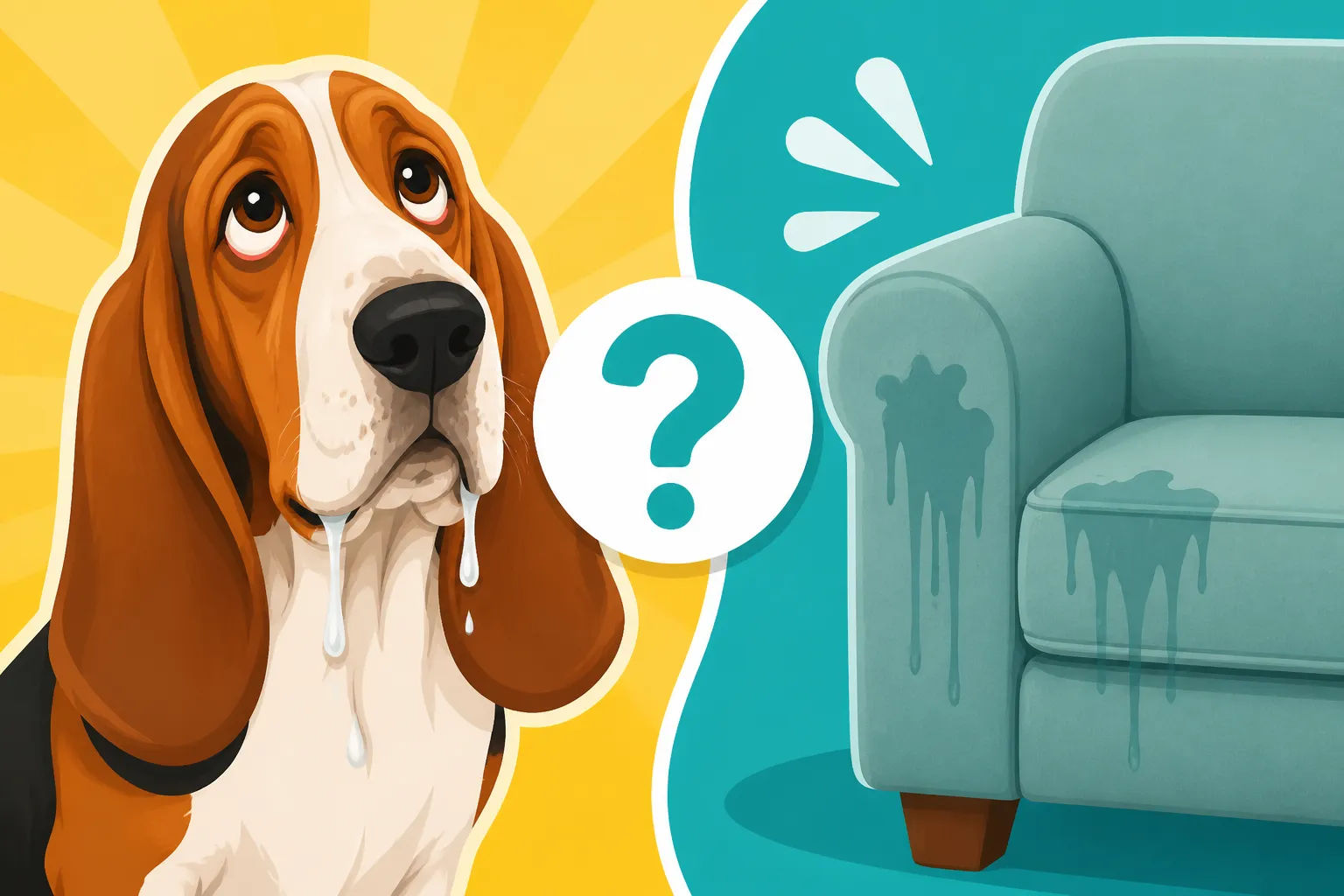
Ah, the Basset Hound. Those soulful eyes, those impossibly long ears, that ridiculously charming personality… and yes, the drool. If you're a Basset owner, or thinking of becoming one, you've probably already started eyeing your pristine sofa with a mixture of love and trepidation. The big question often lingers: will my Basset Hound's drool actually stain my furniture, or is it just a bit of slobber that dries without a trace? It's a very real concern for anyone who values both their hound and their home decor, and trust me, you're not alone in wondering how to keep both happy. This guide is here to walk you through the realities of Basset Hound drool, what causes it, whether it truly stains, and most importantly, how to protect your furniture and keep your home looking (and smelling!) fresh.
Understanding the Basset Hound's Drool Phenomenon
Let's face it, Basset Hounds are iconic for many reasons, and their magnificent, slobbery jowls are definitely on that list. It's not just a quirk; it's a fundamental part of their unique anatomy, bred over centuries for their incredible scenting ability. But what makes them such prodigious droolers, and why does it feel like their mouth is a leaky faucet?
Why Basset Hounds Are Naturally Drool-Prone
The Basset Hound's distinctive facial structure, with those loose, pendulous lips and deep flews, is a marvel of evolutionary design for scent tracking. Their long, heavy ears and dewlap also play a role in sweeping scent upwards towards their powerful noses, making them peerless trackers. However, this very anatomy also acts like a natural collection system for saliva, rather than a containment system. Unlike breeds with tighter lips, Bassets simply can't hold all their saliva in their mouths.
When a Basset Hound drinks water, eats, gets excited, or even just anticipates a treat, their salivary glands go into overdrive. Because those jowls hang so low and loose, the excess saliva has nowhere to go but out and down. It's not that your Basset is doing it on purpose, or that they're particularly messy; it's just how they're built. Think of it less as a flaw and more as a charming (if sometimes inconvenient) side effect of their incredible nose. You'll often notice them shaking their head after a drink, sending a fine mist of water and drool in all directions, or leaving a tell-tale puddle after a particularly enthusiastic sniff. It’s also important to remember that this isn't a behavioral issue that can be trained out of them; it’s physical. We've talked extensively about The Drool a Basset Hound Produces and Cannot Swallow in another post, highlighting just how much of a design feature (and challenge) this can be.
The Composition of Basset Hound Drool
So, what exactly is Basset Hound drool? At its most basic, saliva is mostly water, but it's far from pure H2O. It contains a complex cocktail of enzymes, proteins, electrolytes, and sometimes, food particles, especially after a meal. These components are essential for digestion and maintaining oral health, but they can become problematic when they end up on your upholstery.
When fresh drool hits a surface, it often looks like a clear, wet spot. However, as the water evaporates, the non-water components are left behind. These residues can vary depending on what your Basset has recently eaten or licked. If they’ve just finished a particularly saucy dinner, for instance, their drool might be more pigmented and sticky. Over time, and with repeated exposure, these residual elements can start to bond with fabric fibers. Furthermore, a Basset Hound's skin and coat can produce natural oils, and if these mingle with the drool, they can contribute to a greasy residue. This is particularly relevant if your Basset has issues like Skin Fold Infections on a Basset Hound or excessive skin oiliness, as these can alter the composition of their drool and make it more prone to leaving a mark.
Identifying and Understanding Drool Stains on Furniture
Many Basset Hound owners initially wonder if they're overreacting to a wet spot. Surely it'll just dry, right? Sometimes, yes. But often, over time, those seemingly innocuous wet patches can evolve into something more persistent and less desirable.
Is It Really a Stain or Just a Wet Spot?
This is where the nuance comes in. A fresh drool deposit, especially if your Basset has just taken a sip of water, often does dry clear, leaving little to no trace. On a non-porous surface like a tile floor or a sealed wood table, you might just see a dried film that wipes away easily. However, on absorbent materials like fabric upholstery, carpets, or even certain types of clothing, the story can be different.
When drool is repeatedly deposited on the same spot, even if each individual wet patch dries clear, the cumulative effect can be a build-up of those non-water components we talked about. This residue can lead to a stiffening of the fabric, a subtle discoloration, or even a change in texture. It's like leaving a damp cloth on a wooden surface – the moisture itself might evaporate, but if there were minerals or residues in the water, they'll leave a ring. For Basset drool, these residues can accumulate deeply within the fibers, especially if not addressed promptly. The key distinction is that a wet spot is temporary; a true stain implies a lasting alteration to the fabric's appearance or composition.
The Culprits: What Makes Drool Stain Over Time
So, what exactly is it in Basset Hound drool that morphs from a harmless wet spot into a stubborn stain? It’s often a combination of factors working in tandem, amplified by the Basset’s natural habits and conformation.
- Dirt and Grime: This is a huge one. Basset Hounds are low-riders. Their magnificent jowls, their dewlap, and even their long ears are constantly sweeping the ground, picking up dust, dirt, pollen, and whatever else they might sniff out during a walk or backyard romp. When this "contaminated" mouth then drips saliva onto your couch, it’s not just clean drool; it's a mixture of saliva and whatever particles they’ve collected. This creates a much more potent staining agent, with visible dark spots or streaks. Imagine a child eating a chocolate cookie and then leaving fingerprints on a light fabric – similar principle.
- Food Residue: After your Basset enjoys their meal, especially if it's a wet food or even kibble that's been moistened by their saliva, tiny particles inevitably linger around their mouth. These food bits, mixed with drool, create a more viscous and often pigmented liquid that is far more likely to leave a visible, greasy, or colored stain on fabric. This is especially true with darker kibbles or foods rich in certain dyes or fats. The smell can also become an issue if food particles are allowed to ferment in the fabric. We often discuss how to manage this, including Whether a Basset Hound's Lip Folds Sour due to trapped food and moisture.
- Body Oils and Yeast: Even if your Basset's mouth is squeaky clean (a rarity, let's be honest!), their drool still contains natural oils, proteins, and salts from their body. Over time, these can oxidize or simply build up, causing a yellowish or brownish discoloration, particularly on light-colored upholstery. This is akin to the yellowing you might see on pillowcases from human sweat and skin oils. If your Basset also has issues like yeast infections in their skin folds or around their mouth, the yeast can also contribute to a reddish-brown staining and a distinctive, often sweet or musty odor. This is often linked to Whether a Basset Hound Smells generally.
- Repeated Exposure and Moisture: The consistent dampness from repeated drool deposits creates an ideal environment for mold and mildew to grow, especially in humid conditions or on absorbent fabrics that don't dry quickly. These fungal growths manifest as dark spots and are accompanied by an unmistakable, musty odor that permeates the furniture. This is why addressing wet spots immediately is so crucial; you're not just preventing a stain, you're preventing a biological invasion. The constant moisture also just makes the existing residues harder to remove over time.
So, while a single drop of clean Basset drool might not be a disaster, the reality of living with a Basset Hound means dealing with dirt-laden, food-infused, and perpetually moist drool. This combination is a recipe for stains and odors that, if ignored, can become deeply embedded in your furniture. That's why being proactive and prepared is the key to maintaining a clean and fresh home with your beloved, slobbery companion.
Proactive Strategies to Minimize Drool and Protect Your Home
Living with a Basset Hound doesn't mean resigning yourself to a home perpetually smelling of dog and covered in stains. There are plenty of practical, realistic steps you can take to keep drool at bay and protect your beloved furniture. It's all about management and prevention!
Managing Drool at the Source (or Mouth!)
Since you can't magically make your Basset Hound stop drooling – it's just how they're built – the next best thing is to manage the drool before it becomes a problem.
- The Ever-Present Drool Towel: Seriously, this is your best friend. Keep a dedicated "drool towel" (or several!) strategically placed around your home. After your Basset drinks water, or finishes a meal, gently wipe their mouth and jowls. You'll be amazed at how much you catch before it ever hits the floor or furniture. We've often said Whether a Drool Towel Is Necessary With a Basset Hound is a resounding yes! You can easily stock up on inexpensive, absorbent towels from places like Amazon or Chewy to have them on hand. Just toss them in the laundry frequently.
- Appropriate Food and Water Bowls: The type of bowl your Basset uses can make a surprisingly big difference. Raised bowls can help some Bassets swallow more efficiently and reduce the amount of water or food that sloshes out or drips from their mouth while they're eating or drinking. For water, consider a bowl with an inward-sloping rim or a "splash-proof" design that discourages them from dunking their entire face. Some owners even use specialized slow-feeder bowls for food, which can indirectly reduce drooling by slowing down their eating pace and preventing them from gulping water right after a rushed meal. Knowing Whether a Basset Hound Needs a Deep Bowl or a Shallow One can also guide your choice.
- The Mighty Snood: If you've never heard of a dog snood, prepare for a revelation! A snood is essentially a fabric tube that you slip over your Basset's head, pulling it back over their ears and jowls, to keep them contained and out of their food and water bowls. This simple garment can dramatically reduce the amount of food and water residue that gets caught in their ears or drips onto their neck and then onto your floors and furniture. Many owners swear by them for keeping their Basset clean, especially during mealtimes. You can find a variety of stylish and functional snoods on platforms like Amazon or Chewy. It really makes a difference and we've discussed Whether a Snood Helps a Basset Hound at Dinner at length.
Protecting Your Furniture and Fabrics
Even with the best "at the source" management, some drool is inevitable. That's where protecting your furniture proactively comes in.
- Washable Covers and Throws: This is perhaps the most effective strategy. Invest in good quality, durable, and machine-washable slipcovers for your sofas and chairs. If full slipcovers aren't your style, heavy-duty blankets or throws draped over your Basset's favorite lounging spots work wonders. When they get drooly or dirty, just strip them off and toss them in the wash. This creates a barrier between your hound's drool and your expensive upholstery. Look for options on Amazon or Chewy that are specifically marketed as pet-friendly or easy to clean.
- Designated Dog Furniture/Areas: Consider dedicating a specific chair or a large, comfortable dog bed as your Basset's primary lounging spot. This can be easier to clean or replace than your main living room set. If your Basset is allowed on some furniture but not all, reinforce this with consistent training. Use commands like "off" or direct them to their designated An Orthopedic Bed Costs for a Basset Hound spot.
- Smart Material Choices for New Furniture: If you're in the market for new furniture, think about materials that are drool-friendly.
- Leather or Pleather: These are often excellent choices. Drool simply sits on the surface and can be wiped away with a damp cloth, rarely penetrating to cause a stain. They are low-maintenance and resistant to odors.
- Tightly Woven Microfibers: Some modern synthetic fabrics, particularly tightly woven microfibers, are surprisingly resistant to spills and stains. They tend to repel liquids, giving you time to blot up drool before it soaks in.
- Avoid Porous and Delicate Fabrics: Loosely woven cotton, linen, velvet, and suede are beautiful but are veritable sponges for Basset drool. They absorb liquids quickly, are difficult to clean, and are prone to water spots and permanent stains. Save these for areas your Basset doesn't frequent, or cover them diligently.
| Furniture Material | Drool Absorption | Stain Risk | Ease of Cleaning (Fresh) | Ease of Cleaning (Dried) | Notes |
|---|---|---|---|---|---|
| Leather/Pleather | Low | Very Low | Excellent | Excellent | Wipes clean with a damp cloth; resistant to odors. |
| Microfiber | Medium-Low | Low | Good | Good | Often treated for stain resistance; blot and wipe. |
| Canvas/Denim | Medium | Medium | Fair | Fair | Durable, but absorbs; best used with washable covers. |
| Cotton/Linen | High | High | Poor | Poor | Highly absorbent; prone to deep stains and water rings. |
| Velvet/Suede | Very High | Very High | Very Poor | Very Poor | Difficult to clean without damaging texture; attracts and holds moisture. |
By implementing these proactive measures, you can significantly reduce the impact of Basset Hound drool on your home, making life cleaner and more enjoyable for both you and your furry friend.
Tackling Existing Drool Stains and Odors
Even with the best preventative measures, sometimes a drool-tastrophe happens. A particularly enthusiastic greeting, a messy chew toy session, or just an unobserved nap on the sofa can leave behind a less-than-desirable mark. Don't despair! With the right approach, most drool stains and odors can be effectively managed.
Immediate Action for Fresh Wet Spots
When you spot a fresh drool mark, prompt action is your best defense against it becoming a permanent resident on your furniture.
- Blot, Don't Rub: This is the golden rule for any liquid spill on fabric, and especially for drool. Rubbing pushes the liquid deeper into the fibers and can spread the stain. Instead, grab a clean, dry, absorbent cloth (your trusty drool towel, perhaps!) or paper towels and gently blot the area. Apply firm pressure and lift, allowing the cloth to wick up as much moisture as possible. Repeat with fresh sections of the cloth until no more moisture transfers.
- Pet-Specific Enzymatic Cleaner: For any lingering dampness or even just the suspicion of residue, follow up with a good quality pet-specific enzymatic cleaner. These cleaners are formulated to break down the organic proteins, fats, and other components in pet bodily fluids (like drool, urine, or vomit) that cause stains and odors. They literally "eat" the odor-causing bacteria. Spray the cleaner according to the product directions, let it sit for the recommended time (which allows the enzymes to work), and then blot dry. Many excellent options are available from retailers like Chewy or Amazon. Even if the spot looks clear, using an enzymatic cleaner can prevent invisible residues from attracting dirt later or developing an odor as they dry.
Deep Cleaning for Stubborn Stains and Odors
For older, dried-on stains, or those stubborn spots that have developed an accompanying odor, a more robust approach is needed.
- Reactivate and Cleanse with Enzymatic Cleaners: For older stains, you may need to thoroughly saturate the stained area with an enzymatic cleaner. Cover the area with a damp cloth or plastic wrap to keep it moist, allowing the enzymes more time to work – sometimes several hours or even overnight. Then, blot thoroughly, and let the area air dry completely. You might need to repeat this process a couple of times for deeply set stains. Always check a hidden spot first to ensure colorfastness.
- Targeted Stain Removers: For visible discoloration, you can also use a dedicated upholstery spot cleaner alongside or after the enzymatic treatment. Again, always test on an inconspicuous area first. Follow the product instructions carefully. Some popular brands offer stain-specific solutions that are effective on pet messes.
- Steam Cleaners/Upholstery Cleaning Machines: For larger areas of staining, or for general refresh and odor removal on upholstery, a portable steam cleaner or an upholstery cleaning machine (many are readily available for rent or purchase, including on Amazon) can be invaluable. These machines use hot water and cleaning solutions to penetrate deep into the fabric, extract grime, and rinse. They are excellent for refreshing entire cushions or areas that have seen a lot of Basset lounging. Just be sure to use pet-safe solutions designed for these machines and follow the manufacturer’s instructions for both your furniture and the cleaner.
- DIY Odor Neutralizers (Use with Caution): For lingering odors, baking soda can be a simple, effective option. Sprinkle a generous amount over the dry, stained area, let it sit for several hours (or overnight), and then vacuum it up thoroughly. Baking soda absorbs odors. For particularly strong odors, a dilute white vinegar solution (1 part white vinegar to 1 part water) can be sprayed lightly on the affected area after blotting up as much drool as possible. Allow it to air dry. The vinegar smell will dissipate as it dries, taking the pet odor with it. However, always test vinegar on an inconspicuous spot first, as it can potentially alter the color or texture of some delicate fabrics.
- Professional Upholstery Cleaning: When you've tried everything and the stain or odor persists, or if you have a particularly valuable or delicate piece of furniture, it's time to call in the professionals. Professional upholstery cleaners have specialized equipment and stronger, more targeted solutions that can often remove what home methods cannot, safely and effectively.
Maintaining a Fresh-Smelling Home
Stains are one thing, but the accompanying odor can be just as, if not more, frustrating. Regular maintenance can keep your home smelling fresh and clean.
- Frequent Vacuuming: Use your vacuum's upholstery attachments regularly to remove loose hair, dander, and any dried drool flakes from your furniture. This also helps to remove dust and dirt that might mingle with drool later.
- Washable Items are Key: Regularly wash all blankets, throws, and dog bed covers that your Basset uses. This removes accumulated drool, oils, and dander that contribute to odors. Consider having multiple sets so you always have a clean one ready.
- Air Purifiers and Odor Eliminators: In rooms where your Basset spends a lot of time, an air purifier can help filter out pet dander and airborne odors. Natural odor eliminators, like activated charcoal bags (available on Amazon), can also absorb lingering smells from the air and furniture.
- Address the Underlying Issue: Sometimes, a pervasive "dog smell" or stubborn drool odors point to larger issues. Make sure your Basset is regularly bathed (using a gentle, dog-specific shampoo), their ears are cleaned, and their Whether a Basset Hound's Skin Folds Need Cleaning are well-maintained. A healthy, clean dog is less likely to contribute to persistent home odors. If you suspect a yeast infection or other skin condition, consult your vet, as treating the root cause will also help with lingering smells.
By combining proactive measures with effective cleaning strategies, you can absolutely live harmoniously with your beloved, drool-prone Basset Hound and maintain a clean, fresh-smelling home. It takes a little effort, but the joy they bring is more than worth it!
Disclaimer
This article is for general informational purposes only and does not constitute professional advice. Laws, prices and regulations vary by location and change over time. Consult a qualified professional for guidance on your specific situation.