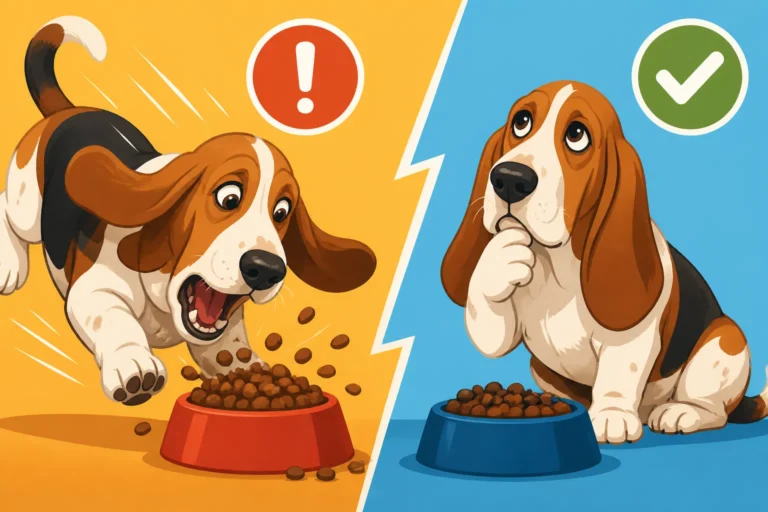
Whether a Basset Hound Puppy Should Grow Slowly
Many Basset Hound puppy owners fret over whether their beloved floppy-eared companion is growing 'correctly.' It's a valid concern, especially with a breed so uniquely built, and the truth is, a slow, steady growth rate is often the best gift you can give your Basset for a long, healthy life. This guide will walk you through why that slow and steady approach is crucial, and how to achieve it, giving your Basset the strongest foundation possible.
The Unique Basset Hound Challenge: Why Slow Growth Matters So Much
Let's be real, Basset Hounds aren't built like your average dog. Their distinctive long bodies and short, sturdy (but sometimes crooked!) legs are adorable, yes, but they also present some unique challenges, especially during their critical growth phases. Pushing a Basset puppy to grow too quickly can have lasting, detrimental effects on their skeletal system, leading to pain and health issues down the line. It's not about making them smaller; it's about letting their complex frame develop at its own natural, healthy pace.
Understanding the Basset Hound's Distinctive Structure
Think about a Basset Hound for a moment. They have these amazing, heavy bones and a substantial body carried on those characteristic short legs. This isn't just a cute quirk; it's a specific genetic trait, known as achondroplasia, that affects how their bones grow. Unlike longer-legged breeds where growth is more distributed, a Basset's skeletal system is under constant pressure from its own weight, even as a puppy. This means their joints, particularly in their elbows and shoulders, are subjected to unique biomechanical stresses. Any additional stress from rapid growth just magnifies these underlying predispositions, making a strong, slow foundation absolutely paramount.
It's tempting to want your puppy to reach that full, majestic Basset size quickly, but rushing this process can be incredibly detrimental. Imagine building a house with heavy, ornate stonework but using flimsy, quick-setting concrete. It might look impressive for a short while, but it won't stand the test of time. Your Basset's skeletal structure is much the same. The denser bones need sufficient time to mineralize properly and for the supporting ligaments and tendons to strengthen around them. If they gain weight too fast or their bones lengthen too rapidly, these soft tissues can't keep up, leading to instability and potential long-term damage.
The Critical Role of Growth Plates and Joint Health
Puppies, including Basset Hounds, have what are called "growth plates" at the ends of their long bones. These are areas of cartilage that are actively producing new bone cells, allowing the bones to lengthen. They are incredibly vulnerable until they "close" and turn into solid bone, which typically happens between 12 to 18 months of age for Bassets, sometimes even later for larger males. Rapid growth, or excessive weight during this period, places immense pressure on these delicate growth plates.
When growth plates are stressed, they can deform or even suffer micro-trauma, leading to conditions like elbow dysplasia or other orthopedic issues. This is especially true for a breed with the Basset's heavy bone structure. You want those plates to close smoothly and gradually, allowing for strong, well-formed joints. It's not just about the big bones either; even the tiny joints in their paws and the complex structure of their spine – which we know can be prone to issues like The Back Trouble a Basset Hound Is Built Into – benefit immensely from a slow, steady development. Giving them enough time, without undue stress, is key to preventing a lifetime of discomfort.
Why Rapid Growth Puts Stress on Their Developing Bodies
Think about it: a Basset Hound puppy is growing from a tiny, squishy bundle into a relatively substantial dog in a short amount of time. If that growth happens too fast, their bones and muscles aren't developing in sync. The skeletal frame might expand before the muscles have the strength to properly support it. This creates a wobbly, unstable foundation, especially in a breed already prone to orthopedic issues due to their unique conformation.
When a Basset puppy puts on weight too quickly, it's not just extra fat; it's extra mass that their still-developing joints and growth plates have to bear. This added load contributes directly to conditions like Elbow Dysplasia in a Basset Hound and can exacerbate the bowing of their front legs, which while characteristic, can become problematic if growth is uncontrolled. Studies have shown a strong correlation between rapid growth in large and heavy breeds and an increased incidence of joint diseases. It's a clear warning: slow and steady truly wins the race when it comes to a Basset's long-term health and mobility. Why a Heavy Basset Hound Breaks Down Faster is a real concern, and it starts even in puppyhood.
Nurturing Steady Development Through Optimal Nutrition
Nutrition is arguably the most powerful tool you have in guiding your Basset Hound puppy's growth trajectory. It's not about skimping on food or withholding necessary nutrients, but rather about providing a balanced diet that supports gradual, controlled development. This means selecting the right type of food, feeding appropriate amounts, and consistently monitoring their progress.
Choosing the Right Puppy Food for Controlled Growth
When you're looking for puppy food, especially for a Basset Hound, you absolutely need to consider options specifically formulated for "large breed puppies." These foods are designed with a slightly lower fat and calorie content compared to regular puppy foods, and, critically, they have carefully balanced calcium and phosphorus levels. An imbalance, particularly too much calcium, can interfere with normal bone development in rapidly growing pups.
Look for brands that prioritize slow and steady growth. You can find a wide selection of suitable large breed puppy foods on platforms like Chewy, with detailed nutritional information to help you make an informed choice. It's always a good idea to discuss food choices with your veterinarian, as they can offer personalized recommendations based on your individual puppy's needs and current growth rate. Remember, the goal isn't to make them tiny, but to ensure their bones and joints have the best chance to develop strongly. Whether a Basset Hound Needs Large Breed Puppy Food isn't just a suggestion, it's often a necessity for these uniquely structured dogs.
The Importance of Measured Meals, Not Free Feeding
Free feeding, where food is left out all day for your puppy to graze on, is a recipe for disaster with a Basset Hound. They are notorious food lovers and will happily overeat, which leads directly to rapid weight gain and all the associated joint problems we've been discussing. Instead, stick to measured meals given at specific times of the day.
For a Basset Hound puppy, this usually means three meals a day, gradually transitioning to two meals as they approach adulthood. The Meal Schedule a Basset Hound Puppy Needs is crucial for controlling calorie intake and supporting a healthy metabolism. Use a measuring cup every single time, rather than just "eyeballing" it. The feeding guidelines on your chosen large breed puppy food bag are a starting point, but you'll need to adjust them based on your puppy's individual activity level and body condition. If you’re considering fresh food options, companies like Ollie provide pre-portioned meals, which can be fantastic for ensuring consistent, controlled calorie intake, though you'd still need to ensure the formulation is appropriate for slow growth.
Monitoring Weight and Body Condition Score
Regularly monitoring your Basset Hound puppy's weight and body condition is essential. You don't want them to be underweight, of course, but you definitely don't want them pudgy. A vet visit for monthly weigh-ins is a great idea, especially during their first year. Beyond the scale, learn to assess their body condition score (BCS).
You should be able to feel their ribs easily with light pressure, but not see them prominently. When viewed from above, there should be a discernible waist. From the side, their belly should tuck up slightly, not hang low. If you're struggling to feel their ribs or notice they're looking a bit round, it's time to slightly reduce their meal portions and increase appropriate exercise. An overweight puppy is a puppy at high risk for future orthopedic issues. This proactive monitoring ensures you're adapting their diet as needed, setting them up for a lifetime of health and agility, helping to prevent them from becoming one of those What Extra Weight Does to a Basset Hound statistics.
Smart Exercise and Lifestyle Choices for Healthy Pups
Beyond nutrition, how your Basset Hound puppy moves and interacts with its environment plays a huge role in its healthy skeletal development. It's a balancing act: they need exercise to build muscle and burn energy, but you must protect their still-developing joints from excessive strain.
Balancing Playtime with Protecting Delicate Joints
Puppies have boundless energy, and Basset Hounds are no exception, even with their lower overall endurance. They love to play, but uncontrolled, high-impact activities can be very damaging. Instead of long, strenuous runs or intense games of fetch with sudden stops and starts, focus on shorter, more frequent walks and gentle playtime.
Think about two to three short walks a day, maybe 10-15 minutes each, rather than one epic hike. The rule of thumb often cited is 5 minutes of exercise per month of age, twice a day, but for a Basset's unique build, leaning towards the lower end of that or even less during active growth phases is often wise. Soft surfaces like grass or dirt are much better than hard pavement. Encourage sniffing and exploration – it's mentally stimulating without being physically taxing, tapping into their incredible natural instincts. Regular, low-impact movement builds muscle tone gradually, which helps support their joints without overstressing them.
Avoiding High-Impact Activities and Jumping
This is a big one for Bassets. Their long backs and heavy bodies are simply not designed for repeated jumping or climbing. While they might be able to scramble onto your couch now and then as a puppy, making it a regular habit is a recipe for disaster later in life, contributing to issues like Intervertebral Disc Disease in a Basset Hound.
Strictly limit jumping off furniture, leaping up and down stairs, or any activity that involves hard landings or twisting motions. This might mean physically lifting your Basset puppy on and off the couch or bed, and definitely blocking access to stairs until they are much older and their growth plates have closed. Whether a Basset Hound Puppy Should Be Kept From Stairs is a resounding yes for good reason. Consider purchasing ramps for beds and cars from places like Amazon to protect their backs and joints as they get older, establishing good habits early on.
Creating a Safe and Supportive Environment at Home
Your home environment should be set up to support your Basset Hound puppy's healthy development. This means providing soft, supportive bedding that allows them to stretch out comfortably without putting pressure on their joints. Orthopedic dog beds, even for puppies, can be a great investment.
Furthermore, consider non-slip rugs on hard floors, especially in areas where your puppy frequently plays or runs. Slipping and sliding on slick surfaces can put awkward strain on their hips and elbows. Thinking ahead and making these small adjustments can significantly reduce the risk of orthopedic problems. And as they get older, remember that a Whether a Basset Hound Should Use Ramps at Home approach is beneficial for their long-term spinal health, reducing the wear and tear on their unique structure.
Dispelling Myths and Addressing Owner Concerns About Growth
It's natural to have questions and even anxieties about your Basset Hound puppy's growth. There's a lot of information out there, and sometimes it's hard to distinguish good advice from well-meaning but misguided notions. Let's tackle some common concerns and ensure you're confident in your slow-growth strategy.
The Difference Between Slow Growth and Underfeeding
One of the biggest worries for owners embracing a slow-growth strategy is the fear of underfeeding their puppy. Let me assure you, promoting slow growth is not about deprivation. It's about moderation and balance. An underfed puppy would show signs of poor coat quality, lethargy, visible ribs and hip bones, and a generally poor demeanor. A puppy on a slow-growth diet, however, will be energetic, have a shiny coat, clear eyes, and a healthy body condition score where you can feel their ribs without them being prominent.
The goal is healthy, consistent growth, not stunted growth. If you are feeding a high-quality large breed puppy food in measured portions, and your puppy is active and bright, you are doing it right. Always defer to your vet's assessment if you have concerns, but generally, a Basset puppy that isn't growing at the breakneck speed of a German Shepherd puppy is a healthy Basset puppy. You're setting them up for success, not holding them back.
When to Consult Your Veterinarian About Growth Patterns
While slow growth is ideal, there's a difference between steady, healthy development and genuinely delayed or problematic growth. If you notice any of the following, it's always best to consult your veterinarian:
- Sudden or prolonged loss of appetite: A Basset's love for food is legendary; if they're consistently turning up their nose at meals, something might be off.
- Lethargy or extreme lack of energy: Puppies should have bursts of playful energy. If your pup is constantly tired or reluctant to move, get it checked.
- Limping or reluctance to bear weight: This is an immediate red flag and needs prompt veterinary attention, as it could indicate an injury or a developing orthopedic issue.
- Excessive weight loss or gain: While we want slow gain, a sudden drop in weight or an unexpected, rapid increase warrants a vet visit.
- Visible deformities: Any noticeable bowing, splaying, or other unusual changes in their leg or joint structure should be evaluated.
Your vet can assess your puppy's growth plates, overall skeletal development, and ensure there are no underlying health issues. They are your best partner in navigating these critical puppy months. Don't hesitate to reach out to them with any concerns.
Long-Term Benefits of a Slower, Steadily Started Life
Ultimately, all these efforts – the careful food choices, the measured meals, the protected play – pay off in the long run. A Basset Hound puppy allowed to grow slowly and steadily is far more likely to develop strong, sound joints and a robust skeletal system. This translates directly to a lower risk of common Basset health issues like elbow dysplasia, arthritis, and back problems as they age.
Imagine your Basset at seven or eight years old, still enjoying walks and sniffing adventures with minimal discomfort. This is the reward of a thoughtful puppyhood. By investing in their slow, healthy growth, you're not just preventing future vet bills; you're ensuring a higher quality of life for your cherished companion. You're giving them the best chance to live out their The Ten to Twelve Years a Basset Hound Lives with comfort and joy. It's truly one of the most loving and responsible things you can do for your Basset Hound puppy.
| Growth Aspect | Rapid Growth Risks (Undesirable) | Slow, Steady Growth Benefits (Desirable) |
|---|---|---|
| Joint Development | Increased risk of elbow dysplasia, hip issues, arthritis | Stronger, more stable joints; reduced orthopedic disease |
| Bone Density | Bones may be less dense, more prone to micro-fractures | Optimal bone mineralization and strength |
| Ligaments/Tendons | Stretched, weakened, unable to support growing bones | Adequately developed to support skeletal structure |
| Weight Management | Higher chance of puppy obesity, adult obesity | Easier to maintain ideal body condition throughout life |
| Overall Health | Potential for chronic pain, reduced mobility in adulthood | Enhanced mobility, greater longevity, better quality of life |
Disclaimer
This article is for general informational purposes only and does not constitute professional advice. Laws, prices and regulations vary by location and change over time. Consult a qualified professional for guidance on your specific situation.