Whether a Basset Hound Drools More When Excited
Oh, the joys of Basset Hound ownership! One minute you're admiring their soulful eyes, the next you're navigating a veritable slip-and-slide of slobber across your kitchen floor, all because the mail carrier dared to approach the door. Many of us Basset parents nod knowingly, wondering if our beloved hounds really do ramp up the drool factor when they're thrilled. The answer, my friends, is a resounding and emphatic yes! This guide will delve deep into the fascinating, if sometimes messy, reasons why excitement turns our Bassets into little drool fountains, and how you can gracefully manage the inevitable slobber that comes with their boundless enthusiasm.
The Basset Hound's Unique Anatomy of Drool
Let's face it, Basset Hounds are built for scent work, not for tidiness. Their iconic, endearing features – those long, pendulous ears, the deep wrinkles, and especially those magnificent, loose jowls – are all perfectly designed to enhance their incredible sense of smell. Unfortunately, these same features are also prime culprits in the drool department. It's not a design flaw; it's just a Basset thing.
Built for Scent, Not for Neatness
Imagine a dog engineered specifically to keep its nose to the ground, trapping every subtle scent molecule. That's your Basset Hound. Their loose skin around the muzzle and neck, often called a dewlap, coupled with those wonderfully floppy lips, creates a kind of scent-gathering net. When they're focused on a trail, or even just anticipating a treat, their salivary glands kick into overdrive. This saliva helps moisten their nasal passages, enhancing their ability to pick up and process scents. It’s an evolutionary marvel, really, even if it means you're constantly reaching for a towel. The sheer volume of loose skin and slack lips just isn't very effective at holding all that extra moisture in, leading to the characteristic drips and slings we know and… well, mostly love. For more on this, you might find The Drool a Basset Hound Produces and Cannot Swallow insightful.
The Mechanics of Saliva Production in Hounds
Saliva production is a natural physiological response in all dogs, serving multiple purposes from initiating digestion to lubricating food for swallowing. However, in Basset Hounds, this process can feel exaggerated. Their larger salivary glands, combined with their facial structure, mean that when their brains signal "excitement," those glands get a very enthusiastic command to produce. Think about how your mouth waters when you smell your favorite dinner cooking. For a Basset, every interesting smell, every exciting sound, every glimpse of a beloved human after an absence, can trigger that same powerful, involuntary salivation. It’s part of what makes their nose so exceptional; it’s always ready to go.
Excitement: The Ultimate Drool Trigger
It’s one thing for a Basset to drool a little when they're relaxed, but it's an entirely different level when their excitement meter hits the roof. Whether it's the thrilling arrival of a family member, the mere mention of "walkies," or the clinking of their food bowl, these moments transform our calm, sleepy hounds into drooling machines. This isn't just anecdotal; there's a clear physiological reason why heightened emotions translate directly into increased slobber.
Greeting Rituals and the Saliva Surge
Picture this: you walk through the door after a long day. Your Basset Hound, who was seemingly comatose on the sofa a moment ago, springs to life. There's a flurry of tail wags, perhaps a dramatic bay, and a vigorous body wiggle. And then, the drool begins. Large, glistening ropes of it, stretching from their jowls, perhaps flung onto the wall as they shake their head in sheer joy. This isn't just them being messy; it's a profound display of their love and excitement. Their entire system is stimulated – heart rate increases, senses are heightened, and those diligent salivary glands are working overtime. It’s a pure, unadulterated expression of happiness, messy as it may be. They're so overcome with joy that holding in the saliva is the last thing on their minds. It's a hallmark of their affectionate nature, proving just how much they adore your presence.
Food Anticipation and Sensory Overload
Few things get a Basset Hound more excited than food. The sound of kibble hitting the bowl, the crinkle of a treat bag, or even just the sight of you walking towards their feeding area can transform them. Their eyes will fixate, their body will quiver with anticipation, and their jowls… well, they'll start leaking like a sieve. This is a classic conditioned response, where the expectation of a reward triggers a physical reaction. Their incredible sense of smell plays a huge role here; they can often detect dinner before you've even opened the pantry. The anticipation is almost palpable, and their body's way of preparing for the feast is to get those digestive juices flowing. This intense focus on food is also why you might find your Basset making off with unattended snacks, so keeping an eye on Whether a Basset Hound Steals From the Counter is important. For a deeper understanding of how much food they truly desire, consider Feeding a Basset Hound That Would Eat Forever.
Playtime and Adventure-Induced Drool
Beyond greetings and meals, any form of high-energy engagement can kick the drool into high gear. A vigorous game of fetch, a romp in the park, or even just the excitement of a new walk route can lead to an increase in salivation. When your Basset is running, sniffing, and exploring, their breathing often becomes heavier, and their mouth might stay slightly open, making it easier for drool to escape. Imagine the sheer exhilaration of a Basset following an irresistible scent trail; their entire being is focused, and drooling is just a side effect of that intense sensory experience. It's a sign of a truly engaged and happy hound, even if it means you need to carry extra wipes on your adventures. For general care tips, including managing these joyful outbursts, What a Basset Hound Needs Every Day offers great advice.
Strategies for Managing the Slobber Situation
While you can't stop a Basset Hound from being a Basset Hound (and who would want to?), you can certainly implement strategies to manage the drool. It’s all about preparation, understanding their triggers, and having the right tools on hand. Living with a drooler doesn't have to mean living in a constant state of stickiness.
Environmental Controls and Household Hacks
The first line of defense against enthusiastic drool is your environment. Designate specific "drool zones" if possible, or at least have absorbent materials readily available. Keep a supply of dedicated "drool rags" strategically placed around the house – by the door, near their bed, in the car. Old towels, microfiber cloths, or even dedicated pet towels work wonders. For furniture, washable covers or throws are your best friends. There are many options available on Amazon or Chewy that are both durable and easy to clean, saving your upholstery from sticky residues.
When it comes to feeding, consider the type of bowl. While some Bassets benefit from raised bowls for their long necks, a deeper, narrower bowl can help contain food and water, reducing the amount of moisture that splashes out, or that their ears drag through. Speaking of ears, Whether a Basset Hound's Ears Drag Through Its Food is a common concern that also contributes to mess. Keeping things clean proactively can make a huge difference in managing the overall drool impact.
Behavioral Approaches to Calm the Enthusiasm
Sometimes, a little proactive behavioral management can reduce the intensity of those drool-inducing greetings. If you know guests are coming, or you're about to come home, try to engage your Basset in a calming activity beforehand. A quiet chew toy, a puzzle feeder, or a brief training session focused on 'settle' commands can help bring their excitement levels down a notch before the main event.
For food excitement, slow feeder bowls or snuffle mats can turn mealtime into a more deliberate, less frantic activity, which might slightly reduce the immediate rush of saliva. Brands like Chewy offer a wide array of these enrichment tools. Consistency in routine can also help; when your Basset knows exactly when and where their meals and walks will happen, it can sometimes lessen the frantic anticipation. Remember, a Basset’s excitement is often rooted in pure joy and instinct, so the goal isn't to suppress it entirely, but to channel it in a manageable way.
The Mighty Snood: A Basset Hound Essential
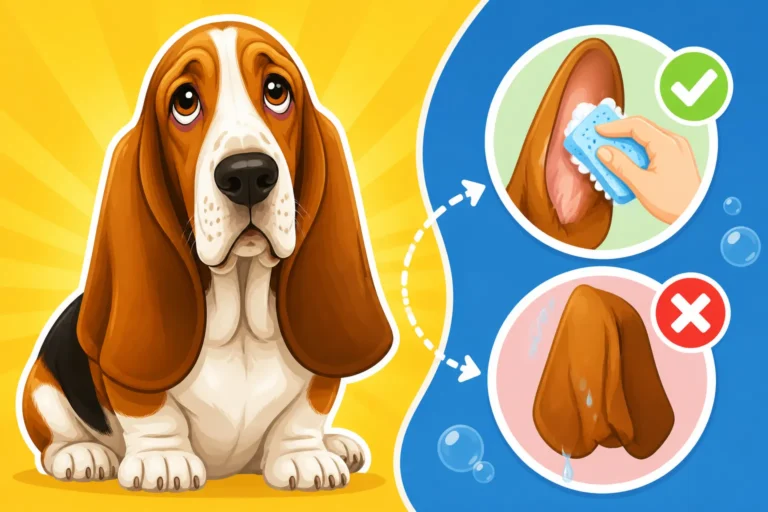
If you're new to Basset ownership, you might not be familiar with the "snood." This fabric tube, often elasticated, slides over your Basset's head, keeping their long, beautiful ears out of their food and water bowls. But here's a bonus: it can also act as a partial drool catcher! While not its primary purpose, a well-fitting snood can absorb some of the excess slobber that might otherwise end up flung across the room, especially during excited meal times or when they're particularly animated. You can find a variety of styles and materials on sites like Amazon, or specifically designed pet snoods on Chewy. It's a small investment that can make a big difference in maintaining a cleaner environment, and it protects those magnificent ears from getting soaked and potentially developing issues like ear canals that never dry.
| Drooling Trigger | Management Strategy | Potential Tool/Product |
|---|---|---|
| Greeting Guests | Pre-arrival calming activity, redirect | Chew toy, puzzle feeder (e.g., KONG from Chewy) |
| Coming Home | Delay enthusiastic greeting until calm | Drool rags by the door, washable entry rug |
| Mealtime | Slow feeder bowl, consistent routine | Slow feeder bowls, snuffle mats (available on Amazon) |
| Playtime/Walks | Keep drool rags handy, calm down after | Absorbent towels, outdoor rinsing station |
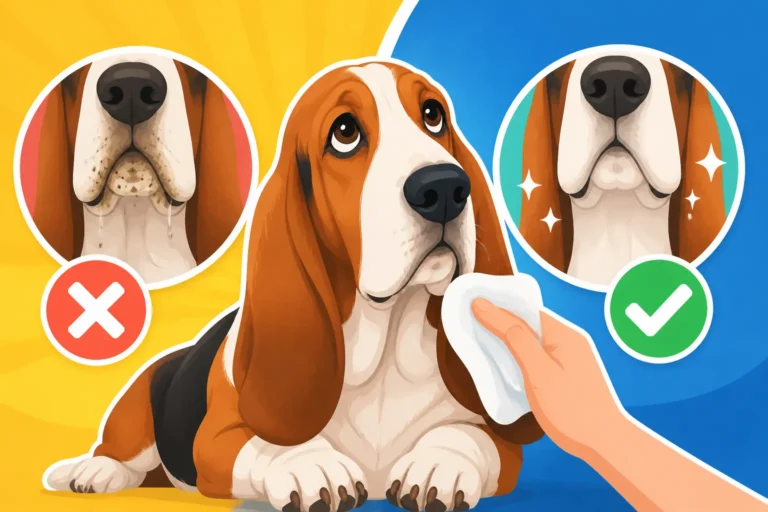
| Intense Sniffing | Allow appropriate sniffing, wipe afterwards | Nose work games to channel energy, grooming wipes |
| General Excitement | Snood, furniture covers, regular wiping | Snoods, machine-washable couch covers, pet-safe wipes (Ollie offers grooming products) |
When Drool Indicates More Than Just Happiness
While drooling is a normal, if sometimes overwhelming, part of Basset Hound life, it’s crucial to distinguish between excited drooling and drooling that might signal a health issue. Not all slobber is created equal, and a sudden, excessive, or unusual change in your Basset's drooling habits warrants attention.
Spotting Excessive or Unusual Drooling
Normal excited drool is typically clear and watery, perhaps a little foamy from movement. It happens in predictable situations – greetings, mealtime, playtime. However, if your Basset suddenly starts drooling profusely and seems unwell, or if the drool itself changes, it’s a red flag. Look for these signs:
- Sudden onset without excitement: Is your Basset drooling heavily while just lying quietly?
- Excessive volume: More than their usual enthusiastic waterfall.
- Changed consistency or color: Is the drool thicker, stringy, yellowish, or even bloody?
- Difficulty swallowing: Are they pawing at their mouth, gagging, or clearly struggling to swallow their own saliva?
- Other symptoms: Is the drooling accompanied by lethargy, vomiting, loss of appetite, swelling, or pain?
If you notice any of these, it’s time to call your vet. Your Basset might be trying to tell you something important. For deeper insights into their general digestive health, you might consider Whether a Basset Hound Has a Sensitive Stomach.
Potential Underlying Health Concerns
A sudden or unusual increase in drooling can be a symptom of several underlying health issues. These can range from minor irritations to serious emergencies, so it's always best to err on the side of caution.
- Dental problems: Painful teeth, gum disease, or an abscess can cause discomfort and increased salivation as the dog tries to soothe the area. Whether a Basset Hound Gets Dental Disease is a common issue for many breeds.
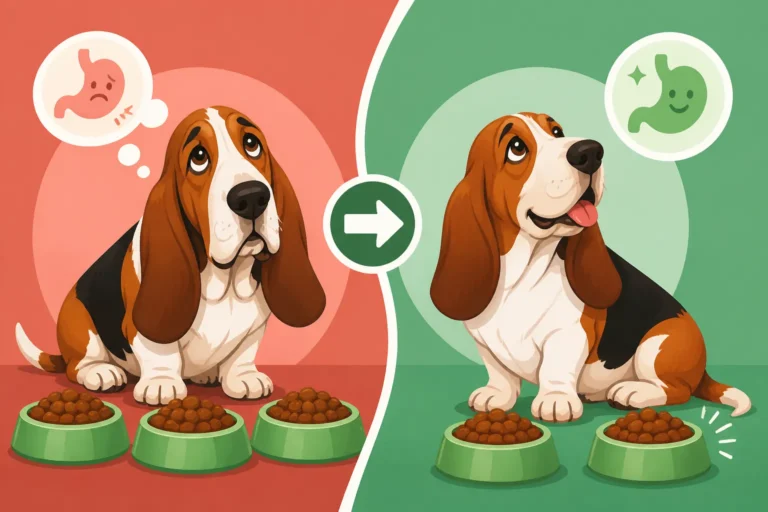
- Nausea or stomach upset: Just like humans, dogs can drool when they feel sick to their stomach. This might be accompanied by lip-licking, gulping, or actual vomiting. In some cases, a particularly overexcited or stressed Basset might experience mild nausea, which could contribute to drooling.
- Foreign objects: Something stuck in their mouth, throat, or between their teeth – a bone shard, a stick, even a piece of toy – can trigger excessive drooling as their body tries to dislodge it.
- Heatstroke: Basset Hounds, with their heavy coats and often stocky build, can be prone to overheating, especially during vigorous play or walks in warm weather. Excessive drooling, rapid panting, and lethargy are key signs of heatstroke and require immediate veterinary attention.
- Exposure to toxins: If your Basset has ingested something poisonous, increased drooling is a common symptom. Always be vigilant about what they might get into, especially with their nose-to-the-ground tendencies.
- Bloat (Gastric Dilatation-Volvulus): This is a life-threatening emergency, particularly for deep-chested breeds like Basset Hounds. Excessive drooling, unproductive retching, a distended abdomen, and signs of pain are critical indicators. If you suspect bloat, get to an emergency vet immediately. This is a distinct and severe issue from typical excited drooling. Understanding Whether a Basset Hound Gets Bloat is vital for all Basset owners.
Your Basset's drool is usually a sign of their incredible zest for life and their unique physiological makeup. But by paying close attention to its characteristics, you can ensure that their enthusiastic slobber is indeed just a joyful quirk, and not a silent signal of distress.
Disclaimer
This article is for general informational purposes only and does not constitute professional advice. Laws, prices and regulations vary by location and change over time. Consult a qualified professional for guidance on your specific situation.