Whether Two Basset Hounds Are Better Than One
It's a common thought for many Basset Hound owners: you adore your goofy, lovable, scent-driven companion so much that you wonder if two would be even better. The idea of double the floppy ears, double the soulful eyes, and double the snuggles can be incredibly appealing. But before you leap into a two-basset household, it's vital to step back and consider the realistic implications of adding another one of these unique hounds to your life. This guide will walk you through the joys and the challenges, helping you decide if a pair of Basset Hounds is truly the right fit for your home and lifestyle.
The Unique Dynamics of Living with a Basset Hound
Living with a Basset Hound is an experience unto itself. They are charming, affectionate, and utterly devoted to their families, but they also come with a distinct set of characteristics that are important to understand, especially when considering expanding your pack.
Why One Basset Hound Can Feel Like a Handful (or a Delight)
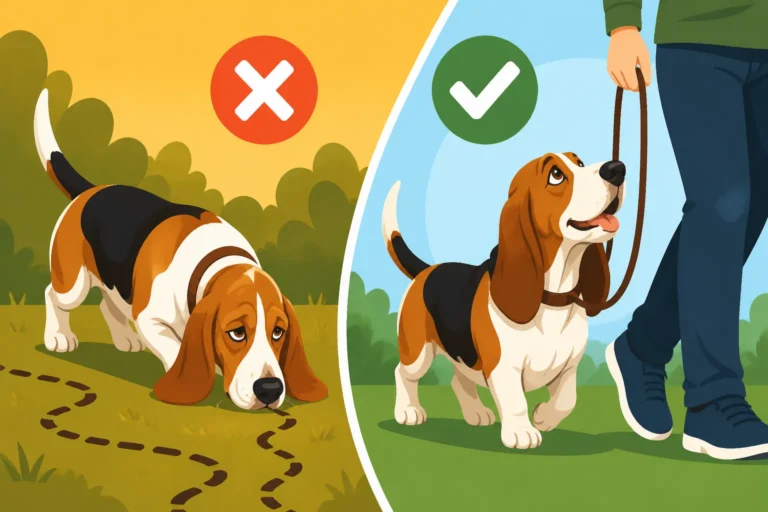
One Basset Hound is a masterclass in endearing contradictions. They are incredibly laid-back indoors, often found napping in the most comfortable spot they can find, but once that powerful nose hits a scent, they transform into relentless, single-minded tracking machines. This deep scent drive means that recall can be… optional… on walks, making off-leash adventures a risky business. Their renowned stubborn streak isn't malicious; it's just a strong sense of self-preservation and a refusal to do anything they don't see the immediate benefit in. Getting them to understand and comply with commands often requires more patience, more repetition, and definitely more high-value treats than many other breeds.
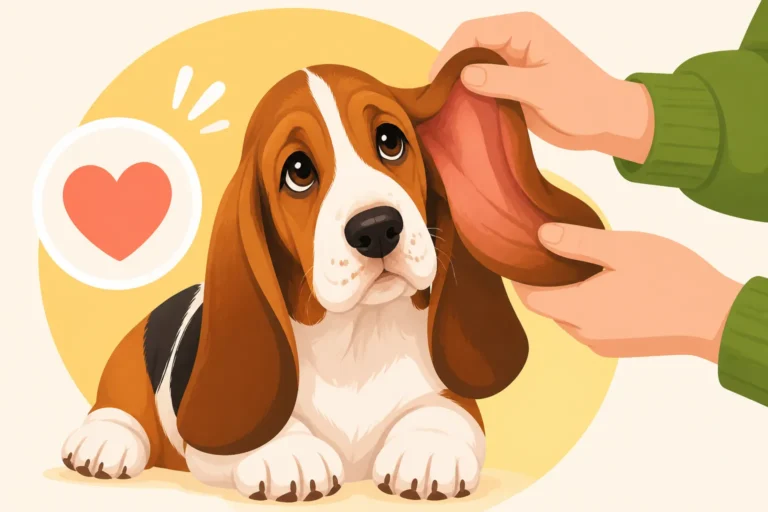
Then there's the bay. Oh, the bay! It's a sound that is both magnificent and, let's be honest, loud. A single Basset can certainly make their presence known, whether they're expressing excitement, boredom, or simply announcing to the world that a leaf has fallen in their yard. The Bay a Basset Hound Uses and the Neighbors Hear is a real concern for many owners, especially those in close-knit neighborhoods or apartments. Their long, luxurious ears and wrinkled faces, while adorable, also require regular cleaning and attention to prevent skin and ear infections. All of these factors contribute to the "fullness" of owning just one Basset Hound. They are worth every bit of effort, of course, but that effort is significant.
The Specific Quirks That Make You Consider a Second Dog
Despite the particularities of the breed, many Basset owners find themselves pondering a second one. Why? Often, it's because they've seen how much their current Basset enjoys the company of other dogs. Basset Hounds are, by nature, pack animals. They thrive on companionship and often form deep bonds with other canines. For a Basset that experiences Whether a Basset Hound Gets Separation Anxiety when left alone, a canine companion can sometimes alleviate loneliness and provide mental stimulation.
You might notice your Basset seems a little lost or bored when you're busy, even with plenty of toys around. Perhaps they seem to brighten up immensely during dog park visits or playdates. This strong social drive can lead owners to believe that a second Basset would complete their dog's life, offering a constant playmate, a snuggle buddy for naps, and someone to share in the joy of sniffing out every interesting blade of grass. The idea of seeing two Bassets curled up together, or gently wrestling in the yard, is a powerful motivator, and for many, it stems from a genuine desire to enrich their current dog's life, not just to add another pet.
Weighing the Pros and Cons of a Two-Basset Household
The decision to add a second Basset Hound is a big one, and it's essential to look at it from all angles. While the allure of double the Basset love is undeniable, it also comes with double the responsibility and potential challenges.
The Unexpected Benefits of Double the Basset Love
There's a special kind of magic that happens when you introduce a second Basset into your home. The most immediate and often celebrated benefit is the companionship your original Basset gains. Hounds are truly happiest when they have a buddy, and another Basset speaks their language, understands their play style, and shares their unique world. This can lead to a calmer, more content existing Basset. You might find that your first Basset is less prone to destructive behaviors born of boredom, especially if Whether a Basset Hound Destroys Anything When Bored has been an issue. They'll have a wrestling partner, a chase buddy, and someone to share those long, glorious naps with. This companionship can often ease instances of loneliness or mild separation anxiety in your first hound when you're away.
Furthermore, a second Basset can sometimes simplify certain aspects of your life. For example, if you're struggling to keep your first Basset active, a playful companion can often be the best motivator. They can encourage each other to explore the yard, engage in gentle play, or even stir each other into a reluctant walk. Observing their interactions, their silly antics, and their undeniable bond is a source of immense joy and entertainment. It truly feels like you've created a mini-pack, fulfilling their natural instinct to be part of a group. Whether a Basset Hound Prefers a Pack is a question many owners ask, and seeing them together often provides a clear answer: yes, they do!
The Challenges That Multiply with a Second Hound
While the benefits are heartwarming, the challenges of owning two Basset Hounds are equally significant and should not be underestimated.
First and foremost, the financial commitment essentially doubles, if not more. Vet bills, food, treats, toys, beds – everything scales up. What a single Basset costs a year to keep can give you a good baseline, but be prepared for that figure to at least double, particularly if unexpected health issues arise. Consider things like specialized diets, joint supplements, and the ongoing costs of ear care for two sets of those magnificent, floppy ears.
Then there's the noise. If one Basset's bay is something to contend with, two Bassets can truly amplify the vocal symphony. Whether a Basset Hound Is Loud becomes a much more pressing question when both decide to alert you to the postal worker, a squirrel, or a phantom scent in the garden. Training also becomes more complex. While your existing Basset might set a good example, you're now training a new puppy or adult dog while simultaneously managing your first. Getting two Bassets to walk politely on a leash, or to respond to a recall (even an inconsistent one), requires immense patience and skill. Food guarding, resource guarding, or even just competition for your attention can become new behaviors to manage. You'll need more space in your car, more room in your home, and double the grooming time for those ears, folds, and shedding coats. It's a commitment that stretches both your wallet and your time.
Practical Considerations Before Bringing Home a Second Basset
Deciding to bring a second Basset Hound into your family isn't just about love; it's about logistics. You need to honestly assess your resources and prepare for the realities of a multi-dog household.
Assessing Your Home and Lifestyle for a Pack of Two
Before you even start looking for a second Basset, take a long, hard look at your current living situation. Do you have enough physical space? Two Bassets, while low to the ground, take up a surprising amount of real estate, especially when they stretch out for a nap. They need ample floor space for beds, and if they're particularly fond of the couch (and what Basset isn't?), you might find yourself squeezed.
Consider your yard, if you have one. Is it securely fenced? Bassets are notorious for following their noses, and a small gap or a flimsy fence is an invitation to adventure. Two Bassets might encourage each other to explore escape routes. Also, think about your daily schedule. Do you have enough time for twice the walks, twice the feeding, twice the ear cleaning, and double the dedicated training and play time? Even if they entertain each other, they still need individual attention and one-on-one bonding with you. If you work long hours, How Long a Basset Hound Can Be Left Alone is a critical question, and while two might alleviate loneliness, they won't replace human interaction and exercise. Be realistic about the demands on your time and energy. It's not just about managing two dogs, but managing two Basset Hounds with all their unique needs.
Introducing a New Basset Hound to Your Current Resident
The introduction phase is absolutely critical to the long-term success of a two-Basset household. This isn't something to rush or take lightly. Start with neutral territory – a local park or an open field where neither dog feels possessive of the space. Keep both on leashes and allow them to sniff and observe each other from a distance before gradually bringing them closer. Look for relaxed body language: loose tails, sniffing, no stiff postures or prolonged stares. Short, positive interactions are key.
Once at home, keep the new Basset in a separate, secure space initially, like a crate or a room with a baby gate. This allows them to get used to each other's scents and sounds without direct pressure. Feed them separately, give them separate water bowls, and provide individual beds and toys to prevent any early resource guarding issues. Supervise all interactions closely, especially during the first few weeks. Even if your existing Basset is generally good with other dogs, the dynamic of a permanent new resident can be different. Patience and careful management during this period will lay the groundwork for a harmonious relationship. For those needing guidance, online training platforms like BAXTER & Bella offer excellent resources and coaching on multi-dog introductions and managing household dynamics, which can be invaluable during this sensitive time.
Making the Transition Smooth for Everyone
Once you've made the leap and welcomed a second Basset into your home, the real work (and fun!) begins. It's about establishing routines, consistent training, and ensuring both dogs feel secure and loved.
Training and Management Strategies for Multiple Bassets
Training two Basset Hounds can feel like herding cats, especially with their independent spirit! However, consistency is your best friend. Start by working with each dog individually on basic commands. This helps reinforce your bond with each hound and prevents them from relying solely on each other. Once they're solid individually, you can gradually bring them together for training sessions, perhaps with one on a leash and the other practicing off-leash in a secure area (if appropriate). Always use positive reinforcement and high-value treats – remember, What Actually Motivates a Basset Hound is usually their stomach!
Management is equally important. Invest in quality leashes and harnesses; Bassets are escape artists. Consider a split leash coupler for walks if you're confident in their leash manners. Ensure each dog has their own crate or designated safe space where they can retreat for alone time. Feed them separately to avoid competition, and provide plenty of enrichment activities like snuffle mats, puzzle toys, and scent work games to keep those busy noses engaged. Platforms like BAXTER & Bella provide comprehensive online training programs that can be tailored to multi-dog households, offering guidance on everything from puppy basics to more advanced behavioral challenges that might arise. Don't forget that those long ears need special attention; make sure you're consistent with training a Basset Hound to have its ears handled for both dogs.
Here's a quick comparison of owning one versus two Basset Hounds:
| Feature | One Basset Hound | Two Basset Hounds |
|---|---|---|
| Companionship | Relies solely on human interaction | Provides constant canine companionship for each other |
| Potential for Loneliness | Higher, especially if left alone frequently | Lower, as they have each other |
| Noise Level | Can be loud with a single bay | Potential for a "chorus" of bays and howls |
| Training Difficulty | Challenging due to stubbornness | More challenging, managing two distinct personalities |
| Financial Costs (Approx.) | Significant, especially vet care | Roughly double, plus potential for specialized items |
| Time Commitment | Substantial, especially for exercise & grooming | Significantly increased for all aspects of care |
| Space Requirements | Moderate, needs room to stretch & play | Ample, for two beds, eating areas, and play |
| Separation Anxiety | Can be a concern, may improve with a companion | May be reduced for one or both, but not guaranteed |
| Enrichment | Relies on owner for most activities | Can self-entertain more, but still needs owner input |
Financial and Time Commitments That Double (or More)
Let's not sugarcoat it: two Basset Hounds will significantly increase your expenses and time commitments. Beyond the initial purchase or adoption fees, you're looking at double the cost for:
- Food: Two hungry Bassets mean buying twice as much, and potentially higher quality or prescription foods if health issues arise.
- Vet Care: Routine check-ups, vaccinations, parasite prevention, and unexpected illnesses or injuries will apply to both dogs. Emergency surgeries for conditions like intervertebral disc disease or ongoing ear issues are incredibly expensive for one dog, let alone two.
- Grooming Supplies: Ear cleaner, shampoos, nail grinders – you'll go through these much faster.
- Gear: Two leashes, two harnesses, two collars, two beds. You might also need a larger crate or a more robust pet barrier for your car. Quality items, readily available on platforms like Amazon, are essential for safety and comfort.
- Training & Enrichment: While some toys can be shared, having enough for both to prevent squabbles is important. Online training programs or in-person classes will double your investment.
- Pet Sitting/Boarding: Finding someone willing and able to care for two Bassets, or a kennel with space, will be more expensive and potentially more difficult to arrange.
Your time is also a finite resource. Each Basset needs individual attention, cuddles, and bonding time with you. Two Basset Hounds mean twice the feeding time, twice the cleanup of drool and shed fur, and twice the monitoring for health issues or behavioral changes. While they might entertain each other, they don't replace your role as their primary caregiver and companion. This isn't to discourage you, but to provide a realistic picture so you can make an informed decision that truly benefits everyone involved.
Disclaimer
This article is for general informational purposes only and does not constitute professional advice. Laws, prices and regulations vary by location and change over time. Consult a qualified professional for guidance on your specific situation.