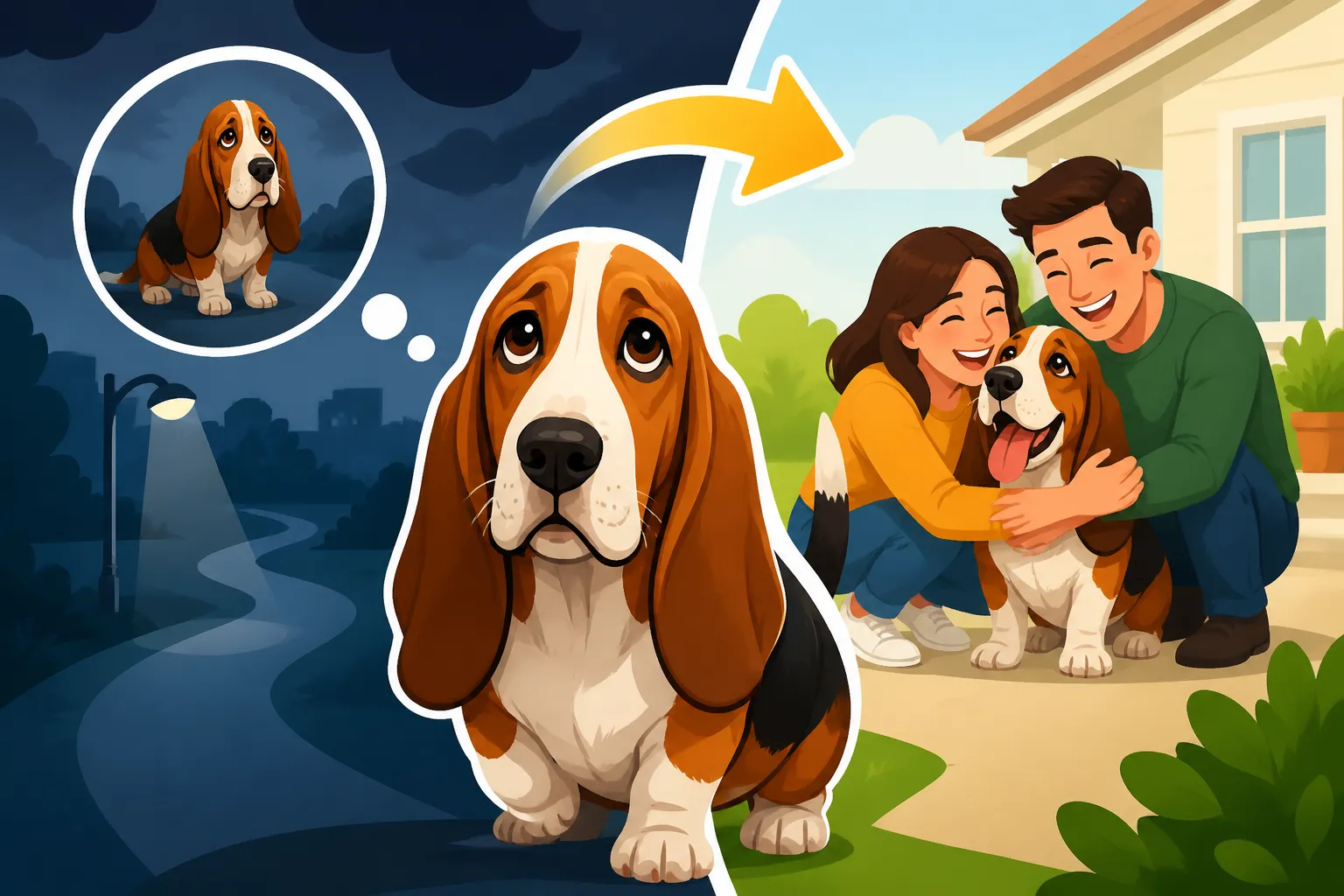
Whether a Lost Basset Hound Comes Home
It’s a fear every Basset Hound owner knows deep in their gut: that moment the gate is accidentally left ajar, or the leash slips from your hand, and your beloved hound is off, nose to the ground, utterly oblivious to your frantic calls. The heartbreaking truth is that, unlike some other breeds with a strong homing instinct, a lost Basset Hound rarely comes home on its own. Their incredible, scent-driven nature is both their greatest gift and their biggest liability when they go missing. This guide will help you understand why this happens and, more importantly, equip you with the knowledge and proactive steps to prevent this dreaded scenario and what to do if it ever occurs.
The Heartbreaking Reality: Why Lost Basset Hounds Rarely Find Their Way Back
We all want to believe our dogs, especially those we love so dearly, have an innate sense of direction that will guide them back to our door. For a Basset Hound, however, this romantic notion often gives way to the undeniable power of their nose. Once they catch a compelling scent, their world narrows to that single, irresistible trail, and everything else – including the way home – fades into insignificance.
The All-Consuming Power of Scent
Imagine a world where smells are so vivid, so intense, so utterly captivating that they literally pull you forward, regardless of your destination. That’s the Basset Hound’s reality. Their olfactory system is legendary, often cited as second only to the Bloodhound. When a Basset picks up a trail, whether it's a rabbit, a squirrel, or just an interesting patch of grass where another dog recently passed, it's like a powerful magnet. Their long, pendulous ears actually help sweep scents towards their nose, enhancing this incredible ability. They were bred for centuries to follow a scent trail relentlessly, often for miles, without ever lifting their nose from the ground. This single-minded focus is an incredible asset for hunting, but a severe disadvantage for finding their way back to a familiar driveway.
For them, the journey on the scent is the reward, not the return. They're not actively trying to get lost, of course; they're simply operating on an instinctual level that dictates, "follow the trail, no matter what." Their incredible The Nose That Puts a Basset Hound Second to a Bloodhound is designed for this very purpose, and once engaged, it can be almost impossible to break.
The Myth of the "Homeward Bound" Instinct
Many dogs have an internal compass, a sort of mental map that helps them navigate back to their territory. While Basset Hounds certainly recognize their home territory and familiar smells, their primary instinct, once out and about, isn't necessarily to return directly. Instead, it's to investigate, to track, to follow the most intriguing odor. Think of it less as a "homeward bound" journey and more as an "adventure bound" one, driven entirely by their nose.
They don't often stop to look around for familiar landmarks or listen for your voice when a scent is hot. Their head is down, their focus is singular, and the world outside of that scent trail simply ceases to exist. This means that even if they are just a few blocks from home, a compelling scent can lead them further and further astray, taking them through unfamiliar neighborhoods, across busy roads, or into dense woods. The concept of retracing their steps, which might come naturally to a dog with a different evolutionary history, often isn't part of their immediate problem-solving strategy once they've committed to a trail.
The Stubborn Streak and Selective Hearing
It’s no secret that Basset Hounds have a reputation for being, shall we say, independent thinkers. When a Basset Hound is on a scent, your calls, your pleas, your increasingly desperate shouts become little more than background noise. Their "selective hearing" is legendary. It's not that they don't love you or want to obey; it's that the primal urge to follow a scent overrides almost everything else. This is precisely Why a Basset Hound Stops Hearing You When It Smells Something.
This "stubbornness" is, in reality, a deeply ingrained trait necessary for their original hunting purpose. A Basset that gave up a trail easily would not have been a successful hunting dog. Unfortunately, in modern suburban or rural environments, this translates to a dog that will utterly ignore your increasingly frantic commands, making The Recall a Basset Hound Will Never Reliably Give You a very real and frustrating experience for many owners. If they decide they're not going to come, they often just won't, especially if there's a more interesting smell to chase. This makes getting them back, even if you spot them, an immense challenge.
Proactive Steps to Prevent Your Basset Hound from Becoming Lost
While the thought of a lost Basset Hound is terrifying, the good news is that many preventative measures can drastically reduce the risk. It’s all about understanding their unique nature and designing your environment and routines to keep them safe.
Secure Containment: Fences, Leashes, and Boundaries
This is perhaps the most critical aspect of Basset Hound ownership. Their powerful noses and single-minded dedication to a trail mean they cannot be trusted off-leash in unsecured areas.
- Physical Fences Are Non-Negotiable: If you have a yard, a sturdy, escape-proof fence is absolutely essential. Basset Hounds are surprisingly adept at squeezing through small gaps or digging under fences. A good rule of thumb for How High a Fence a Basset Hound Needs is at least four to six feet, and ensure the bottom is secure, perhaps by burying wire mesh or concrete. Check your fence regularly for weaknesses.
- The Problem with Invisible Fences: While convenient, an invisible fence is usually not enough for a Basset Hound. The lure of a scent often outweighs the discomfort of the static correction. They might blow through the boundary, and once they're on the other side, confused and possibly scared by the correction, they have no incentive to come back through it. So, Whether an Invisible Fence Holds a Basset Hound is a frequent concern, and for Basset Hounds, the answer is often no.
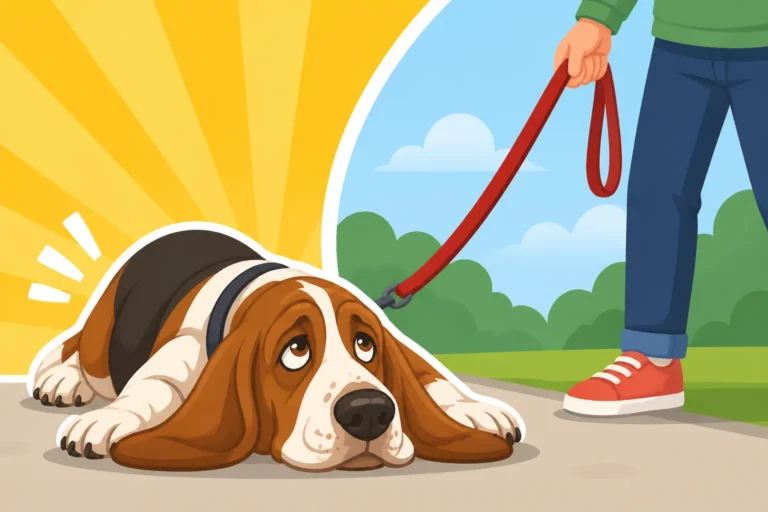
- Leashes and Long Lines are Your Best Friend: Always, always keep your Basset Hound on a leash when outside of a secure, fenced area. A sturdy leash and a comfortable, well-fitting harness are paramount. Collars can slip off, especially if they back out of them. A good What a Harness for a Basset Hound Costs is an investment in their safety. Consider using a long line in a large, open area where you can still supervise, allowing them some freedom to sniff while still being attached to you. This provides a measure of control and prevents them from wandering off too far, especially if you're trying to work on recall in a managed environment.
Essential Identification: Tags, Microchips, and GPS Trackers
Even with the best precautions, accidents happen. Having robust identification dramatically increases the chances of your Basset Hound being returned to you.
- ID Tags: This is your first line of defense. Your Basset Hound should always wear a collar with an up-to-date ID tag, clearly listing your name and phone number. Many owners also add their address or even a "medical needs" note.
- Microchips: A microchip is a permanent form of identification. If your Basset Hound is found and taken to a shelter or vet, they will scan for a chip. It's vital to ensure your contact information linked to the microchip is always current. Moving? Change your number? Update your microchip registration immediately!
- GPS Trackers: These devices are a game-changer for breeds prone to wandering. Clipping onto their collar, a GPS tracker allows you to monitor your Basset Hound's location in real-time via your smartphone. While they aren't foolproof (batteries die, signals can drop), they offer an incredible layer of security. You can find many reliable options on platforms like Amazon. If you've ever wondered Whether a Basset Hound Should Wear a Tracker, the answer for peace of mind is a resounding yes! They can often save you hours, even days, of frantic searching.
Training for the Real World (and the Nose)
While perfect off-leash recall might be an elusive dream for many Basset Hounds, solid foundation training can still make a huge difference in their overall safety and manageability.
- Focus on Management: For a Basset, training is often more about management than complete obedience, especially when their nose takes over. Accept that Whether a Basset Hound Can Be Trained Off Trailing is incredibly difficult, and adjust your expectations. Instead of trying to eliminate the trailing instinct, focus on controlling it.
- "Leave It" and "Drop It": These commands are invaluable. "Leave It" can help prevent them from snatching something potentially dangerous off the ground or, with consistent practice, briefly interrupt their focus on a scent. "Drop It" is essential if they pick something up they shouldn't.
- Strong Leash Manners: Teach your Basset Hound to walk nicely on a leash from a young age. A dog that pulls incessantly is not only harder to control but also more likely to cause you to lose your grip on the leash. Invest time in training using positive reinforcement, making walks an enjoyable experience for both of you. Many online resources and courses, such as those offered by BAXTER & Bella, can guide you through effective training techniques that work with, rather than against, a Basset Hound's instincts.
- Exposure to Different Environments: Safely expose your Basset to various sights, sounds, and smells while on leash in controlled environments. This can help them become more accustomed to different stimuli and less prone to panic or single-minded focus in unfamiliar settings, which can sometimes happen when Whether a Basset Hound Follows Its Nose Into Traffic.
What to Do the Moment Your Basset Hound Goes Missing
The worst has happened. Your Basset Hound is gone. Panic is a natural reaction, but quick, organized action is your best bet for a happy reunion. Time is absolutely of the essence.
Act Fast: The Critical First Hours
The moment you realize your Basset is gone, every minute counts. The sooner you start searching and spreading the word, the better the chances of finding them before they travel too far or get into trouble.
- Immediate Area Search: Start by thoroughly searching your immediate vicinity. Call their name loudly and clearly. Basset Hounds are low to the ground and can squeeze into surprisingly small spaces. Check bushes, under cars, in sheds, and any accessible outbuildings. Don't assume they've gone far right away; they might just be sniffing something fascinating in a neighbor's yard.
- Alert Neighbors: Knock on doors, tell everyone you see. Show them a picture. The more eyes looking, the better. Often, a Basset Hound is simply enjoying a new scent in someone else's yard, and a neighbor might have already spotted them.
- Contact Local Authorities & Shelters: Call your local animal shelters, animal control, and even non-emergency police lines to report your lost dog. Provide a detailed description and your microchip information. Visit the shelters in person if possible – a photo rarely does your dog justice, and kennel workers may not recognize a Basset Hound from a generic description. It’s also wise to call local veterinary clinics, as good Samaritans often take found animals there.
- Prepare "Lost Dog" Posters: Create posters with a clear, recent photo of your Basset Hound, their name, your contact information, and details about their unique traits or any special needs. Include where and when they were last seen. Don't be shy about offering a reward – it can motivate people to look more diligently.
Leveraging Scent and Familiarity in Your Search
Because Basset Hounds are so scent-driven, using familiar smells can sometimes help lure them back or keep them in an area.
- Leave Out Familiar Items: Place your Basset Hound's unwashed bed, a favorite blanket, or a piece of your worn clothing outside your door or in the last known area. The familiar scent of home and their beloved human might draw them back or encourage them to stay nearby if they are within smelling distance.
- Walk Familiar Routes: If your Basset Hound has a favorite walking route, retrace it slowly, calling their name. Sometimes, a familiar path will trigger a memory, even if their nose led them astray initially. They might eventually lift their nose and realize where they are.
- Don't Chase: If you spot your Basset Hound, do not run after them. This can trigger their prey drive or scare them, causing them to bolt further away. Instead, crouch down, call their name in a happy, calm voice, and offer a favorite high-value treat. If they are accustomed to a specific sound (like a crinkle of a treat bag), try that. Their independent nature means they often respond better to coaxing than to pursuit.
Community Engagement and Social Media
In today's connected world, social media and local community groups are powerful tools for finding a lost pet.
- Online Lost Pet Groups: Join local "Lost & Found Pets" groups on Facebook and other platforms. Post your Basset Hound's photo, description, and the last known location. Be sure to share your contact information. These networks can quickly spread the word to hundreds or thousands of people in your area.
- Nextdoor and Community Apps: Post on neighborhood-specific apps like Nextdoor. These platforms are excellent for reaching people living immediately around you who might have seen your dog.
- Veterinarian and Pet Store Bulletins: Many vet clinics and pet supply stores have bulletin boards where you can post lost pet flyers. Drop off posters at these locations.
- Avoid Scams: Be wary of scams where people claim to have found your dog and demand money before returning them. Always ask for specific identifying photos or details that only a true owner or finder would know.
Understanding the Basset Hound Mindset When Adrift
When your Basset Hound is lost, they aren't necessarily enjoying a grand adventure. While their nose is the initial driver, once they are truly adrift, other instincts kick in, and it's important for owners to understand this to aid in their recovery.
Fear, Confusion, and Survival Instincts
Beyond the initial thrill of the chase, a Basset Hound that is truly lost can quickly become scared and confused, especially if they are far from familiar sights and smells.
- Hiding Behaviors: A frightened dog will often seek shelter. They might hide under bushes, in culverts, behind sheds, or in other secluded spots. They may not come out even if you call their name, fearing strangers or the unfamiliar environment. Whether a Basset Hound Can Be Left Alone for extended periods is a concern even at home, but when lost, the fear and stress are magnified.
- Becoming Nocturnal: Some lost dogs, especially if they are shy or scared, become more active at night when there is less human activity. They might forage for food or water under the cover of darkness. This means continuing your search efforts into the evening and early morning can be crucial.
- Disorientation: While their nose is powerful, it doesn't always provide a clear path back to safety if they've traveled a great distance or across many different scent trails. They might be truly disoriented, adding to their fear and making them less likely to approach people.
The Distraction of the Wild
Once a Basset Hound is outside their home environment, they are exposed to a myriad of new, tantalizing, and potentially dangerous smells.
- Prey Drive: Even if your Basset has never actively hunted, they carry the instincts of generations of hounds. The smell of a rabbit, a deer, or even a mouse can trigger their prey drive, leading them further afield. They are built to follow, and a hot trail can lead them into areas you wouldn't expect.
- New Territories: Every new yard, park, or patch of woods presents a fresh canvas of smells, drawing them onward. They aren't trying to ignore you; they're simply being a Basset Hound. This constant pull makes it incredibly difficult for them to focus on returning home. Remember, for a Basset, the chase is the adventure, and there's always a new smell just around the corner, pulling them deeper into unfamiliar territory. Knowing How Long a Basset Hound Can Be Left Alone even in familiar surroundings, gives you an idea of how quickly they might become stressed and disoriented when lost.
It's a tough pill to swallow, but understanding that your lost Basset Hound isn't likely to just stroll back to the porch under their own steam is the first step toward effective prevention and recovery. It emphasizes the absolute necessity of prevention through secure containment and reliable identification, and the critical importance of swift action if they ever do go missing.
Disclaimer
This article is for general informational purposes only and does not constitute professional advice. Laws, prices and regulations vary by location and change over time. Consult a qualified professional for guidance on your specific situation.