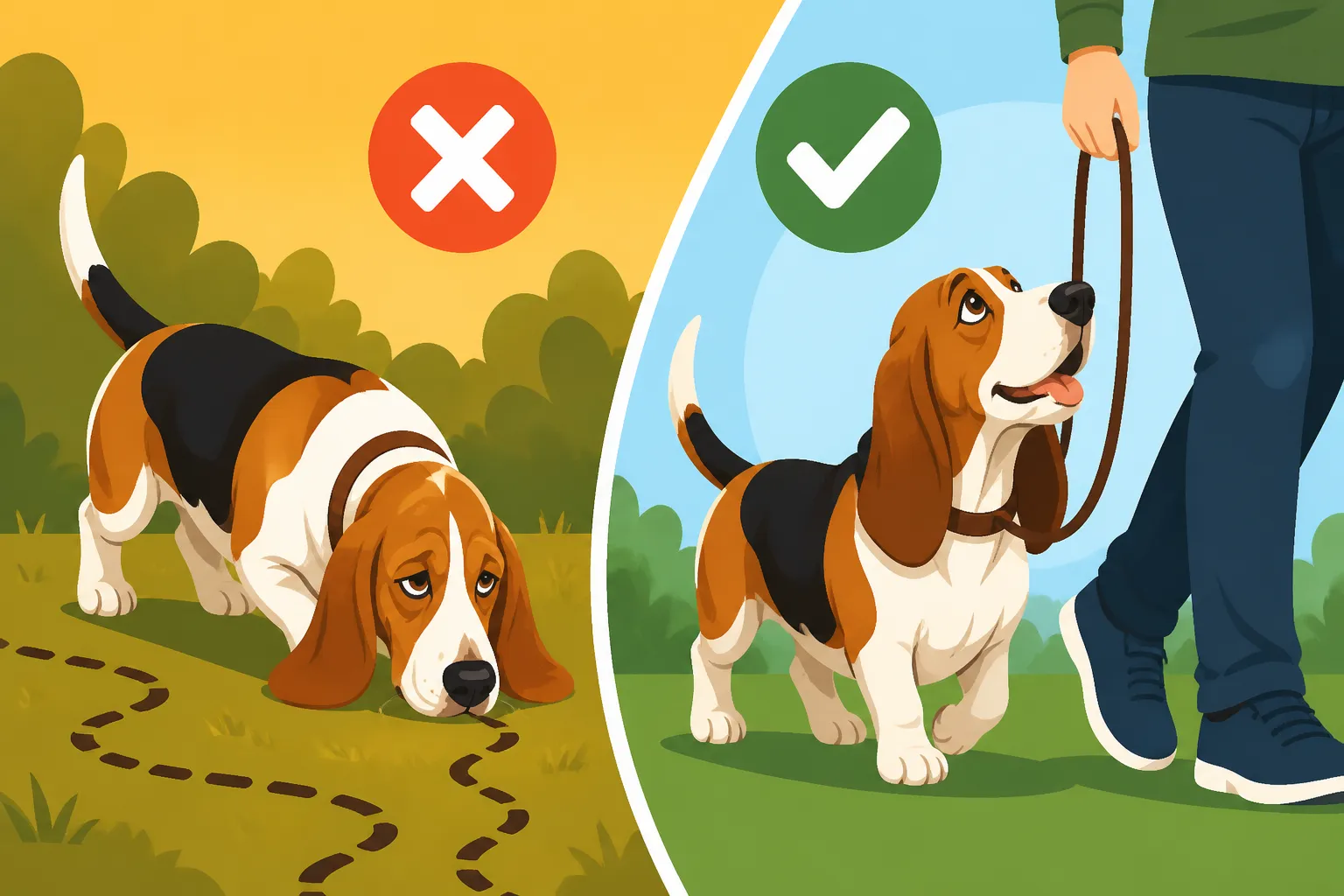
Whether a Basset Hound Can Be Trained Off Trailing
It's a familiar scene for any Basset Hound owner: you're out for a peaceful walk, your beloved hound sniffing along, when suddenly a captivating scent hits their magnificent nose. In that instant, it's as if you cease to exist, and your dog transforms into a four-legged scent machine with one singular focus. The leash goes taut, and your calls fall on seemingly deaf ears as they pull with unyielding determination toward the source of that irresistible aroma. This guide aims to tackle that very common frustration, exploring whether it's truly possible to train a Basset Hound off trailing and what realistic expectations we should have for these scent-driven companions.
Understanding the Basset Hound's Instinct to Trail
Let's be honest, trying to train a Basset Hound not to trail is like asking a fish not to swim. It's fundamental to who they are, etched deep into their very being. Understanding this isn't just an academic exercise; it's the first step toward building a realistic and successful training approach that respects your Basset's innate nature.
The Power of Their Nose and Evolutionary Drive
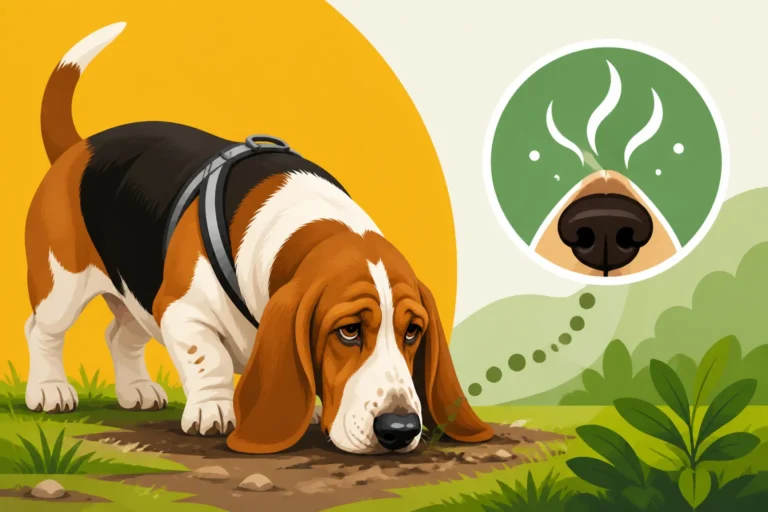
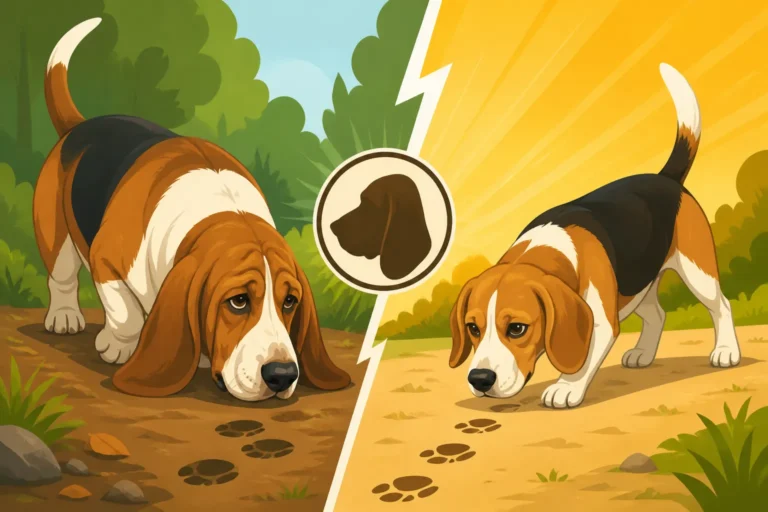
Basset Hounds were purpose-bred for one thing: trailing. Their entire anatomy and temperament are geared towards following a scent trail, often for miles, without deviation. We're talking about a nose that is second only to a Bloodhound's in its incredible capability. Imagine experiencing the world primarily through smell, with an olfactory system so finely tuned it can pick up minute particles left hours or even days ago. When your Basset locks onto a scent, they're not being stubborn or disobedient; they are fulfilling their deepest biological drive. It's an all-consuming experience for them, almost meditative, where the rest of the world fades away. This isn't a behavior they can easily switch off, and it's certainly not a lack of love or respect for you. It's simply their instinct taking over, powerful and ancient. Their long, pendulous ears, often discussed in terms of their charming appearance, actually serve a practical purpose in this endeavor. Why a Basset Hound's Ears Help It Smell – they act like little scent-sweepers, gathering and funneling aromas toward their keen nose, making every sniff an even more immersive experience.
Why "Off Trailing" Is Different From "Come When Called"
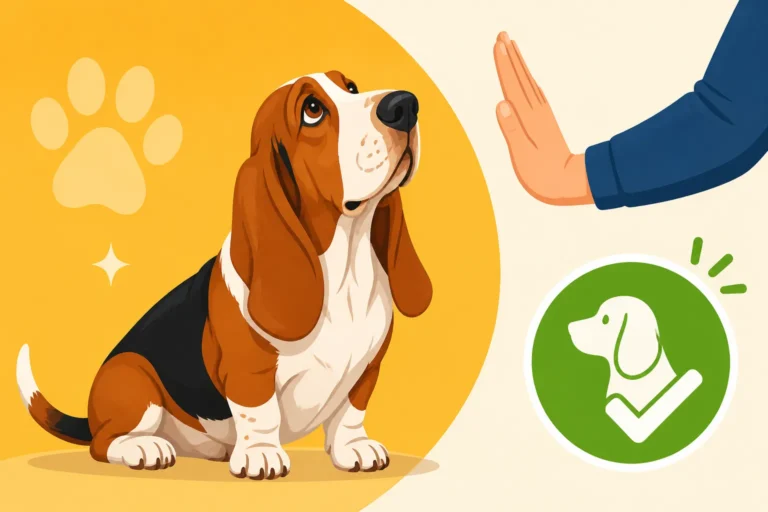
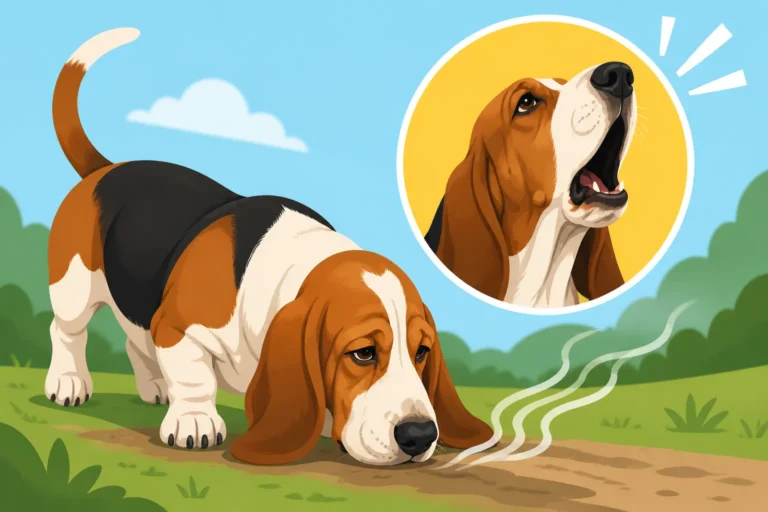
Many owners teach a decent "come when called" in a low-distraction environment. Your Basset might trot happily back to you in the living room for a treat, or even in the backyard when there's nothing too exciting happening. However, "off trailing" is an entirely different beast. When a Basset Hound is on an active scent, their brain is literally rewired. The reward of following that trail far outweighs any treat or praise you might offer in that moment. Their ears might be physically long, but in that specific situation, they might as well be deaf. They are in a state of hyper-focus, a scent-driven trance where your voice registers as mere background noise, if it registers at all. It’s not simply a matter of them choosing to ignore you; it's that the primal instinct to follow the trail has hijacked their cognitive processes. Expecting a perfect recall off a hot rabbit scent is often setting both you and your Basset up for failure and frustration. This is why Why a Basset Hound Ignores You on a Scent is such a common and challenging problem for owners.
The Realities of Training a Basset Hound Off a Scent Trail
Given their powerful instincts, it's crucial to approach training a Basset Hound off trailing with realistic expectations. We’re often not talking about eradicating the behavior entirely, but rather managing it, redirecting it, and teaching them that you can offer something even better.
Managing Expectations: Is "Off Trailing" Truly Possible?
Let's be blunt: a Basset Hound with a truly "off-trailing" command is an exceptionally rare creature, almost mythical. The goal should not be to completely extinguish their natural drive to follow a scent. That's like trying to teach a bird not to fly. Instead, our objective is to build such a strong foundation of alternative behaviors and rewards that your presence and your commands become more compelling than the distant whiff of a rabbit. It's about establishing a relationship where you are the most interesting, most rewarding thing in their environment, even when a tempting scent tries to pull them away. This isn't about breaking their spirit or denying their nature; it's about harnessing it and providing safe, controlled outlets. You might never achieve perfect, 100% recall from an active trail in an uncontrolled environment, and that's okay. The focus should be on safety and clear communication, rather than an unrealistic ideal. It's a journey of patience and consistency, understanding that Whether a Basset Hound Ever Comes When Called is often dependent on the context and the strength of the distraction.
The Importance of High-Value Reinforcement
If you're going to compete with the sheer joy and instinctual reward of trailing, you need to bring out the big guns. Your Basset's regular kibble probably won't cut it when they're captivated by a scent. We're talking about high-value treats that are utterly irresistible. Think cooked chicken, bits of hot dog, cheese, or specialized training treats that have a strong, appealing aroma. The key is to discover what your individual Basset considers the absolute pinnacle of deliciousness. Some Bassets are also highly motivated by specific toys or praise, but for most, especially when battling a scent, food is king.
When you're practicing, always have these high-value rewards ready. They need to associate coming to you, or leaving a scent, with an immediate and incredibly positive experience. This isn't bribing; it's rewarding a desired behavior. The value of the reward must consistently outweigh the intrinsic reward of the scent. Experiment with different treats to find your Basset's ultimate motivator. You can find a vast array of training treats, from soft and chewy to crunchy, on platforms like Amazon, allowing you to try different textures and flavors to pinpoint your Basset's favorite.
Practical Strategies for Modifying Trailing Behavior
Since we can't completely erase their instinct, our next best bet is to implement smart training strategies that empower us to guide their behavior safely and effectively. This involves careful setup, consistent practice, and making ourselves incredibly rewarding.
Controlled Environments and Long Line Work
Training a Basset Hound off trailing never starts with them off-leash in a wide-open field. That's a recipe for disaster. You need to begin in highly controlled environments where you can manage distractions. Start in your home, then a securely fenced yard, gradually moving to quiet, low-traffic parks. The long line is your absolute best friend here. A long line, essentially a very long leash (15 to 50 feet), allows you to give your Basset a sense of freedom while maintaining physical control.
Practice your "come" and "leave it" commands diligently on the long line. Introduce controlled scent distractions, like a hidden treat or a friend walking a different dog, and practice calling them away. When they respond, celebrate like they've just won the lottery and give them that high-value treat immediately. Consistency is paramount. If they learn that sometimes they get to ignore you and sometimes they don't, you'll undermine your efforts. Always make good choices for them by setting them up for success. You can find excellent quality long lines of various lengths and materials on Amazon, which can be invaluable tools for this type of controlled training. Whether a Long Line Is Enough for a Basset Hound is a key question, and while it's a great training tool, it's rarely a substitute for a secure physical fence in the long run.
Building a Rock-Solid "Leave It" and "Come" Command
Building a truly reliable "leave it" and "come" command is paramount for any Basset Hound owner. This takes time, patience, and repetition, always in increasing levels of distraction.
For "Leave It":
- Start simple: Place a low-value treat on the floor, cover it with your hand. Say "Leave it!" The moment your Basset looks away from your hand, reward them with a different, higher-value treat from your other hand.
- Increase difficulty: Gradually uncover the treat. Then, place it on the floor without covering, always being ready to cover it if they go for it.
- Add movement: Roll a low-value treat past them, or drop it accidentally. "Leave it!" Reward for success.
- Introduce scent: Walk past a tempting scent (a small piece of meat on the ground in a controlled area) and practice "Leave it!" This is where the long line becomes essential.
For "Come":
- Make it a party: Practice in a low-distraction area. Run away from your Basset, clap your hands, use an excited voice, and say "Come!" When they reach you, lavish them with praise and a jackpot of high-value treats.
- Vary location: Move to different rooms, then the backyard, then a quiet park on a long line.
- Add distractions: Gradually introduce more tempting sights and smells while still on the long line. Always set them up to succeed.
- Never punish recall: If they eventually come, even slowly, never scold them. You want them to associate coming to you with only positive experiences.
Remember, Bassets are not known for their lightning-fast learning curves in traditional obedience. Whether Short Sessions Suit a Basset Hound is absolutely true; short, frequent, positive training sessions, perhaps 5-10 minutes a few times a day, are far more effective than long, drawn-out drills. Online training platforms, like those offered by BAXTER & Bella, can provide structured courses and support for building these essential commands, often with detailed video tutorials that demonstrate proper technique.
Scent Work as an Alternative Outlet
Instead of fighting their natural inclination, why not lean into it in a controlled way? Providing a constructive outlet for their incredible nose can actually reduce their compulsive need to chase every scent they encounter outdoors. Think of it as satisfying their "inner hunter" on your terms.
- Nose Work/Scent Work Classes: These classes teach your Basset to find specific target odors (like birch or anise) hidden in boxes, rooms, or outdoor areas. It’s mentally exhausting and incredibly rewarding for them.
- Tracking Trials: If you're really ambitious, you could get into formal tracking, where your Basset follows a human scent over a designated course.
- Snuffle Mats and Puzzle Toys: For daily fun at home, snuffle mats (fabric mats with pockets and folds to hide treats) and treat-dispensing puzzle toys are fantastic. They allow your Basset to use their nose to "hunt" for their food, engaging their minds and tiring them out. Whether Nose Work Tires a Basset Hound Out is a resounding yes; even a few minutes of focused scent work can be as tiring as a much longer physical walk.
By giving them a job that utilizes their unique talents, you're fulfilling their needs in a safe and acceptable way, which can, in turn, make them more receptive to your commands when out and about. Amazon is a great place to explore various snuffle mats and puzzle toys to keep your Basset mentally stimulated.
Tools and Techniques to Aid in Trailing Management
While training is key, certain tools and daily management techniques can make a significant difference in keeping your Basset Hound safe and reducing the opportunities for undesirable trailing behavior.
Harnesses and Leash Control
Forget a simple collar when walking a Basset Hound. Their thick necks and strong pulling power mean they can easily slip a collar or cause themselves injury if they lunge after a scent. A well-fitting harness is non-negotiable.
- Front-Clip Harnesses: These are often highly recommended for Bassets. The leash attaches at the dog's chest, which redirects their pulling power sideways rather than allowing them to lean into it. This gives you much more control and makes walks more pleasant for both of you.
- Back-Clip Harnesses: While they don't offer the same directional control as a front-clip, a well-fitted back-clip harness is still far safer than a collar alone.
- Double-Leashing: For Bassets with an exceptionally strong drive or those prone to slipping out, consider using two leashes: one attached to a front-clip harness and one to a flat collar. This provides a backup and extra security.
The right harness can make all the difference in managing your Basset on walks. Ensure it fits snugly but doesn't chafe. Look for durable, comfortable materials. Which Harness Suits a Basset Hound is a common query, and the general consensus points towards harnesses that prevent pulling and ensure safety.
Enrichment and Mental Stimulation at Home
A bored Basset Hound is often a mischievous Basset Hound, and that mischief can manifest as an even stronger desire to find "excitement" in the form of scent trails. Providing ample mental and physical enrichment at home can help.
- Puzzle Feeders: Instead of just putting food in a bowl, use puzzle feeders or scatter their kibble around the house or yard. This makes mealtime an engaging "hunt."
- Chew Toys: Durable chew toys, especially those that can be stuffed with peanut butter or treats and frozen, can keep them occupied for extended periods. Brands like KONG offer a variety of options.
- Interactive Play: Engage in short, energetic play sessions with toys they love. Even Bassets enjoy a good game of tug or fetch (though "fetch" might be more "chase and lie down with the toy").
- Training Games: Incorporate short training games throughout the day. Reviewing commands, teaching new tricks, or playing "find it" with treats hidden around the house keeps their brains active.
Remember, a tired Basset (mentally and physically) is a good Basset. If they have appropriate outlets for their energy and intelligence at home, they might be less inclined to go into full "trailing mode" the moment they step outside. Keeping them mentally stimulated can significantly reduce destructive behaviors, as explored in Whether a Basset Hound Destroys Anything When Bored.
The Realities of Off-Leash Freedom for a Basset Hound
Every dog owner dreams of a perfectly reliable off-leash companion. With a Basset Hound, that dream usually needs to be tempered with a healthy dose of reality and a strong emphasis on safety.
When to Trust (and When Not To)
The simple, honest truth is that for the vast majority of Basset Hounds, off-leash freedom in an unfenced, uncontrolled environment is a high-risk proposition. Their nose is too powerful, their drive to follow a scent too strong, and their "selective hearing" when on a mission is legendary. While you might build an incredibly strong recall in a familiar, low-distraction setting, introducing a truly compelling scent in an open area can override all that hard work in an instant.
The risks are significant:
- Traffic: A Basset with its nose to the ground is oblivious to oncoming cars.
- Getting Lost: They can cover surprising distances quickly, getting disoriented in pursuit of a scent.
- Encounters with Wildlife: They might chase small animals into dangerous situations or encounter larger, aggressive wildlife.
- Dog Parks: Even in a fenced dog park, their focus on scents can lead them away from group play or cause them to ignore you when it's time to leave.
It's safer and more responsible to assume that your Basset Hound should rarely, if ever, be off-leash in an area that isn't completely and securely fenced. Whether a Basset Hound Should Ever Be Off Leash is a question that usually gets a cautious "no" from experienced Basset owners.
The Role of Fencing and Secure Areas
Given the strong trailing instinct, a secure physical fence is truly the best defense for a Basset Hound. This isn't just about keeping other things out; it's about keeping your Basset safely in.
- Height Matters: While Bassets aren't known as Olympic jumpers, a determined hound can surprise you. A fence that is at least 4-5 feet high is generally recommended.
- Digging Prevention: Some Bassets are avid diggers, especially if they catch a scent under the fence line. Consider burying chicken wire along the bottom of the fence or using a concrete footer to deter escape artists.
- Checking for Gaps: Regularly inspect your fence line for any small gaps, loose boards, or areas where your Basset could squeeze through. Their flexible bodies can often get through surprisingly small spaces.
- Invisible Fences: While an invisible fence might work for some breeds, it's generally not recommended for Basset Hounds, especially if their scent drive is strong. The lure of a compelling scent can easily override the momentary discomfort of a static correction, leading them to bolt through the boundary anyway.
For their safety and your peace of mind, investing in a robust, physical fence is one of the most important aspects of Basset Hound ownership, as the question of How High a Fence a Basset Hound Needs directly relates to their natural tendencies.
Comparison of Trailing Management Approaches
Here's a quick look at different approaches to managing a Basset Hound's trailing instinct, highlighting their pros and cons.
| Approach | Description | Pros | Cons |
|---|---|---|---|
| Complete Suppression | Trying to eliminate the trailing instinct entirely through harsh correction. | (None for the Basset's welfare) | Leads to frustration, anxiety, fear, damages bond, ineffective. |
| Management & Redirection | Using controlled environments, long lines, and high-value rewards to guide. | Builds a stronger bond, promotes safety, respects natural instincts. | Requires significant time, patience, and consistency; not 100% reliable off-leash. |
| Scent Work as an Outlet | Engaging their nose in structured activities like nose work games. | Fulfills instinctual needs, mentally stimulating, reduces outdoor drive. | Requires dedicated time and effort; doesn't replace outdoor training. |
| Strict Leash Protocols | Always keeping on a secure leash/harness in unfenced areas. | Ensures maximum safety, prevents getting lost or injured. | Limits off-leash freedom, requires constant vigilance. |
| Secure Fencing | Providing a physically enclosed space for safe off-leash exercise. | Allows true off-leash freedom in a safe environment. | Can be costly to install/maintain; still needs gaps/digging checked. |
Conclusion
The idea of training a Basset Hound completely "off trailing" is a lovely thought, but it's largely unrealistic. Their magnificent noses and deep-seated instincts are part of what makes them who they are – charming, determined, and utterly unique. Instead of fighting against this powerful drive, our role as their loving companions is to understand it, manage it safely, and redirect it into appropriate channels.
This means embracing proactive strategies: consistent, positive reinforcement training with incredibly high-value rewards, especially for "come" and "leave it." It involves the responsible use of tools like sturdy harnesses and long lines, and a firm commitment to providing a physically secure environment, whether that's a rock-solid fence or a dedicated, safe, enclosed area for exercise. Finally, consider activities like nose work that allow your Basset to use their extraordinary sense of smell in a controlled, enriching way. By doing so, you're not just training a dog; you're building a partnership that respects their heritage while ensuring their safety and happiness for all their long-eared, low-slung, scent-following years.
Disclaimer
This article is for general informational purposes only and does not constitute professional advice. Laws, prices and regulations vary by location and change over time. Consult a qualified professional for guidance on your specific situation.