Whether a Basset Hound Should Ever Be Off Leash
It’s a common dream for any dog owner: picturing your beloved companion frolicking freely in an open field, ears flying, tail wagging, then joyfully returning to your side with a single call. For many Basset Hound owners, this idyllic vision quickly crashes into the undeniable reality of their breed’s singular focus. If you've ever wondered if your Basset Hound can truly be trusted off-leash, this guide will delve deep into their natural instincts, the challenges they present, and practical strategies to navigate the desire for freedom while ensuring their safety.
The Irresistible Call of the Wild: A Basset Hound's Scent Drive
The Basset Hound's entire existence, from the tips of their long ears to the sturdy pads of their feet, is engineered around one thing: scent. It’s not just a hobby for them; it’s an all-consuming passion, an ancient directive hardwired into their very being. To truly understand why off-leash control is such a monumental challenge, we have to start with this fundamental aspect of their nature.
The Unparalleled Power of Scent
Imagine a world where every single odor tells a story, a vivid narrative unfolding beneath your nose. That's a glimpse into the Basset Hound's reality. Their nose is often cited as being second only to the Bloodhound in terms of olfactory prowess. They possess an astounding number of scent receptors, and their long, low-slung bodies, droopy ears, and loose dewlaps aren't just for show; they're all perfectly designed tools for enhancing their ability to pick up and follow a trail. Their long ears, for example, sweep scent particles from the ground upwards towards their nose, while the loose skin around their face helps trap and concentrate odors. This isn't just a keen sense of smell; it's a super-sense.
This incredible gift means that a Basset Hound can detect and follow a scent trail that might be hours, even a day, old. A rabbit that crossed the path yesterday, a squirrel that buried a nut last week, or even just the lingering perfume of a human who walked by an hour ago – these are all incredibly vivid and compelling signals to your Basset. When they lock onto a scent, it’s like an emergency siren blares in their brain, overriding all other sensory input and commands. They become completely immersed in the hunt, oblivious to their surroundings, and most importantly, oblivious to you. This is why How Good a Basset Hound's Nose Actually Is is such a critical factor in their behavior.
The Instinct to Trail and Hunt
Basset Hounds were originally bred for hunting small game like rabbits and hares. Their short legs meant hunters could follow them on foot, and their deep, melodious bay kept everyone informed of their progress. This history isn't just a fun fact; it's the blueprint for their behavior today. When a Basset Hound picks up a captivating scent, they are not just "following their nose"; they are fulfilling thousands of years of selective breeding. They aren't being disobedient; they are being a Basset Hound.
This deep-seated instinct means that when a Basset's nose hits the ground and they pick up a tantalizing trail, their internal hunting program kicks in. Their purpose becomes singular: to follow that scent wherever it leads, regardless of fences, roads, or your frantic calls. This isn't a lapse in training or a sign of stubbornness; it's a powerful, primal drive that simply cannot be reasoned with in the moment. It’s why the very idea of a Basset Hound "off-leash" automatically conjures images of a dog disappearing over the horizon, utterly deaf to their owner.
The Elusive Off-Leash Recall: Why It's Different for Bassets
Many dog breeds, with consistent training, can develop a reliable off-leash recall, responding instantly to their owner's voice even amidst distractions. For a Basset Hound, however, a truly reliable off-leash recall in an uncontrolled environment often feels like chasing a mythical creature. It’s not that they can’t learn, but rather that their inherent drives present unique, formidable obstacles.
Distraction Over Obedience
The common frustration among Basset owners is the "selective hearing" that seems to afflict their otherwise loving and attentive hounds. You might have the most well-behaved Basset in the world indoors, responding beautifully to commands, but the moment they step into an outdoor environment with novel scents, that training can seem to vanish. This isn't because your Basset is unintelligent or spiteful; it's because the sensory input from a compelling scent completely overwhelms their capacity to process other information, including your voice.
Imagine trying to concentrate on a quiet conversation while a full symphony orchestra plays at maximum volume right next to you. That's a bit like what happens when a Basset's nose encounters an irresistible trail. The symphony of scent becomes their sole focus, pushing your voice and commands to the periphery, if they register at all. This makes achieving a dependable recall in areas with any kind of interesting scent trail incredibly difficult. Many owners find that The Recall a Basset Hound Will Never Reliably Give You is a painful truth, not a challenge to be overcome.
The "Selective Hearing" Phenomenon
Basset Hounds are often labeled as stubborn, and while they certainly have a strong will, it's more accurate to describe their behavior in these situations as driven by instinct rather than defiance. When a Basset's nose is to the ground, they are in their element, operating on pure instinct. Your calls, no matter how urgent, become mere background noise. They are literally "in the zone," and breaking that concentration is a Herculean task.
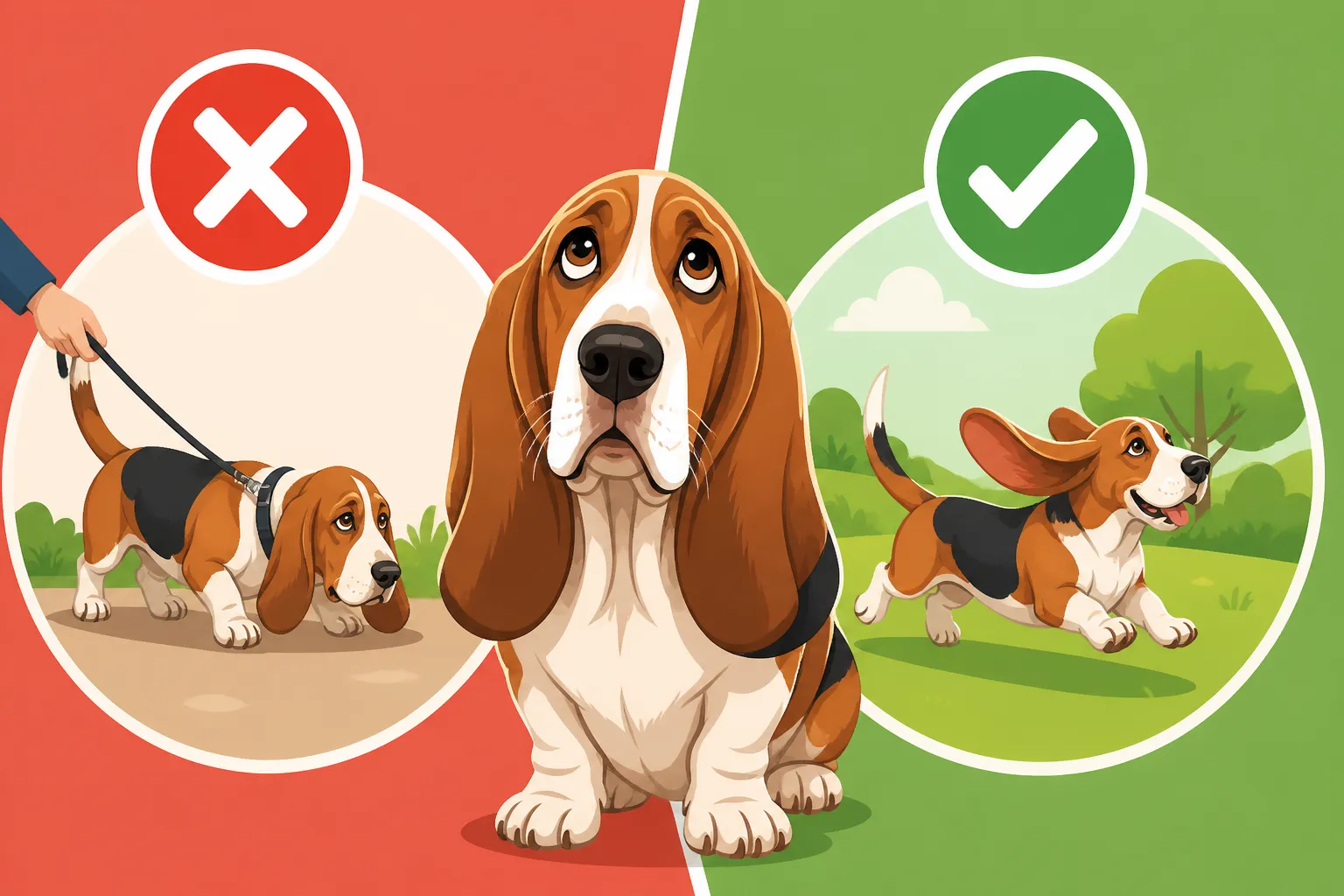
This phenomenon isn't just frustrating; it's dangerous. A Basset lost in a scent trail is oblivious to cars, other animals, or potential hazards. They will follow that trail through dense bushes, across roads, and far from home without a second thought for their own safety. This is why many experienced Basset owners firmly believe that a Basset Hound should rarely, if ever, be off-leash in an unfenced or uncontrolled area. Their deep-seated drive simply makes the risk too high.
The Dangers and Realities of Off-Leash Freedom
While the idea of a dog running free is appealing, for a Basset Hound, it comes with a unique set of significant risks. Understanding these dangers isn't about being overly cautious, but about being a responsible owner who truly understands their breed's inherent characteristics.
The Unseen Hazards of Wandering
The most immediate danger is, of course, traffic. A Basset Hound with its nose glued to the ground is not looking both ways before crossing a street. Their low stature and focused demeanor make them incredibly vulnerable to vehicles. Beyond roads, there are other perils: aggressive dogs, wildlife (which could either injure your Basset or lead them into dangerous situations), toxic plants, or even consuming something harmful off the ground. A Basset's keen nose means they're excellent at finding discarded food, which could include anything from chicken bones to moldy scraps, all of which pose significant health risks. Whether a Basset Hound Follows Its Nose Into Traffic is a very real concern.
Another critical concern is simply getting lost. Basset Hounds can cover surprising distances when on a scent. Their focused nature means they don't always pay attention to where they're going in relation to you. They might follow a trail for miles, completely disoriented from their starting point. While their bay can be heard from a distance, it won't help them navigate home. A lost Basset is a heartbroken owner's worst nightmare, and the unique challenges of their trailing instinct make recovery incredibly difficult once they've truly committed to a scent.
Legal and Social Ramifications
Beyond the direct dangers to your Basset, there are also legal and social implications. Many areas have leash laws, and allowing your Basset to roam off-leash, even if they aren't causing trouble, could result in fines. If your Basset, while following a scent, ends up on private property or causes a disturbance, you could face legal action or angry neighbors. The loud bay of a Basset, while charming to some, can be a major point of contention for others, especially if your dog is baying loudly while pursuing a trail near homes. Whether a Basset Hound Gets Its Owner a Noise Complaint is a genuine concern if left unchecked.
Furthermore, an off-leash Basset, even if friendly, can cause anxiety for other dog owners who might have reactive dogs or people who are simply uncomfortable around loose animals. The perception that your Basset is "just following its nose" doesn't mitigate the fear or frustration of others. Responsible pet ownership includes ensuring your dog's behavior doesn't negatively impact the community, and for Basset Hounds, that almost always means keeping them securely leashed or contained.
Creating a Safe "Off-Leash" Environment for Your Basset
Given the challenges, the question then becomes: how can a Basset Hound experience freedom safely? The answer lies in creating controlled environments and utilizing tools that give you peace of mind while respecting their natural instincts.
Designated Safe Spaces
The safest "off-leash" experience for a Basset Hound is undoubtedly within a securely fenced area. This means a physical fence that is tall enough and sturdy enough to prevent them from jumping over or digging under. Bassets, despite their short legs, can be surprisingly agile when motivated, and their tenacity can lead them to explore any perceived weakness in a fence line. How High a Fence a Basset Hound Needs is often higher than owners expect. A solid 4-foot fence is usually the minimum, with consideration for digging prevention along the base. Regularly inspect your fence for weak spots, loose boards, or areas where digging might allow an escape.
Dog parks can sometimes offer a good solution, but they come with their own set of caveats. Ensure the park is double-gated and the fencing is truly secure. More importantly, observe your Basset's behavior. If they immediately tune out to chase every scent, ignoring your presence, then even a dog park might not be a truly "safe" off-leash environment for them. Some Bassets do well, enjoying the social interaction, while others will spend the entire time nose-to-ground, utterly absorbed in the olfactory world, making it a stressful experience for the owner.
The Role of Long Lines and Tracking Devices
For exploration beyond a fenced yard, a long line is an invaluable tool. This isn't just a longer leash; it's a training aid that allows your Basset to roam further while you maintain control and the ability to intervene if they pick up a dangerous scent. Long lines, often 15 to 30 feet in length, give your Basset a sense of freedom while keeping them physically connected to you. They are fantastic for training recall in a controlled manner, allowing you to practice calling them back before they reach the end of the line, thereby preventing the habit of completely ignoring you. You can find excellent quality long lines on platforms like Amazon, offering a variety of lengths and materials. Whether a Long Line Is Enough for a Basset Hound depends on your definition of "enough" – it provides safety, not true unrestricted freedom.
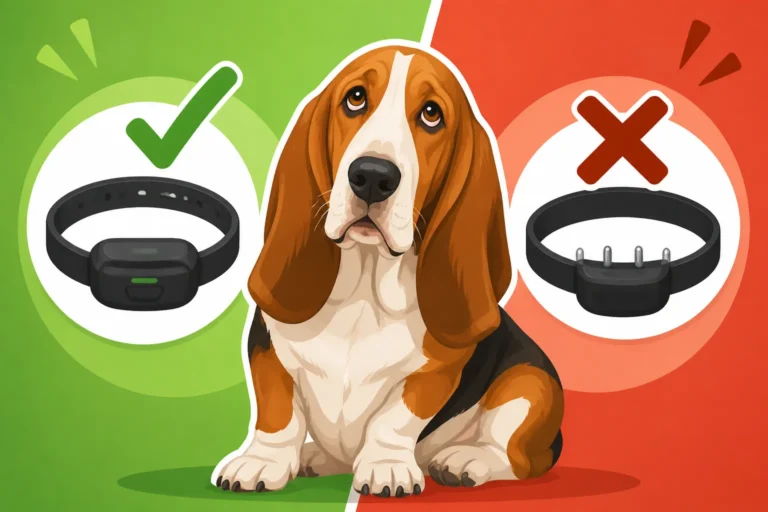
Even with a long line, many Basset owners invest in GPS tracking devices. These small, lightweight trackers attach to your dog's collar and can provide real-time location data via an app on your smartphone. Should your Basset somehow slip their leash or escape a gate, a tracker offers an invaluable tool for quick recovery. This technology offers an extra layer of security, recognizing the undeniable reality of a Basset's powerful scent drive. It's a pragmatic approach for a breed that is so driven by its nose. Whether a Basset Hound Should Wear a Tracker is a resounding yes for many owners.
Essential Gear and Training Strategies for Controlled Freedom
Given the Basset Hound's unique physical and behavioral traits, equipping yourself with the right gear and employing specific training strategies are paramount to their safety and your peace of mind.
The Right Harness for a Houdini
A well-fitting harness is non-negotiable for a Basset Hound. Their loose skin and thick necks can make collar-only walking precarious, as they are surprisingly adept at slipping out of a standard collar, especially when a tempting scent calls to them. A good harness distributes pressure across their chest and shoulders, reducing strain on their neck and making it much harder for them to back out of it. Look for harnesses with multiple adjustment points and a secure fit around the rib cage and shoulders. Many brands offer "escape-proof" designs that provide an extra strap around the waist, specifically designed for breeds known for their Houdini-like abilities.
When selecting a harness, prioritize comfort and durability. A padded harness will prevent chafing, especially important for a Basset's sensitive skin, and robust buckles and straps will stand up to their strong pulling power when they inevitably latch onto a scent. Consider a front-clip harness for better leash control, as it redirects their pulling power towards you, making walks more manageable.
Focused Training Beyond the Basics
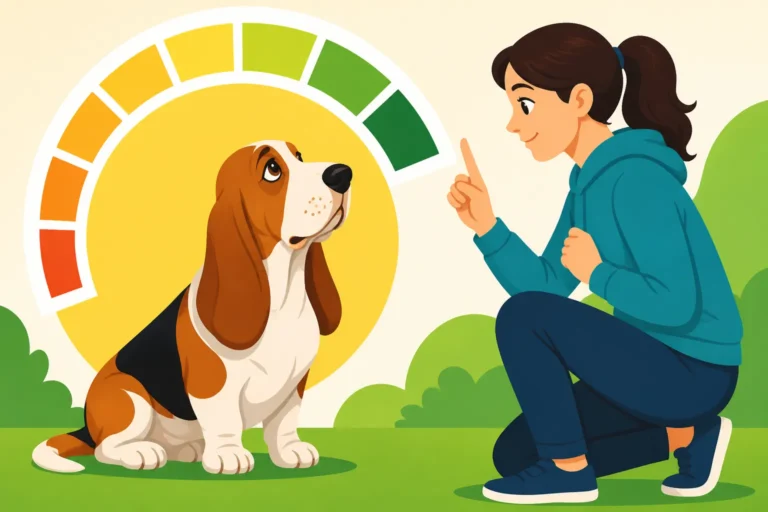
While a truly reliable off-leash recall in all situations might be aspirational, focusing on rock-solid foundational training is crucial. This includes:
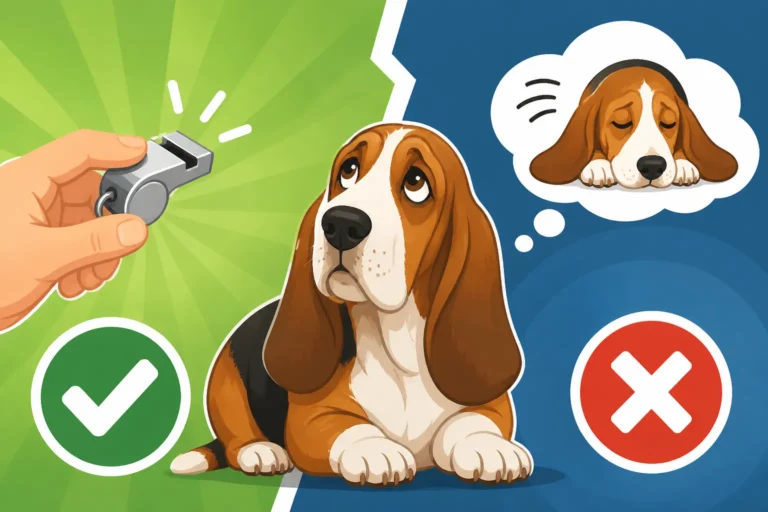
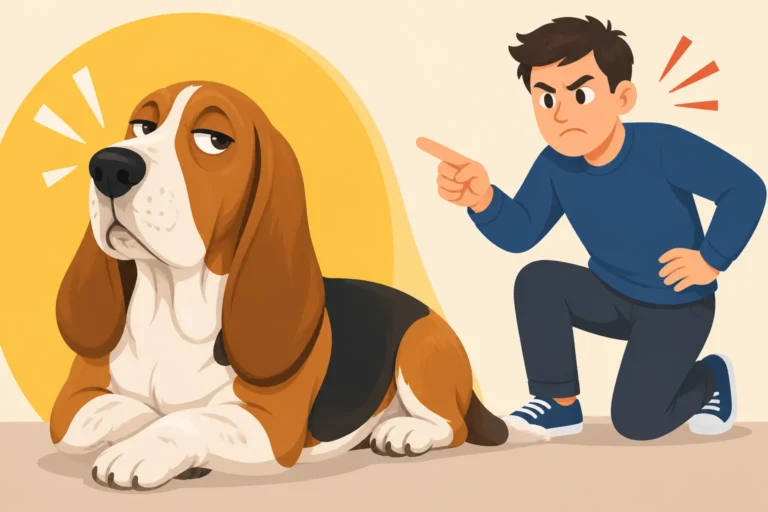
- Positive Reinforcement for Recall: Practice recall daily in increasingly distracting environments, always making coming to you the most rewarding experience. Use high-value treats (like small pieces of cheese or cooked chicken) and enthusiastic praise. Never punish your Basset for a delayed recall; always make it a positive experience.
- "Leave It" and "Drop It": These commands are vital for preventing your Basset from ingesting something dangerous they've found while nose-to-ground. Consistent practice with various temptations is key.
- Leash Manners: Teach your Basset to walk politely on a leash without pulling. A well-behaved leash walker is much easier to manage and less likely to put undue strain on their body or yours.
- Scent Work as an Outlet: Rather than fighting their natural instincts, embrace them! Activities like nose work, tracking, or even just using a snuffle mat or scattering kibble in the yard can provide a fantastic mental outlet for your Basset's powerful nose. Engaging their primary drive in a controlled way can make them more content and less inclined to go rogue on walks. Programs like BAXTER & Bella offer excellent online resources that can guide you through positive reinforcement training and help channel your Basset's natural abilities in constructive ways.
Here's a quick comparison of popular tools for managing Basset Hound freedom:
| Tool | Description | Pros | Cons | Best Use Case |
|---|---|---|---|---|
| Securely Fenced Yard | Physical barrier preventing escape. | Complete freedom within safe bounds. | Costly, requires maintenance, Bassets can dig. | Daily potty breaks, playtime, safe "off-leash" exercise at home. |
| Long Line | 15-30 ft lead for controlled exploration. | Allows extended sniffing, safe recall practice, still connected to owner. | Can get tangled, requires active handler attention, not true freedom. | Park walks, open fields, beach, anywhere with space but potential hazards. |
| GPS Tracking Collar | Device attached to collar that transmits location data. | Peace of mind, aids in recovery if dog escapes. | Requires battery charging, subscription fees, not a substitute for leash. | Layer of security for any outdoor activity, especially if off-leash. |
| Escape-Proof Harness | Body harness with extra security features (e.g., belly strap). | Prevents slipping out, better control than collar, distributes pressure. | Can be bulky, requires correct fit, Bassets might still pull. | All walks, especially in busy areas or with strong pullers. |
For Basset Hounds, the concept of "off-leash" is almost always intertwined with the word "control." It's about providing enriching experiences that cater to their instincts while safeguarding them from the world's dangers. By understanding their powerful nose, embracing appropriate gear, and committing to ongoing, positive training, you can strike a balance between their need to explore and their fundamental safety. You might not have the dog that jogs beside you off-leash on a mountain trail, but you can certainly have a happy, well-adjusted Basset Hound who gets to indulge their magnificent nose in a secure and loving way.
Disclaimer
This article is for general informational purposes only and does not constitute professional advice. Laws, prices and regulations vary by location and change over time. Consult a qualified professional for guidance on your specific situation.