The Twelve Inch Ears a Basset Hound Was Given on Purpose
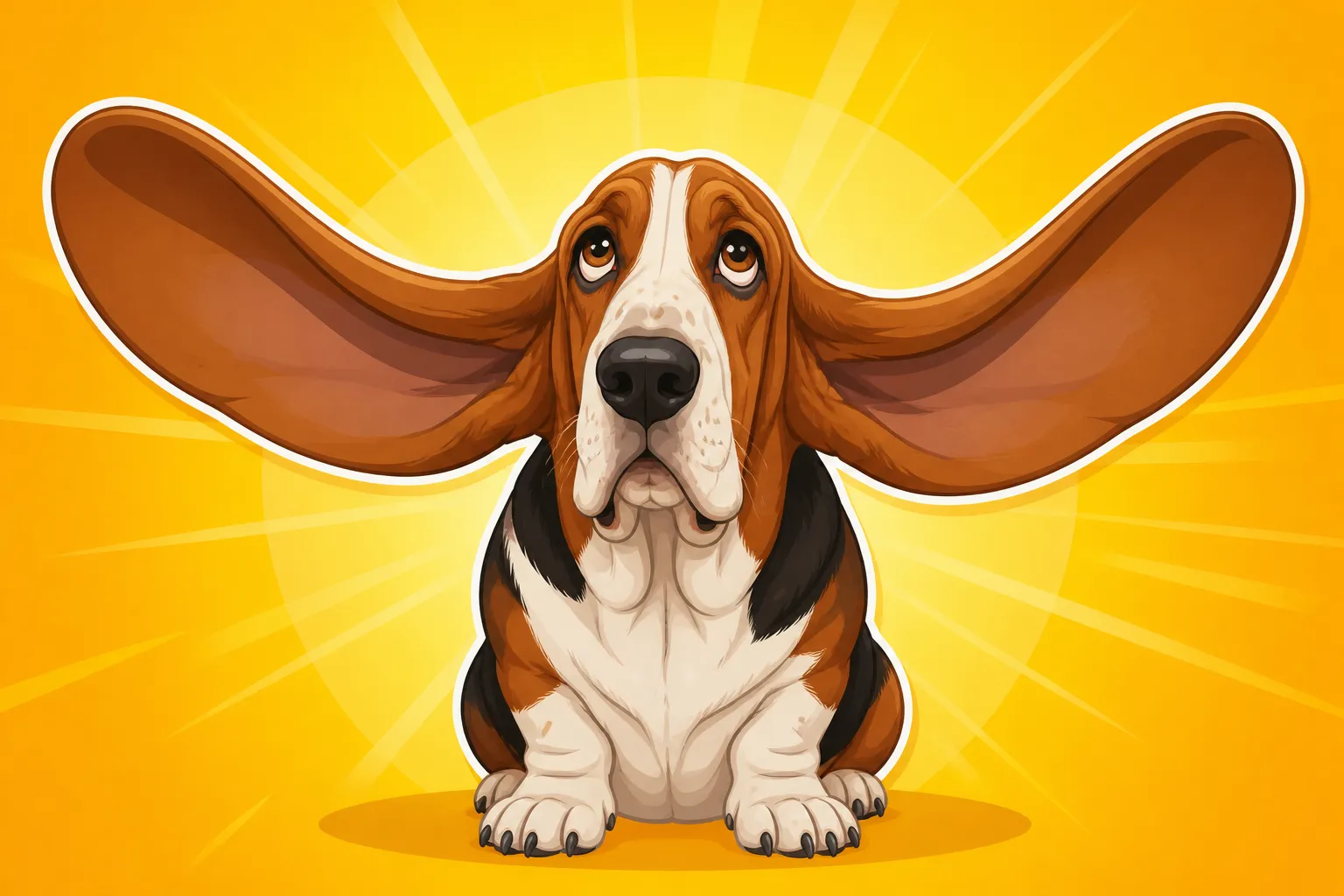
If you've ever spent time around a Basset Hound, you know that their ears are impossible to ignore. They are famously, wonderfully, ridiculously long, often dragging on the ground, dipping into water bowls, and sweeping across your floor. But these magnificent floppy ears aren't just a quirky aesthetic; they are a marvel of canine engineering, deliberately designed over centuries for a very specific and crucial purpose, which this guide will explore in depth.
The Ancestral Design: Why Basset Hounds Got Long Ears
It's easy to look at a Basset Hound today and marvel at its unique features, including those incredibly long, velvety ears. But these aren't just random genetic quirks; they are the result of centuries of selective breeding, carefully honed by hunters who understood exactly what they needed in a scent hound. These dogs weren't just meant to find a trail; they were meant to stick to it, slowly, deliberately, giving their human companions plenty of time to keep up on foot. And for that, those ears were absolutely essential.
The Hunter's Ideal: A Slow, Steady Tracker
Imagine hunting in dense forests or over varied terrain, long before modern firearms and vehicles. Hunters needed a dog that could meticulously follow a scent trail without getting too far ahead. A fast dog might outrun the scent, miss subtle changes, or simply disappear into the undergrowth, leaving the hunter behind. This is where the Basset Hound's ancestors, originating in France, truly shone. These "bas" or "low" hounds were bred specifically for their ability to work at a slower, more methodical pace. Their short legs certainly contributed to this, but their ears played an equally vital, if often overlooked, role in their tracking prowess. They were the original slow-and-steady wins the race champions of the hunting world.
These ancient hounds, often linked to the St. Hubert hounds of medieval abbeys, were developed to be persistent. Hunters could trust them to unravel even the most convoluted trail of a rabbit or deer, giving chase over hours rather than minutes. The length and texture of the ears were no accident; they were a deliberate feature designed to enhance the dog's already phenomenal sense of smell. It was about creating a canine tool that was perfectly adapted to its job, and those long ears were a key part of the blueprint. The whole dog, from its sturdy frame to its drooping eyes and immense ears, was crafted for one purpose: to follow a scent and report back.
The Legacy of Scent Hounds
The Basset Hound's lineage is steeped in the tradition of scent hounds, a group of dogs prized for their olfactory capabilities. Breeds like the Bloodhound, with its equally impressive nose and droopy features, share a common ancestry rooted in the need to track game. For a scent hound, the nose is everything, and every physical attribute that enhances its function is considered an asset. In this context, the Basset Hound's ears are not merely decorative; they are specialized sensory equipment. They are a testament to the meticulous observation and selective breeding practices of generations of hunters and dog enthusiasts.
The idea that every part of a working dog has a purpose is paramount in understanding breeds like the Basset Hound. Their entire physical makeup, right down to the texture and placement of their ears, is a symphony of adaptations for scent work. This deliberate design ensured that they could perform their job with unmatched efficiency. It's truly fascinating to think that these endearing floppy ears, which might seem cumbersome to us, were once the cutting edge of scent detection technology. You can see echoes of this design in many traditional hound breeds, but the Basset Hound truly perfected the art of the long ear.
How the Basset Hound's Ears Aid Its Extraordinary Nose
The Basset Hound is renowned for having one of the most powerful noses in the canine kingdom, often said to be second only to the Bloodhound. While the internal mechanics of their olfactory system are certainly impressive, their external anatomy, particularly those long ears, plays a crucial and often underestimated role in maximizing their scenting ability. It's a holistic system where sight, sound, and smell converge, all guided by those magnificent appendages.
Sweeping and Concentrating Scent
Imagine a Basset Hound with its nose to the ground, working a trail. As it moves, those long, heavy ears swing gently from side to side, almost like miniature brooms. This motion isn't just for show; it actively helps to stir up and collect scent molecules from the ground. These scent particles, previously dispersed or lying dormant, are then funneled upwards directly towards the dog's nostrils. It's like having built-in atmospheric enhancers, ensuring that every possible whiff of a trail is captured and directed where it needs to go. This mechanism greatly increases the concentration of scent reaching the nose, making it easier for the dog to follow even faint or aged trails.
The ears also create a sort of "scent tunnel" around the Basset Hound's face. When the dog's head is down, diligently following a track, the long ear flaps hang low, essentially blocking out peripheral distractions and creating a confined space around the nose. This helps to trap scent molecules, preventing them from dissipating too quickly into the wider environment. It focuses the scent field, making the dog's task of discriminating one scent from another much more efficient. Think of it like a sound engineer using a directional microphone; these ears act as natural parabolic dishes for scent.
Blocking Distractions and Enhancing Focus
Beyond physically manipulating scent, the Basset Hound's heavy, pendulous ears serve another vital purpose: they act as blinkers, both visually and audibly. When a Basset Hound is deep in concentration, its head down, those long ears can partially obstruct its peripheral vision. This isn't about blinding the dog, but rather minimizing visual distractions from the sides, allowing it to remain intensely focused on the scent trail beneath its nose. This single-minded dedication to a trail is one of the hallmarks of the breed.
Furthermore, the thickness and weight of the ear flaps can also dampen external sounds. While a Basset Hound isn't deaf to its surroundings, the ears can muffle ambient noise, further aiding its concentration on the subtle nuances of a scent. This combination of visual and auditory filtering helps the Basset Hound maintain an almost trance-like focus when on a scent, making it an incredibly persistent and effective tracker. It's why they can seem to "go deaf" when they catch an interesting smell – their entire sensory system has shifted gears to prioritize that olfactory input. They really do put their whole being into scent work, and those ears are a fundamental part of that process. Why a Basset Hound Ignores You on a Scent is a common frustration tied directly to this incredible focus.
Beyond Scent: Other Functions and Frustrations of Long Ears
While their primary purpose is undeniably scent-related, a Basset Hound's long ears have other effects, some beneficial and some that present unique challenges for their owners. It's a classic case of form following function, but sometimes that function comes with a few extra quirks. Owners quickly learn that these ears are a package deal – incredible tracking ability comes with specific care requirements and everyday realities.
Protection from Debris and Injury
Paradoxically, these large, trailing ears can also offer a degree of protection. When a Basset Hound is pushing through dense undergrowth, brambles, or tall grasses while tracking, its ears can act as a natural shield for the delicate inner ear canal. They might get scratched or dirty, but they protect the more sensitive structures beneath from direct impact or scrapes. This is particularly relevant given their original purpose as hunting dogs, often navigating challenging outdoor environments.
However, this protection comes at a cost. The sheer size and weight of the ears, combined with their low-slung nature, make them susceptible to various minor injuries. They can get stepped on by the dog itself, caught on furniture, or even snagged on thorns. The constant dragging can lead to irritation or small cuts on the ear tips. Owners often find themselves checking their Basset's ears for little nicks and scrapes after an enthusiastic outdoor adventure. It's a trade-off: protection for the inner ear, but increased vulnerability for the outer ear flap. Whether a Basset Hound Steps on Its Own Ears is a very real concern for many owners.
The Inevitable Mess: Food, Water, and Everything Else
Anyone who has shared their home with a Basset Hound knows the undeniable truth: those long ears get into everything. Mealtime becomes an exercise in creative problem-solving as ears drag through food and water bowls. The ends of the ears become stained, wet, and often covered in bits of kibble or whatever delicious (or not-so-delicious) thing the Basset has recently investigated. This isn't just a minor annoyance; it contributes to a whole host of hygiene and potential health issues.
Picture your Basset joyfully slurping water, only for half its ear to end up submerged. Not only does this make the ear wet and heavy, but it also creates a warm, moist environment ripe for bacterial or yeast growth within the ear canal. The same goes for food. Sticky, crumbly food residues clinging to the ear tips are not only unsightly but also attract dirt and can lead to skin irritation. Many Basset owners invest in specialized bowls, like narrow, deep "basset bowls" or elevated feeders, and many will even use a "snood" – a fabric tube worn over the head – to keep those ears clean and dry during meals. It's a testament to the dedication Basset owners have to managing these beautiful, yet perpetually messy, appendages. Whether a Basset Hound Needs a Snood at Dinner is a conversation many Basset owners have.
The Impact of Ear Length on a Basset Hound's Health
Those iconic, long, droopy ears are undeniably charming, a hallmark of the Basset Hound's endearing appearance. However, their unique structure, while perfect for scenting, unfortunately creates a predisposed environment for a range of persistent health issues. It's one of the realities of living with this wonderful breed: those long ears demand vigilant care to keep them healthy.
Chronic Ear Infections: A Basset Hound's Rite of Passage
The biggest and most common health challenge associated with a Basset Hound's ears is recurrent ear infections. Their ear canals are long, narrow, and often have a natural bend, making them difficult to ventilate and clean. When you add the heavy, floppy ear flaps that seal off the ear canal from fresh air and trap moisture, you've created a perfect breeding ground for bacteria and yeast. This isn't a "maybe" for a Basset Hound; it's almost an inevitability. Most Basset owners will deal with ear infections multiple times over their dog's life, and some dogs suffer from them almost constantly.
The symptoms are all too familiar to Basset owners: head shaking, pawing at the ears, a foul odor, redness, and discharge. It's heartbreaking to see your beloved hound in discomfort. Treatment typically involves veterinary examination, often an ear cytology or culture to identify the specific pathogen (is it yeast, bacteria, or both?), followed by a course of specialized ear cleaning solutions and prescription ear drops. The frustrating part is that even with diligent treatment, these infections often recur because the underlying anatomical predisposition remains. It's a cycle that requires proactive management. Whether Every Basset Hound Gets Ear Infections is a question many new owners ask, and the answer is often a resounding "yes" or "very likely."
Aural Hematomas: The Swollen Ear Flap
Another common issue directly linked to the Basset Hound's ears, particularly when chronic ear infections are present, is an aural hematoma. This occurs when vigorous head shaking, often in response to an itchy or painful ear infection, causes blood vessels within the ear flap (pinna) to rupture. Blood then collects between the cartilage and skin of the ear, leading to a swollen, often warm, and very painful "pillow" on the ear flap. It looks alarming, and it certainly is for the dog.
Aural hematomas usually require veterinary intervention. The most common treatment is surgical, involving draining the fluid and stitching the ear flap in a way that allows the two layers to re-adhere, preventing further fluid accumulation. If left untreated, the hematoma can scar and cause the ear flap to shrivel and deform, often referred to as "cauliflower ear." It’s a painful and costly complication that highlights the importance of addressing ear infections promptly to prevent the head shaking that can lead to this issue. It's a stark reminder that those long, floppy ears are not just cute; they are a significant responsibility. What an Aural Hematoma Repair Costs on a Basset Hound can be a real shock to an owner's finances.
Skin Issues Under the Ears
The skin directly beneath the heavy ear flaps is also prone to problems. Because air circulation is poor and moisture can easily get trapped, this area can become warm and humid, leading to skin fold dermatitis or yeast infections. The folds and wrinkles on a Basset Hound's face and neck are already areas that need attention, but the skin under the ears is particularly vulnerable due to the constant covering.
This can manifest as redness, inflammation, hair loss, and a distinctly unpleasant odor. Regular lifting and airing of the ears, along with gentle cleaning of the skin directly underneath, can help prevent these issues. Sometimes, medicated wipes or topical treatments are needed to manage the skin health in this area. It's another aspect of daily care that Basset owners must be mindful of, adding to the list of considerations for those long, purposeful ears.
Living with Long Ears: Daily Care and Management
Owning a Basset Hound with its magnificent long ears means signing up for a commitment to regular, thorough ear care. It’s not a chore you can skip; consistent attention is absolutely vital to prevent discomfort, infection, and expensive veterinary bills. Think of it as a small price to pay for those endearing floppy companions.
The Essential Ear Cleaning Routine
For Basset Hounds, ear cleaning isn't just a periodic maintenance task; it's a twice-weekly ritual, sometimes even more frequently if your hound is prone to infections or loves to explore damp, muddy environments. The goal is to keep the ear canal dry, clean, and free of wax and debris that could harbor pathogens. You'll need a veterinarian-approved ear cleaning solution – something gentle, drying, and formulated for canine ears. I've found many great options for ear care on Chewy, which makes it easy to keep stocked up.
Start by gently lifting the ear flap and inspecting the visible part of the ear canal. Look for redness, swelling, unusual discharge, or a foul smell. If everything looks normal, proceed with cleaning. Apply a generous amount of ear cleaner directly into the ear canal, enough to fill it. Then, gently massage the base of the ear for about 30 seconds. You should hear a squishing sound, which means the cleaner is working its way down the canal and loosening debris. Finally, allow your Basset to shake its head – this helps to dislodge the cleaner and gunk. Use cotton balls or soft gauze wrapped around your finger to wipe away any excess cleaner and debris from the visible parts of the ear. Never use cotton swabs inside the ear canal, as this can push debris further in and damage the eardrum. How Many Times a Week a Basset Hound's Ears Need Flushing really depends on the individual dog, but twice a week is a good baseline.
Managing Moisture and Airflow
Because moisture is the enemy of a Basset Hound's ears, proactive steps to manage it are crucial. After baths, swimming, or even just a particularly damp walk, it's essential to thoroughly dry the inside of the ear flaps and the opening of the ear canal. You can use a soft towel or even a low-setting hairdryer (held at a safe distance) to ensure the area is completely dry. Leaving moisture trapped under those heavy ear flaps is an open invitation for yeast and bacteria to flourish.
Consider also the environment your Basset lives in. If they frequently get their ears wet, explore options like snoods for meal times or even during outdoor play near water sources. Periodically lifting and airing out their ears can also be beneficial, allowing fresh air to circulate. Some owners might even gently pin their Basset's ears back with a soft clip for a short period after a bath to ensure maximum airflow. It might look a little silly, but a healthy ear is a happy ear! Whether a Basset Hound's Ears Should Be Dried After Swimming is a definitive yes, without a doubt.
Choosing the Right Tools and Products
Having the right arsenal of ear care products makes all the difference. Beyond the ear cleaning solution, you might want to keep some soft facial wipes specifically designed for dogs to clean the outer ear flaps and the skin around their face folds. For particularly persistent wax, your vet might recommend a wax-dissolving solution. Always choose products specifically formulated for dogs, as human products can disrupt the delicate pH balance of a dog's ear.
When it comes to bowls, a narrow, deep bowl is a game-changer for keeping ears out of food and water. You can find these easily on Chewy, often marketed as "Basset bowls" or "spaniel bowls." Snoods are another excellent investment, especially for long-eared breeds. They are inexpensive fabric tubes that slide over the head, holding the ears back and out of the way during meals. These small adjustments can dramatically reduce the daily mess and help prevent moisture build-up, making your life and your Basset's ears much cleaner and healthier.
Here's a quick comparison of ear care tools:
| Tool/Product | Purpose | Usage Frequency | Benefit | Caution |
|---|---|---|---|---|
| Ear Cleaning Solution | Flushes out debris, helps dry ear canal | 1-2 times/week | Prevents infection, reduces odor | Use vet-approved, canine-specific solution |
| Cotton Balls/Gauze | Wiping visible ear parts, absorbing cleaner | As needed with cleaner | Gentle, prevents pushing debris deeper | Never use cotton swabs in ear canal |
| Snood | Keeps ears out of food/water | Meal times, messy play | Prevents wet, dirty ears | Ensure comfortable fit, not too tight |
| Narrow/Deep Bowl | Prevents ears from dipping into food/water | Every meal | Reduces food/water contamination of ears | Ensure dog can still access food/water |
| Soft Towel/Hairdryer | Drying ears after bathing/swimming | As needed | Prevents moisture retention, fungal growth | Low setting, safe distance, avoid burns |
| Medicated Wipes | Cleaning outer ear folds, minor skin irritation | As directed by vet | Addresses localized skin issues | Use only as prescribed by veterinarian |
The Role of Ear Length in Breed Standards and Breeding
The distinctive long ears of the Basset Hound are more than just a functional trait; they are a defining characteristic embedded deeply within the breed's official standards. For breeders, these ears represent not only history and purpose but also a significant responsibility to balance aesthetic ideals with the health and well-being of the dogs.
Conformation and Ideal Ear Presentation
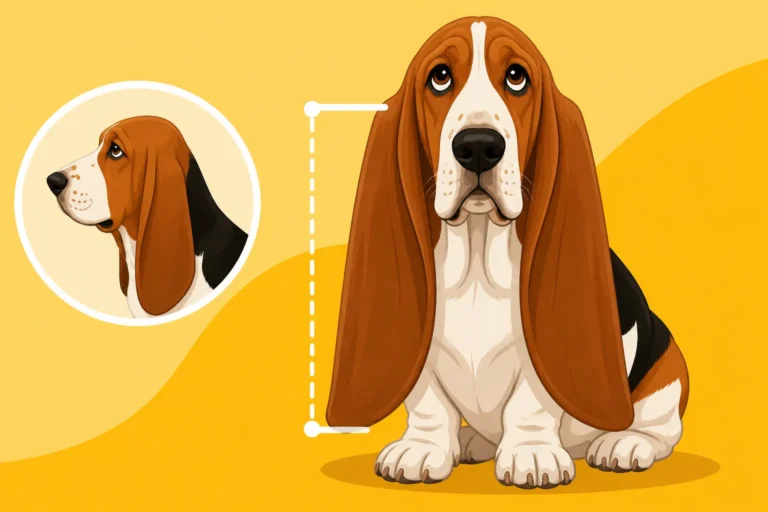
Breed standards, set by kennel clubs like the American Kennel Club (AKC) or the Kennel Club in the UK, meticulously describe the ideal Basset Hound ear. They often specify length – stating that the ear, when extended forward, should at least reach the tip of the nose, and sometimes even extend beyond. They also detail the texture (soft, velvety), the set (low on the head, just below the line of the eye), and the way they fold and hang (long, pendulous, and falling in graceful folds). These standards are not arbitrary; they reflect the historical purpose of the breed. The longer the ear, the better it was believed to sweep and trap scent.
For show breeders, achieving these specific ear characteristics is paramount. They select breeding pairs based on how well their offspring conform to these ideals, including ear length, texture, and set. While striving for an aesthetically perfect ear, responsible breeders also consider the overall health of the dog. It's a delicate balance to produce an animal that embodies the breed's iconic look while also being healthy and sound. The emphasis on these physical traits, including the ears, helps maintain the breed's distinct identity and ensures that future generations retain the characteristics that define a Basset Hound.
Health Considerations in Breeding Choices
While ear length is a cherished breed trait, ethical breeders are acutely aware of the associated health challenges, particularly chronic ear infections. A truly responsible breeder will prioritize health alongside conformation. This means not only screening their breeding stock for genetic conditions relevant to the breed but also being transparent about the prevalence of ear issues in their lines and advising puppy buyers on proper ear care.
Some breeders might argue that while the long ears are characteristic, excessively long or thick ears can exacerbate health problems. However, moving away from the breed standard for ear length is a complex decision, as it fundamentally alters a core identifying feature of the Basset Hound. Instead, the focus is often on managing the consequences: educating owners, encouraging meticulous ear hygiene, and selecting for dogs with good overall ear health within the established standard. The Health Tests a Basset Hound Breeder Should Run would typically include general health screenings, but ear health, while not a specific genetic test, is a practical consideration for a responsible breeder to discuss with potential puppy owners.
The Debate Over Extremes
In any breed with distinct physical features, there's always a discussion, sometimes a debate, about whether breeding for extreme characteristics goes too far. For the Basset Hound, the length and heaviness of the ears, along with the degree of loose skin and low-slung body, are often part of this conversation. While enthusiasts adore the traditional look, welfare advocates and some veterinarians raise concerns about how these exaggerated features can impact the dog's quality of life.
The balance lies in preserving the breed's historical traits and function without inadvertently causing suffering. Ethical breeders aim for moderation and soundness, selecting for dogs that conform to the standard but also exhibit robust health. This means carefully considering ear structure, ensuring good ventilation within the canal, and striving to produce dogs that are not overly predisposed to severe, intractable ear infections. It’s a continuous effort within the breeding community to uphold the integrity of the breed while always putting the welfare of the individual hound first. Whether a Basset Hound Was Bred to Be Outrun by Hunters speaks to the origins of the breed's physical traits, including ear length, which were all designed for a specific hunting purpose.
Dispelling Myths and Common Misconceptions About Basset Hound Ears
Given their unique appearance and the well-known health issues, Basset Hound ears are often the subject of various myths and misunderstandings. As owners and admirers of this fascinating breed, it's important to separate fact from fiction to better understand and care for these magnificent appendages.
"They're Just for Looks"
One of the most common misconceptions is that a Basset Hound's long ears are purely an aesthetic choice, perhaps bred for cuteness or to conform to a whimsical image. While they are undeniably adorable, this idea completely overlooks their deeply rooted functional purpose. As we've explored, those ears were deliberately designed by early breeders to be a critical tool in scent tracking. They help gather and concentrate scent molecules, creating an enhanced olfactory field for the dog.
The length, the folds, and even the velvety texture all contribute to their effectiveness in sweeping and trapping scent. They are a prime example of form following function in the animal kingdom, perfectly adapted to help a Basset Hound excel at its original job as a slow-paced, meticulous hunter. To suggest they are "just for looks" is to diminish centuries of careful breeding and the profound understanding early hunters had of canine anatomy and scent work. Their utility is undeniable, even if their appearance makes us smile. Whether a Basset Hound's Ears Stir Scent Toward Its Nose is a concept rooted in scientific observation and historical breeding practices, not just aesthetic preference.
"Basset Hounds Are Deaf Because of Their Ears"
Another myth that sometimes circulates is that Basset Hounds are somehow hard of hearing or even deaf due to their heavy, floppy ears. This is simply not true. While the ears can muffle external sounds slightly when the dog's head is down and they are deeply engrossed in a scent trail, this is a function of focus, not a permanent impairment. Basset Hounds have perfectly capable hearing, and often, their hearing is quite acute.
The confusion likely stems from their infamous "selective hearing" when on a scent. When a Basset Hound catches an interesting smell, its world narrows to that scent trail. They might ignore calls, commands, or even direct pleas from their owner, not because they can't hear, but because their powerful instinct to follow a scent overrides all other stimuli. It’s a classic hound trait – their nose is king, and everything else fades into the background. So, rest assured, your Basset can hear you; they just sometimes choose not to when a captivating scent is involved! Whether a Basset Hound Goes Deaf on Purpose speaks directly to this common frustration and misunderstanding.
"All Long-Eared Dogs Have the Same Ear Problems"
While it's true that many long-eared breeds, such as Cocker Spaniels, often share a predisposition to ear infections due to poor air circulation, it's a mistake to assume all long-eared dogs have the exact same issues or the same severity. The Basset Hound's ear structure is particularly extreme. Their ear canals are not just covered by long flaps; they are also unusually long, narrow, and L-shaped, making them a unique challenge. This specific anatomical configuration, combined with the heavy, low-hanging ear leather, creates a more pronounced environment for moisture and debris accumulation compared to some other long-eared breeds.
Therefore, while the general principle of long ears leading to potential infection is shared, the Basset Hound's particular ear anatomy often means a higher incidence and potentially more persistent struggle with chronic otitis externa. Each breed has its own unique set of predispositions, and the Basset Hound's ears stand out as requiring an exceptional level of proactive care and vigilance. It's not a generic long-eared problem; it's a specific Basset Hound ear problem. Why a Basset Hound's Ear Canal Never Dries delves into the specifics of this anatomical challenge.
Disclaimer
This article is for general informational purposes only and does not constitute professional advice. Laws, prices and regulations vary by location and change over time. Consult a qualified professional for guidance on your specific situation.