Whether Basset Was a Size Rather Than a Breed
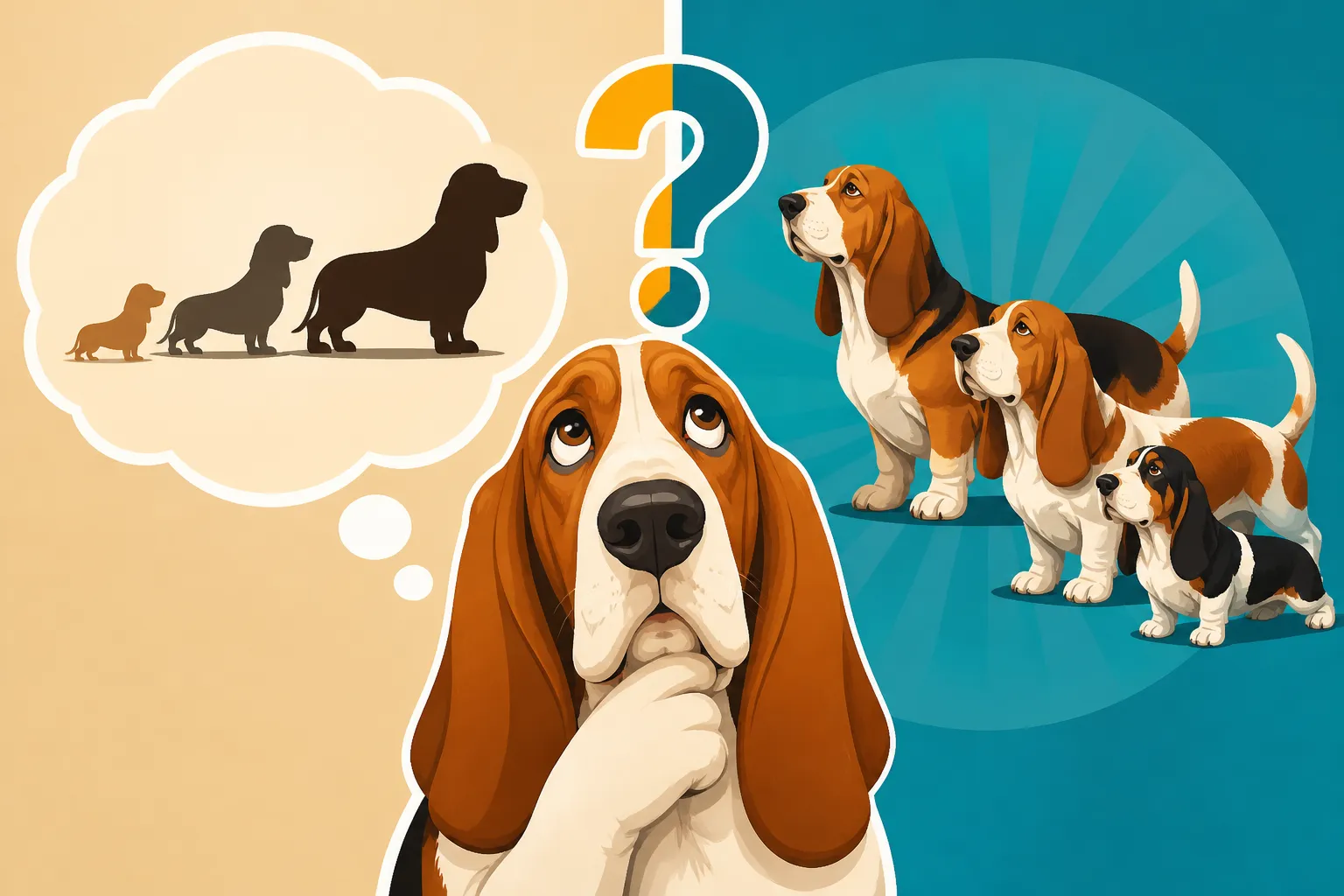
It's a common, understandable mix-up that many new Basset Hound owners, or even just admirers, often grapple with: did the name "Basset" simply refer to any low-slung, short-legged dog back in the day, or was it always tied to a specific breed? The truth is, the journey from a descriptive term to a breed-specific title is a fascinating one, and it helps us understand just how unique our beloved Bassets really are. This guide will walk you through the historical linguistic origins of the word "basset" and how it evolved to describe the distinctive Basset Hound we know and adore today.
Understanding the French Roots of "Basset"
When we delve into the etymology of "Basset," we're really taking a trip back to medieval France. The word itself is rooted in old French, and its meaning is quite straightforward. It literally means "low" or "dwarf." It's derived from the French word "bas," meaning "low," with the diminutive suffix "-et" added to it. So, at its very core, "basset" was simply a descriptor.
"Bas" and the Descriptive Nature of Early Dog Names
Imagine a time when dog breeds weren't as formally categorized as they are today. People named or described dogs based on their most prominent features. If you had a tall dog, you might call it something related to its height. If you had a speedy dog, its name might reflect its swiftness. In this context, calling a dog "basset" was no different. It was a simple, observable characteristic: this dog was low to the ground. It wasn't about a specific lineage or a set of defined traits beyond its short stature.
Think of it like calling a dog "Spot" because it has spots, or "Fluffy" because it's fluffy. It’s a functional, everyday description rather than a formal breed designation. Many early hunting dogs in France, regardless of their specific ancestry or precise appearance, might have been informally referred to as "basset" if they had short legs and a low-slung body, especially if they were used to follow game through dense underbrush where a shorter dog had an advantage. This broad usage highlights that the term started as a general classification for dogs of a certain physical type. It was a practical label for hunters and common folk alike.
Short-Legged Hounds Across Regions
The concept of a "basset" type of dog wasn't confined to just one specific region of France, or even to a single genetic line. Across various provinces, different types of hounds were being developed for hunting. The key characteristic for many of these hounds was their ability to track game on foot, often through thick cover where a dog that was "bas" – low to the ground – could excel. This meant that various regionally distinct hounds, all sharing the common trait of short legs, might have been collectively referred to as "bassets."
This is why, even today, we have several distinct breeds that carry the "Basset" name: the Basset Artésien Normand, the Basset Fauve de Bretagne, and the Grand Basset Griffon Vendéen, to name a few. Each of these breeds originated in different parts of France and had their own unique history and specific traits, but they all shared that fundamental characteristic of being "low" hounds. They weren't all the same breed, but they all fit the general "basset" description. The term was a category, not a singular breed identity at first, much like "terrier" or "retriever" can describe a type of dog, but then also lead to specific breeds.
From General Descriptor to Specific Breed: The Basset Hound's Evolution
While "basset" started as a generic term, the particular Basset Hound we know and love today has a very distinct lineage. Its journey from being one of many "low hounds" to its own recognized breed is a tale of selective breeding and specific desired traits.
The Abbey Hounds and Selective Breeding
The direct ancestors of our modern Basset Hounds are often traced back to the Abbey of Saint Hubert in Belgium, descendants of the St. Hubert Hound (which itself is an ancestor of the Bloodhound). These "Abbey Hounds" were known for their exceptional scenting abilities and their solemn, dignified nature. When some of these hounds were specifically bred for shorter legs, to allow hunters to follow them on foot through dense terrain, the "basset" type began to solidify into what would become the Basset Hound. The Abbey Hounds a Basset Hound Descends From tells more about this fascinating origin.
These weren't just random short-legged dogs; they were deliberately bred from a specific, well-regarded lineage, retaining the powerful nose and tracking instincts of their larger cousins, but adapted for a different style of hunting. The selective process focused not just on short legs, but also on maintaining other crucial hound characteristics like a deep bay, strong bone, and an incredible sense of smell. This careful selection over generations started to create a recognizable type that went beyond just "low" and hinted at a distinct breed.
Standardizing the Basset Hound
As specific traits became desirable and consistent, breeders began to formalize what constituted "a Basset Hound." This meant defining physical characteristics, temperament, and even the iconic long ears. By the mid-19th century, particularly in France and later with enthusiastic adoption in England, dedicated efforts were made to refine and stabilize the Basset Hound as a distinct breed. This was the point where "basset" began its transformation from a simple adjective to a proper noun, referring specifically to the Basset Hound breed.
The breed standard, a written description of the ideal specimen, emerged, solidifying the Basset Hound's unique appearance, including its characteristic bowed front legs, heavy bone, profuse loose skin, and those incredibly long, velvety ears that are often said to stir scent upwards towards their powerful nose. The Twelve Inch Ears a Basset Hound Was Given on Purpose delves into the specific purpose and development of this iconic feature. This standardization meant that a Basset Hound was no longer just any short-legged dog; it was a dog conforming to a very particular set of traits, distinguishing it from other "basset" types.
Beyond "Low": Defining the Modern Basset Hound Breed
Today, when we talk about a Basset Hound, we're not just referring to its height. We're picturing a dog with a very specific look, temperament, and set of health considerations that make it utterly unique among all dog breeds.
Distinctive Physical Traits
The Basset Hound's low stature is certainly its most obvious feature, but it's far from the only one. These dogs possess a heavy bone structure, giving them a surprising amount of weight for their height – Why a Basset Hound Weighs as Much as a Labrador might surprise you with just how much heft they carry! Their body is long and muscular, balanced by those short, powerful legs. Their loose skin, especially around the head and neck, forms distinctive wrinkles and a prominent dewlap, which also plays a role in trapping scent. The Nose That Puts a Basset Hound Second to a Bloodhound explores this remarkable olfactory ability.
The Basset's famously long, pendulous ears, often reaching or exceeding twelve inches, are another defining characteristic. These aren't just for show; they're believed to help sweep scent from the ground towards their nose, enhancing their tracking prowess. And then there are their soulful, often droopy eyes, which give them that quintessential mournful expression that so many owners adore. Every single one of these physical attributes contributes to the distinct "Basset Hound" identity, far beyond merely being "low."
Temperament and Behavioral Characteristics
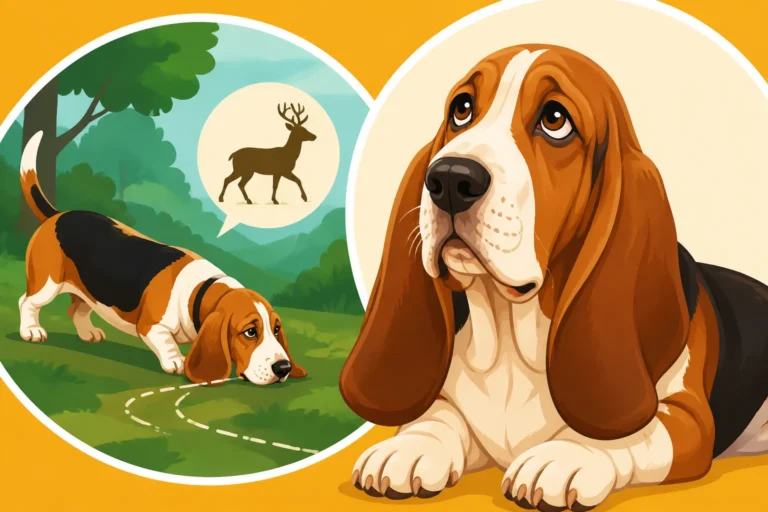
Beyond their physical appearance, Basset Hounds also come with a well-established set of behavioral traits. They are generally known for being calm, patient, and incredibly affectionate dogs, making them wonderful family companions. However, their strong hunting instincts are never far beneath the surface. They possess an unwavering determination when on a scent trail, often becoming "deaf" to their owners' calls, which is why The Recall a Basset Hound Will Never Reliably Give You is a classic lament among Basset owners. This single-minded focus on scent is a defining characteristic of the breed, a direct link to their hunting heritage.
Basset Hounds are also famous for their deep, resonant bay, a sound that is both endearing and, at times, a bit loud for the neighbors! This vocalization is an integral part of their hound nature. They are also known for their laid-back nature and can sometimes appear stubborn, though many owners argue it's more a case of discerning intelligence and selective hearing. Understanding these behavioral nuances is key to truly appreciating the breed. You won't find this exact combination of traits in just any "low" dog.
Health Considerations Unique to the Breed
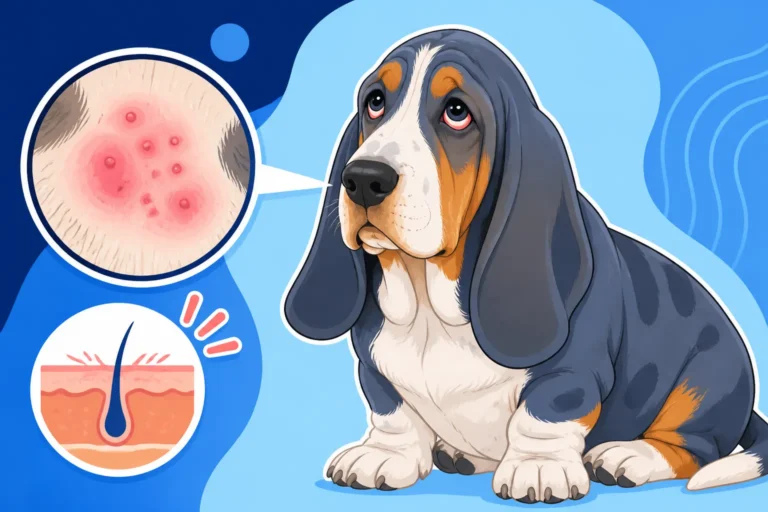
The Basset Hound's unique physical conformation, a result of generations of selective breeding, also comes with its own set of health considerations. Their long backs and short legs make them prone to spinal issues like Intervertebral Disc Disease (IVDD), much like other long-bodied breeds. Their deep chests put them at a higher risk for bloat, a life-threatening condition. And, of course, those magnificent long ears, while part of their charm, require vigilant care to prevent infections. The Ear Infections That Never Really Leave a Basset Hound highlights the ongoing commitment required for their ear health.
These specific predispositions further underscore that the Basset Hound is a distinct breed, not just a generic "low dog." Owners often find themselves investing in specialized equipment, like ramps to protect their backs from jumping off furniture, or raised food bowls to mitigate drooling and potential bloat risk. You can find many practical solutions and supplies for managing these breed-specific needs on platforms like Chewy, from orthopedic beds to specialized ear cleaners. Knowing these health aspects is part of the package when you bring a Basset into your life.
The Wider Family of Basset Types: More Than Just One Hound
While the Basset Hound is a distinct and recognized breed, it's important to remember that the descriptive term "basset" still applies to a broader category of short-legged hounds. This often leads to confusion, as people might assume all "basset" breeds are the same as the Basset Hound. They are not.
Distinguishing the Basset Hound from Other "Basset" Breeds
Many other breeds proudly carry the "Basset" name, each with its own history, country of origin, and unique characteristics. For example, the Basset Artésien Normand is another French scent hound, often smaller and lighter-boned than the Basset Hound, with a slightly different head shape and ear set. The Basset Fauve de Bretagne is even smaller, with a distinctive reddish-fawn coat and a more wiry texture, bred for hunting small game in Brittany. The Grand Basset Griffon Vendéen and Petit Basset Griffon Vendéen are rough-coated, outgoing hounds with entirely different facial furnishings and temperaments.
Here’s a quick overview of some notable "basset" type breeds compared to our beloved Basset Hound:
| Breed Name | Origin | Coat Type | Average Height (at shoulder) | Average Weight | Key Distinguishing Feature |
|---|---|---|---|---|---|
| Basset Hound | France / Belgium | Smooth, short | 14-15 inches | 40-65 lbs | Extremely long ears, heavy bone, mournful expression |
| Basset Artésien Normand | France | Smooth, short | 12-14 inches | 33-37 lbs | Shorter ears, slightly lighter build |
| Basset Fauve de Bretagne | France | Harsh, wiry | 12-15 inches | 27-35 lbs | Reddish-fawn color, active and energetic |
| Petit Basset Griffon Vendéen | France | Rough, wiry | 13-15 inches | 25-40 lbs | Scruffy face, alert expression, lively temperament |
| Grand Basset Griffon Vendéen | France | Rough, wiry | 15.5-17.5 inches | 40-45 lbs | Larger version of PBGV, similar coat and temperament |
As you can see, while they all share the "basset" characteristic of being low to the ground, they are distinctly different breeds, each with its own charm and purpose. This table clearly illustrates that "basset" can be part of a breed's name without it being the Basset Hound.
The Importance of Breed Recognition
The formal recognition of a breed by kennel clubs, like the American Kennel Club (AKC) or The Kennel Club (UK), is what truly distinguishes it. This process involves establishing a breed standard that meticulously details every aspect of the dog, from its physical appearance and gait to its temperament. For the Basset Hound, this standardization process solidified its identity. When the Basset Hound Reached America and The Year the AKC Recognized the Basset Hound mark significant milestones in its journey to becoming a formally recognized breed with a distinct identity, rather than just a type of dog.
This recognition isn't just bureaucratic; it’s vital for preserving the unique characteristics of the breed. It ensures that breeders are working towards a common ideal, maintaining the health and integrity of the Basset Hound lineage. When you’re looking for a Basset Hound puppy, a reputable breeder will be breeding to this standard, and focusing on health testing relevant to the breed, rather than simply offering "short-legged dogs." Knowing this distinction helps prospective owners understand the depth of history and careful breeding that has gone into creating the unique Basset Hound. It’s a testament to centuries of dedication that these "low" dogs have evolved into the cherished companions we see in homes worldwide, whether they're snoozing on an orthopedic bed from Chewy or enthusiastically following a scent in the park.
Disclaimer
This article is for general informational purposes only and does not constitute professional advice. Laws, prices and regulations vary by location and change over time. Consult a qualified professional for guidance on your specific situation.