What Bas Means in French
If you've ever found yourself gazing at a Basset Hound, with their wonderfully long ears, soulful eyes, and those famously short legs, you might have wondered about their name. It sounds so perfectly them, doesn't it? But what does "Basset" actually mean, and what do its French origins tell us about this beloved breed? This guide will dive deep into the very core of the Basset Hound's name, exploring its linguistic roots and how they shaped the unique characteristics we adore today.
Unpacking the "Bas" in Basset: A Journey to French Roots
The name "Basset Hound" isn't just a whimsical label; it's a direct description, steeped in the language and hunting traditions of France. To truly understand our floppy-eared companions, we need to go back to basics, or rather, to "bas."
The Literal Translation of "Bas"
In French, the word "bas" (pronounced "bah") translates quite simply to "low" or "short." It's a foundational term that immediately tells you something essential about the physical characteristics of any animal or object it describes. When we add the diminutive suffix "-et" to "bas," it means "rather low" or "somewhat short," or even "little low one." So, a "Basset" is, quite literally, a "low-set" or "short-legged" dog. It’s not just a cute nickname; it’s a factual statement about their very build.
This isn't unique to the Basset Hound, either. Many French breeds carry this descriptive naming convention. Imagine a hunter in the Ardennes forest, looking at a litter of puppies. Some are taller, built for speed across open fields, while others are noticeably closer to the ground, with sturdier, shorter legs. The latter would be referred to as "basset" – the low one. This classification wasn't just about appearance; it was about function. Their unique physiology, a form of dwarfism known as achondroplasia, was seen not as a flaw, but as a desirable trait for a very specific type of hunting. It allowed them to track slowly and meticulously, keeping their nose firmly to the ground without having to stoop excessively.
Historical Context: Why "Low" Was Important for Hunters
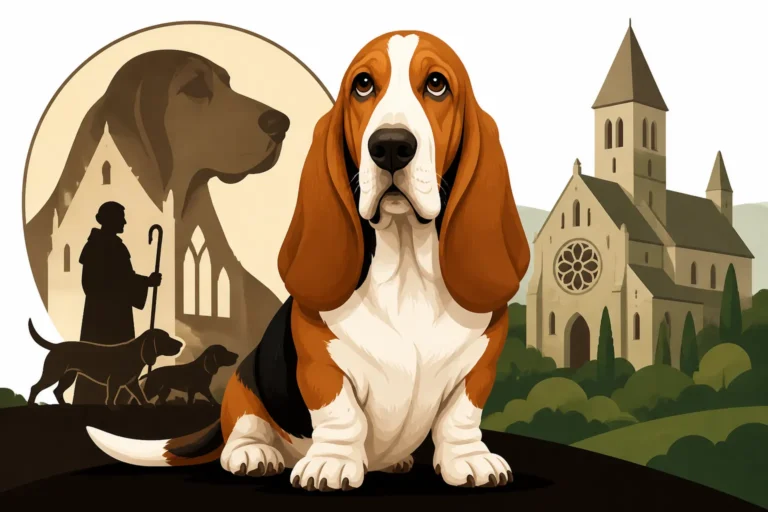
The original purpose of these "low" hounds was deeply rooted in the practicalities of hunting in 16th-century France. Unlike the grand hunts of nobility, where horses and faster hounds were used to chase down game, the "basset" hounds were developed for hunting on foot. Imagine trekking through dense undergrowth, brambles, and thick forests. A tall, fast hound might outrun the hunter, disappearing into the thicket, making it difficult to keep up or even follow the chase. This frustration was a real driver for change.
This is where the genius of the "bas" hound came in. Their short stature meant they were inherently slower, designed to methodically follow a scent trail at a human walking pace. This allowed the hunter to keep up, navigate challenging terrain, and ultimately, stay connected to their dog during the hunt. They weren't bred for speed, but for persistence and their unparalleled ability to follow a trail. Their low height also meant they could easily push through dense brush that taller dogs might struggle with, literally getting "under" the obstacles. Whether a Basset Hound Was Bred for Rabbit or Deer is a question that truly highlights this intentional design – their build suited smaller, slower game that could be patiently tracked.
Beyond Just "Low": The Impact of "Bas" on the Basset Hound's Development
The term "bas" is more than just a physical descriptor; it encapsulates an entire philosophy of breeding that profoundly influenced the Basset Hound's physical and temperamental evolution. It's about how their very lowness dictated their specialized role and the unique features that make them so recognizable.
The Deliberate Breeding for "Bas" Traits
Breeders didn't just accept short legs; they actively selected for them, understanding the profound advantages this characteristic offered for a specific type of hunting. The goal was to create a hound that could track scent with incredible focus, without being rushed. This meant enhancing other features that complemented their low stature. The extremely long, pendulous ears, for instance, aren't just for show. They sweep the ground, gathering scent particles and wafting them directly towards the hound's powerful nose, effectively acting as scent magnets. Why a Basset Hound's Ears Help It Smell delves deeper into this fascinating adaptation.
Furthermore, the ample loose skin, particularly around the face and neck, known as the dewlap, also plays a role in trapping scent close to the ground. This combination of low stature, scent-gathering ears, and skin folds creates a perfect, slow-motion tracking machine. Their heavy bone structure, while contributing to their substantial weight, also provides stability and endurance, allowing them to follow a scent for hours without tiring, even if it meant moving at a snail's pace. This deliberate breeding emphasized not just "low," but "low and optimized for scent work."
"Basset" as a Class of Hounds, Not Just One Breed
It's a common misconception that "Basset" only refers to the Basset Hound we know and love today. Historically, and even in many parts of Europe still, "basset" was a general term used to describe any short-legged hound. Think of it more as a category or type of dog, rather than a specific breed name. There are various other "basset" breeds, each developed in different regions of France and beyond, all sharing that defining "low" characteristic but with their own distinct looks and temperaments.
For example, breeds like the Basset Fauve de Bretagne, a sturdy, reddish-fawn dog, or the Basset Bleu de Gascogne, with its striking blue-mottled coat, are all part of this diverse "basset" family. And, of course, there's the What the Basset Artesien Normand Is, which shares a very close lineage with our modern Basset Hound. These breeds all embody the core principle of "bas" – dogs designed to work slowly and methodically, making them excellent companions for hunters on foot. This historical context enriches our understanding of the Basset Hound, showing that our beloved breed is a prime example of a much broader, functional canine classification.
Living with a "Bas" Hound: Practicalities and Peculiarities
Embracing life with a Basset Hound means fully understanding and appreciating their "bas" nature. Their low-slung bodies, those long ears, and generous folds aren't just charming; they come with specific care requirements and contribute to their unique personality.
Challenges and Joys of the Low Stature
While their low center of gravity makes them surprisingly sturdy and excellent at staying on a scent trail, it also presents some amusing, and sometimes challenging, practicalities for owners. For instance, their bellies are constantly close to the ground, which means after a walk in wet grass or muddy terrain, a Basset's underside can become quite… terrestrial. Whether a Basset Hound's Chest Drags in Snow is a very real consideration in winter, as their short legs and deep chests can act like snowplows, collecting snow, dirt, and debris. This often necessitates a quick wipe-down or even a full belly bath after outdoor adventures.
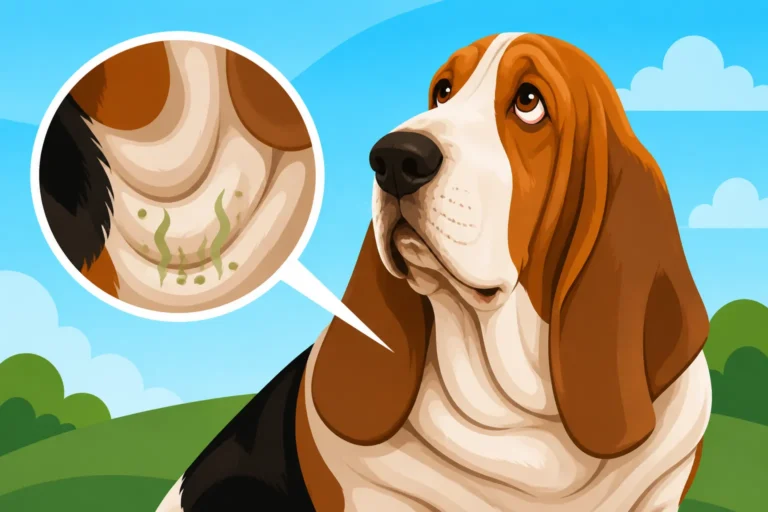
Those magnificent, long ears are another prime example. While superb for scenting, they also act as little mops, dragging through food bowls, water, and anything else at ground level. This means you’ll be doing a lot of ear cleaning and maintenance, which is why The Twice Weekly Ear Ritual a Basset Hound Owner Signs Up For is not an exaggeration! Similarly, their delightful facial folds, another characteristic of their loose skin, require regular attention to prevent moisture and debris from accumulating, potentially leading to skin irritation or infections. Cleaning the Folds a Basset Hound's Face Is Made Of is a critical part of their grooming routine. It's these very "bas" features that make them high-maintenance in specific, yet totally endearing, ways.
Embracing the Basset's Unique Design
Despite the extra care, living with a "bas" hound is a truly rewarding experience. Their low-to-the-ground perspective makes them masters of their environment, constantly taking in scents and information that taller dogs might miss. This contributes to their famously calm, deliberate demeanor – they’re not rushing through life; they’re savoring every sniff. Owners quickly learn to adapt their homes and routines to suit their Basset. Raised food bowls become essential to keep those long ears out of dinner, and a snood can be a lifesaver. Whether a Snood Helps a Basset Hound at Dinner is a common question, and the answer is usually a resounding yes!
Furthermore, their unique build means that certain activities, like jumping off furniture, can put undue stress on their long backs. Many Basset owners invest in ramps or steps to protect their dog’s spine, embracing their "low" nature rather than fighting it. Keeping a Basset Hound Off the Furniture It Should Not Jump From becomes a crucial part of responsible ownership. Caring for a Basset Hound also means ensuring you have the right supplies on hand. Many owners turn to online retailers like Chewy for everything from ear cleaners and special shampoos for their folds, to orthopedic beds and dog ramps, making it easier to cater to the specific needs that come with their "bas" build. It's about celebrating their distinctiveness and making sure they live as comfortably and happily as possible, precisely because of their unique design.
"Bas" and the Modern Basset Hound: A Continued Legacy
The legacy of "bas" continues to define the Basset Hound today, influencing breed standards and sparking discussions among enthusiasts and breeders about the future of this iconic hound.
The Breed Standard and the "Low" Ideal
The official breed standards, whether from the American Kennel Club or the Fédération Cynologique Internationale, still emphasize the "low" aspect of the Basset Hound. They describe a dog of substantial bone, short legs, and a long, heavy body set low to the ground. This ideal aims to preserve the functional characteristics that made the breed so effective centuries ago – the ability to track scent patiently and persistently. The emphasis remains on a dog built for endurance and scent work, rather than speed or agility.
However, interpreting this "low" ideal can sometimes lead to extremes. Over the decades, some breeding lines have perhaps pushed the "low" aspect to a point where it impacts the dog's overall health and soundness. This is a common discussion in many purebred communities: how to maintain breed type without inadvertently compromising welfare. Whether the Basset Hound Has Been Bred Too Low is a valid concern, as excessive length of body coupled with extremely short legs can sometimes predispose them to certain skeletal issues. It's a delicate balance to strike, honoring tradition while prioritizing the health and comfort of these wonderful hounds.
Protecting the "Bas" Heritage While Ensuring Health
Responsible breeders today face the challenge of preserving the historical "bas" traits – the low-set body, the incredible nose, the gentle temperament – while simultaneously ensuring the health and longevity of the breed. This means a strong focus on health testing and making informed breeding choices that move away from exaggerations that might cause discomfort or medical issues. While their distinct shape is part of their charm, it's vital that their conformation allows them to move freely and without pain.
Genetic health screening for conditions common to the breed, such as elbow dysplasia and certain eye conditions, becomes paramount. The Health Tests a Basset Hound Breeder Should Run are essential practices for any reputable breeder. Prospective owners should always inquire about these tests and look for breeders who are transparent about their dogs' health clearances, even asking Whether a Basset Hound Breeder Should Show Elbow Scores. It's about finding that sweet spot where the unique, endearing qualities of a Basset Hound, born from its "bas" origins, can thrive in a healthy, well-adjusted companion that will bring joy for many years. The "bas" heritage is indeed a powerful one, reminding us that even the most charming features have a deep-seated purpose rooted in history.
Disclaimer
This article is for general informational purposes only and does not constitute professional advice. Laws, prices and regulations vary by location and change over time. Consult a qualified professional for guidance on your specific situation.