Whether the Basset Hound Is a Cartoon of Itself
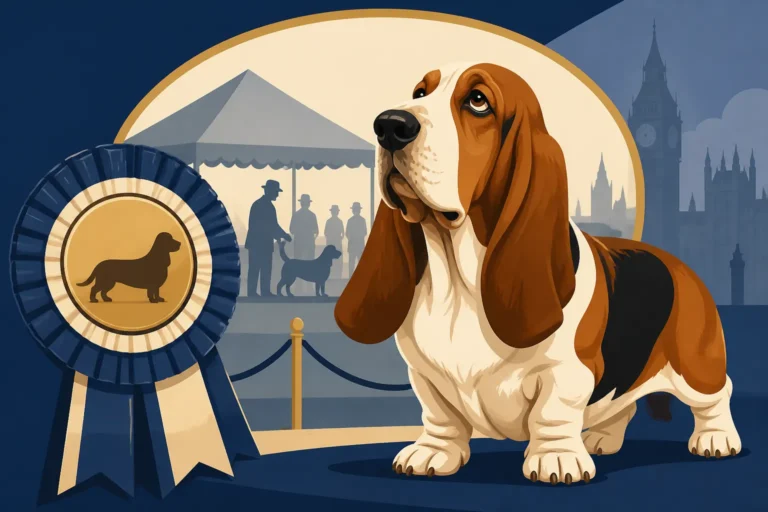
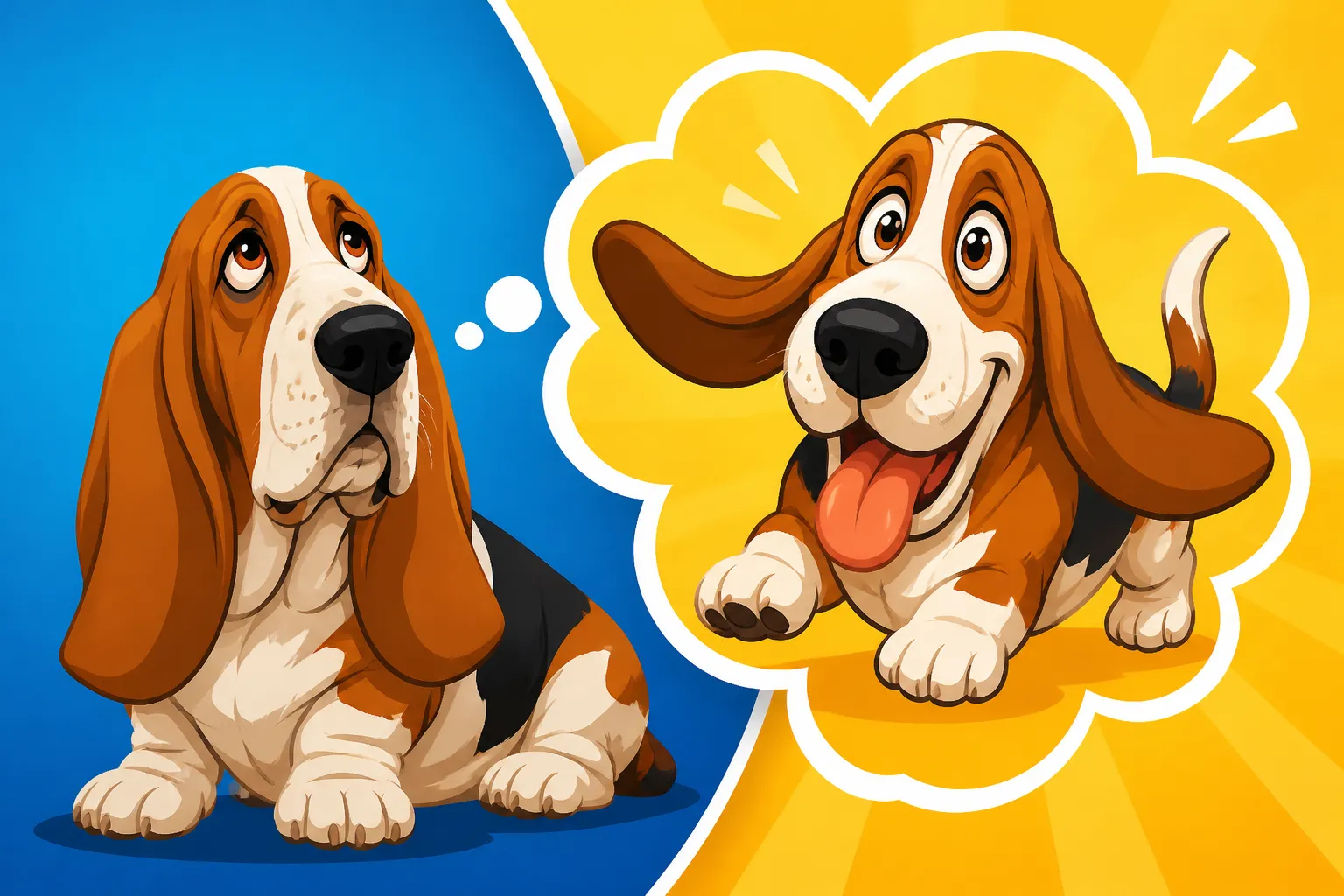
A Basset Hound can look so exaggerated that it seems designed for a cartoon: ears nearly sweeping the floor, droopy eyes, folds, a long body and short legs. But those features belong to a real dog, and the gap between a memorable silhouette and a comfortable, sound animal matters. This guide explains where the breed’s look comes from, when exaggeration may raise welfare concerns, and what to look for in an individual dog.
Why a Basset Hound Can Look Like a Cartoon
The familiar features are real breed traits
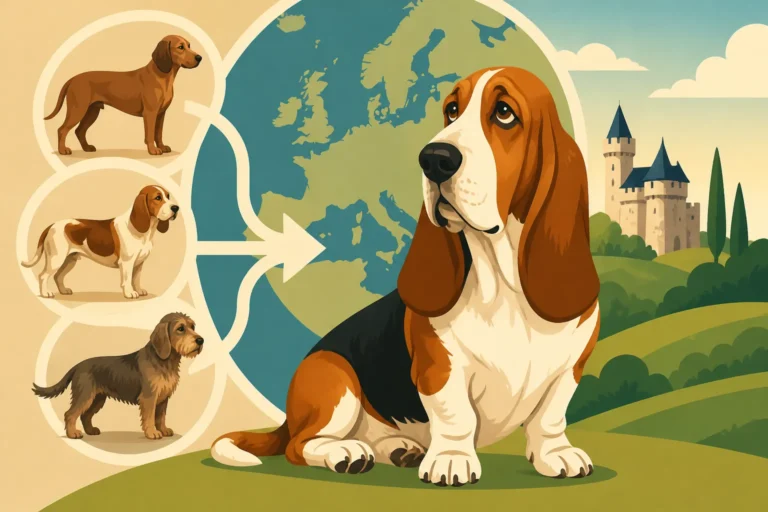
The Basset Hound’s outline is distinctive: a low-set body, substantial bone, long ears, loose skin and a serious-looking expression. Some of those features have practical roots in the breed’s history as a scent hound. Its low height suits following a trail near the ground, while its ears and loose skin are often discussed in relation to scenting. Those explanations are part of the breed’s story, but they do not mean every feature should be as pronounced as possible.
The ears, for example, are long and pendulous, but they should not make ordinary movement uncomfortable or repeatedly drag through food and mud. Loose skin is part of the look, but deep, persistently damp folds can become irritated. The droopy expression is recognizable, yet eyes that are chronically sore or unable to close comfortably are not simply charming details.
That distinction can be hard to make when you are looking at photographs or meeting a puppy. A single unusual pose can make a dog look more extreme than it is, and a puppy’s proportions change as it grows. Instead of judging by one striking feature, look at the whole dog: how easily it walks, breathes, sees, rests and explores.
A cartoon image can hide an ordinary dog’s needs
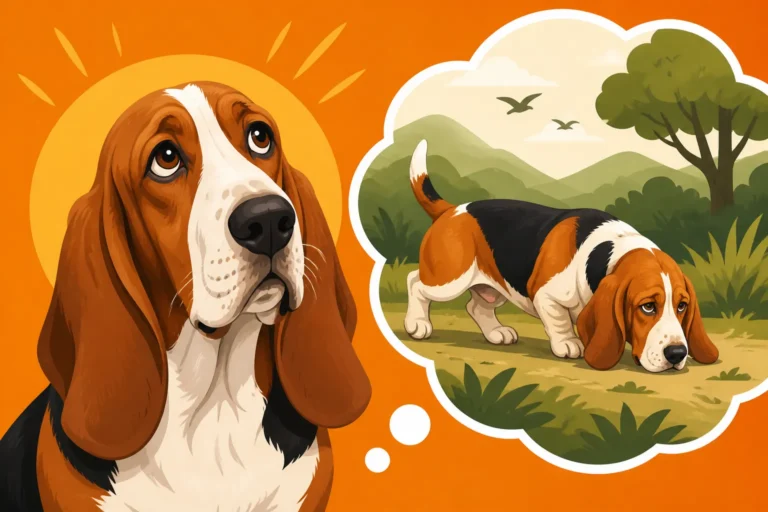
The “lovable, lazy hound” stereotype is another kind of exaggeration. A Basset may be content to nap, but it is still a scent-driven dog that needs daily activity, time to sniff and patient training. If the nose catches a trail, the dog may become absorbed in it. That can look funny in a cartoon, but in real life it makes secure equipment and sensible supervision important. The Nose That Puts a Basset Hound Second to a Bloodhound
Likewise, the breed’s substantial body can surprise people who assume a short dog must be easy to pick up. A Basset Hound may be heavier and harder to lift safely than its height suggests. Its shape is not a reason to skip walks or treat it as a decorative couch companion; it is a reason to plan activity and handling around the individual dog. Why a Basset Hound Weighs as Much as a Labrador
When a cartoon-like appearance becomes the main thing people seek, it can encourage a preference for the most exaggerated ears, folds or proportions. A more useful question is whether the dog can comfortably live the life its owner expects to share with it. The appearance may start the conversation, but function and wellbeing should guide the choice.
When Exaggeration Becomes a Welfare Concern
Look at comfort and movement, not just proportions
A Basset Hound’s short legs and long body are defining characteristics, but there is a difference between a breed’s recognizable shape and a dog whose build makes routine movement difficult. Watch the dog walk on a level surface. Does it move willingly and steadily, or does it seem stiff, reluctant, or unbalanced? Can it get up from rest without obvious struggle? Does it avoid normal activity, or tire unusually quickly? These observations cannot diagnose a health problem, but they are reasons to ask thoughtful questions.
A dog may also be carrying extra weight, which can make movement harder and place more load on joints. Loose skin and a low stance can make body condition challenging to judge by sight alone. Ask a veterinarian to help assess the dog’s condition rather than assuming a round outline is simply typical for the breed. Whether a Basset Hound Is Fat or Just Built That Way
Some concerns involve the back as well as the legs. A long body does not automatically mean a dog will develop back trouble, but it does make sensible handling and avoiding repeated high-impact jumping worthwhile. If a Basset suddenly shows pain, weakness, difficulty walking or trouble using its legs, contact a veterinarian promptly rather than dismissing the change as stubbornness. The Back Trouble a Basset Hound Is Built Into
Folds, ears and eyes need to work as well as look distinctive
The breed’s loose skin and long ears can require routine care. Folds should be checked for redness, dampness, odor or soreness, especially if a dog has a deep facial fold that stays moist. Ears should be inspected for irritation, unusual discharge or a strong odor. A dog that persistently rubs its face, shakes its head or resists having an area touched may be uncomfortable and should be assessed.
Eyes deserve the same practical attention. Droopy eyelids can be part of the breed’s expression, but redness, squinting, cloudiness, excessive discharge or a sudden change in how an eye looks should not be written off as “just Basset eyes.” A vet can tell whether a feature is harmless for that dog or needs care. The Glaucoma a Basset Hound Inherits
These issues do not mean every Basset Hound is unhealthy, or that breed traits are inherently a problem. They mean appearance needs to be considered alongside function. A healthy-looking photo cannot show whether a dog has recurring ear infections, painful eyes or difficulty moving. If you are choosing a puppy, ask what health checks the breeder has completed and what health concerns appear in the dogs’ family. The Health Tests a Basset Hound Breeder Should Run
How to Tell a Distinctive Basset from an Overdone One
Use everyday function as your guide
Rather than trying to decide whether a Basset Hound is “too much” by looking at one feature, consider what the dog can do comfortably. The table below offers practical questions to guide an observation or conversation with a breeder, rescue organization or veterinarian. It is not a diagnostic checklist, and a brief meeting cannot reveal every health issue.
| Feature | What to notice | A useful question |
|---|---|---|
| Movement | Whether the dog walks and rises comfortably | Does it move willingly on level ground? |
| Body condition | Whether you can assess its shape without relying on a round silhouette | Has a veterinarian assessed its weight and condition? |
| Ears | Whether they are sore, persistently dirty or causing repeated trouble | What ear care does this dog need, and how often? |
| Skin folds | Whether the skin looks dry and comfortable rather than red or damp | Has this dog had recurring fold irritation? |
| Eyes | Whether the eyes appear comfortable and free of obvious irritation | Have its eyes been examined, and are there known concerns? |
| Temperament and activity | Whether the dog can sniff, explore and settle comfortably | What does a typical day of exercise and enrichment look like? |
A Basset may naturally move at a slower pace than a more athletic breed, and an individual dog’s age, fitness and health all matter. The goal is not to expect every dog to perform the same way. It is to notice whether the dog’s build appears to support its ordinary life, or whether discomfort seems to be treated as part of its character.
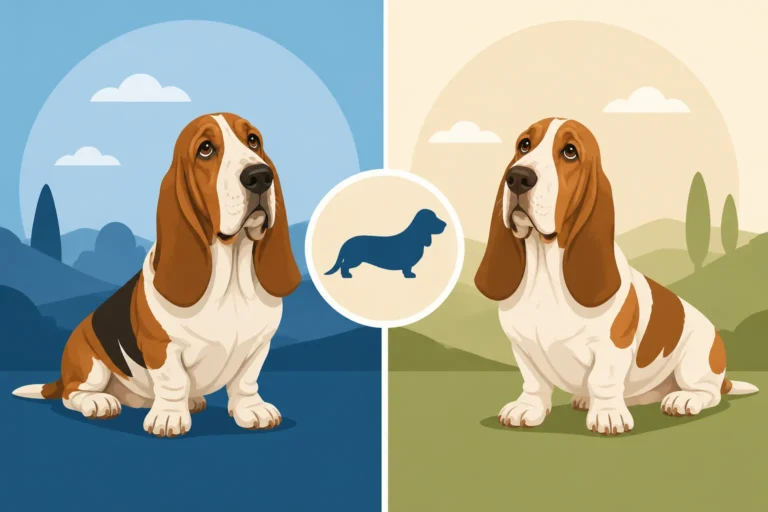
It also helps to separate a breed trait from a health problem. Long ears are a breed trait; a painful, inflamed ear is a health concern. A low body is a breed trait; difficulty getting around deserves attention. A calm temperament may be normal for an individual; persistent reluctance to move could have several causes, including discomfort. The dog’s behavior and physical condition tell a fuller story than its outline alone.
Ask specific questions when meeting a puppy or adult dog
If you are meeting a puppy, ask to see the mother, and ask what health screening has been done on the parents and close relatives. Ask how the puppies are being raised, what movement and social experiences they have, and whether the breeder can explain the health considerations they monitor in their lines. A responsible conversation should make room for questions rather than relying on a puppy’s striking appearance or a broad promise that the breed is healthy.
For an adult dog, especially one adopted through a rescue, ask what is known about its medical history, weight, mobility, ears and eyes. A missing record does not prove there is a problem, but it does mean you may need a veterinary appointment soon after adoption to establish a baseline. Some dogs arrive needing routine care that was overlooked; others are already comfortable and well cared for. What Basset Hound Owners Wish They Had Known
It is also fair to ask what the dog’s normal day looks like. Does it enjoy walks and sniffing games? Does it have trouble with stairs, jumping or getting into a car? Does it need help with regular grooming or ear care? The answers help you decide whether your home, schedule and physical ability fit the dog’s needs. The Household a Basset Hound Actually Fits
How to Appreciate the Breed Without Encouraging Extremes
Choose health and function over the most dramatic look
It is understandable to be drawn to the Basset Hound’s unmistakable face. The challenge is not to stop appreciating its appearance; it is to avoid treating more extreme features as automatically better. A dog should not have to live with discomfort for the sake of a particular silhouette. When comparing puppies or adult dogs, give weight to ease of movement, comfortable eyes and skin, and a history of attentive care.
This is part of a wider conversation about how breed standards and breeding choices influence dogs’ bodies. A standard describes a breed, but it does not guarantee that every dog bred to resemble it will be equally comfortable or healthy. Questions about the Basset Hound’s height, proportions and movement are worth considering without reducing the issue to a simple claim that the breed is either fine or broken. Whether the Basset Hound Has Been Bred Too Low Whether a Basset Hound's Body Length Is a Welfare Problem
Breeders, judges, veterinarians and owners all influence which traits get celebrated. If the most exaggerated look receives the most attention, buyers may come to believe that it is the ideal. Learning to ask about comfort and health helps shift attention toward dogs that can move and function well, not only those that make the strongest impression in a photograph. Whether Judges Reward Extreme Basset Hounds Whether Breeders Are Correcting the Basset Hound
Make practical care part of the decision
A Basset Hound’s day-to-day needs are manageable for many households, but they are real. Owners may need a routine for checking ears and skin folds, a plan for maintaining a healthy weight, and equipment that suits a low-bodied dog. If you are shopping for basic supplies, an online retailer such as Chewy may be one place to compare washable bedding, grooming items or feeding equipment. Check product descriptions carefully and choose items that fit your particular dog rather than assuming a breed label makes something suitable.
For example, a bowl setup should keep feeding comfortable without making the ears harder to keep clean. A bed should be easy for the dog to get onto and off, especially if it is older or stiff. A harness should fit securely without rubbing the armpits or restricting movement. Chewy can be useful as a place to browse options, but a product listing cannot tell you whether a dog’s mobility, skin or ears need veterinary attention.
If ear care is part of your routine, follow your veterinarian’s guidance about what to use and how often to clean. Avoid improvising with products or inserting anything deep into the ear canal. You can compare pet ear-care supplies through retailers such as Chewy, but recurring odor, pain, discharge or head shaking calls for a veterinary assessment rather than another round of home cleaning. How to Clean a Basset Hound's Ears Properly
The same practical mindset applies to food and activity. Measure meals, keep treats in the overall daily plan, and ask your vet what body condition is appropriate for your dog. Choose regular, comfortable walks and scent-based activities suited to its age and fitness. Chewy may offer a way to compare food or treat options, but a veterinarian can help you decide what is appropriate if your dog has a medical condition or needs a weight-management plan.
A Basset Hound can be funny-looking, gentle, determined and deeply endearing without being a cartoon. The healthiest way to enjoy the breed is to appreciate the features that make it recognizable while paying attention to the real animal underneath them: whether it can move comfortably, see clearly, keep its skin healthy and enjoy an ordinary dog’s life. Whether a Basset Hound Is More Work Than It Looks
Disclaimer
This article is for general informational purposes only and does not constitute professional advice. Laws, prices and regulations vary by location and change over time. Consult a qualified professional for guidance on your specific situation.