Whether the Basset Hound Was an Accident
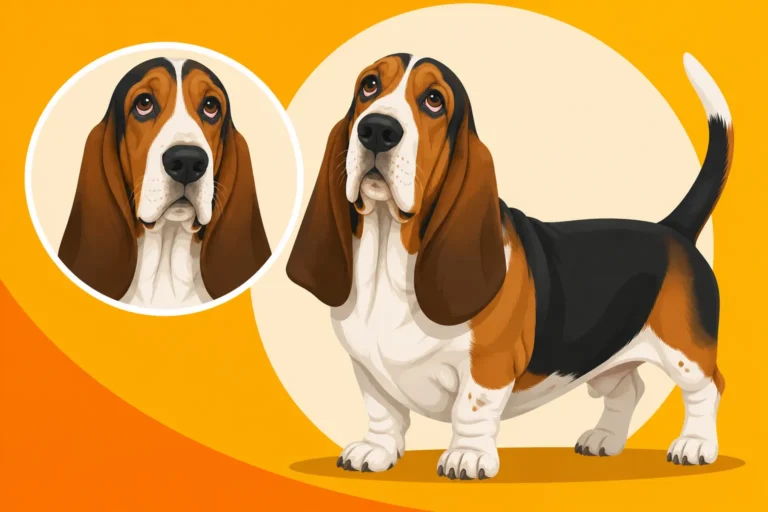
It’s easy to look at a Basset Hound, with those impossibly long ears, sad eyes, and remarkably short, bowed legs, and wonder if nature somehow made a mistake. Many people assume these distinctive traits were happy accidents, or perhaps even unfortunate ones, that somehow stuck with the breed. But the truth is far more fascinating: the Basset Hound's unique form wasn't an accident at all, but rather the result of generations of deliberate, intentional breeding to create the perfect scent hound for a very specific type of hunting. This guide will take a deep dive into the history and purpose behind this beloved breed's one-of-a-kind appearance.
The Purpose-Built Hound: More Than Just a Cute Face
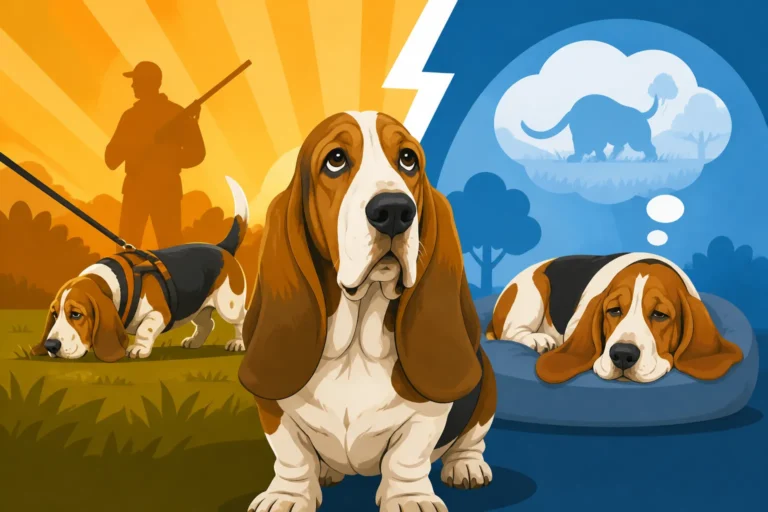
When you see a Basset Hound today, perhaps snoring peacefully on the sofa or trying to sneak a treat from the counter, it’s hard to imagine them as highly effective hunting dogs. But that’s precisely what they were bred to be, specifically designed to excel in challenging hunting environments where other hounds simply couldn't compete. Their entire physical makeup, from nose to tail, was carefully crafted for this singular purpose.
A Hunter on Foot
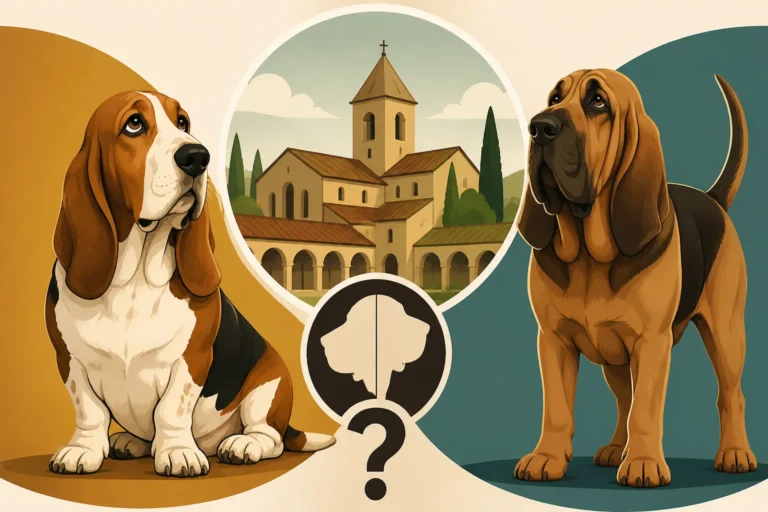
In medieval France, hunting was a common pastime, but not everyone could afford a horse to keep up with swift hounds like the regal St. Hubert Hounds or Bloodhounds. There was a strong desire for a dog that could track game, particularly small prey like rabbits and hares, at a pace that hunters on foot could easily follow. This is where the concept of the "basset" hound came into play – a term derived from the French word "bas," meaning low.
Imagine trying to navigate dense undergrowth or thickets on horseback while keeping an eye on a fast-moving hound. It was impractical, if not impossible. A low-slung, slow-moving hound, however, allowed hunters to methodically follow the trail, observe their dog's work, and enjoy the hunt at a more leisurely, manageable pace. The development of these low-to-the-ground hounds meant that hunting became accessible to a wider range of people, not just the mounted nobility. It was a conscious decision to breed for a dog that was intentionally slow, ensuring the hunters could keep up and enjoy the chase without the frantic pace. This deliberate choice underscores that the Basset's stature was anything but an accident. You can learn more about Why the Word Basset Just Means Low.
Leveraging Scent Power
The Basset Hound's incredible sense of smell is legendary, second only to the Bloodhound. Their unique physical characteristics aren't just for keeping them low to the ground; they actively enhance their olfactory abilities. Those famously long, velvety ears, for instance, aren't just for show. As the Basset moves, their ears actually sweep the ground, stirring up scent particles and wafting them towards their powerful nose. It's like a built-in scent amplifier, a natural mechanism designed to maximize their ability to detect and follow even the faintest trails.
Furthermore, the abundant loose skin around their face, known as a dewlap, and the deep facial wrinkles also play a role. These folds trap scent particles, holding them closer to the nose and allowing the dog to process the information more thoroughly. Their short legs keep their nose precisely where it needs to be – inches from the ground – ensuring they don't miss a single nuance of the scent trail. Think of it: a taller dog's nose might be several feet off the ground, missing the subtle scent pools that settle close to the earth. The Basset's design ensures maximum contact with the scent source. This sophisticated anatomical design wasn't a random occurrence; it was the product of selective breeding for unparalleled scenting prowess. It shows just how intentional the breeders were in crafting a superior tracking dog. The Nose That Puts a Basset Hound Second to a Bloodhound delves deeper into their olfactory capabilities.
Intentional Breeding for Unique Traits
So, while the Basset Hound's appearance might seem unusual, it's the culmination of centuries of purposeful selection. Breeders didn't just stumble upon these traits; they actively cultivated and refined them to create a dog perfectly suited for its job.
Selection for Achondroplasia
The defining characteristic of the Basset Hound, its dwarfism, is a form of genetic condition called achondroplasia. While achondroplasia itself is a mutation, its selection and perpetuation in the Basset Hound breed was absolutely intentional. Early breeders recognized that this particular genetic trait resulted in short legs and a long body, which was highly advantageous for their desired hunting style. They didn't view it as a defect, but as a key feature that made the dog more effective at tracking slow-moving game through thick underbrush, allowing hunters to easily follow on foot.
This wasn't an accidental oversight; it was a deliberate choice to breed dogs exhibiting this trait, and to continue breeding from lines that consistently produced offspring with the desired short-legged conformation. Over generations, this selective breeding intensified the achondroplastic features, creating the distinct Basset silhouette we know today. It's a testament to the focused breeding efforts that transformed a genetic variation into a foundational breed characteristic. If you're curious about the genetics, Whether Achondroplasia Explains a Basset Hound's Shape offers more insight.
Refining the Basset's Features
Beyond the short legs, every other exaggerated feature of the Basset Hound was also subject to careful selection. The extremely long, pendulous ears, which are a hallmark of the breed, were not an accident. Breeders intentionally chose dogs with longer ears, understanding their function in gathering scent. Think of the dedication required to select for such a specific, and sometimes cumbersome, trait across generations.
Similarly, the loose skin, particularly the heavy dewlap and brow furrows, wasn't just a charming quirk. It was valued for its ability to trap scent particles and contribute to the Basset's scenting superiority. Even the somewhat mournful expression, often caused by loose skin around the eyes, was an accepted byproduct of breeding for the overall desired head shape and skin structure. Modern breeders, perhaps even those selling supplies on Chewy, still appreciate these traits even if their original hunting purpose has diminished for many pet Bassets. The breed standard, maintained by kennel clubs, reflects these intentionally cultivated features, guiding breeders in their efforts to preserve the Basset Hound's distinctive look and inherent working abilities. You can delve into The Twelve Inch Ears a Basset Hound Was Given on Purpose to understand more about this particular trait.
The Evolution of the Basset Hound
While the foundational traits were intentionally bred for hunting, the journey of the Basset Hound didn't stop there. Over time, like many breeds, their role evolved, leading to further refinements and sometimes, unforeseen consequences of those intentional choices.
From Hunting Field to Show Ring
As centuries passed and hunting practices changed, the Basset Hound transitioned from being purely a working hound to also becoming a beloved companion and show dog. This shift brought new influences to breeding goals. While the core traits of short legs, long ears, and impressive scenting ability remained, there was an increasing emphasis on aesthetic appeal and adherence to a written breed standard. In some cases, traits that were originally functional became exaggerated for the show ring, sometimes pushing beyond their practical utility.
For example, while long ears are beneficial for scenting, excessively long ears can become prone to injury or recurrent infections if not properly cared for. The breed's substantial bone and weight, while contributing to a sturdy, powerful build for trailing, can also predispose them to joint issues if not managed carefully. This evolution highlights that even intentional breeding can lead to new challenges when priorities shift from pure function to aesthetic perfection. The Basset Hound's journey is a fascinating example of how a breed's purpose can subtly alter its physical presentation over generations. Whether a Basset Hound Still Hunts provides context on their modern activities.
Modern-Day Bassets and Health
Today, responsible breeders strive to maintain the Basset Hound's iconic appearance while prioritizing health and sound temperament. They understand that while the breed's characteristics were intentionally developed, modern breeding practices must ensure these traits don't compromise the dog's well-being. This means careful attention to hip and elbow health, eye conditions like glaucoma, and, of course, the ever-present challenge of their long, heavy ears.
The intention behind the breed's creation was positive – to create an effective hunting partner. However, maintaining these unique characteristics responsibly requires ongoing vigilance. Owners of Basset Hounds know that specialized care, like frequent ear cleaning (and perhaps a snood from Chewy to keep those ears out of the food bowl!), is part of the package. It's a testament to the enduring appeal of this unique breed that so many are willing to embrace the specific care requirements that come with their intentionally bred features. The commitment from both breeders and owners ensures that the Basset Hound, a dog whose very existence is a triumph of selective breeding, continues to thrive.
Here’s a quick overview of key Basset Hound traits and their original intent:
| Trait | Original Intent (Purpose) | Potential Modern-Day Challenge |
|---|---|---|
| Short, bowed legs | Slow tracking for hunters on foot, nose close to ground | Joint stress, difficulty with stairs/jumping |
| Long, pendulous ears | Sweep ground to gather scent, enhance olfactory ability | Ear infections, injuries, dragging in food/water |
| Loose skin (dewlap) | Trap scent particles, protect from brambles | Skin fold infections, drooling |
| Heavy bone structure | Sturdy build for endurance, powerful trailing | Prone to weight gain, strain on joints |
| Deep, resonant bay | Communicate with hunters over distances | Can lead to noise complaints if not managed |
In conclusion, the Basset Hound's distinctive appearance is far from an accident. It is a carefully engineered masterpiece of selective breeding, a living testament to the ingenuity of early breeders who sought to create the ultimate low-slung scent hound. Every unique curve and wrinkle, every lengthy ear and short leg, was intentionally chosen and refined to serve a specific purpose in the hunting field. While their role may have shifted for many modern Bassets, their form remains a beautiful and functional design, even if it requires a little extra care and understanding from their devoted human companions.
Disclaimer
This article is for general informational purposes only and does not constitute professional advice. Laws, prices and regulations vary by location and change over time. Consult a qualified professional for guidance on your specific situation.