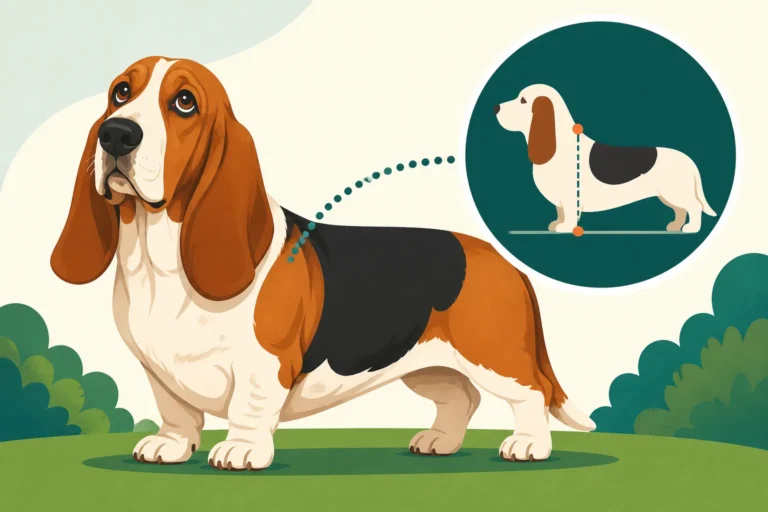
What the Lemon and White Basset Hound Looks Like
One of the absolute joys of welcoming a Basset Hound into your family is discovering all their unique quirks, and that often starts with their appearance. If you've ever seen a Basset Hound with beautiful, soft yellow or creamy patches on a stark white background, you’ve likely stumbled upon a magnificent lemon and white Basset. This guide will walk you through exactly what this stunning color pattern looks like, the subtle variations you might encounter, and what makes it so distinctive among the many lovely hues of our low-slung, long-eared companions.
Understanding Basset Hound Coat Colors
Basset Hounds come in a surprisingly wide array of colors, far beyond the classic tricolor or red and white that many people initially picture. It’s part of what makes each Basset so individual and charming. Understanding these color variations helps us appreciate the breed's diverse genetics and the specific beauty of each dog.
The Range of Accepted Basset Hound Colors
While "Basset Hound" might conjure images of a specific look, the breed standard actually allows for quite a spectrum of colors. The most commonly recognized are the classic tricolor (black, white, and tan), and the rich red and white. But you’ll also find black and white, mahogany and white, and, of course, the charming lemon and white. Beyond these, there can be blue, or even rare solid colors, though these are much less common and sometimes associated with specific genetic considerations. The common thread among most acceptable colors is that they are bi-color or tri-color, meaning they feature patches of color on a white background. This white background is crucial for defining the patterns we see.
Each color combination brings its own character to the Basset Hound's already distinctive appearance. The rich depth of a mahogany, the striking contrast of a black and white, or the warmth of a red and white – they all add to the breed's appeal. It’s a bit like a canvas where the artist has chosen different palettes, but the underlying masterpiece is unmistakably Basset. For a deeper dive into the variety, you might want to read The Colors a Basset Hound Comes In.
Why Certain Colors Are More Common
You'll definitely notice that some colors pop up more frequently than others. Tricolor and red and white Basset Hounds tend to be the most prevalent, and there's a reason for that: their genetics are often dominant or simply more widely distributed within the breeding population. These are often the colors that have been historically popular and frequently bred, becoming established as the "classic" Basset Hound look.
The lemon and white, while accepted, isn't quite as common in the show ring or general population as the tricolor, for example. This doesn't make them rare in a sense that implies scarcity, but rather they are just less frequently encountered. It's a delightful surprise for many when they first see a lemon and white Basset, often prompting questions about whether it's a specific "type" or simply a color variation. The breeding choices of generations of Basset Hound fanciers have leaned towards certain color expressions, but thankfully, the full rainbow of acceptable colors persists.
The Significance of Color in Breed Standards
For those involved in showing Basset Hounds, color plays a role in the breed standard, but perhaps not in the way some might assume. While the standard details acceptable colors and markings, it rarely penalizes a dog purely on the shade of a color as long as it's within the recognized spectrum. For instance, a beautifully conformed lemon and white Basset Hound with excellent movement and temperament is just as highly regarded as a perfect tricolor Basset.
The emphasis in breed standards is always on the overall conformation, health, and temperament that defines the Basset Hound as a working scent hound, not just a pretty face. The color is simply one aspect of their unique presentation. Any color considered "undesirable" or "disqualifying" in a breed standard usually points to underlying genetic issues or deviations that impact the breed's health or function, rather than just aesthetic preference. Fortunately, lemon and white is a well-established and beautiful color pattern that fits perfectly within the Basset Hound's rich heritage.
The Distinctive Lemon and White Pattern
When we talk about a "lemon and white" Basset Hound, it's not just a vague idea of yellow and white. There's a particular look and feel to this color combination that makes it truly stand out. It’s a charming and often understated elegance that differentiates it from other bi-color Bassets.
Describing the "Lemon" Hue
The "lemon" in a lemon and white Basset Hound refers to a soft, dilute yellow or creamy shade. It's not a bright, primary yellow, nor is it a deep gold or orange-red. Think of the color of a pale lemon rind, or perhaps a rich vanilla bean, sometimes even leaning towards a light sandy tan. This hue is delicate and often appears quite muted against the crisp white. It can range from an almost off-white, very light cream, to a more distinct, but still gentle, pale yellow.
What's really lovely about the lemon shade is how it can interact with natural light. On a sunny day, the lemon patches might seem to glow, while in softer light, they blend beautifully into a warm, harmonious pattern. It’s a much gentler contrast than the bold black patches of a tricolor, or the striking red of a red and white Basset. This subtle coloring gives lemon and white Bassets a wonderfully mild and serene appearance, often accentuated by their famously mournful expressions.
The Placement and Distribution of White Markings
Just like any other patterned Basset, the "white" in lemon and white isn't just a small accent; it typically forms the dominant base color. You’ll usually see expansive white areas, particularly on the chest, legs, feet, belly, and often extending up the sides of the muzzle and forehead. The lemon patches are then distributed over this white canvas.
Common placements for the lemon patches include the back, shoulders, ears, around the eyes, and sometimes extending down the sides of the body. The ears, in particular, are often a solid splash of lemon, which beautifully highlights their incredible length and velvety texture. The distribution can vary widely, from large, solid patches to more broken-up, mottled patterns. Some lemon and white Bassets might have what looks like a lemon "blanket" over their backs, while others may have more scattered, smaller patches. The contrast between the soft lemon and the pristine white creates a very clean and appealing look.
The Appearance of the Nose and Eye Rims
An important characteristic that helps confirm a Basset Hound is truly lemon and white is the pigmentation of their nose and eye rims. Unlike tricolor or red and white Bassets, who typically have solid black noses and dark eye rims, lemon and white Basset Hounds will usually have a brown or liver-colored nose. Their eye rims will also be brown, often matching the nose. This lighter pigmentation is directly related to the same genetic factors that create the dilute "lemon" color in their coat.
Their eyes themselves will often be a lighter shade as well, ranging from amber to a medium brown, rather than the deep, dark brown eyes seen in more heavily pigmented Bassets. This lighter facial pigmentation gives them an even softer, almost ethereal look, further distinguishing them from their darker-nosed counterparts. It’s a subtle but significant detail that truly completes the lemon and white picture. So, if you see a Basset Hound with light yellow patches and a black nose, they might actually be a very pale red and white, rather than a true lemon and white. You can learn more about nose pigmentation in Whether a Basset Hound's Nose Is Always Black.
Variations and Nuances in Lemon and White
Just when you think you have a handle on what "lemon and white" means, you’ll discover that there's a lovely spectrum of appearances within this single color designation. These nuances make each lemon and white Basset Hound truly unique, much like individual works of art.
Light vs. Dark Lemon Shades
The "lemon" hue itself isn't a fixed color; it ranges quite a bit. You can have Basset Hounds that are so light they almost appear cream and white, with the "lemon" only detectable in certain lights or against a very bright white. These dogs have a subtle, almost pastel appearance. On the other end of the spectrum, some lemon and white Bassets will have a more pronounced, deeper yellow shade. It's still a soft, dilute yellow, but it's unmistakably present, offering a more noticeable contrast against their white fur.
These variations in shade can be due to genetic modifiers, but also simply the individual expression of the base genes. Sometimes, a puppy that starts off very pale might deepen slightly in color as they mature, while others remain consistently light throughout their lives. It's a wonderful aspect of the breed, knowing that even within a specific color category like lemon and white, there's a unique identity waiting to be discovered.
Patchwork vs. Blanket Patterns
The way the lemon color is distributed across the white coat also varies significantly. Some lemon and white Basset Hounds will display a "patchwork" pattern, where the lemon color appears in distinct, often irregular patches scattered across their body. These patches might be large or small, symmetrically placed or completely asymmetrical, creating a truly one-of-a-kind design on each dog. This can give them a very playful and whimsical look.
Other lemon and white Bassets might feature a "blanket" pattern. This is where the lemon color covers a large, continuous area, usually across their back and extending down their sides, almost as if a lemon-colored blanket has been draped over them. Their legs, chest, and belly would still be predominantly white. This blanket pattern tends to give a more uniform and classic appearance, often seen in other hound breeds with similar coloring. Both patterns are perfectly acceptable and equally charming, showcasing the natural genetic diversity within the breed.
Changes in Color Over Time
It's not uncommon for a Basset Hound's coat color to shift or mature as they grow from a clumsy puppy into a stately adult. For lemon and white Bassets, this can mean a couple of things. Very young puppies, especially those with lighter lemon shades, might appear almost entirely white at birth, with their lemon markings only becoming apparent or darkening a few weeks later. The subtle yellow pigment takes time to fully develop.
Conversely, some lemon patches, particularly the lighter ones, might "fade" slightly with age or prolonged sun exposure, making them appear even creamier or whiter. This is a natural process for many dog coats and isn't usually a cause for concern. If you’re ever curious about how a particular puppy’s color might evolve, looking at the parents is often the best indicator. While significant changes are rare, these subtle shifts just add another layer to the living portrait that is your Basset Hound. The unique appearance of What the Lemon and White Basset Hound Looks Like is a testament to the breed's natural beauty.
Genetics Behind the Lemon and White Basset Hound
Understanding the genetics behind a specific coat color, like lemon and white, can seem a bit like unraveling a complicated puzzle. But at its heart, it comes down to a few key genes interacting to produce that distinctive pale yellow hue on a white backdrop. It’s a fascinating insight into why our Basset Hounds look the way they do!
The Role of the Dilution Gene
The "lemon" color in Basset Hounds is primarily due to the action of a dilution gene, often referred to as the 'D' locus in canine genetics. This gene, when present in two copies (dd), causes a dilution of black and red pigments. In the case of a Basset Hound that would otherwise be red and white, this dilution effect turns the red pigment into that softer, paler lemon or cream color. Without getting too technical, it essentially lightens the intensity of what would have been a darker red or tan marking.
This same dilution gene is also responsible for the brown nose and lighter eye rims. Since the pigment in the nose and eyes is also affected by the same genetic pathways that determine coat color, a dilute dog will have diluted nose and eye color as well. So, the brown nose isn't just a random occurrence; it's a direct tell-tale sign of the dilution at play, affirming that you're truly looking at a lemon and white Basset, not just a very pale red and white one.
Understanding Recessive Traits
The gene responsible for the lemon color is recessive. This means a Basset Hound must inherit two copies of the "dilute" allele (one from each parent) to express the lemon color. If a dog only inherits one copy, they will be a "carrier" of the lemon gene but will not visually display the lemon color themselves; they would likely be red and white (or tricolor if other genes are involved). This is why breeding for specific colors can sometimes be a bit of a gamble if breeders aren't aware of the genetic makeup of their breeding pair.
Recessive traits are common in dog breeds and are fascinating because they can lie hidden for generations only to reappear when two carriers are bred together. This is why you might see a lemon and white puppy pop up in a litter from two red and white parents, provided both parents are carriers of the dilute gene. It’s all part of the intricate dance of genetics that makes each Basset Hound puppy a unique genetic blend.
Breeding for Specific Color Patterns
Breeders who aim to produce specific color patterns like lemon and white will often utilize genetic testing to identify which dogs carry the necessary genes. While color isn't the primary focus for responsible breeders (health, temperament, and conformation always come first), understanding the genetic makeup of their dogs helps them predict litter outcomes. For instance, knowing that both parents carry the dilute gene increases the likelihood of producing lemon and white puppies.
However, reputable breeders don't breed solely for color. They prioritize the overall health and well-being of the breed. While a unique color like lemon and white can be appealing, it should never overshadow the importance of sound genetic health and good temperament. After all, a Basset Hound is much more than just its coat color; it's a loving companion with a rich history, descended from The Abbey Hounds a Basset Hound Descends From.
Grooming and Care for Lemon and White Coats
Caring for a lemon and white Basset Hound isn't drastically different from caring for any other Basset when it comes to their short, smooth coat. However, the lighter colors can sometimes highlight certain aspects of grooming that might be less noticeable on darker-coated Bassets.
General Coat Maintenance for Bassets
Basset Hounds, regardless of color, have a surprisingly dense, short, and smooth coat that sheds consistently year-round, with heavier shedding periods seasonally. Don't let those short hairs fool you – they get everywhere! Regular brushing is absolutely essential to keep shedding manageable and to keep their coat healthy and shiny. A rubber curry brush or a shedding blade works wonders to remove loose hair and stimulate the skin. You can find excellent options for Which Brush Suits a Basset Hound on Chewy, making it easy to keep up with this routine.
Aim for at least a couple of brushing sessions a week, and more frequently during seasonal sheds. This not only keeps your house a little cleaner but also helps distribute natural oils, keeping their skin and coat in top condition. Beyond brushing, regular baths (every 4-6 weeks, or as needed if they’ve been exploring particularly muddy scents) are important. Because of their loose skin and folds, always make sure to dry your Basset thoroughly after a bath to prevent skin irritation. You might want to consider Whether a Basset Hound's Coat Needs Brushing to keep their fur looking its best.
Protecting Sensitive Skin
Basset Hounds, with their abundant loose skin and prominent folds, are prone to certain skin issues regardless of their coat color. However, on a lemon and white Basset, any redness, irritation, or minor skin infection might be more immediately visible against the lighter fur. This means you might catch issues earlier, which is a definite advantage! Areas like their neck folds, chin folds, and even the skin between their toes need regular inspection.
Regular cleaning of these folds with a damp cloth and ensuring they are completely dry afterwards is crucial to prevent yeast or bacterial infections. Using a mild, dog-specific shampoo and conditioner is important to maintain skin health. Keep an eye out for any persistent scratching, redness, or unusual odors, as these could be signs of allergies or other skin problems. Discussing Whether a Basset Hound Gets Allergies with your vet is always a good idea if you suspect something is amiss. Products from Chewy can help with sensitive skin, offering a range of hypoallergenic shampoos and wipes.
Keeping White Areas Bright
The white portions of a lemon and white Basset Hound's coat are, naturally, prone to showing dirt and stains more readily than darker colors. This is just a fact of life with white dogs! Muddy paws, drool, or even just rolling in the grass can quickly turn their pristine white into something less so. While this is mostly an aesthetic concern, keeping them clean helps maintain overall skin health.
For everyday clean-ups, pet-safe grooming wipes can be a lifesaver for quickly wiping down dirty paws or wiping away drool from their chest and neck. For more stubborn stains, a gentle, whitening dog shampoo can help restore brightness during bath time. Remember to be gentle around their eyes and mouth, as these areas are sensitive. The goal isn't necessarily to keep them immaculate at all times – after all, Bassets love to explore! – but to manage cleanliness for their comfort and health. Maintaining a regular grooming schedule, as outlined in How Much a Basset Hound Sheds, will keep their coat looking its best.
Debunking Myths and Misconceptions
When a Basset Hound sports a less common, but equally beautiful, color like lemon and white, it sometimes sparks a few myths or misconceptions. It’s important to separate fact from fiction so you can fully appreciate these charming dogs for what they are.
Whether Lemon and White Means a Rarer Dog
While lemon and white Basset Hounds are certainly not as prevalent as their tricolor or red and white counterparts, it's a bit of an exaggeration to call them "rare" in a way that suggests extreme scarcity or unique value beyond typical breed pricing. They are an accepted color within the breed standard and are produced by reputable breeders. The reason you might not see them as often is due to the recessive nature of the genes that produce the color, meaning both parents need to carry the specific genes to produce lemon and white puppies.
Sometimes, a unique color can lead to breeders charging inflated prices, but this isn't necessarily justified simply by the color. A responsible breeder focuses on health, temperament, and conformation above all else. If you encounter a breeder advertising a "rare" lemon and white Basset Hound for an unusually high price, it's a good idea to proceed with caution and ensure they are prioritizing all aspects of responsible breeding. The fact that Whether a Lemon and White Basset Hound Costs More is a common question often points to this misconception.
Health Implications of Coat Color
A very common and important question that comes up with any unique coat color is whether it's linked to specific health issues. For lemon and white Basset Hounds, you can breathe a sigh of relief: there are generally no specific health problems directly associated with the lemon and white color itself. Unlike some dilute colors in other breeds (like the "blue" gene which can sometimes be linked to certain skin conditions), the lemon dilution in Bassets is considered benign.
Their health concerns are the same as any other Basset Hound – ear infections, back problems, joint issues, and potential weight gain. These are breed-specific issues related to their unique conformation, not their coat color. Your lemon and white Basset Hound will need the same diligent care regarding their long ears, their short legs, and their propensity to love food as any other Basset. General health checks and regular veterinary care remain paramount for all Basset Hounds, irrespective of their coat's hue. For information on breed-specific health concerns, see What Basset Hounds Are Most Often Treated For.
The "Fading" Lemon Phenomenon
As mentioned earlier, some owners of lemon and white Bassets might notice that their dog's lemon patches seem to lighten or "fade" over time, especially with age or extended sun exposure. This isn't a true fading of the color pigment from a genetic standpoint, but more of a natural lightening or bleaching effect on the hair shafts themselves. It's similar to how human hair can lighten in the sun.
This phenomenon is completely normal and harmless. It doesn't indicate a health problem or a change in the dog's genetic makeup. It simply means that your Basset's lovely lemon color might become a little creamier or paler as they mature. This simply adds another layer of charm to their unique appearance, making them even more individual. Just as with humans, a little sun can change hair color, and your Basset is no different in that regard!
Comparing Basset Hound Color Patterns
To really appreciate what the lemon and white Basset Hound looks like, it can be helpful to see how it stacks up against other common Basset Hound color patterns. This comparison highlights the unique characteristics of each.
| Feature | Lemon and White Basset Hound | Tricolor Basset Hound | Red and White Basset Hound |
|---|---|---|---|
| Primary Colors | Soft yellow/cream and white | Black, white, and tan | Various shades of red/tan and white |
| Nose Color | Brown (liver) pigmentation | Black pigmentation | Black pigmentation (usually) |
| Eye Rims | Brown | Black | Black |
| Eye Color | Amber to medium brown | Dark brown | Dark brown |
| Contrast | Soft, gentle contrast between lemon and white | Bold, striking contrast between black, white, tan | Warm, clear contrast between red and white |
| Prevalence | Less common than tricolor/red and white, but accepted | Most common | Common |
| Common Patterns | Patchwork or blanket lemon on white | Clear black patches with tan points on white | Large red patches or blanket on white |
This table helps illustrate that while all Basset Hounds share that unmistakable body shape and those soulful eyes, the color palette they wear can be quite different. A lemon and white Basset stands out with its softer tones and lighter facial pigmentation, offering a beautiful alternative to the more frequently seen What the Tricolor Basset Hound Looks Like.
Living with a Lemon and White Basset Hound
Bringing a Basset Hound into your life, regardless of their color, is an absolute joy. But there are a few things that come with the territory of sharing your home with these incredible hounds. Their unique physical attributes, from those long ears to their short, sturdy legs, require a certain level of understanding and proactive care.
Embracing Their Unique Appearance
The lemon and white Basset Hound is truly a beautiful sight. Their soft, almost pastel coloring gives them a gentle and distinguished look that often captures hearts. You'll find yourself admiring the delicate shading of their lemon patches and the crispness of their white areas. This distinct appearance is something to cherish and celebrate. They often get noticed on walks, and you'll likely receive compliments on their unusual and lovely color.
Rather than being concerned about their "rarity," embrace the fact that your Basset Hound is just a little bit different from the standard tricolor you see more often. It’s part of their charm! Their unique coat is simply another facet of their individual personality, much like their specific baying sound or their particular way of giving you the "Basset lean."
General Basset Hound Care Considerations
Beyond their coat color, remember that all Basset Hounds come with a set of specific care needs that are crucial for their health and happiness. Their famously long, pendulous ears, while beautiful, are prone to ear infections and require diligent, regular cleaning. It's truly a The Twice Weekly Ear Ritual a Basset Hound Owner Signs Up For. Their short legs and long backs mean you need to be mindful of stairs and jumping to prevent back injuries. Orthopedic beds and ramps can be incredibly helpful for keeping them comfortable and safe. You can find many useful items for Basset care on Chewy, from specialized ear cleaners to joint supplements that support their unique body structure.
Their insatiable appetite means weight management is a constant battle, and keeping them at a healthy weight is paramount for their joint and back health. And of course, their incredible nose means that off-leash adventures in unfenced areas are generally a bad idea – once they pick up a scent, they're gone! A secure yard and a sturdy leash are non-negotiable for a Basset. While their lemon and white coat might be what first catches your eye, it's all these other wonderful, goofy, and sometimes challenging Basset traits that will truly define your life together.
The Personality Behind the Color
Ultimately, a Basset Hound's personality is not dictated by its coat color. Whether lemon and white, tricolor, or red and white, Bassets are known for their incredibly sweet, gentle, and laid-back dispositions. They are notoriously good with children and other pets, making them fantastic family dogs. They are loyal, affectionate, and possess a wonderfully comical stubborn streak that Basset owners know and love.
Their love of lounging might make them seem lazy, but they do enjoy a good sniffy walk and mental stimulation. Their deep, resonant bay is a hallmark of the breed, a sound that can either be charming or challenging, depending on your neighbors! The lemon and white Basset Hound, just like all Bassets, is a big-hearted dog in a low-slung package, full of love, a bit of mischief, and an unparalleled sense of smell. You’re in for a wonderful adventure with one of these charming hounds, no matter their color.
Disclaimer
This article is for general informational purposes only and does not constitute professional advice. Laws, prices and regulations vary by location and change over time. Consult a qualified professional for guidance on your specific situation.