Whether a Basset Hound Has More Scent Receptors Than a Beagle
It's a common struggle for Basset Hound owners, and anyone who's ever witnessed their dog's nose glued to the ground, seemingly deaf to the world around them, knows just how powerful that sense of smell is. You might wonder if it's just your Basset, or if they're truly in a league of their own. This guide delves into the remarkable olfactory abilities of Basset Hounds, comparing them to the equally impressive Beagle, to help you understand just what makes these scent hounds so extraordinary and what that means for life with one.
The Marvel of the Canine Olfactory System
Before we dive into the specifics of Basset Hounds and Beagles, let's take a moment to appreciate the sheer wonder of a dog's nose. For us humans, sight and sound often dominate our perception of the world. For a dog, it's all about scent. Their world is painted in smells, a rich, complex tapestry of information that we can barely begin to comprehend.
Beyond Human Capabilities
Imagine being able to detect a single drop of liquid in an Olympic-sized swimming pool. That's the kind of sensitivity we're talking about when it comes to a dog's nose. While our human noses have a mere 5 to 6 million olfactory receptors, a dog's can boast anywhere from 125 million to an astonishing 300 million, or even more, depending on the breed. These specialized cells line a large area inside their nasal cavity, called the olfactory epithelium. The sheer surface area, along with a dedicated part of their brain for processing scents (proportionately much larger than ours), gives them an unparalleled ability to analyze and interpret odors.
Think about it: when you smell something, you get a general impression. Your dog, however, is dissecting every component of that smell, identifying individual molecules, tracking their origin, and even determining how old the scent is. This is why a Basset Hound can pick up a faint trail that's hours, or even days, old. It's not just about the number of receptors; it's also about the intricate structure of their nasal passages, which contain turbinates – bony scrolls that greatly increase the surface area available for scent detection and help filter and warm the air.
The Role of Physical Features
It's not just what's inside the nose that counts; a dog's external features also play a significant role in their scenting abilities. Take, for instance, the long, pendulous ears of a Basset Hound. While they look charmingly floppy, they actually serve a practical purpose in scenting. As the dog moves, these ears sweep the ground, effectively stirring up scent particles and directing them towards the nose. It's like having built-in scent antennae.
Similarly, the loose skin and prominent dewlap (the folds of skin under their chin) found on many scent hounds, including Bassets, are believed to help trap and hold scent particles closer to the nose, allowing for more thorough analysis. This combination of internal anatomy and external features creates a highly specialized and incredibly efficient scent detection machine. It's a testament to centuries of selective breeding, designed to enhance this primary function.
The Basset Hound's Olfactory Prowess
When we talk about scenting ability in the canine world, the Basset Hound inevitably comes up in the conversation. They are, without a doubt, one of the most remarkable scent hounds, often touted as having a nose second only to the Bloodhound. This isn't just a charming anecdote; it's a deeply ingrained aspect of their genetic makeup and physical design.
A Nose Built for the Trail
The Basset Hound's entire physical conformation is geared towards following a scent trail. Their short, powerful legs mean they stay low to the ground, keeping their nose perpetually close to the source of the odor. Their substantial bone structure, which makes them weigh much more than their height might suggest, gives them a stable, deliberate gait, allowing them to methodically follow a trail without being easily distracted or rushed. The Nose That Puts a Basset Hound Second to a Bloodhound really explores this aspect.
Their long, velvety ears aren't just for show; they play a crucial role. As a Basset Hound ambles along, its ears gently brush the ground, scooping up scent molecules and funneling them directly towards its nose. It’s like a natural, organic scent amplifier. The heavy wrinkles on their brow and the deep dewlap under their chin also create pockets where scent can be trapped and concentrated, giving their olfactory system more time and opportunity to process the faintest of odors. This unique combination of features means a Basset isn't just sniffing the air; they're actively gathering scent from the ground.
The Basset's Unwavering Focus
Any Basset Hound owner will tell you that once their dog is on a scent, the outside world ceases to exist. This isn't stubbornness, though it often feels like it! It's an intense, single-minded focus born from their breeding. They were developed in France centuries ago to hunt small game, particularly rabbits and hare, at a pace slow enough for hunters to follow on foot. Their ability to stick to a cold trail, ignoring all other distractions, was paramount.
This incredible dedication to scent means that when a Basset's nose hits pay dirt, their entire being shifts into tracking mode. They will tune out commands, the sound of their owner's voice, and even other dogs. This isn't a flaw; it's their purpose. It’s why Why a Basset Hound Stops Hearing You When It Smells Something is such a relatable read for Basset owners. For an owner, this means understanding and respecting their dog's instincts, and often, keeping them on a leash or in a securely fenced area. Invisible fences or simple "come" commands rarely stand a chance against a truly intriguing scent trail.
The Beagle's Keen Nose and Working Drive
While the Basset Hound often takes the spotlight for its extreme scenting abilities, the Beagle is no slouch in the olfactory department. These lively, compact hounds are renowned for their exceptional noses and their enthusiastic, tireless approach to scent work. They’ve earned their reputation as incredible trackers and are widely used in detection work around the globe.
A Compact Scenting Powerhouse
Beagles, like Bassets, are true scent hounds, bred for trailing small game, primarily rabbits and hare. Their physical build, though different from the Basset, is also optimized for scenting. While they don't have the Basset's extreme low-slung body or massive ears, their slightly shorter legs keep their noses close enough to the ground to effectively follow a trail. Their medium-length ears, while not sweeping the ground like a Basset's, still contribute to channeling scent towards their highly efficient noses.
The Beagle’s nasal cavity is packed with olfactory receptors, giving them a remarkable sensitivity to a vast array of odors. They possess a high density of these specialized cells within their olfactory epithelium, allowing them to discern subtle distinctions in scent that are completely imperceptible to humans. Their strong genetic predisposition for hunting and tracking means their brains are hardwired to interpret and follow complex scent patterns with incredible precision.
Drive, Stamina, and Alertness
What truly sets the Beagle apart in the scenting world, beyond its sheer nasal power, is its combination of drive, stamina, and alert intelligence. Beagles are known for their boundless energy and their unwavering enthusiasm for a task once engaged. They are persistent and determined, capable of working a trail for hours without tiring, often with an upbeat, cheerful demeanor. This tenacity makes them excellent working dogs for scent detection tasks, from finding contraband to search and rescue.
Unlike the often-solemn Basset, a Beagle tends to be more outwardly expressive, using its distinctive bay to alert its human companions when it's on a hot trail or has found something interesting. Their vocalizations are an integral part of their working style, communicating their progress and discoveries. This combination of powerful scenting, robust stamina, and a vocal alert system makes them incredibly effective and beloved working dogs. It's why they are so often chosen for roles where consistent, active scenting is required, like airport detection teams or conservation efforts.
Comparing Scent Receptors: Basset Hound vs. Beagle
This is where things get really interesting, and a little bit nuanced. While the question often boils down to "who has more," the reality of comparing scent receptors between breeds isn't as simple as counting numbers. Scientific studies that precisely quantify olfactory receptor counts across different breeds are rare and can vary depending on the specific research methods used. However, we can make some informed comparisons based on reputation, anecdotal evidence, and the breeds' respective histories and physical traits.
The Olfactory Landscape
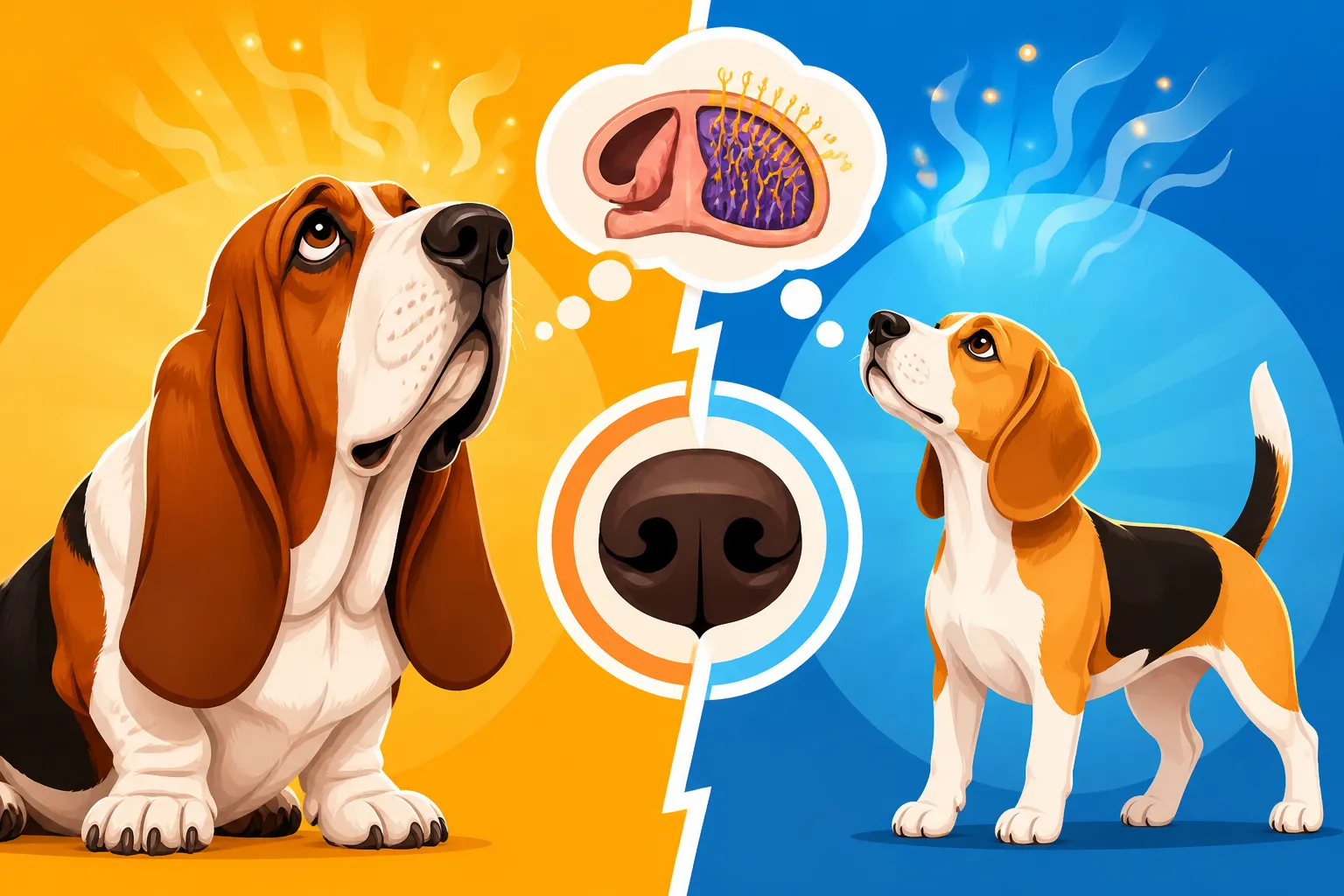
Both Basset Hounds and Beagles are absolute superstars in the olfactory world. They are both classified as scent hounds, meaning their primary purpose, for centuries, has been to follow trails using their noses. Therefore, it's safe to say that both breeds possess a significantly higher number of olfactory receptors and a far more developed olfactory bulb (the part of the brain that processes smell) than most other dog breeds, and certainly compared to humans.
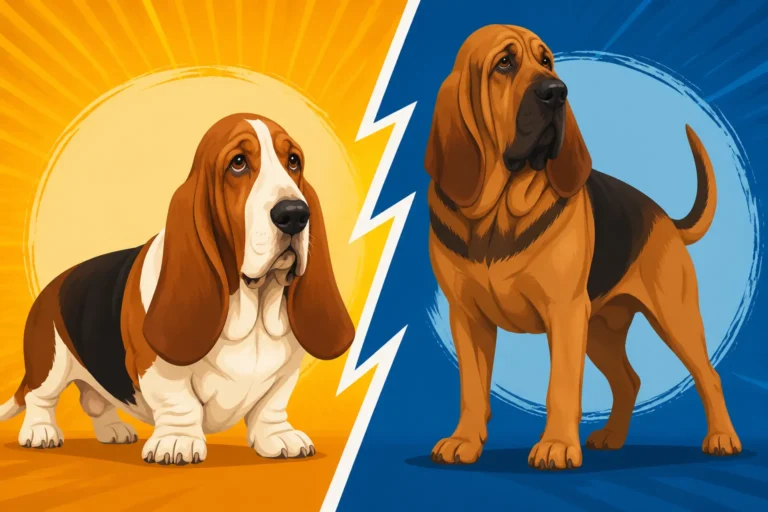
The general consensus, largely anecdotal but widely accepted among canine experts and enthusiasts, places the Basset Hound's nose at or very near the top of the canine hierarchy, often just behind the Bloodhound. This suggests that Basset Hounds may possess a slightly larger or more densely packed olfactory epithelium, leading to a potentially higher number of scent receptors compared to a Beagle. However, this is a very fine distinction, and both are in the elite tier.
Here's a simplified comparison of their general scenting characteristics, keeping in mind that actual receptor counts are not readily available comparative data:
| Feature | Basset Hound | Beagle |
|---|---|---|
| Olfactory Receptor Count | Reputed to be among the highest; potentially more than Beagle | Very high; excellent for detection work |
| Ear Length & Function | Extremely long, sweeps ground to gather scent | Medium length, assists in channeling scent |
| Dewlap/Wrinkles | Prominent, traps scent close to nose | Less pronounced, but still present |
| Body Position | Low to ground, nose almost constant contact | Low to ground, but slightly more elevated |
| Scenting Style | Slow, methodical, unwavering focus on ground trail | Energetic, persistent, works ground trail quickly |
| Persistence on Trail | Extremely high, can ignore all distractions | Very high, driven and focused |
| Vocalization | Deep bay, often when on a strong trail | Distinctive bay, used to alert and communicate |
| Brain Processing | Highly developed olfactory bulb, dedicated to scent analysis | Highly developed olfactory bulb, dedicated to scent analysis |
Beyond Just Numbers: Functionality and Application
While the raw number of scent receptors is certainly a factor, it's only one piece of the puzzle. The effectiveness of a dog's nose also depends on how that information is processed and how the dog utilizes its physical attributes to gather and interpret scent.
The Basset Hound's unique combination of low stature, ground-sweeping ears, and deep facial folds creates an almost self-contained scent-gathering system. They are designed to follow the faintest of ground trails, often older, colder scents, with incredible precision and a singular focus that borders on obsession. Their slower pace allows for meticulous analysis of every molecule.
The Beagle, on the other hand, combines its excellent nose with higher energy and a more active working style. They excel at quickly covering ground while actively working a scent, and their vocalizations make them excellent for alerting handlers. This makes them ideal for tasks where speed and communication are important, such as flushing game or quickly scanning large areas for specific odors in detection work.
So, while the Basset Hound might hypothetically have a slight edge in raw receptor count or in the ability to work an incredibly faint, old trail due to its specialized physical adaptations, the Beagle's combination of keen nose, stamina, and drive makes it an equally formidable and highly effective scenting machine in different contexts. It's more about their specialized roles and how their overall design contributes to their scenting prowess.
Living with a Scent-Driven Hound
Understanding the incredible power of your Basset Hound's nose isn't just a fun fact; it's absolutely crucial for responsible ownership. These aren't dogs you can simply let off-leash in an unfenced area and expect them to come back when called, especially if there's a tempting scent nearby. The Recall a Basset Hound Will Never Reliably Give You is a must-read for anyone with a Basset.
Managing the Powerful Nose
The biggest implication of living with a super-sniffer like a Basset Hound or Beagle is the need for secure containment and careful management during walks. Even the most well-trained scent hound can become "nose-blind" to commands once they've locked onto a compelling odor.
- Secure Fencing: A robust, dig-proof fence is non-negotiable. Basset Hounds, despite their short legs, are surprisingly adept at squeezing through small gaps or digging under fences if their nose tells them there's something interesting on the other side. A solid physical barrier is far more reliable than any invisible fence, which a determined Basset will often "power through" if the scent is strong enough.
- Leash Walking is Key: For walks outside of a fully enclosed, safe area, a leash is your best friend. A good quality, comfortable harness is often preferable to a collar for a Basset, as it distributes pressure more evenly across their chest and shoulders, preventing strain on their neck if they suddenly pull hard on a scent. Retailers like Chewy offer a fantastic array of harnesses suitable for Basset Hounds, from no-pull designs to comfortable everyday options.
- Long Lines for Freedom: If you want to give your Basset a bit more freedom in a safe, open space (like a large field away from roads), a long line (a 20-30 foot leash) can be a great compromise. It allows them to explore scents while still keeping you connected and in control. Just be prepared for them to take you on a wild goose chase!
Providing Scent-Enrichment Activities
Since their nose is their superpower, denying a Basset Hound the opportunity to use it is like asking a Border Collie not to herd. They thrive on activities that engage their olfactory senses. This isn't just about fun; it's about mental stimulation and fulfilling their innate instincts.
- Scent Work and Nose Work: These are fantastic activities for Basset Hounds. You can start simply at home by hiding treats or their favorite toy and encouraging them to find it. Many communities offer formal nose work classes, where dogs learn to identify and locate specific target odors, often with incredible precision. This taps into their natural talents and provides immense mental enrichment, tiring them out in a way a physical walk often can't.
- Puzzle Toys and Snuffle Mats: These are excellent ways to feed their brains (and their stomachs!). Puzzle toys require your Basset to figure out how to release treats, while snuffle mats allow them to forage for kibble, simulating a natural hunting behavior. You can find a huge variety of these enriching toys on sites like Chewy, perfect for keeping their minds sharp. Whether a Basset Hound Enjoys a Snuffle Mat further explores this idea.
- "Deconstructed" Walks: Instead of just power-walking, allow your Basset "sniff walks." Let them take their time, exploring every interesting smell. This might mean your walks are slower and cover less distance, but they are far more enriching and satisfying for your dog. They are truly experiencing the world through their nose, and allowing them this indulgence is a gift.
The "Stubborn" Trait
It's easy to label a Basset Hound as stubborn when they refuse to move, or ignore your calls. But often, it's not stubbornness as much as it is profound focus on their primary sense. When they've found a trail, their ancient hunting instincts kick in, overriding almost everything else. Understanding this helps you approach their training and daily life with more patience and empathy. Rather than fighting their nature, learn to work with it. Positive reinforcement, especially with high-value treats (because food is often the only thing that can momentarily break a scent trance!), is key to training these intelligent, albeit single-minded, hounds.
Disclaimer
This article is for general informational purposes only and does not constitute professional advice. Laws, prices and regulations vary by location and change over time. Consult a qualified professional for guidance on your specific situation.