The Colors a Basset Hound Comes In
One of the most charming and sometimes bewildering aspects of bringing a Basset Hound into your life is understanding the array of colors and patterns they can come in. It's easy to get lost in all the terminology, or even feel a bit frustrated when you see conflicting information about what's "acceptable" or "standard." This comprehensive guide is here to demystify Basset Hound coat colors, helping you appreciate the beautiful spectrum your beloved hound might represent, whether you're welcoming a new puppy or just curious about your seasoned companion.
Understanding the Basset Hound Color Standard
When we talk about "standard" colors for Basset Hounds, we're really referring to the specific coat colors and patterns that are officially recognized by major kennel clubs, like the American Kennel Club (AKC) in the United States or The Kennel Club in the UK. These standards aren't just arbitrary rules; they're historical guidelines that describe the ideal appearance of the breed, reflecting its heritage and often indirectly ensuring a focus on health and structural soundness that goes hand-in-hand with responsible breeding. Many prospective owners get caught up in finding a specific "rare" color, not realizing that what's considered rare might also fall outside the accepted breed standard for good reason.
AKC and Breed Club Standards
The AKC Basset Hound breed standard, for instance, is quite clear on what colors are permissible. It states that Basset Hounds "may be any recognized hound color." This might sound a bit vague at first glance, but it essentially means colors that have historically been associated with scent hounds and are generally healthy for the breed. The primary goal of these standards is to maintain the integrity of the breed, both in appearance and health. Breeders who adhere to these standards are typically focusing on temperament, health clearances, and conformation, which are far more important than a dog's coat color, though color is part of the overall picture. They want to ensure the Basset Hound remains true to its roots.
For someone looking to show their Basset Hound, understanding these nuances is critical, as a dog with a non-standard color might be disqualified from the show ring. However, for a family looking for a loving companion, the color standards mostly serve as a guide to what is traditionally seen and considered healthy within the breed. It’s important to remember that a Basset Hound whose coat color isn't "show standard" is no less a Basset Hound, nor is it any less capable of being a wonderful pet. The emphasis for a pet owner should always be on health and temperament, regardless of the precise shade of their dog's fur.
The Core Basset Hound Colors
So, what are these "recognized hound colors" that the AKC refers to? Primarily, Basset Hounds come in combinations of black, tan, and white, often described as tricolor; varying shades of red with white markings; and the lighter, often creamy lemon with white. These are the most commonly seen and universally accepted colors. Each of these core colors can have its own spectrum of shades and patterns, making every Basset Hound truly unique, even within the same color group. It's not uncommon for puppies in the same litter to display quite a range, from a deeply pigmented tricolor to a soft lemon and white.
Beyond these primary categories, you might encounter other descriptions, but for official purposes, these three combinations form the backbone of the breed's color palette. It’s worth noting that the standard allows for flexibility within these categories, recognizing that nature produces a beautiful variety. The patterns in which these colors appear also play a significant role, with various types of ticking or mottling being perfectly acceptable. Whether a Basset Hound Can Be Any Color is a question many ask, and while the answer is technically no, the approved palette is quite rich.
The Classic Tricolor Basset Hound
Ah, the tricolor Basset Hound! This is probably the image that pops into most people's heads when they think of the breed. It's a truly striking combination, embodying that classic hound look. There's something undeniably charming about the way the black, tan, and white interact on their floppy ears and soulful faces. It’s a color scheme that highlights their distinct features, from their long, velvety ears to their sturdy bodies.
Black, Tan, and White
A tricolor Basset Hound will typically feature large patches of black, combined with tan markings, all set against a white background. The black usually appears as larger saddle-like patches over the back and sides, or as distinctive cap-like markings on their heads. These black areas are often quite dense and glossy, providing a beautiful contrast to the other colors. The tan, a warm reddish-brown hue, is strategically placed, usually appearing on the cheeks, over the eyes (those famous "eyebrows" that give them such expressive faces!), on the insides of the legs, and sometimes around the edges of the black patches. This tan provides a softening effect and adds incredible depth to their facial expressions, often making them look perpetually thoughtful or even a little sad.
The white parts of a tricolor Basset Hound are usually found on the chest, belly, legs, and often as a blaze up the forehead, connecting to a white collar. This white isn't just a blank canvas; it’s an integral part of the pattern, providing the necessary contrast to make the black and tan truly pop. Sometimes, the white areas will have freckle-like spots of color, known as "ticking" or "mottling." This ticking can be black, tan, or a mix of both, and its presence or absence is just a natural variation within the standard. Don't be surprised if those white areas, especially on the legs, develop more ticking as your Basset Hound ages. It’s all part of their unique charm.
The Evolution of Tricolor Markings
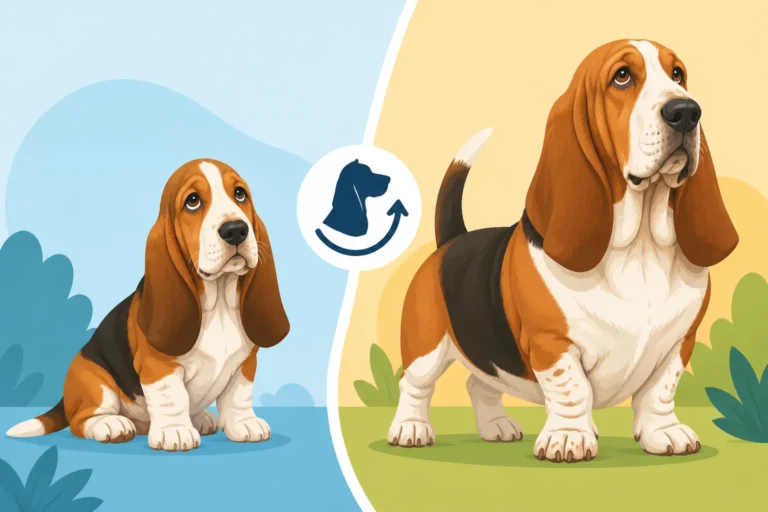
It's fascinating to watch how a Basset Hound puppy's markings can evolve as they grow. What might start as a very clearly defined tricolor pattern in a tiny pup can shift and change slightly as they mature. The tan points, in particular, can become more pronounced or spread a bit more. Sometimes, black areas might lighten slightly, especially if the dog spends a lot of time in the sun, taking on a warmer, rustier tone. This is completely normal and just part of the natural aging and coat development process. So, don't worry if your young Basset Hound's coat seems to be doing a little dance as they grow!
Puppies often have soft, slightly muted colors, and as their adult coat comes in, the true depth and richness of their tricolor pattern emerge. This is also where factors like nutrition play a subtle role; a well-nourished Basset Hound with a healthy coat will display the most vibrant colors. You can find excellent food options on Chewy that support coat health, ensuring their beautiful hues really shine. What the Tricolor Basset Hound Looks Like in its various stages is a subject of endless fascination for Basset enthusiasts.
Red and White: A Timeless Look
Beyond the classic tricolor, another incredibly popular and accepted Basset Hound color is red and white. This combination offers a softer, often warm and inviting appearance that many owners adore. It's a testament to the breed's versatility that they can look so distinctly different yet equally Basset-like in these varying hues.
Shades of Red
The "red" in a red and white Basset Hound isn't just one shade; it's a spectrum that can range from a deep, rich mahogany to a lighter, almost golden red, and everything in between. Some Bassets will have such a dark red that it almost appears liver-colored, while others will have a brighter, more vibrant reddish-chestnut tone. It’s this variation that makes each red and white Basset unique. The depth of the red often depends on genetics, but can also be influenced by sunlight exposure and overall coat health. A sun-loving red Basset might find their coat lightening a touch in the summer months, for example.
These red markings are typically displayed in similar patterns to the black on a tricolor Basset, appearing as solid patches or a large saddle over the back, head, and ears. The ears, in particular, are often a solid, rich red, framing their faces beautifully. There's a certain elegance to a well-marked red and white Basset Hound, and their expressive eyes often seem even more prominent against the backdrop of their warm-toned fur. They possess an undeniable charm that makes them instantly recognizable.
White Markings and Ticking
Just like with the tricolor Bassets, the white areas on a red and white hound provide contrast and definition. You'll typically see white on the chest, belly, legs, and often a white blaze on the face. Sometimes, this white can extend up the neck and form a partial or full collar. The crispness of the white against the warm red creates a lovely visual effect. Again, ticking or mottling is quite common and perfectly acceptable within the breed standard. These are small, colored flecks that appear in the white areas, often intensifying as the dog ages.
For a red and white Basset, the ticking will naturally be red or a rusty brown, scattering across their white paws or chest. It gives them a rustic, almost freckled look that many find endearing. This ticking doesn't impact their health or temperament, it's purely a cosmetic feature that adds to their individuality. Keeping their coat in good condition, regardless of color, is important, and regular brushing can help minimize shedding. How Much a Basset Hound Sheds is a common concern for owners, and proper grooming tools from places like Chewy can make a big difference in managing it for all Basset coat colors.
Lemon and White: The Sunniest Hounds
If you're looking for a Basset Hound with a truly distinctive and somewhat rarer appearance among the common hues, the lemon and white might just steal your heart. These hounds possess a soft, gentle coloring that stands out, often surprising people who are only familiar with the tricolor or red and white variations.
The Spectrum of Lemon
The term "lemon" in Basset Hounds refers to a very pale yellow or creamy fawn color, combined with white. It's not a bright, vivid lemon like a fruit, but rather a subdued, warm shade that can range from an almost off-white cream to a richer, buttery yellow. This color is often beautifully soft and uniform, creating a harmonious and sometimes ethereal look. The intensity of the lemon can vary significantly, even within the same litter, with some puppies being almost indistinguishable from pure white at birth, only for their lemon patches to deepen slightly as they mature.
These lemon patches typically appear in the same areas where black or red would be found on other Bassets – as a saddle, head markings, or patches on the ears and body. The ears, in particular, often showcase the richest lemon tones, contrasting subtly with the lighter areas of their faces. A well-marked lemon and white Basset Hound can look incredibly elegant, and their gentler coloring seems to enhance their already sweet and docile expressions.
Distinguishing Lemon from Red
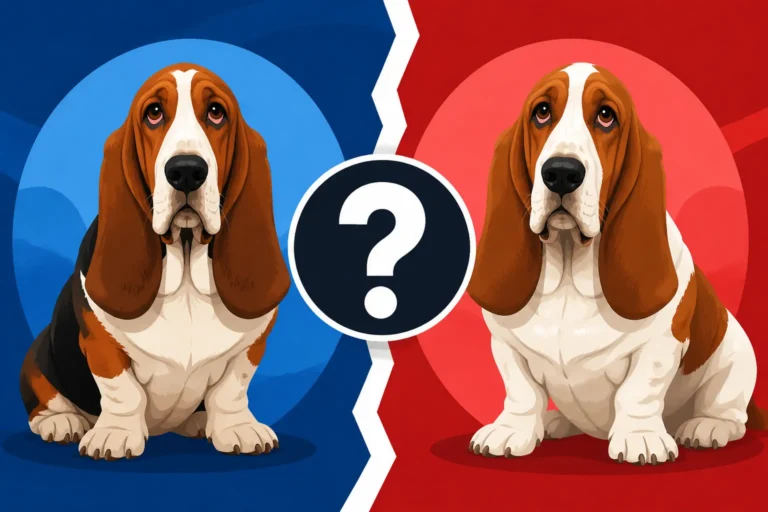
It can sometimes be a little tricky to differentiate a very pale red and white Basset Hound from a dark lemon and white one, especially in certain lighting conditions or in puppyhood. The key difference lies in the underlying pigment. Red has a definite reddish or orange base, even when pale, while lemon is distinctly yellow or creamy. Think of a pale ginger versus a soft buttercup. As puppies grow, their true colors usually become more apparent. A very pale red might look almost lemon, but as they age, those reddish undertones often become more pronounced.
Lemon and white Basset Hounds are fully recognized by breed standards and are just as healthy and wonderful as their darker-coated counterparts. What the Lemon and White Basset Hound Looks Like is often surprising to first-time Basset owners, who are accustomed to the bolder tricolor. While they may not have the stark contrast of a tricolor, their delicate hues give them a unique charm. If you're considering a Basset Hound of this color, ensure you're getting it from a reputable breeder who prioritizes health, as color should always be secondary to overall well-being and genetic soundness.
Less Common, But Still Standard: Black and White
While tricolor, red and white, and lemon and white dominate the Basset Hound landscape, there's another standard color combination that is less frequently seen but equally beautiful: black and white. These hounds offer a stark, classic appearance that stands out from the crowd.
The Striking Contrast
A black and white Basset Hound features a coat composed solely of black patches on a white background, without any of the tan or red points you'd see in tricolor or red and white dogs. The black is typically a deep, rich, and often shiny black, creating a dramatic contrast with the pure white areas of their coat. This bold, two-tone pattern gives them a rather formal and distinguished look, emphasizing their strong hound features. The black patches can be large and expansive, covering much of the body, or more sparsely distributed, appearing as distinct spots or smaller saddle markings.
The white areas serve as the perfect canvas, allowing the black to truly pop. You'll find white on their chest, belly, legs, and often a prominent white blaze on their face. This crisp, clean division of color is what defines the black and white Basset Hound. They really make a statement with their minimalist yet powerful color scheme. This striking combination can sometimes lead people to mistake them for another breed at first glance, but a quick look at their signature long ears and soulful eyes quickly confirms their Basset heritage.
Absence of Tan Points
What definitively distinguishes a black and white Basset Hound from a tricolor one is the complete absence of tan markings. A tricolor Basset, by definition, will have those warm tan accents over the eyes, on the cheeks, and often on the legs. In a black and white Basset, these areas remain either black or white. There are no "eyebrows" of tan to give them that perpetually worried or questioning look. This lack of tan gives them a more direct, perhaps even more serious expression, though their inherent Basset charm is always present.
Just like other recognized colors, black and white Bassets can also display ticking or mottling in their white areas. These flecks would, of course, be black, adding a bit of a speckled appearance to their legs or belly. This variation is perfectly normal and adds character to their already unique coats. Responsible breeders understand the genetic makeup that produces these various recognized colors and ensure that breeding choices prioritize health and temperament above all else. Finding a black and white Basset may take a little more searching, simply because they are not as common as tricolors or reds, but they are a truly handsome example of the breed.
Beyond the Standard: Colors Not Recognized by Clubs
While the recognized colors offer a wonderful palette, it's also true that Basset Hounds can occasionally appear in other colors or patterns that fall outside the official breed standard. It's important for prospective owners to understand these variations, not just for show ring purposes, but sometimes because certain colors can be linked to genetic health considerations. These non-standard colors aren't necessarily "bad" or "wrong," but they are worth being aware of, especially if you encounter a breeder marketing them as "rare" or "exotic" for a higher price.
Blue Basset Hounds
One of the most talked-about non-standard colors is "blue" or "dilute" Basset Hounds. This refers to a dog that has a diluted black pigment, resulting in a greyish or slate-colored coat instead of black. Often, their noses and paw pads will also be grey rather than black. While these dogs can be quite beautiful with their unique, softened appearance, the dilute gene can sometimes be associated with a condition known as Color Dilution Alopecia (CDA). CDA is a genetic skin condition that can cause patchy hair loss, dry and flaky skin, and recurrent skin infections in dilute-colored dogs. It’s not a certainty that every blue Basset will develop CDA, but the risk is significantly higher.
This is why reputable breeders generally avoid breeding for diluted colors. Their focus is on producing healthy dogs that conform to the established standard, which has evolved to avoid such potential health issues. If you encounter a "blue" Basset, it's crucial to be aware of the potential for skin problems and to discuss this thoroughly with the breeder. Understanding Whether a Blue Basset Hound Has Skin Trouble is vital for any potential owner.
Solid Colors and Excessive Ticking
Another variation that falls outside the standard includes Basset Hounds that are solid-colored (e.g., entirely red, entirely black, or entirely white) or those with excessively heavy ticking that obscures the primary white markings. While a Basset might have very large patches of a single color, a truly solid color (without any white markings at all) is not typical for the breed and would not be considered standard. Similarly, while some ticking is acceptable and even common, especially on the legs, a Basset Hound whose entire white areas are so heavily mottled with color that the distinct white base is lost would also fall outside the standard.
These variations are largely aesthetic concerns and don't typically carry the same health implications as dilute colors. However, they highlight the importance of understanding the breed standard if you are interested in showing or breeding. For pet owners, it simply means that such a Basset Hound would have a unique look. The key takeaway here is always to prioritize health and temperament when choosing a Basset Hound, regardless of its specific coat color or pattern. A dog's character and well-being are far more enduring than the shade of its fur.
The Importance of Color in Breeding and Health
While it's easy to get captivated by the sheer beauty of a Basset Hound's coat, color isn't just about aesthetics; it can sometimes be a subtle indicator of underlying genetic considerations, especially in responsible breeding. Understanding the genetics behind coat color helps reputable breeders make informed decisions that safeguard the health and future of the breed. It’s not just about producing pretty puppies; it’s about producing healthy ones.
Color Genetics and Health Considerations
The genetics of coat color in dogs are complex, and certain genes that dictate color can sometimes be linked to other traits, including health predispositions. As we discussed with "blue" Basset Hounds, the dilute gene can be associated with skin conditions like Color Dilution Alopecia. This isn't unique to Bassets; similar issues can be seen in other breeds with dilute coats. Responsible breeders are keenly aware of these genetic links and actively work to avoid breeding dogs that carry genes for health-linked non-standard colors. They understand that introducing these genes into a breeding line can have long-term consequences for the health of future generations.
It’s not just dilute colors; sometimes, extreme patterns or very unusual solid colors might also hint at less common genetic combinations that haven't been thoroughly studied for potential health implications. While most standard Basset Hound colors (tricolor, red and white, lemon and white, black and white) are not associated with specific health risks, any deviation warrants careful consideration and discussion with an experienced veterinarian and breeder. The health of the Basset Hound's skin, for instance, is already a consideration due to their loose folds, so adding another potential skin issue through color genetics is something to avoid. The Skin Under a Basset Hound's Folds needs consistent attention regardless of color.
Why Reputable Breeders Stick to Standards
Reputable Basset Hound breeders are not just concerned with winning ribbons in the show ring; their primary commitment is to the health, temperament, and longevity of the breed. This means adhering to the breed standard, which serves as a blueprint for the ideal Basset Hound. When it comes to color, sticking to recognized patterns and hues helps them avoid potential genetic pitfalls, such as those associated with dilute colors. They will perform health screenings, such as for elbow and hip dysplasia, and eye conditions, which are far more crucial than chasing a "fad" color. The Health Tests a Basset Hound Breeder Should Run are a far better indicator of a breeder's commitment than a fancy color.
A responsible breeder will openly discuss the genetic health of their breeding stock, including any concerns related to color. They won't market unusual colors as "rare" or "exclusive" to charge higher prices; instead, they will educate potential owners about why these colors fall outside the standard and any potential associated risks. They're looking for owners who appreciate the Basset Hound for its classic traits, loving personality, and unique charm, not just its coat color. For them, color is just one piece of the puzzle, and a healthy, happy Basset Hound is always the ultimate goal.
Living with a Basset Hound of Any Color
Ultimately, whether your Basset Hound is a striking tricolor, a warm red and white, a sunny lemon and white, or a bold black and white, their color is just one aspect of what makes them special. The true joy of Basset ownership comes from their incredible personalities, their unwavering loyalty, and those unforgettable, soulful eyes.
Love Your Hound, Whatever Its Hue
No matter the hue, a Basset Hound will greet you with that characteristic low-slung, waddling gait, that deep bay that echoes through the neighborhood, and an insatiable desire for cuddles and snacks. Their color doesn't change their incredible scenting ability, their stubborn but endearing nature, or their propensity for napping in the most unexpected places. The Twelve Inch Ears a Basset Hound Was Given on Purpose are just as long and velvety on a lemon and white hound as they are on a tricolor. Their famously relaxed demeanor and affectionate nature are universal traits that transcend any specific color combination.
What truly matters is the bond you build with your Basset. Their floppy ears are for listening (or pretending to!), their long bodies are for leaning, and their big paws are for leaving muddy prints on your clean floors. These are the delightful realities of Basset ownership, regardless of what shade their coat happens to be. Embrace the uniqueness of your dog and cherish the qualities that make them a Basset Hound through and through.
Practicalities of Coat Care (Regardless of Color)
When it comes to daily care, a Basset Hound's coat color has very little bearing on its grooming needs. All Basset Hounds, with their short, dense coats, require similar levels of attention to keep them looking and feeling their best. Regular brushing is a must to manage their shedding, which can be surprisingly constant despite their short hair. A good rubber curry brush or a shedding blade can work wonders. Whether a Basset Hound's Coat Needs Brushing is a definite yes for all colors!
Beyond brushing, you'll want to pay close attention to their unique anatomy:
- Ears: Those long, heavy ears are prone to infections, so a consistent ear cleaning routine is crucial.
- Folds: Their wonderfully wrinkled faces and dewlaps need regular wiping to prevent skin fold infections.
- Nails: Their nails grow quickly and need frequent trimming to prevent discomfort.
- Weight: Bassets are prone to gaining weight, so consistent portion control and exercise are key for a healthy life. Why a Basset Hound Weighs as Much as a Labrador might surprise you until you've met one!
All these care aspects apply universally to every Basset Hound, regardless of whether they are black and white, red and white, tricolor, or lemon and white. You can find all the necessary grooming tools and high-quality food to support a healthy coat and overall well-being at places like Chewy.
Basset Hound Coat Color Overview
To help summarize, here's a quick overview of the most common Basset Hound colors:
| Color/Pattern | Description | AKC Standard Status | Commonality | Key Features | Potential Health Links |
|---|---|---|---|---|---|
| Tricolor | Black, tan, and white markings. Black saddle, tan points. | Standard | Very Common | Classic hound look, expressive tan eyebrows. | None |
| Red and White | Various shades of red (mahogany to golden) with white markings. | Standard | Common | Warm, often vibrant appearance. | None |
| Lemon and White | Pale yellow to creamy fawn with white markings. | Standard | Less Common | Soft, gentle hues; can appear almost off-white as pups. | None |
| Black and White | Black patches on a white background, no tan points. | Standard | Less Common | Striking, bold contrast, minimalist appearance. | None |
| Blue (Dilute) | Grey/slate-colored coat where black would be, grey nose/pads. | Non-Standard | Rare | Unique, muted appearance. | Higher risk of Color Dilution Alopecia (CDA) |
| Solid Colors | Entirely one color (e.g., all red, all black, all white) | Non-Standard | Very Rare | Lacks typical Basset markings. | Generally none, but unusual for breed |
| Excessive Ticking | White areas heavily speckled with so much color that white is lost | Non-Standard | Rare | Distinct white base is obscured by dense flecks. | Generally none |
Remember, the color of your Basset Hound is a beautiful part of their unique identity, but it's their heart, health, and happy-go-lucky spirit that will truly enrich your life.
Disclaimer
This article is for general informational purposes only and does not constitute professional advice. Laws, prices and regulations vary by location and change over time. Consult a qualified professional for guidance on your specific situation.