How Heavy a Basset Hound Really Is
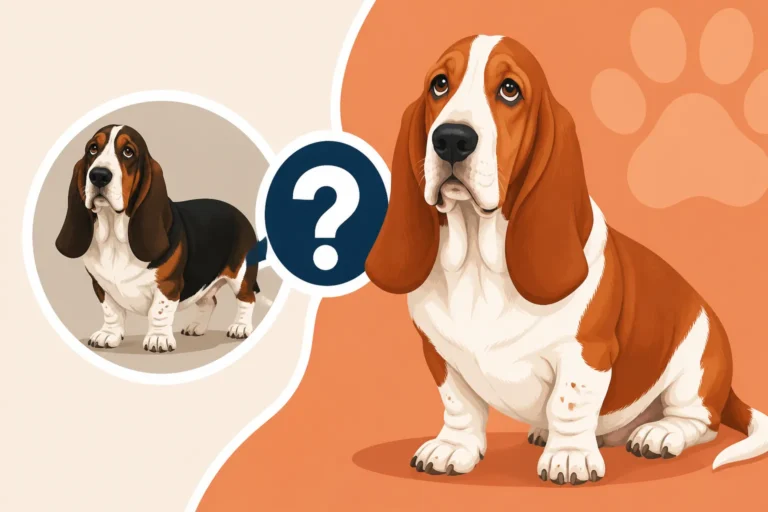
When you first see a Basset Hound, with those long, floppy ears and those deep, soulful eyes, you might think, "Oh, what a sweet, moderately sized dog!" You see their short stature, their little legs, and you might naturally assume they're not a particularly heavy breed. But let me tell you, that assumption is a common pitfall for new Basset owners, and it can lead to some real surprises down the line, both in how much dog you're actually getting and the health challenges that can arise if you don't manage their weight properly. This guide is going to peel back the layers of that dense, sturdy build and reveal just how much heft these adorable hounds truly carry, and why understanding their weight is crucial for their lifelong health.
The Basset Hound's Weight: More Than Meets the Eye
It’s an easy mistake to make, truly. You look at a Basset Hound trotting along, ears almost sweeping the ground, and your mind just doesn't compute the sheer density that lies beneath that loose skin and short coat. They’re low to the ground, yes, but that doesn't mean they're light. Many first-time Basset owners have walked into a rescue or a breeder's home and been utterly floored when they tried to pick up what they thought would be a manageable pup. Suddenly, their arms are burning, and they realize they’ve encountered a true compact powerhouse.
The Illusion of "Small"
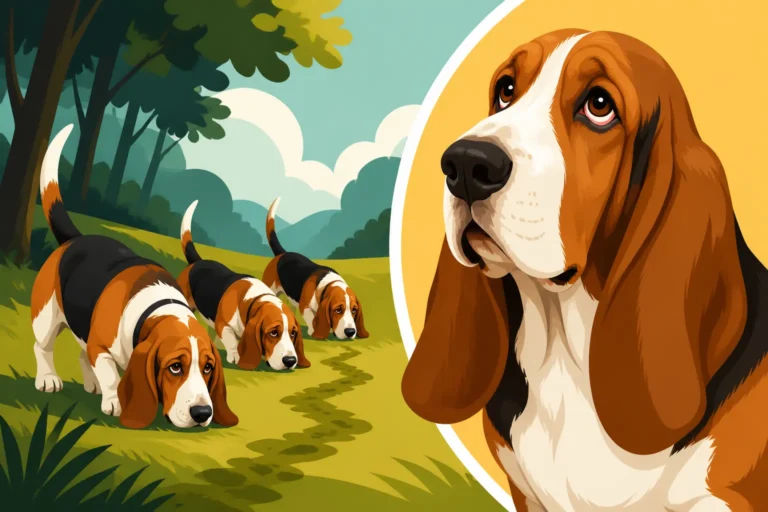
The Basset Hound’s unique conformation is a master of deception. Their short legs and long body create an optical illusion, making them appear smaller and lighter than they actually are. It's not like looking at a tall, slender Greyhound, where you instantly perceive their lean athleticism. Bassets are built for endurance, for relentlessly following a scent trail for hours on end, and that requires a robust skeletal structure and strong musculature. They are, in essence, a lot of dog packed into a low-rider frame. This dense bone structure is a hallmark of the breed, a reminder of their working heritage as scent hounds, designed to push through dense underbrush and navigate challenging terrain.
Imagine trying to lift a sturdy, compact piece of antique furniture versus a flimsy, tall modern one. The Basset is the former; solid, grounded, and much heavier than its height would suggest. This surprising heft often catches people off guard when they consider everything from carrying them up stairs (which they shouldn't do often anyway, but we'll get to that) to simply lifting them into the car. It’s a good wake-up call that "small" can be a very relative term when it comes to dog breeds, especially one so uniquely built as our beloved Basset.
Why Their Build Deceives Us
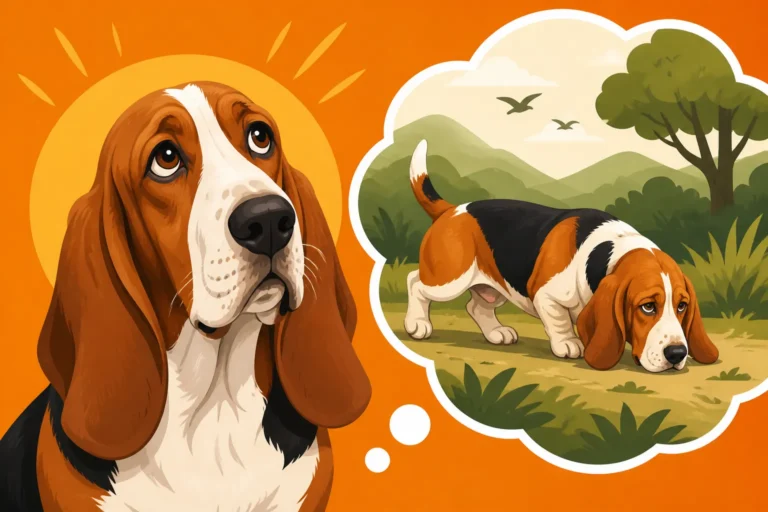
Their distinctive silhouette, often described as a long, low-slung body with short, stout legs, is specifically bred for a purpose: scent tracking. The low stature keeps their nose close to the ground, maximizing their ability to pick up and follow even the faintest trails. However, this structure also means that their weight is distributed very differently compared to a more conventionally proportioned dog. They carry a surprising amount of muscle and bone mass, particularly in their chests and forequarters, which gives them a substantial feel.
This compact build also comes with thicker bones than many other breeds of comparable size. Think of a brick versus a hollow block – both might be about the same overall dimension, but one is far denser and heavier. A Basset Hound's bone structure is more akin to that brick. When you combine this dense bone structure with a body that can often be quite muscular, especially if they are getting regular, appropriate exercise, you end up with a dog that has significant poundage despite their height. This is why it's so important not to judge a Basset by its cover, or rather, by its height. They might be short, but they are absolutely not small. Understanding this foundational aspect of their build is the first step in properly appreciating Why a Basset Hound Weighs as Much as a Labrador.
Average Weight Ranges for Basset Hounds
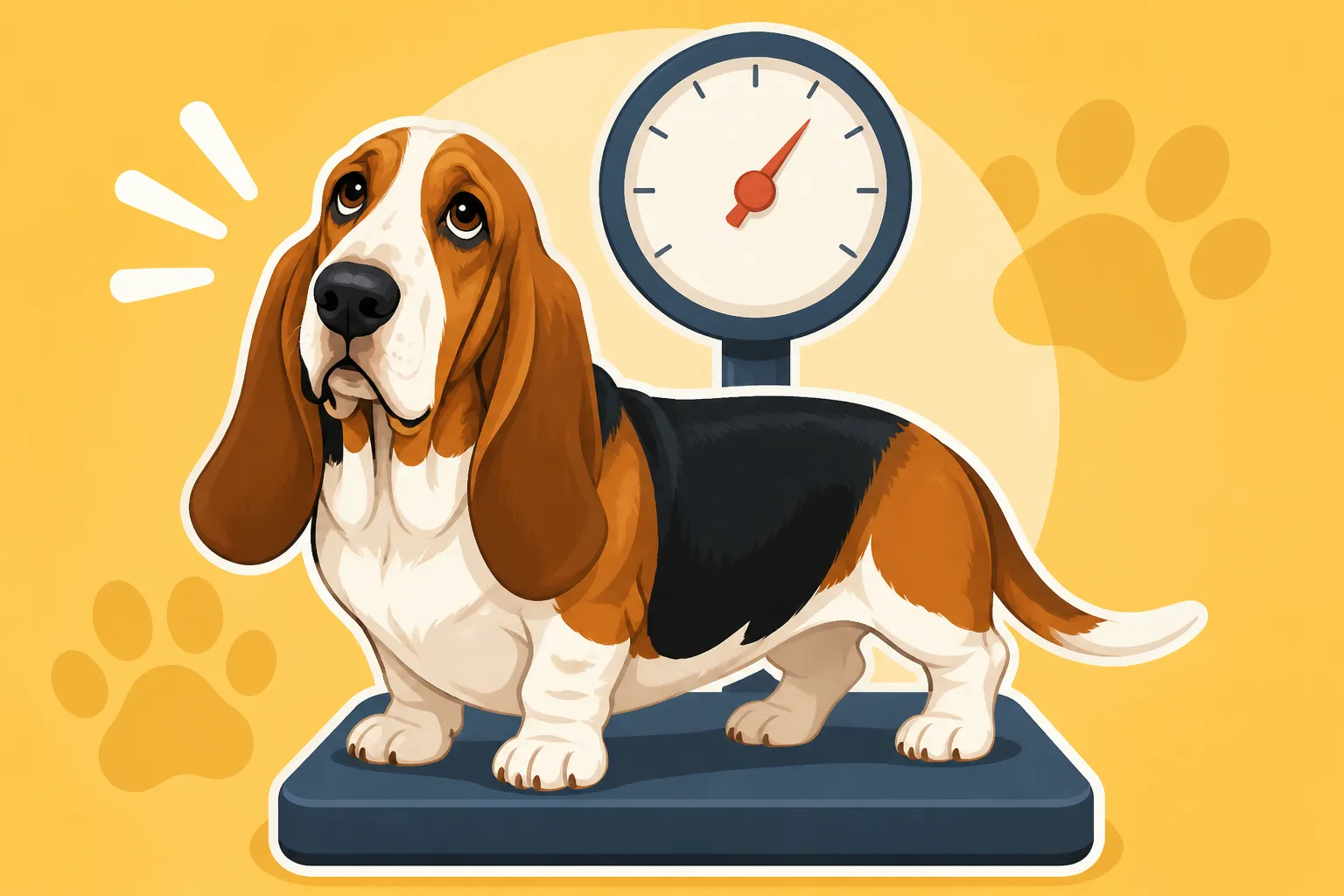
So, after all that talk about their surprising heft, what are we actually talking about in terms of numbers? It's natural to want a clear answer, and while there's a range, Basset Hounds typically fall into a category that definitely moves them out of the "small dog" aisle. While they may not be giant breeds, their weight can certainly rival that of dogs much taller than them.
Male vs. Female Differences
As with most dog breeds, there's a discernible difference in weight between male and female Basset Hounds. Generally, males tend to be a bit heavier and often a touch more muscular than females.
- Males: Typically, an adult male Basset Hound will weigh in the range of 50 to 65 pounds (23 to 29 kg). Some particularly robust individuals might even push closer to 70 pounds if they are well-muscled and in good condition, without being overweight.
- Females: Adult female Basset Hounds are usually a little lighter, generally ranging from 45 to 60 pounds (20 to 27 kg). They might have a slightly finer bone structure, though still very sturdy for their size.
It's crucial to remember that these are healthy ranges for a Basset Hound with appropriate muscle tone and a lean body condition. A Basset Hound carrying too much extra weight can easily exceed these numbers, sometimes by a significant margin, which brings its own set of health challenges. The key isn't just the number on the scale, but how that number correlates to their overall body condition.
Age and Weight Progression
A Basset Hound's weight isn't static; it changes significantly from puppyhood through their adult and senior years.
- Puppyhood: Basset puppies grow rapidly, gaining weight steadily. It's important to monitor this growth, but also to remember that they shouldn't grow too fast. Rapid growth can put undue stress on their developing joints. A Basset puppy at 4 months, for instance, will already feel quite substantial. The Age a Basset Hound Reaches Full Size is usually around 18 months to 2 years, though they may continue to fill out and gain muscle mass until they are about three years old.
- Adulthood: This is when they reach their peak healthy weight, falling within the ranges mentioned above. During this period, owners need to be vigilant about calorie intake versus exercise output. A Basset Hound that has settled into a comfortable routine might slowly start to gain weight if their food portions aren't adjusted as their activity levels naturally plateau.
- Senior Years: As Basset Hounds age, typically starting around 7-8 years old, their metabolism can slow down, and their activity levels may naturally decrease due to arthritis or other age-related discomforts. This often means a tendency to gain weight, or, conversely, a loss of muscle mass which can make them seem lighter but less sturdy. Monitoring weight in older Bassets is even more critical to ensure they don't develop What Extra Weight Does to a Basset Hound, making joint issues worse. For older hounds, it's not uncommon to see a shift in their physique. An old Basset Hound that cannot get off the floor might be struggling due to age-related weakness or pain, but excess weight will only compound the issue.
The journey of their weight is a lifelong one, requiring consistent attention and adjustments to their diet and exercise routine to ensure they stay within a healthy range for each stage of their life.
Factors Influencing a Basset Hound's Weight
Understanding the average weight is one thing, but pinpointing why a particular Basset Hound falls where it does on the scale involves a mix of genetics, lifestyle, and overall health. It's never just one thing, and often, it's a combination of several factors that push their weight in one direction or another.
Genetics and Breeding Lines
Just like people, dogs inherit predispositions from their parents. A Basset Hound's genetic makeup plays a significant role in determining its ultimate size and build.
- Parental Size: Larger parents generally produce larger, heavier puppies. If your Basset Hound puppy comes from a line of particularly sturdy, well-boned individuals, it's reasonable to expect your dog to mature into a heavier adult. Responsible breeders often consider the overall conformation and bone structure in their breeding pairs, aiming for dogs that fit the breed standard without being overly exaggerated.
- Breed Standard Variations: While there's a general breed standard, slight variations exist between different kennel clubs and even within different breeding philosophies (e.g., show lines vs. hunting lines). Some lines might emphasize a more compact, heavier bone structure for the show ring, while others might prioritize a slightly more agile build for working purposes, which could translate to subtle weight differences. However, the core density of a Basset Hound's build remains consistent across the breed. A good breeder should be able to discuss the typical adult size and weight of their dogs' lines, giving you a better idea of what to expect.
Genetic predisposition isn't destiny, though. While it sets the framework, environmental factors like diet and exercise have a huge impact on whether your Basset reaches its genetic potential healthily or veers into unhealthy territory.
Diet and Exercise Habits
This is where owners have the most direct control, and it's often the biggest culprit behind unhealthy weight in Basset Hounds.
- Caloric Intake: Basset Hounds are notoriously food-motivated. They love to eat, and they often act as if they haven't had a meal in weeks, even right after finishing one! Their soulful eyes and mournful bay can be powerful tools in extracting extra treats from unsuspecting owners. It's incredibly easy to overfeed a Basset Hound, especially with calorie-dense treats or by simply giving portions that are too large for their activity level. How Much an Adult Basset Hound Eats Daily should be carefully measured and controlled, taking into account their age, activity, and metabolism. Brands like Chewy offer a wide variety of portion-controlled foods and slow-feeder bowls that can help manage this instinct.
- Activity Level: Despite their reputation for being "lazy," Basset Hounds do need regular, moderate exercise. A couple of sniff-filled walks each day are far more beneficial than you might realize. However, their short legs and long backs mean they aren't built for intense, high-impact activities. They're more about steady, sniffing strolls. Lack of consistent, appropriate exercise combined with overfeeding is a fast track to an overweight Basset. Getting Weight Off a Basset Hound That Will Not Exercise can be a challenge, but it's not impossible with dedication and creative thinking. Interactive toys and scent games can be excellent ways to engage them both mentally and physically.
The balance between "calories in" and "calories out" is absolutely vital for maintaining a healthy weight. It's a daily commitment, but one that pays dividends in their comfort and longevity.
Health Conditions and Medications
Sometimes, weight fluctuations aren't simply about food and exercise but are indicators of underlying health issues or side effects of necessary medications.
- Hypothyroidism: This is a relatively common condition in dogs, including Basset Hounds. The thyroid gland doesn't produce enough hormones, leading to a slowed metabolism, which can manifest as weight gain, lethargy, and changes in coat condition. If your Basset Hound is gaining weight despite appropriate diet and exercise, a vet check, including thyroid screening, is a wise step. Signs a Basset Hound's Thyroid Has Failed can be subtle but are important to catch.
- Cushing's Disease: While less common than hypothyroidism, Cushing's disease (hyperadrenocorticism) can also lead to weight gain, particularly a pot-bellied appearance, along with increased thirst, urination, and skin issues.
- Medication Side Effects: Certain medications, especially steroids, can cause increased appetite and fluid retention, leading to weight gain. If your Basset Hound is on long-term medication, discuss potential weight changes with your veterinarian.
- Pain and Mobility Issues: A Basset Hound suffering from chronic pain, perhaps from Elbow Dysplasia in a Basset Hound or Intervertebral Disc Disease in a Basset Hound, might become less active. Reduced activity naturally leads to less calorie expenditure, making weight gain easier even if food intake remains the same. This creates a vicious cycle where pain leads to inactivity, which leads to weight gain, which then exacerbates the pain. It’s why maintaining a healthy weight is so critical for these predisposed breeds.
Regular veterinary check-ups are essential to catch these issues early. Your vet can help differentiate between simple overfeeding and weight changes caused by medical conditions, guiding you towards the appropriate course of action.
Why Maintaining a Healthy Weight is Crucial
It’s easy to dismiss a few extra pounds on a Basset Hound. They're already stout, right? A little plumpness just makes them more cuddly, doesn't it? Well, as a veteran Basset lover, I'm here to tell you that this seemingly innocuous extra weight is anything but harmless. It places a significant strain on their unique body structure and can drastically reduce their quality of life and lifespan. This isn't just about aesthetics; it's about their health, their comfort, and their ability to enjoy those long, satisfying sniff-walks.
The Silent Burden of Extra Pounds
An overweight Basset Hound carries a burden that silently chips away at their health and happiness. Their already distinct conformation, with those short legs and long back, is particularly vulnerable to the added stress of excess weight.
- Joint Stress: This is perhaps the most immediate and significant impact. Basset Hounds are predisposed to joint issues like elbow dysplasia and arthritis. Every extra pound your Basset carries puts disproportionate pressure on their joints, especially their elbows and spine. This accelerates wear and tear, exacerbates existing conditions, and can lead to crippling pain and reduced mobility much earlier in life. Imagine carrying a heavy backpack all day, every day – that's what an overweight Basset experiences. This can quickly lead to Arthritis in a Basset Hound at Seven or even earlier, making simple movements like getting up from a nap a painful ordeal.
- Spinal Problems: Their long, heavy body is already a risk factor for spinal issues such as Intervertebral Disc Disease (IVDD). Extra weight increases the compression on those delicate discs, making them more prone to herniation or rupture. This can lead to severe pain, nerve damage, and even paralysis, often requiring costly and intensive surgery, or a lifetime of management. The Back Trouble a Basset Hound Is Built Into is only made worse by being overweight.
- Respiratory and Cardiovascular Issues: An overweight Basset has to work harder to breathe and circulate blood. The fat around their chest cavity and abdomen can restrict lung expansion, making them more prone to overheating and struggling during even moderate exercise. This puts extra strain on their heart, increasing the risk of heart disease.
- Diabetes and Other Metabolic Diseases: Just like in humans, obesity is a significant risk factor for conditions like diabetes mellitus in dogs. It can also worsen other metabolic imbalances and make their bodies less efficient at fighting off illness.
- Reduced Quality of Life: Beyond the specific health ailments, an overweight Basset is simply less comfortable and less joyful. They might be less inclined to play, struggle to groom themselves, and generally have less energy. Their ability to engage with the world, explore scents, and enjoy their natural Basset activities is severely hampered. This can be heartbreaking to witness, especially knowing it's often preventable. Whether an Overweight Basset Hound Lives Shorter is a stark reality that responsible ownership seeks to avoid.
Underweight Concerns and What They Mean
While obesity is the more common concern for Basset Hounds, being underweight also poses serious risks and can be an indicator of underlying problems. It's not about them being lean; it's about being too lean, where their bones become overly prominent, and they lack adequate muscle and fat reserves.
- Underlying Illness: Unexplained weight loss in a Basset Hound is a red flag. It can be a symptom of a wide range of medical conditions, including dental disease, gastrointestinal issues, parasites, kidney disease, liver disease, cancer, or other metabolic disorders. If your Basset is losing weight without a change in diet or activity, a vet visit is absolutely imperative to diagnose and treat any underlying health problem.
- Nutritional Deficiencies: An underweight Basset may not be getting adequate nutrients, even if they're eating. This can happen if they're on a poor-quality diet or if their body isn't absorbing nutrients properly due to illness. Nutritional deficiencies can lead to a weakened immune system, poor coat quality, muscle wasting, and overall weakness.
- Muscle Wasting: Severe underweight often comes with muscle loss, which further weakens their body and can make them more susceptible to injuries. For a Basset Hound, this can affect their mobility and make them more prone to struggles like The Old Basset Hound That Cannot Get Off the Floor.
- Lack of Energy and Resilience: An underweight dog will often lack the energy and stamina for normal activities. They may also have reduced resilience against stress and illness, making them more vulnerable during recovery from surgery or in dealing with other health challenges.
Both ends of the weight spectrum – overweight and underweight – are detrimental to a Basset Hound's health. The goal is always that sweet spot in the middle: a healthy, lean body condition that allows them to thrive.
Practical Tips for Weight Management
So, you understand why weight is so critical for Basset Hounds. Now, let’s talk about the practical steps you can take to ensure your beloved hound maintains a healthy body condition. This isn't a one-and-done solution; it's an ongoing commitment, but one that will profoundly impact their health and happiness.
Assessing Your Basset Hound's Body Condition
The first step in managing weight is knowing where you stand. The number on the scale is a data point, but it doesn't tell the whole story. What truly matters is their Body Condition Score (BCS). You can do this at home with a simple touch test and visual check.
- Feel for Ribs: Run your hands along their sides. You should be able to easily feel their ribs without pressing hard, but they shouldn't be visibly protruding. If you can't feel their ribs at all, they're likely carrying too much fat. If you can see every rib clearly without touching, they might be underweight.
- Observe the Waistline: When looking down at your Basset from above, you should see a slight indentation or "waist" just behind their ribs. If they look like a straight, solid block, or if their sides bulge out, they are likely overweight.
- Check the Abdominal Tuck: When looking at them from the side, their abdomen should tuck up slightly from their ribcage to their hind legs, not hang low or be distended.
- The Chest and Hips: While Bassets have a deep chest and a heavier frame, you should still be able to feel the underlying bone structure of their hips and shoulders without them being overly bony.
Don't be fooled by their loose skin. Bassets have plenty of it, and it can hide a multitude of sins – or pounds! Feeling for a Basset Hound's Ribs Under Loose Skin requires a deliberate touch. Most veterinarians use a 1-to-9 scale (with 5 being ideal) or a 1-to-5 scale (with 3 being ideal) for BCS. If you're unsure, ask your vet during your next check-up to assess your dog's score and guide you. This objective assessment is far more reliable than just looking at the scale.
Tailoring Diet and Exercise
Once you know your Basset Hound's current condition, you can tailor their diet and exercise plan. This is where the real work, and the real love, comes in.
- Precise Portions: This is paramount. Stop "eyeballing" portions and start measuring their food precisely. Use a kitchen scale or a dedicated measuring cup. Consult your dog food bag for recommended daily amounts based on their ideal weight, then adjust as needed. Many high-quality dog food brands, easily found on platforms like Chewy, provide clear feeding guidelines. If your Basset is overweight, your vet might recommend a specific weight-loss formula or a slightly reduced portion of their current food.
- Quality Food: Opt for a high-quality dog food that provides balanced nutrition. Avoid fillers and excessive carbohydrates that can contribute to weight gain without providing much nutritional value. Consider foods formulated for "large breed puppies" during their growth phase to support slow and steady development, which is gentler on their joints.
- Limit Treats and Table Scraps: This is often the hardest part! Basset Hounds are masters of begging. Treats should be healthy (think small pieces of carrot, green beans, or specially formulated low-calorie dog treats from Chewy) and counted as part of their daily caloric intake. Absolutely no table scraps – they are often high in fat, sugar, and sodium, and can quickly add unwanted pounds.
- Consistent, Moderate Exercise: Forget intense sprints or high jumps. Bassets need steady, engaging activity. Aim for two to three moderate walks a day, allowing plenty of time for sniffing. Sniffing is incredibly mentally stimulating and physically taxing for them! Consider scent work games, puzzle toys, or even just scattering their kibble in the yard to encourage movement. Whether a Basset Hound Needs Any Real Exercise is a resounding "yes," but it needs to be the right kind of exercise. Using a harness instead of a collar can also make walks more comfortable and prevent strain on their neck.
- Slow Feeder Bowls: If your Basset inhales their food, a slow feeder bowl can help them eat more slowly, feel fuller, and reduce the risk of bloat.
Remember, consistency is key. Small, consistent changes over time are much more effective and sustainable than drastic, short-lived efforts.
Regular Vet Check-ups
Your veterinarian is your most valuable partner in managing your Basset Hound's weight and overall health. Don't skip those annual check-ups, and don't hesitate to schedule extra visits if you have concerns.
- Professional Assessment: Your vet can provide an objective body condition score, discuss your Basset's specific needs, and help you create a personalized weight management plan. They can also screen for any underlying medical conditions that might be affecting their weight.
- Dietary Guidance: Vets can recommend specific dog food formulations, advise on portion sizes, and help you navigate the often-confusing world of canine nutrition, including suggesting specific brands like Purina or Royal Canin if your Basset needs a prescription diet. They can also advise on appropriate supplements if necessary, like joint support.
- Exercise Recommendations: They can provide tailored exercise advice, taking into account your Basset's age, current fitness level, and any existing health conditions (such as arthritis or back issues). For example, they might recommend swimming as a low-impact exercise or suggest using ramps to help protect their back. Whether a Basset Hound Should Use Ramps at Home is a question many owners face, and your vet can help decide.
- Monitoring Progress: Regular weigh-ins at the vet's office can help you track progress and make adjustments to your plan. It’s a great way to stay accountable and ensure you’re on the right track.
Maintaining a healthy weight for your Basset Hound isn't just about a number; it's about providing them with the best possible life, free from preventable pain and discomfort. It's an act of love that ensures they can enjoy many years of happy, sniff-filled adventures by your side.
Disclaimer
This article is for general informational purposes only and does not constitute professional advice. Laws, prices and regulations vary by location and change over time. Consult a qualified professional for guidance on your specific situation.