Whether a Basset Hound Can Be Blue
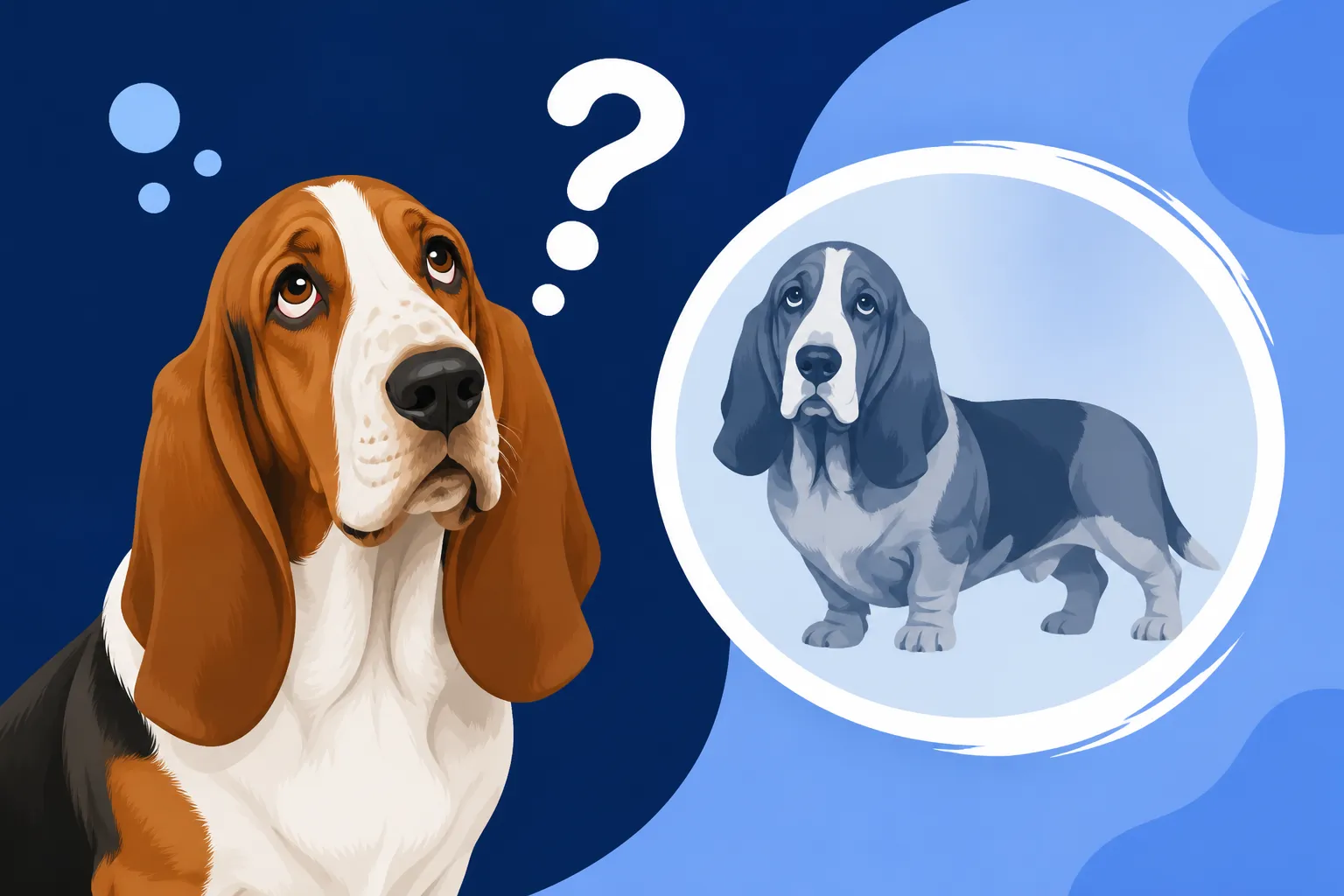
A Basset Hound can look blue-gray, but that color is unusual and can mean different things: a diluted black coat, a mottled pattern, or simply a coat that appears gray in certain light. The distinction matters when you’re checking breed descriptions, choosing a puppy, or wondering whether unusual coloring could come with skin concerns. Here’s how to tell the possibilities apart and what to ask next.
What people mean by a blue Basset Hound
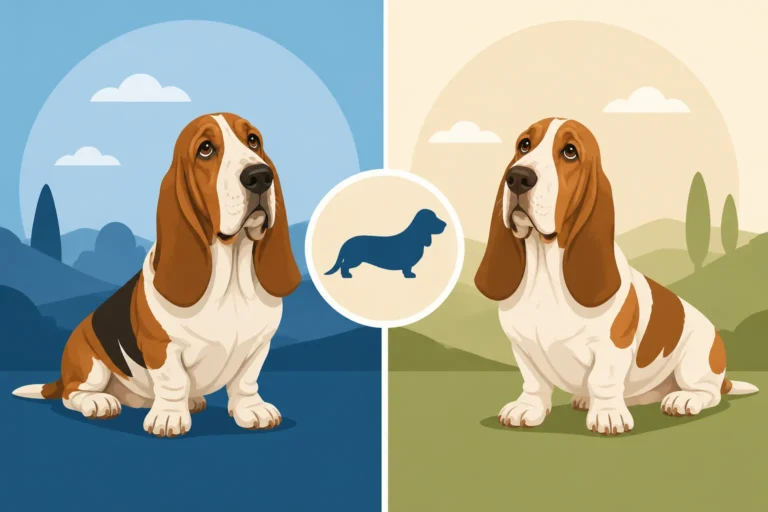
“Blue” is a coat-color term, not necessarily a description of bright blue fur. In dogs, it commonly refers to a slate-gray or charcoal appearance created when black pigment looks diluted. A Basset Hound described as blue may therefore appear gray, bluish-gray, or washed-out black, sometimes with lighter areas around the face or legs.
It’s also easy to mistake a patterned coat for a diluted one. Black-and-white hairs mixed together can make an area look gray from a distance, even when the dog’s underlying coat is not genetically “blue.” Lighting, age, and the way black and white patches are distributed can all affect what you see.
Diluted black and mottled coats are not the same
A diluted coat is generally a change in how dark pigment appears. A black area may look gray or slate rather than solid black. The dog may still have tan or white markings, depending on its other coat-color genes. The overall impression is often of a familiar dark pattern that has been softened or faded.
A mottled or roan-looking coat is different: it may have a mixture of dark and white hairs, creating a speckled or salt-and-pepper effect. From across a room, the result might look blue-gray. Up close, however, you can see individual light and dark hairs rather than a uniformly diluted patch.
Photos can make the distinction harder. Bright sun, indoor lighting, phone-camera settings, and image editing all influence color. If a breeder calls a puppy blue, ask for clear photographs taken in ordinary daylight and a description of whether the coat is solidly diluted or visibly mixed with white hairs.
Blue is not a standard Basset color description everywhere
Basset Hound color descriptions usually focus on familiar hound colors and patterns, such as combinations of black, tan, and white or red and white. Breed standards and registration rules can vary, so a color term that appears in an advertisement does not automatically tell you whether a dog meets a particular organization’s standard.
In everyday conversation, people may use “blue” loosely for any gray-looking coat. That does not necessarily mean the dog has a rare, recognized color, or that the seller has confirmed its genetics. If conformation showing or registration eligibility matters to you, check the relevant kennel club’s standard and ask the breeder what documentation applies. For broader background, see The Colors a Basset Hound Comes In and Whether a Basset Hound Can Be Any Color.
| What you notice | What it might mean | What to check |
|---|---|---|
| Black areas look evenly slate-gray | Possible pigment dilution | Ask how the breeder defines “blue” and whether any genetic testing was done |
| Dark areas contain many individual white hairs | Mottling or roan-like appearance | Look closely in daylight, not just at a distance |
| Coat looks gray only in certain photos | Lighting or camera effects | Request unedited, natural-light photographs |
| Puppy has unusual markings and no records | Color description may be informal | Ask about parentage, health records, and registration details |
How to check whether the coat is truly blue
A coat label is only a starting point. If you are considering a puppy or trying to understand your own dog’s coloring, focus on what can be observed and documented rather than relying on a marketing phrase. A responsible breeder should be comfortable explaining the dog’s appearance without promising that a particular color is rare, valuable, or healthier.
Look at the coat in natural light
Check the dog outdoors in indirect daylight or near a bright window. Avoid judging color under warm household bulbs, which can make black look brown or gray look darker. Look separately at the back, sides, ears, and face, since a coat may have several colors rather than one uniform shade.
Part the coat gently to see whether a gray-looking section is made up of individual pale and dark hairs. If the hairs themselves look gray from root to tip, that may support the description of a diluted area, but appearance alone cannot establish a dog’s genetic makeup. Puppies can also look different as their adult coat develops, so a single early photo may not tell the whole story.
If you are already caring for the dog, take consistent photos every few months in similar lighting. This can help you notice whether the coat is changing or whether the apparent difference was mostly caused by the season, camera, or room lighting. It is also useful to keep a written record of any skin changes, such as thinning hair, redness, or persistent itchiness.
Ask the breeder specific questions
Rather than asking only, “Is this puppy blue?”, ask what the breeder means by the term. Find out whether the dog’s coat is diluted, mottled, or simply gray-looking, and whether the description is based on a genetic test or visual judgment. Ask to see the puppy with its littermates and, where practical, photographs of both parents.
Health information matters more than an unusual color label. Ask about routine veterinary care, the health of the parents, and any known skin or coat problems in the family. A seller who focuses heavily on color while avoiding questions about health, temperament, and care deserves extra scrutiny. The article Whether Any Color Is a Fault on a Basset Hound can help you think about the difference between appearance and breed-standard considerations.
If you are looking at a rescue dog, you may not have access to parent information or genetic records, and that is normal. A veterinarian can assess the dog’s skin and coat and help identify whether a concern needs investigation. A DNA test may provide clues about inherited traits, but it should not replace a veterinary examination when the dog has symptoms.
Treat color claims as clues, not guarantees
Words such as “blue,” “rare,” or “special color” can be used inconsistently in listings. They don’t prove a dog’s ancestry, confirm a genetic explanation, or predict the dog’s future health. Be particularly cautious if unusual color is used to justify a higher price without clear, verifiable information about the puppy’s health and breeding.
If you’re comparing puppies, use the same questions for every breeder. Ask for health records, details about the parents, and a clear explanation of the coat. A careful breeder should welcome practical questions and should not pressure you to make a quick decision because a color is supposedly scarce.
Blue coats and possible skin concerns
Some color-dilution patterns in dogs are associated with a condition called color dilution alopecia. It can cause hair thinning or loss and may involve dry, flaky, or irritated skin. However, an unusual gray coat does not by itself mean a dog has this condition, and it would be misleading to assume that every blue-looking Basset Hound will develop skin trouble.
The right response is to watch the individual dog, not diagnose it by color. Basset Hounds can experience skin problems for many reasons, including irritation, infection, allergies, parasites, or other health conditions. Coat color may be one detail to mention to your veterinarian, but it does not identify the cause.
Know what changes deserve attention
Pay attention to persistent hair loss, broken hairs, scaling, redness, sores, or repeated scratching. Notice whether the change is limited to a few areas or spreading, and whether the skin seems sore or unusually oily. A dog that keeps rubbing its face or scratching its body may be uncomfortable even if the coat still looks full.
A small amount of seasonal shedding is different from patches of thinning hair or irritated skin. If symptoms persist, worsen, or appear alongside odor, discharge, or significant discomfort, arrange a veterinary examination. Bring photographs showing how the area has changed and note when the symptoms began, what grooming products you have used, and whether anything else changed in the dog’s routine.
Avoid trying to treat unexplained hair loss with human products or leftover medication. A veterinarian may need to examine the skin and decide whether testing is appropriate before recommending treatment. For related background, read Whether a Blue Basset Hound Has Skin Trouble, Whether a Basset Hound's Skin Is Oily, and Whether a Basset Hound Gets Allergies.
Keep grooming gentle and practical
A Basset Hound’s short coat still benefits from regular brushing and occasional bathing as needed. Choose grooming products made for dogs, and avoid frequent bathing with harsh or strongly scented products if the skin is already irritated. If you shop for basic supplies through Chewy or another retailer, use the product label to check that an item is intended for dogs; ask your veterinarian before using medicated shampoos or skin treatments.
After a bath, dry the coat and skin thoroughly, especially in areas where moisture can linger. If you notice a rash or hair loss, pause any newly introduced product and ask your veterinarian what to do next rather than testing several products in a row. Keeping a simple note of the shampoo, wipes, or other grooming items you use can make it easier to identify a possible irritant.
Chewy may be one place owners browse for ordinary grooming supplies, but a retailer listing cannot determine why a dog’s coat is changing. If your Basset Hound is itchy, losing hair, or developing sores, veterinary guidance should come before choosing a medicated product. More on common coat and skin questions is available in Whether a Basset Hound's Markings Change With Age and Whether a Basset Hound Can Be Solid Colored.
What to do if your Basset Hound looks blue
If the coat simply looks gray and the dog’s skin is healthy, there may be no immediate problem to solve. Clarify the description if you need accurate information for registration, breeding, or a purchase decision. If the dog has skin symptoms, focus on those symptoms and arrange an examination rather than trying to infer a diagnosis from color.
If you are choosing a puppy
Ask the breeder to explain the coat in plain language and show you the puppy in natural light. Request health records and ask about the parents’ health, not just their coloring. If you are uncertain whether the color is a true dilution or a visual effect, ask whether the breeder has reliable genetic information and what it actually confirms.
A puppy should not be chosen solely because its color is unusual. Temperament, responsible breeding, health, and whether the dog fits your household are much more useful considerations. A clear explanation from the breeder is reassuring; dramatic claims about rarity without supporting details are not.
If you already own the dog
Take a few well-lit photographs and note any changes in the coat or skin. If the hair remains full and the skin looks comfortable, mention the coloring at your next routine veterinary visit if you would like a professional opinion. If there is persistent itching, hair loss, scaling, or inflammation, book an appointment sooner and bring your notes and photographs.
For routine grooming purchases, you can compare dog-safe supplies at Chewy or elsewhere, but don’t let product descriptions substitute for an examination when symptoms are present. When a veterinarian recommends a specific type of product, follow their instructions and check the label carefully before use. The most useful question is not simply “Is my Basset Hound blue?” but “What exactly am I seeing, and is it affecting my dog’s skin or comfort?”
Disclaimer
This article is for general informational purposes only and does not constitute professional advice. Laws, prices and regulations vary by location and change over time. Consult a qualified professional for guidance on your specific situation.