Whether a Basset Hound Suits a First Time Owner
Many first-time dog owners dream of a calm, easy-going companion, and often, the Basset Hound’s famously laid-back appearance makes them seem like the perfect fit. However, this breed comes with a unique set of characteristics and needs that can be quite surprising to the unprepared. This comprehensive guide will delve into the true nature of Basset Hounds, helping you decide if you're truly ready for the joys and challenges of welcoming one into your life as a first-time owner.
Understanding the Basset Hound Temperament: Are They Truly Easy?
It’s easy to look at a Basset Hound, with their droopy eyes and ponderous gait, and assume they’re simply lazy, content to snooze their days away on the sofa. This common misconception often leads first-time owners to believe they're signing up for a low-maintenance companion. While Bassets certainly enjoy their naps, and can appear incredibly chill, beneath that calm exterior lies a dog with a powerful instinct and a distinctive personality that requires a thoughtful approach. Their energy levels might not match a Border Collie's, but their mental engagement and needs are far from negligible.
The Myth of the "Lazy" Basset Hound
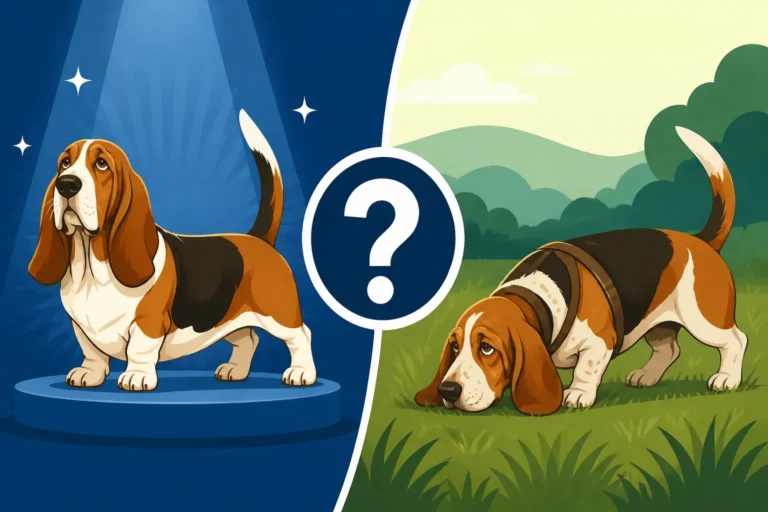
The image of a Basset Hound slowly shuffling along, nose to the ground, can be deceiving. Many people see this and think, "Ah, a couch potato! Perfect for my quiet home." In reality, while Basset Hounds are generally low-energy indoors compared to some high-drive breeds, their outdoor persona is completely different. They are scent hounds, bred for endurance and an unwavering focus on a trail. That "lazy" look is often their deep concentration on an invisible world of smells. Once they're out and about, especially if a captivating scent hits their incredible nose, they can become incredibly driven and surprisingly agile for their build. They might not run laps, but they can track for miles, entirely oblivious to your pleas. This powerful drive means that managing their outdoor time, especially off-leash, is an ongoing consideration for any owner, let alone a first-timer still learning the ropes of dog ownership. Whether a Basset Hound Should Ever Be Off Leash delves deeper into this particular challenge.
When they are indoors, a Basset Hound will definitely find the comfiest spot on the couch, or even in your bed, and will settle down for a good long snooze. They are masters of relaxation and can seem incredibly docile. But this doesn't mean they don't need mental stimulation or interaction. A bored Basset, even a seemingly lazy one, can find ways to entertain itself that aren't always to your liking, such as counter-surfing for snacks, finding interesting items to chew, or engaging in their characteristic vocalizations. Their placid appearance masks a clever mind that needs appropriate outlets for its intelligence and curiosity.
Independent Thinkers with Hearts of Gold
Basset Hounds are often labeled as "stubborn," and there's a grain of truth to it, but it's more accurately described as an independent nature driven by their ancient purpose. They were bred to follow a scent, often working independently of a human handler, making their own decisions based on the trail. This translates into a dog who thinks for itself, and if your command doesn't align with their current interest (like that fascinating smell on the breeze), they might simply choose to ignore you. It's not defiance for the sake of it, but rather a profound commitment to their olfactory mission. This can be frustrating for a first-time owner expecting instant obedience.
Despite this independent streak, Basset Hounds are incredibly affectionate and devoted to their families. They thrive on companionship and want to be involved in whatever you're doing. They're excellent cuddle buddies, known for their gentle disposition and their desire to be close to their people. They often form strong bonds and are known for their loyalty. This loving nature is a huge part of their charm and why so many people fall head over heels for the breed. They can be wonderfully tolerant and patient, especially with children, making them excellent family pets when properly supervised and socialized. Their gentle demeanor can often make up for their training quirks, endearing them to their human companions.
Patience and Consistency: Keys to Their Heart
For a first-time owner, approaching a Basset Hound's independent nature requires a different mindset than training a more biddable breed. You can't force a Basset; you have to motivate them. This means loads of positive reinforcement, delicious high-value treats (they are very food-motivated!), and making training a fun, rewarding game. Short, engaging sessions are far more effective than long, repetitive drills, which they'll quickly lose interest in. Consistency is absolutely crucial. If you let them get away with something once, they'll remember it and try it again.
Understanding that their "stubbornness" is rooted in instinct rather than malice helps build patience. Instead of getting frustrated, a first-time owner needs to learn to work with their Basset's natural inclinations. For example, knowing that their nose is paramount means accepting that off-leash recall is often a pipe dream in an unfenced area, and instead focusing on Whether a Basset Hound Should Wear a Tracker or using a long line for safe exploration. Building a strong, positive relationship based on trust and mutual respect will yield far better results than trying to dominate or punish them. They respond best to kindness, clear boundaries, and the promise of a tasty reward.
The Unique Grooming and Health Demands of a Basset Hound
Beyond their temperament, Basset Hounds come with specific physical traits that demand diligent care. Their long, pendulous ears, loose skin, and unique body structure contribute to their charm but also predispose them to certain health and grooming challenges. For a first-time owner, understanding these needs before bringing a Basset home is paramount, as they require significant time, attention, and potentially financial investment.
The Lifelong Commitment to Ear Care
Those magnificent, long ears are a Basset Hound's most iconic feature, but they are also a major point of concern for their health. Because their ears hang so low and are so heavy, they trap air, moisture, and debris, creating a warm, moist environment that is a perfect breeding ground for yeast and bacteria. This means that ear infections are incredibly common in the breed, so much so that many Basset owners consider them an almost inevitable part of ownership. The Ear Infections That Never Really Leave a Basset Hound highlights this persistent issue.
As a first-time owner, you must commit to a routine of regular, thorough ear cleaning, typically at least twice a week, and sometimes more if your Basset is prone to issues or loves to get wet. This isn't just a quick wipe; it involves using a veterinarian-approved ear cleaner and carefully flushing the ear canal, then gently massaging the base of the ear to help break up debris, and finally wiping out any excess. It's a ritual that needs to start when they are puppies so they become accustomed to it. Neglecting ear care can lead to chronic, painful infections that require expensive veterinary intervention, including medicated drops, oral antibiotics, and in severe cases, even surgery. What Chronic Ear Treatment Costs a Basset Hound Owner can be substantial. Owners often find themselves restocking ear cleaner and wipes from places like Chewy.
Navigating Their Wonderful Wrinkles and Drool
Basset Hounds are famous for their abundant, loose skin, which contributes to their endearing, sorrowful expression. However, these charming wrinkles, particularly around their face, neck, and jowls, can also harbor moisture and debris, leading to skin fold dermatitis or yeast infections if not kept clean and dry. Just like their ears, these folds need regular attention. After meals, walks in damp weather, or especially after a bath, these areas need to be thoroughly dried and, if necessary, gently wiped with a mild, dog-safe wipe.
Then there's the drool. Oh, the drool! Basset Hounds, with their loose jowls, are champions of drooling, especially after drinking water, eating, or when excited by a particularly tantalizing smell. They don't just drool downwards; they can shake their heads and send impressive strings of slobber across your kitchen walls, furniture, or even unsuspecting guests. For a first-time owner, this can be quite a shock. Keeping a "drool towel" handy becomes second nature. Their long ears also have a habit of dipping into their food and water bowls, necessitating special bowls or even a "snood" to keep them clean. Whether a Basset Hound Needs a Snood at Dinner is a real question many owners face. Embracing the drool is part of Basset ownership, and maintaining cleanliness of both the dog and your home becomes a daily task.
Preparing for Common Basset Health Challenges
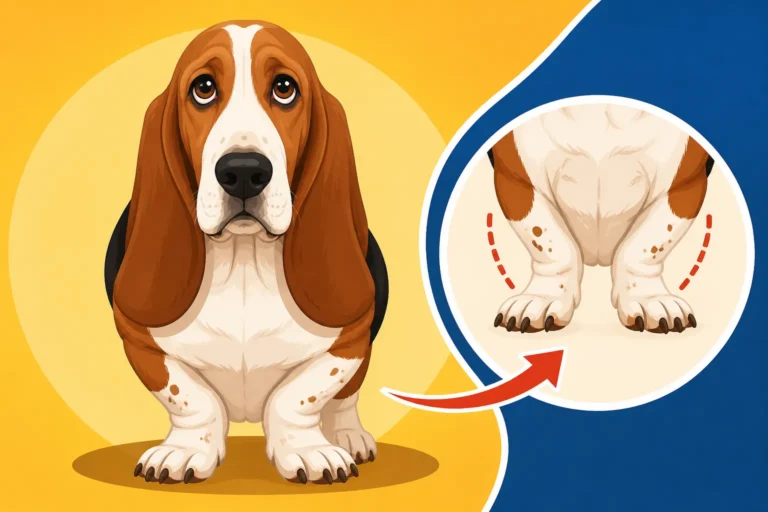
Basset Hounds, like many purebred dogs, are predisposed to certain health conditions due to their unique conformation. Understanding these potential issues is crucial for a first-time owner, as they can involve significant veterinary care and lifestyle adjustments. Their long backs and short legs make them prone to Intervertebral Disc Disease (IVDD), a spinal condition where the discs between the vertebrae bulge or rupture, causing pain, nerve damage, and potentially paralysis. This means limiting jumping, using ramps for furniture and cars, and being mindful of their back during play. The Back Trouble a Basset Hound Is Built Into is a serious consideration.
Eye conditions are also prevalent, including glaucoma (a painful condition causing pressure in the eye) and entropion/ectropion (eyelids rolling inward or outward). Regular eye checks are important, and knowing The First Signs of Glaucoma in a Basset Hound can be critical for early intervention. Elbow dysplasia, a genetic condition affecting the elbow joints, is another concern, often leading to arthritis. Given these predispositions, choosing a puppy from a reputable breeder who performs health testing on their breeding dogs is essential, though it doesn't guarantee a completely problem-free dog. For first-time owners, the financial and emotional commitment to managing these potential health issues is a significant aspect of Basset ownership. Investing in pet insurance or setting aside a dedicated emergency fund is highly recommended. You'll find yourself frequently visiting the vet, and online stores like Chewy become a regular source for specialized foods or joint supplements your vet might recommend.
Harnessing That Incredible Nose: Exercise and Training Realities
The Basset Hound’s defining characteristic, above all else, is their nose. It's not just a cute feature; it's a finely tuned instrument, and their entire being is centered around its use. This powerful instinct directly impacts their exercise requirements, training potential, and how a first-time owner needs to manage them in the world. It’s a joy to watch them work, but it also presents unique challenges that require a different approach to typical dog training.
The Irresistible Call of the Scent Trail
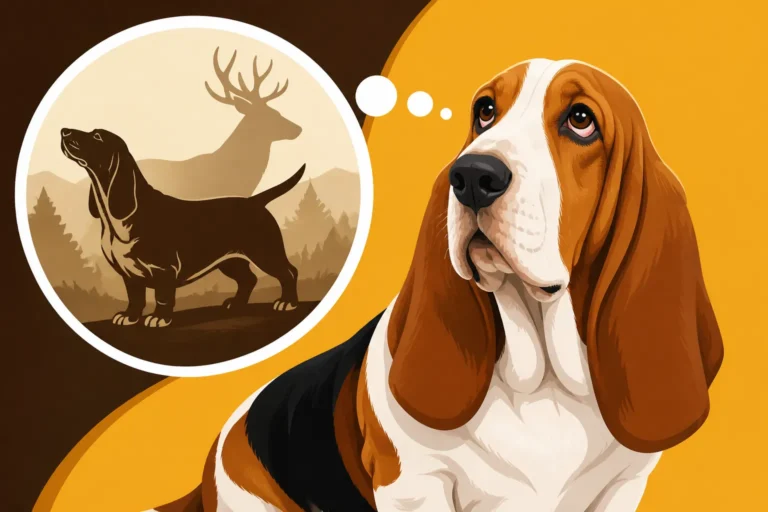
Imagine having a superpower so strong it could completely hijack your senses and make everything else fade away. That's a Basset Hound's nose. Their olfactory abilities are legendary, second only to the Bloodhound. When a Basset Hound catches an interesting scent, their world narrows down to that single, compelling trail. Everything else—your voice, the delicious treat in your hand, even the concept of danger—becomes secondary, if it registers at all. Why a Basset Hound Stops Hearing You When It Smells Something isn't a figure of speech; it's a literal truth.
For a first-time owner, this has profound implications, especially regarding recall. Teaching a Basset to reliably come when called when they're "on scent" is arguably one of the most challenging tasks you'll face. Many experienced Basset owners will tell you that a Basset Hound should never be trusted off-leash in an unfenced area. The risk of them following a compelling scent into traffic, getting lost, or encountering danger is simply too high. This isn't a flaw in their character; it's a testament to the power of their design. Therefore, secure fencing, long lines for safe exploration in open spaces, and perhaps even a GPS tracker are not optional accessories but essential safety measures. When you're browsing for these safety essentials, online retailers like Chewy offer a wide array of options, from extra-long training leashes to secure harnesses.
Motivation and Learning: Beyond Traditional Obedience
Training a Basset Hound successfully requires creativity, boundless patience, and a deep understanding of what truly motivates them. They are not typically eager to please in the same way a Labrador or a Golden Retriever might be. Their motivation often comes down to food. High-value treats are your best friend in training. Think cheese, cooked chicken, or specialized training treats from Chewy. Praise and affection are appreciated, but a yummy morsel often seals the deal.
Traditional, rigid obedience drills might not resonate with their independent spirit. Instead, focus on positive reinforcement, making learning a fun and rewarding experience. Short, frequent training sessions (5-10 minutes) are far more effective than long, drawn-out ones. Bassets can and do learn, but they might take a bit longer to grasp concepts, and they might choose not to perform a learned behavior if they don't see the immediate benefit or if something more interesting catches their nose. Building a strong foundation of basic manners – sit, stay, leash manners – is vital, but always remember you're working with a hound, not a robot. Whether a Basset Hound Is Stubborn or Just Not Interested really highlights this nuance. Embrace their unique learning style, and celebrate every small success.
Balancing Exercise with Their Unique Physique
Despite their incredible scenting endurance, Basset Hounds are not built for high-impact activities or long-distance running. Their short, heavy bones, long backs, and deep chests mean they need a different kind of exercise regimen. Over-exercising them, especially when young, can put undue stress on their developing joints and spine, potentially exacerbating issues like IVDD and elbow dysplasia. However, the myth that they need no exercise at all is equally dangerous, as What Extra Weight Does to a Basset Hound is truly detrimental to their health.
A Basset Hound needs regular, moderate exercise to stay healthy, maintain a healthy weight, and provide mental stimulation. Daily walks at a comfortable pace, allowing plenty of time for sniffing and exploring (on a leash, of course!), are ideal. They enjoy leisurely strolls in parks or around the neighborhood, where their nose can lead the way. Short play sessions in a securely fenced yard are also good. Activities like scent work or tracking games, which engage their powerful nose, are excellent for mental enrichment and can tire them out more effectively than purely physical exercise. Ramps for accessing furniture and cars are often necessary to protect their backs, preventing them from jumping. Whether a Basset Hound Should Use a Ramp is an important question for owners.
Integrating a Basset Hound into Your Home and Life
Bringing any dog into your home requires adjustments, but a Basset Hound's specific traits mean certain aspects of daily life will definitely get a "Basset spin." From their distinctive voice to their spatial needs and how they interact with the rest of the household, a first-time owner needs to be ready for these unique characteristics.
The Melodious (or Not So Melodious) Basset Bay
Ah, the Basset Hound's bay! It’s a sound that is utterly unique to the breed – a deep, resonant, mournful howl that can carry surprisingly far. They don't bark like many other dogs; they bay. This is their traditional form of communication, a way to alert their pack (you!) to interesting discoveries or to express loneliness, excitement, or boredom. While some owners find it charming, others find it, shall we say, challenging. For first-time owners, especially those in apartments or close-knit neighborhoods, it's a serious consideration. The Bay a Basset Hound Uses and the Neighbors Hear is not an exaggeration.
Basset Hounds can bay for a variety of reasons: when they're on a scent, when someone comes to the door, when they feel lonely or anxious, or simply when they hear another dog baying in the distance. While training can help manage excessive baying (teaching a "quiet" cue, for example), it's important to understand that baying is an intrinsic part of their breed identity. You can't train it out of them entirely, nor should you necessarily want to; it's part of who they are. Managing this involves understanding the triggers, providing sufficient mental and physical exercise, and ensuring they don't suffer from separation anxiety. If you live somewhere with strict noise ordinances, a Basset might not be the ideal choice for a first-time owner who might struggle with consistent training and management.
Space Requirements: Apartments, Yards, and Secure Fencing
Despite their relatively low stature, Basset Hounds are substantial dogs, often weighing as much as a medium-sized retriever. They might be "low," but they take up space! They are not typically hyperactive indoors, and can certainly live comfortably in an apartment, provided they get adequate daily exercise and mental stimulation. Their energy levels are quite manageable once their sniffing expeditions are over. However, their unique build means they need enough room to move around without constantly bumping into things or straining their backs.
More important than the size of your home is the security of your outdoor space. If you have a yard, it absolutely must be securely fenced. Basset Hounds are incredible escape artists, driven by their noses. They can squeeze through surprisingly small gaps, dig under fences, and are often oblivious to barriers once a scent takes hold. A fence that might deter other dogs might merely be a suggestion to a determined Basset. How High a Fence a Basset Hound Needs is a vital question, and it's not just about height but also about preventing digging underneath. For first-time owners, this means critically evaluating your living situation and being prepared to make necessary modifications to ensure your Basset's safety.
Family Dynamics: Children, Other Pets, and Alone Time
Basset Hounds generally have a wonderful temperament with children and other pets, often making them excellent family companions. They are known for their patience, gentleness, and tolerance, which can be a huge plus for families with respectful children. Their sturdy build means they're not easily knocked over, and their placid nature makes them good playmates for kids who understand how to interact with a dog. However, as with any dog, supervision is always key, especially with very young children, to ensure both dog and child are safe and respectful of each other's boundaries. A Basset Hound in a House With Children offers more insight into this relationship.
When it comes to other pets, Basset Hounds often get along well with other dogs, and can even coexist peacefully with cats if introduced properly. They are pack animals by nature and often enjoy the company of other canine companions. However, their strong prey drive, while usually focused on small game like rabbits, means that small, fast-moving rodents might be seen as fair game. For first-time owners, integrating a Basset into a multi-pet household generally goes smoothly, provided introductions are done calmly and patiently.
On the flip side, Basset Hounds are also dogs who thrive on companionship and can be prone to separation anxiety if left alone for excessively long periods without proper preparation. Their baying can be a symptom of loneliness or distress. They are not dogs that should be relegated to the backyard or left alone all day, every day. For a first-time owner, this means considering your schedule and ensuring you can provide the consistent presence and companionship a Basset Hound needs to thrive. How Long a Basset Hound Can Be Left Alone is a common concern.
The True Financial Picture of Basset Hound Ownership
Becoming a dog owner always comes with financial responsibilities, but with a Basset Hound, some expenses can be higher or more specialized than with other breeds. For a first-time owner, it’s vital to have a realistic understanding of these costs, both initial and ongoing, to ensure you can provide the best possible care for your furry friend. The charm of a Basset is undeniable, but their specific needs can impact your budget significantly.
Beyond the Puppy Price Tag: Initial Setup Costs
The initial price of a Basset Hound puppy from a reputable breeder is just the tip of the iceberg. What a Basset Hound Puppy Costs From a Real Breeder can be a significant upfront investment, but it pales in comparison to the total cost of ownership over their lifetime. As a first-time owner, you’ll also need to factor in a substantial list of initial setup expenses. This includes purchasing essential supplies such as a high-quality, appropriately sized crate (they're bigger than they look!), food and water bowls (perhaps elevated or specialized to keep those ears out!), a durable leash and a comfortable, secure harness (they are strong pullers), an orthopedic dog bed to protect their joints, and a variety of chew toys and puzzle feeders to keep their intelligent minds occupied.
Beyond supplies, the first few months involve several veterinary visits for vaccinations, deworming, and initial health checks. Spaying or neutering is another significant cost. Puppy training classes, though not always mandatory, are highly recommended for first-time owners to help with socialization and basic manners. These cumulative initial expenses can quickly add up, so it's important to budget for more than just the puppy itself. Chewy, for instance, is a great place to stock up on everything from crates to interactive toys and first aid supplies for your new Basset.
Ongoing Expenses: Food, Grooming, and Preventative Care
Once your Basset Hound is settled, the ongoing monthly and yearly expenses become the norm. Food is a primary cost, and a quality diet is essential for their health, especially considering their propensity for weight gain and joint issues. What Feeding a Basset Hound to the Right Weight Costs can vary based on the brand and type of food. Grooming supplies, like ear cleaner, wipes for their folds, a rubber curry brush for their shedding coat, and dog-specific shampoo, are recurring purchases. While professional grooming might not be as frequent as with a poodle, regular bathing and nail trims are necessary, and doing it yourself requires the right tools.
Preventative veterinary care is another crucial ongoing expense. This includes annual check-ups, vaccinations boosters, parasite prevention (flea, tick, and heartworm medications), and regular dental cleanings. As Bassets age, these veterinary needs often increase, and it's essential to stay on top of their health to catch potential issues early. First-time owners might underestimate how much these routine costs can accumulate, but they are non-negotiable for a healthy and happy Basset Hound. Many Basset owners also swear by specific joint supplements, which become a regular addition to their Chewy order.
The Unavoidable Cost of Breed-Specific Health Issues
This is perhaps the most critical financial consideration for a first-time Basset Hound owner. As discussed earlier, Bassets are prone to several expensive health conditions, including chronic ear infections, Intervertebral Disc Disease (IVDD), glaucoma, and elbow dysplasia. Treatment for these conditions can range from ongoing medication and specialized diets to extensive surgeries and physical therapy. What Back Surgery Costs a Basset Hound Owner or What Glaucoma Surgery Costs a Basset Hound Owner can run into thousands of dollars, representing a significant financial strain if you're not prepared.
Many experienced Basset owners strongly recommend investing in pet insurance from day one. While it's an additional monthly premium, it can be a lifesaver when an unexpected emergency or chronic condition arises. Understanding Whether an Insurer Excludes a Basset Hound's Ears or Whether Back Disease Is Excluded on a Basset Hound Policy is crucial when selecting a plan. Alternatively, setting aside a dedicated savings fund specifically for veterinary emergencies is a wise decision. For a first-time owner, the potential for high vet bills is a reality that must be faced, making financial preparedness a cornerstone of responsible Basset Hound ownership.
Are You Ready? Time, Dedication, and the First-Time Owner's Journey
Ultimately, deciding whether a Basset Hound suits a first-time owner comes down to a realistic assessment of your lifestyle, expectations, and willingness to commit to a dog that is wonderfully unique but also quite demanding in its own specific ways. It's about being prepared for the realities, not just the endearing image.
Daily Routines and the Basset's Need for Presence
Basset Hounds thrive on routine and companionship. While they might appear independent outdoors, indoors, they crave interaction and being part of the family. They are not solitary dogs. For a first-time owner, this means ensuring your daily schedule allows for consistent attention, training, and exercise. A morning walk for sniffing, an evening walk for sniffing, regular playtime, and plenty of cuddle time on the sofa are all part of a Basset's ideal day.
They need your presence and interaction to prevent boredom and potential destructive behaviors or excessive baying. This isn't just about physical activity; it's about mental enrichment too. Puzzle toys, scent games, and short training sessions throughout the day can keep their minds stimulated. If you work long hours away from home and don't have provisions for a dog walker or doggy daycare, a Basset Hound might struggle, potentially leading to anxiety or behavioral issues that are tough for even experienced owners to manage. A Basset is a companion animal through and through, wanting to be wherever you are, often right underfoot.
The Importance of Early Socialization and Exposure
For any puppy, and especially for a first-time owner, early and consistent socialization is paramount. This means safely exposing your Basset Hound puppy to a variety of sights, sounds, people, and other friendly, vaccinated dogs during their critical socialization period. This helps them grow into well-adjusted, confident adult dogs, less prone to fear or reactivity. Puppy classes are an excellent way to achieve this, offering controlled environments for learning and interaction.
Specifically for Bassets, teaching them to tolerate handling of their ears, paws, and mouth from a young age is incredibly important, given their extensive grooming and health needs. Regular positive experiences with these necessary tasks will make your life (and your Basset’s) much easier down the line. Getting a Basset Hound Used to Ear Handling as a Puppy is a non-negotiable step. A well-socialized Basset is more adaptable to vet visits, grooming sessions, and new situations, which significantly eases the burden for a first-time owner navigating the world of dog ownership.
Long-Term Commitment: A Decade or More of Love and Care
Bringing a Basset Hound into your life is a commitment that typically spans 10 to 12 years, sometimes more. The Ten to Twelve Years a Basset Hound Lives represents a significant portion of your life. During this time, you will be responsible for their health, happiness, training, and well-being. Their unique health challenges, particularly as they age, mean that the commitment often deepens over time. An older Basset might need more frequent vet visits, specialized diets, joint supplements, and assistance with mobility (like ramps or even a cart if they suffer from severe back issues). Caring for an Old Basset Hound That Cannot Rise can be emotionally and physically demanding.
For a first-time owner, this long-term view is crucial. Are you prepared for the potential for chronic conditions and the associated care? Are you ready to adapt your home and lifestyle as your Basset ages? Basset Hounds offer immense love, loyalty, and comedic relief, becoming cherished family members. But they are not a "starter dog" in the sense of being low-effort. They require a dedicated owner who is willing to learn, be patient, and invest time, effort, and resources into their specific needs. If you understand and embrace these realities, a Basset Hound can be an incredibly rewarding companion, even for a first-time owner who goes in with open eyes and a prepared heart.
Disclaimer
This article is for general informational purposes only and does not constitute professional advice. Laws, prices and regulations vary by location and change over time. Consult a qualified professional for guidance on your specific situation.