Whether a Basset Hound Gets Allergies
It can be incredibly frustrating to watch your beloved Basset Hound constantly scratching, licking their paws, or shaking their head, all while you wonder what on earth is causing their discomfort. Many Basset owners feel like they’re in a constant battle with itchy skin and recurring ear infections, often leading them to question if their floppy-eared companion is simply predisposed to allergies. This comprehensive guide will delve deep into the world of Basset Hounds and allergies, helping you understand why these wonderful dogs often suffer, how to spot the signs, and most importantly, how to help them find lasting relief.
Understanding Basset Hound Susceptibility to Allergies
Basset Hounds are truly special dogs with their long, droopy ears, sad eyes, and distinctive loose skin. While these traits contribute to their undeniable charm, they also, unfortunately, make them particularly susceptible to certain health issues, and allergies are high on that list. It's not just bad luck; there are very real anatomical and genetic reasons why your Basset might be more prone to developing allergic reactions than other breeds.
Why Basset Hounds Seem Prone to Allergies
The unique physical characteristics of a Basset Hound, while endearing, create an ideal environment for allergens to take hold and for irritations to flourish. Let's start with their skin. Basset Hounds are known for their abundant, loose skin, especially around their face, neck, and chest. These lovely folds, or plica, are fantastic for trapping scent when they’re on a trail, but in daily life, they become warm, moist havens for bacteria, yeast, and allergens. Imagine microscopic pollen grains or dust mites getting trapped deep within these folds, rubbing against sensitive skin, and initiating an allergic reaction. It's a constant battle, and it can feel like you're wiping, cleaning, and medicating those areas endlessly, only for the redness and irritation to return.
Then there are those magnificent, long, heavy ears. Their length and pendulous nature mean they cover the ear canal, significantly reducing airflow. This lack of ventilation creates a warm, humid, dark environment – a perfect breeding ground for yeast and bacteria, which can then be exacerbated by an underlying allergy. Owners often report that the ear infections just never seem to truly go away, and there's a good reason for that: if the root cause is an allergy, treating the infection without addressing the allergy is like patching a leaky boat without finding the hole. The cycle of infection, treatment, temporary relief, and recurrence is a frustrating reality for many Basset owners. You might even find yourself constantly cleaning them as part of your regular regimen, hoping to stave off the next flare-up.
Common Types of Allergies Affecting Basset Hounds
Just like us, dogs can suffer from different kinds of allergies. Pinpointing the type your Basset is battling is the first crucial step toward finding effective relief, and often, it’s not just one type but a combination.
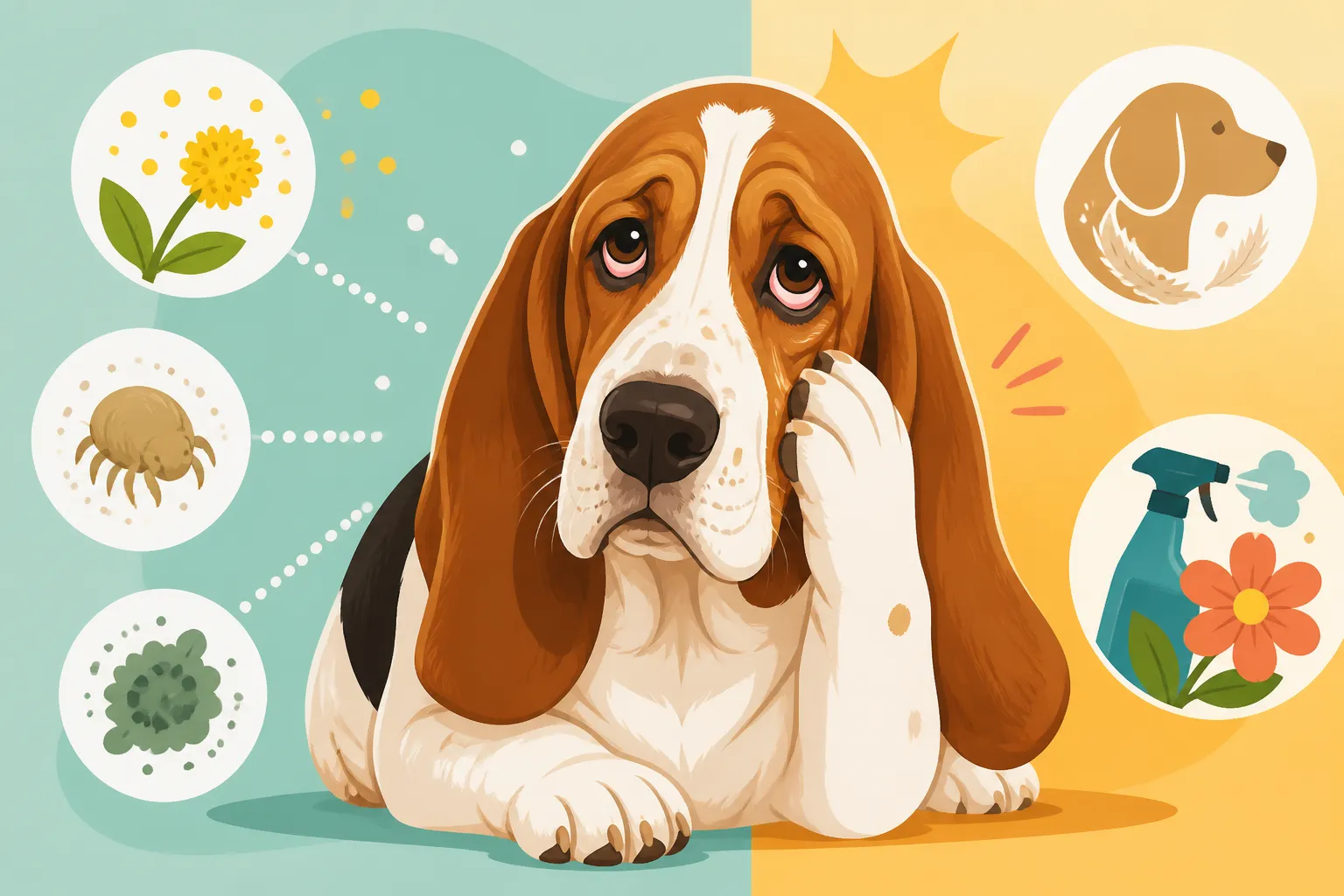
The most common culprit for Basset Hounds is environmental allergies, also known as atopy or atopic dermatitis. This is essentially hay fever for dogs, where their immune system overreacts to common environmental substances like pollen (from trees, grasses, weeds), dust mites, mold spores, and dander from other animals. These allergens are usually inhaled or absorbed through the skin, triggering widespread itching, inflammation, and discomfort. Because Bassets spend so much time with their noses to the ground, they’re particularly exposed to these allergens in their natural habitat. A typical scenario involves seasonal flare-ups, but for many Bassets, it's a year-round struggle, leaving you feeling helpless as you watch them scratch themselves raw, no matter the season.
Next, we have food allergies. Unlike food intolerances, which cause digestive upset, true food allergies involve an immune response to a specific protein in their diet. Common culprits include beef, chicken, dairy, wheat, soy, and lamb. While food allergies can cause skin issues (itching, rashes), they might also manifest as gastrointestinal problems like vomiting, diarrhea, or excessive gas. It’s tricky because the symptoms can often mimic those of environmental allergies, making diagnosis a real detective job. You might find yourself wondering if Whether a Basset Hound Reacts to Its Food every time they have a flare-up.
Finally, there's contact dermatitis. This occurs when your Basset’s skin comes into direct contact with an irritating substance. Think cleaning chemicals, certain types of bedding materials, carpet fibers, or even flea and tick medications. While less common than environmental or food allergies, it’s important to consider if the irritation is localized to a specific area that comes into regular contact with something new. For instance, if your Basset develops a rash only on their belly after lying on a freshly cleaned carpet, contact dermatitis might be the cause.
Recognizing the Signs and Symptoms of Allergies
One of the most challenging aspects of dealing with Basset Hound allergies is recognizing the signs, primarily because many of the symptoms can overlap with other conditions. However, paying close attention to your dog's behavior and physical changes can give you vital clues. It’s not just about a simple itch; the manifestation of allergies in a Basset can be a complex array of discomfort.
Skin-Related Symptoms and Their Locations
The skin is often the first and most obvious battleground for allergies in Basset Hounds. You might notice your Basset incessantly scratching, licking, or chewing at certain areas. This isn't just a quirky habit; it's a desperate attempt to relieve profound itchiness. The constant self-trauma can lead to a cascade of secondary problems that make the original allergy even worse.
Look for areas of redness, inflammation, and even hair loss. Bassets are particularly prone to these issues in their unique skin folds, such as those around their face (especially under the eyes and chin), neck, and even between their toes. These areas are warm, moist, and perfect breeding grounds for bacteria and yeast, leading to secondary infections that compound the itch. Owners often report a yeasty smell emanating from these folds, indicating that something more than just simple irritation is at play. These Skin Fold Infections on a Basset Hound are a hallmark of allergic Bassets.
Another common target for allergic reactions in Basset Hounds is their paws. They might lick or chew their paws excessively, sometimes to the point where the fur becomes stained reddish-brown from saliva, or the skin becomes raw and infected. The dampness between their paw pads, combined with allergens picked up from the ground, can create a perpetually itchy and painful situation. Similarly, the armpits and groin areas, being warm and moist, are also frequent sites for allergic rashes and itching. It’s heartbreaking to see your usually happy-go-lucky Basset constantly agitated by an itch they can’t escape.
Ear Infections and Other Non-Skin Symptoms
While skin issues are front and center, recurring ear infections are perhaps one of the most classic and frustrating signs of allergies in Basset Hounds. Their long, heavy ears already create an environment ripe for infection, but when an underlying allergy causes inflammation within the ear canal, it becomes a perfect storm. The ear canal swells, producing excessive wax and moisture, which then allows bacteria and yeast to multiply rapidly. This leads to symptoms such as intense itching, head shaking, pawing at the ears, and a foul odor coming from the ears. You might also notice redness, swelling, or a brownish-black discharge. If you've been battling The Ear Infections That Never Really Leave a Basset Hound, allergies are a highly probable cause. It's often a cyclical nightmare, where you treat the infection, it clears temporarily, only to return with a vengeance. Knowing The Signs a Basset Hound's Ear Has Gone Bad is critical for early intervention.
Beyond skin and ears, allergies, particularly food allergies, can sometimes manifest as gastrointestinal upset. This might include chronic diarrhea, vomiting, excessive gas, or even a rumbling stomach. These symptoms can be subtle or intermittent, making them easy to dismiss as a temporary tummy bug, but if they recur, especially alongside skin or ear issues, it’s worth considering an allergy. Additionally, some Bassets might exhibit eye irritation, such as redness or excessive tearing, though this is less common than the skin and ear symptoms.
Behavioral Changes as Allergy Indicators
Living with chronic itchiness and discomfort is no fun for anyone, and dogs are no exception. A Basset Hound suffering from allergies might exhibit noticeable changes in their behavior, which can be just as telling as the physical symptoms. It’s important to remember that these aren't just "bad behaviors"; they are often direct consequences of their underlying discomfort and frustration.
You might observe increased restlessness, especially at night, as they try to find relief from the incessant itching. They might pace, whine, or constantly reposition themselves, unable to truly relax. A normally mellow Basset might become irritable or even snap when touched in sensitive areas, simply because they are in pain or anticipating more discomfort. The constant scratching, licking, and chewing can also become obsessive, leading to self-mutilation and further skin damage. It can feel like your happy, laid-back companion has transformed into a stressed, uncomfortable version of themselves, and that's incredibly hard to witness.
Lethargy can also set in. Imagine feeling itchy and unwell all the time; it drains your energy. An allergic Basset might become less interested in walks, playtime, or even their usual enthusiastic greetings. They might sleep more, but it’s often a restless sleep punctuated by bouts of scratching. Validating these behavioral changes as signs of underlying pain and discomfort, rather than simply attributing them to stubbornness or laziness, is crucial for both your dog's well-being and your own understanding of their struggle.
Diagnosing and Differentiating Allergy Types
Once you suspect your Basset Hound might be dealing with allergies, the next crucial step is getting an accurate diagnosis. This isn't always straightforward, and it often requires patience and a close partnership with your veterinarian. Trying to tackle allergies on your own can lead to endless frustration and continued discomfort for your dog, which nobody wants.
The Importance of Veterinary Consultation
When your Basset is itching, licking, and shaking their head constantly, your first port of call should always be your veterinarian. Self-diagnosis and trying over-the-counter remedies without professional guidance can often mask symptoms, delay proper treatment, and lead to more severe secondary infections. Your vet will approach this systematically, first ruling out other common conditions that can mimic allergy symptoms.
For instance, parasites like fleas, mites (sarcoptic or demodectic mange), and even ticks can cause intense itching and skin irritation. Your vet will likely perform skin scrapings or inspect for fleas to rule these out. Bacterial or yeast infections, which are often secondary to allergies, also need to be identified and treated, as they significantly contribute to your dog's misery. Without clearing up these secondary issues, it’s almost impossible to accurately assess the underlying allergic component. A comprehensive physical exam and a thorough discussion of your Basset’s history – when the symptoms started, what aggravates them, any seasonal patterns, their diet, and environment – are all critical pieces of the puzzle. It’s a process of elimination, but a necessary one to ensure your Basset gets the right help. This is also where having good pet insurance, like a plan from Healthy Paws, can really make a difference, covering the costs of these initial diagnostic tests and consultations without adding financial strain to an already stressful situation.
Diagnostic Tools: Skin Tests and Elimination Diets
Once other causes have been ruled out, your vet will discuss specific allergy diagnostics. For environmental allergies (atopy), there are two main types of tests:
- Intradermal Skin Testing (IDST): This is considered the gold standard. A veterinary dermatologist will shave a small patch of your Basset’s side and inject tiny amounts of common allergens just under the skin. They then observe the reactions, looking for localized redness and swelling, similar to an allergy test for humans. This test is very accurate but typically requires sedation and is usually performed by a specialist.
- Serum Allergy Testing (Blood Test): This involves taking a blood sample to measure allergen-specific antibodies (IgE) in the bloodstream. While less invasive than IDST, its accuracy can vary, and results need to be interpreted carefully by your vet.
These tests help identify the specific environmental allergens your Basset is reacting to, which is vital for formulating an effective treatment plan, such as immunotherapy.
For food allergies, the diagnostic process is different and often more challenging: an elimination diet. This involves feeding your Basset a novel protein diet (one they have never eaten before, like venison or duck) or a hydrolyzed protein diet (where proteins are broken down so the immune system doesn't recognize them as allergens) for a strict period, usually 8-12 weeks. During this time, absolutely no other foods, treats, or flavored medications can be given. It's a tough commitment, but it's the most reliable way to diagnose a food allergy. If symptoms improve dramatically on the diet, then food challenges (reintroducing old foods one by one) can be done to pinpoint the exact culprit. This entire diagnostic journey can be costly, and this is where comprehensive pet insurance like Healthy Paws can truly alleviate the burden, ensuring you can pursue the best diagnostic options without hesitation.
Managing and Treating Basset Hound Allergies
Once your Basset Hound's specific allergies have been identified, the good news is that there are many effective strategies to manage their condition and significantly improve their quality of life. It’s rarely a one-size-fits-all solution, and it often involves a multi-modal approach combining different treatments and lifestyle adjustments.
Environmental Allergy Management
If environmental allergies (atopy) are the culprit, the goal is to reduce their immune system's overreaction to allergens and alleviate symptoms.
- Immunotherapy (Allergy Shots/Drops): This is often considered the best long-term solution for atopy. Based on the results of allergy testing, a custom serum is formulated containing tiny amounts of the specific allergens your Basset reacts to. This is then administered as injections (allergy shots) or drops under the tongue (sublingual immunotherapy) over months and years. The idea is to desensitize their immune system, teaching it not to overreact. It's not a quick fix, and it can take 6-12 months to see significant improvement, but it has a high success rate and aims to address the root cause, reducing the need for other medications.
- Medications for Symptomatic Relief:
- Antihistamines: Over-the-counter options like diphenhydramine (Benadryl) or cetirizine (Zyrtec) can help some dogs with mild itching, but they are often not strong enough for severe Basset allergies. Always check with your vet for proper dosage.
- Corticosteroids: Drugs like prednisone are highly effective at reducing inflammation and itching, providing quick relief. However, they come with potential side effects (increased thirst/urination, appetite changes, long-term health risks) and are typically reserved for short-term flare-ups or when other treatments aren't sufficient.
- Apoquel (Oclacitinib): This medication specifically targets the itch pathway in dogs, offering fast and effective relief without many of the side effects associated with steroids. It's a popular choice for chronic allergic itching.
- Cytopoint (Lokivetmab): This is an injectable antibody therapy that works by neutralizing a specific protein involved in canine itching. It offers monthly relief from itching and has very few side effects, making it an excellent option for many Bassets.
Beyond medication, practical steps at home can make a huge difference. Regularly bathing your Basset with a hypoallergenic or medicated shampoo can help wash away allergens from their coat. You might find that How Often a Basset Hound Should Be Bathed becomes a crucial part of your routine. Wiping their paws and belly after outdoor excursions can also reduce allergen exposure. Consider air purifiers in your home and frequent vacuuming with a HEPA filter to minimize indoor allergens like dust mites.
Food Allergy Strategies
If an elimination diet confirms a food allergy, the treatment is relatively straightforward: strict dietary management. This means avoiding the identified allergen(s) for life.
- Novel Protein Diets: Choose a commercial dog food that contains a protein source your Basset has never encountered before (e.g., kangaroo, alligator, rabbit) and a single carbohydrate source (e.g., sweet potato).
- Hydrolyzed Protein Diets: These prescription diets contain proteins that have been broken down into such small components that the immune system doesn't recognize them as allergens. Brands like Royal Canin Hypoallergenic or Purina Pro Plan HA are common examples.
- Homemade Diets: While possible, homemade elimination diets must be carefully formulated by a veterinary nutritionist to ensure they are nutritionally complete and balanced, as deficiencies can cause other health problems.
- Strict Adherence: This is the most critical part. No cheating! This means no table scraps, no random treats, and being careful about what your Basset scavenges during walks. Even tiny amounts of the allergen can trigger a reaction. If your Basset is prone to raiding the trash or stealing food, you'll need to be extra vigilant.
Finding the right food might take some trial and error, but once you do, sticking to it religiously is key. This approach, while sometimes limiting, offers immense relief for Bassets with true food allergies.
Symptomatic Relief and Secondary Infection Treatment
Regardless of the allergy type, managing the immediate symptoms and treating any secondary infections are paramount to your Basset’s comfort.
- Treating Secondary Infections: The constant scratching and inflammation caused by allergies often break down the skin barrier, allowing bacteria (leading to pyoderma) and yeast (often Malassezia, causing a yeasty smell and greasy skin) to take hold. These infections must be treated with appropriate antibiotics or antifungals, either systemic (oral medication) or topical (medicated shampoos, ointments, sprays). Addressing Whether a Basset Hound Gets Yeast Between Its Folds is often a major component of allergy management. For ear infections, this means regular cleaning with a vet-approved ear cleaner like Which Ear Cleaner Suits a Basset Hound, along with prescribed ear drops.
- Soothing Irritated Skin: Medicated shampoos can not only treat infections but also soothe irritated skin and remove allergens. Topical sprays, wipes, and mousses containing ingredients like hydrocortisone or pramoxine can provide localized relief for hot spots or itchy patches.
- Environmental Control: Beyond bathing, consider things like protective booties for walks on allergenic surfaces, using hypoallergenic bedding, and regularly washing your Basset’s bed in hot water to kill dust mites.
Dealing with chronic allergies in a Basset Hound can lead to a significant number of vet visits, tests, and prescriptions. Pet insurance plans like those offered by Healthy Paws can be an absolute lifesaver, helping to cover the costs of these ongoing treatments, from diagnostic tests to specialized medications and regular vet check-ups. This support allows you to focus on your Basset's health without the added financial stress. You might find that once you get a handle on the allergies, you might still need Whether a Basset Hound Needs Lifelong Ear Medication to keep those floppy ears healthy.
Long-Term Care and Prevention
Managing Basset Hound allergies is often a marathon, not a sprint. It requires dedication, consistency, and a proactive approach to their daily care. While a "cure" for allergies is rare, effective long-term strategies can dramatically reduce flare-ups, minimize discomfort, and help your Basset live a happy, itch-free life.
The Role of Consistent Grooming and Hygiene
For a breed like the Basset Hound, whose physical traits contribute to their allergic tendencies, consistent and meticulous grooming is not just about looking good – it's a vital component of allergy management.
Those magnificent, long, droopy ears are perhaps the most high-maintenance part of a Basset Hound, especially when allergies are present. They trap moisture, dirt, and allergens, creating a perfect incubator for yeast and bacterial infections that go hand-in-hand with allergic inflammation. Establishing The Twice Weekly Ear Ritual a Basset Hound Owner Signs Up For is non-negotiable. This involves using a vet-approved ear cleaner to flush out debris and keep the ear canal dry. It's a preventative measure that, when combined with allergy treatment, significantly reduces the frequency and severity of ear infections. Skipping ear cleaning, even for a week, can quickly lead to a full-blown infection in an allergic Basset.
Similarly, those adorable facial folds, dewlaps, and neck wrinkles can also become hotbeds for irritation and infection. Just like the ears, these areas are warm, moist, and can trap allergens. Regular cleaning of these folds with a gentle, non-irritating wipe or cleanser is essential. Cleaning the Folds a Basset Hound's Face Is Made Of helps remove trapped allergens, dirt, and excess moisture, preventing the development of bacterial or yeast dermatitis. Keeping these areas clean and dry is key to preventing skin fold infections, which are often exacerbated by underlying allergies. Think of it as creating a less hospitable environment for those pesky irritants.
Don't forget the paws! Bassets spend a lot of time sniffing and walking, which means their paw pads and between-toe spaces pick up countless environmental allergens. Wiping their paws thoroughly after every walk, especially during peak allergy seasons, can significantly reduce the amount of pollen and irritants tracked into your home and absorbed through their skin.
Supporting Skin Barrier Health and Overall Well-being
Beyond managing external symptoms and allergens, supporting your Basset Hound's internal health can enhance their resilience against allergies. A healthy skin barrier is your dog's first line of defense against environmental allergens, and several nutritional and lifestyle factors contribute to its strength.
- Omega-3 Fatty Acids: Supplements containing high levels of omega-3 fatty acids, such as fish oil, are incredibly beneficial. They help reduce systemic inflammation, improve skin barrier function, and promote a healthy coat. Many vets recommend them for dogs with allergic skin disease, as they work from the inside out to support skin health.
- Probiotics: A healthy gut microbiome plays a significant role in overall immune function. Incorporating a good quality canine-specific probiotic can help support a balanced immune system, which in turn can sometimes lessen the severity of allergic reactions.
- Balanced Diet: Feeding a high-quality, balanced diet provides all the essential nutrients your Basset needs for healthy skin and a robust immune system. If your Basset has diagnosed food allergies, strict adherence to their prescribed novel or hydrolyzed protein diet is absolutely paramount, as discussed earlier. Even for environmental allergies, a nutrient-rich diet contributes to overall health.
- Maintaining a Healthy Weight: It might seem unrelated, but keeping your Basset Hound at a healthy weight is crucial for their overall health, including their skin. What Extra Weight Does to a Basset Hound can exacerbate skin fold issues, increase inflammation throughout the body, and make it harder for them to move comfortably, potentially worsening existing discomfort. Overweight Bassets often have deeper, more numerous skin folds, making them even more prone to infections and trapped allergens.
- Regular, Moderate Exercise: While you might think an allergic Basset needs less activity, appropriate, regular exercise boosts their immune system, helps manage weight, and reduces stress, all of which indirectly support their ability to cope with allergies. Just be mindful of allergen exposure during walks and clean them up afterward.
Remember, pet insurance can be a fantastic partner in long-term allergy management. Providers like Healthy Paws can assist with the costs of ongoing medications, special veterinary diets if prescribed, regular check-ups to monitor their condition, and even supplementary therapies recommended by your vet. This consistent support allows you to provide the best possible long-term care for your allergic Basset, giving them the comfortable, happy life they deserve.
Allergy Type, Common Symptoms, and Management Strategies
Here’s a quick overview to help you differentiate and approach your Basset Hound's allergies:
| Allergy Type | Common Symptoms | Key Management Strategies |
|---|---|---|
| Environmental (Atopy) | Intense itching (paws, face, ears, armpits, groin), recurring ear infections, skin redness, hot spots, hair loss, skin fold infections. Often seasonal but can be year-round. | Identify allergens (skin/blood tests). Immunotherapy (shots/drops). Medications (antihistamines, Apoquel, Cytopoint, steroids for flares). Reduce exposure (wiping paws, bathing, air filters). |
| Food Allergy | Itching (often widespread, but can be localized), recurring ear infections, skin rashes, vomiting, diarrhea, gas, anal gland issues. Often non-seasonal. | Strict elimination diet (novel or hydrolyzed protein) for 8-12 weeks to diagnose. Once identified, lifelong avoidance of culprit ingredient(s). Read labels carefully for all food, treats, and supplements. |
| Contact Dermatitis | Localized skin redness, itching, rash, blistering where skin comes into direct contact with irritant (e.g., belly, paws). | Identify and remove the irritant (e.g., new cleaning products, certain plants, flea collars, bedding). Bathe affected area gently. Topical soothing creams or oral medications may be prescribed for severe cases. |
Disclaimer
This information is intended for educational purposes only and is not a substitute for professional veterinary advice. If your Basset Hound is exhibiting signs of allergies or any other health concerns, please consult with your veterinarian for an accurate diagnosis and appropriate treatment plan. Do not attempt to self-diagnose or treat your pet's conditions without veterinary guidance.