Whether Long Ears Are Why a Basset Hound’s Ears Infect
Ah, the Basset Hound ear. It's often the first thing people notice, those magnificent, impossibly long velvet curtains that frame their soulful eyes. And if you're a Basset owner, you've likely spent countless hours admiring them, but also, let's be honest, worrying about them. A pervasive frustration among Basset parents is the seemingly endless battle against ear infections, and the natural question that follows is, "Are these long, droopy ears themselves the reason my Basset is constantly battling an infection?" This guide is here to unravel that mystery, delve into the intricate anatomy of a Basset's ear, and explore all the factors that contribute to their notorious ear troubles, offering realistic advice for prevention and management.
The Unique Anatomy of a Basset Hound's Ears
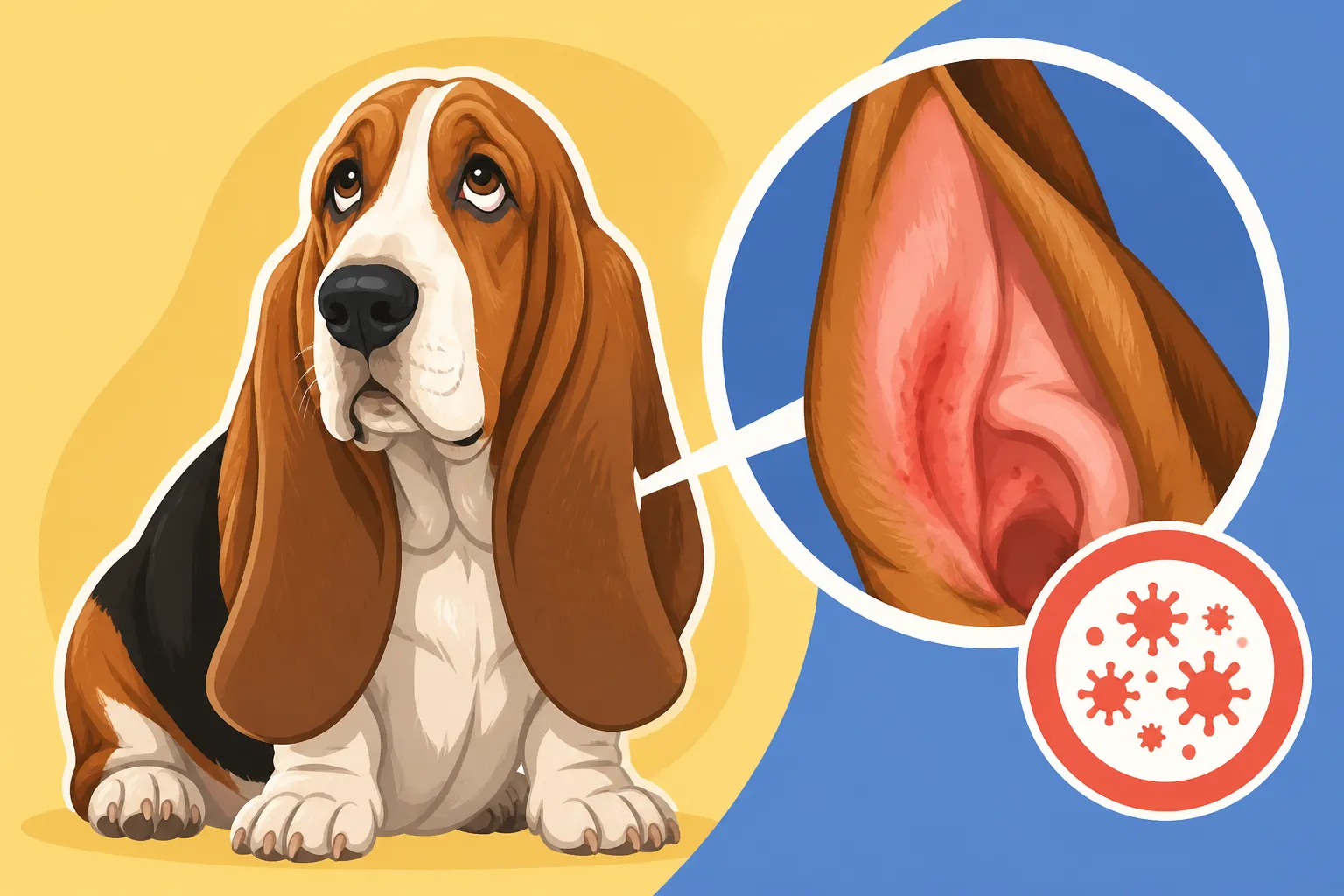
When you look at a Basset Hound, those long, low-set ears are undeniably their signature feature. They hang down far below their chin, often dragging on the ground as they follow a scent. It's easy to assume this epic length is the sole culprit behind their frequent ear infections, but the truth is, while the external ear flap (the pinna) certainly plays a role, it's the internal structure of the ear canal that really sets the stage for trouble.
The Role of the Pinna: More Than Just a Pretty Flop
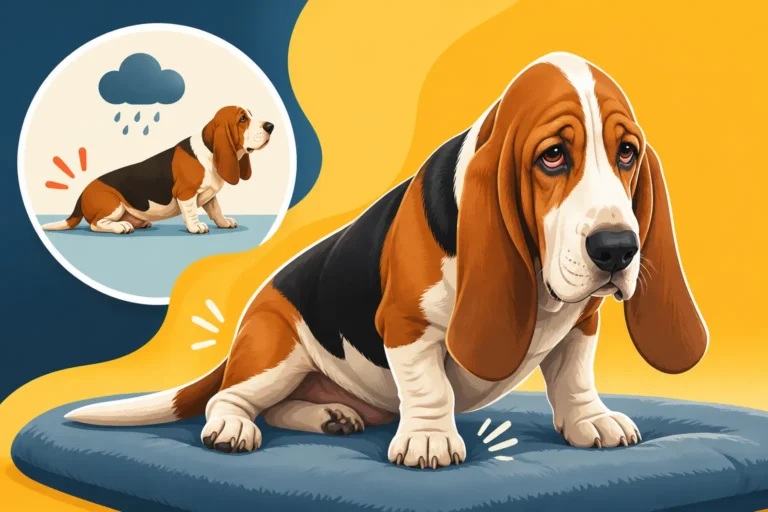
The sheer length and weight of a Basset Hound's ear flaps are, without a doubt, a contributing factor to ear health challenges. These substantial ears, which can sometimes measure up to a foot long, hang so low that they effectively seal off the ear canal from open air. Think of it like a warm, moist blanket draped over a delicate opening. This creates an environment where air circulation is significantly reduced, which is precisely the kind of damp, stagnant atmosphere that yeast and bacteria adore. It's not just about trapping moisture from baths or puddles; it's about restricting the natural drying process that a more open-eared breed would experience.
Imagine your Basset, nose to the ground, trailing an irresistible scent. Those ears aren't just for show; they actually help sweep scents towards their powerful nose, enhancing their tracking abilities. But while they're doing their ancestral job, they're also busy sealing off the ear canal even more tightly, trapping in any foreign particles, dust, or moisture they might pick up along the way. This isn't a design flaw, exactly, but a characteristic that requires diligent care. We often hear owners lamenting, "If only their ears weren't so long!" and while it's a valid thought, it's just one piece of a larger, more complex puzzle.
The Hidden Depths: Basset Hound Ear Canals
Beyond the visible, floppy exterior, lies the true challenge: the Basset Hound's ear canal itself. Unlike humans, whose ear canals are relatively short and straight, a dog's ear canal is L-shaped, or more accurately, a deep "J" shape. In Basset Hounds, this canal is exceptionally long, narrow, and often more convoluted than in many other breeds. This anatomical structure creates a series of twists and turns, making it incredibly difficult for debris, wax, and moisture to naturally escape. It’s like a winding, one-way street where everything gets stuck at the bends.
This deep, narrow canal, coupled with the lack of airflow provided by their heavy ear flaps, becomes a perfect incubator. The warm, dark, and perpetually moist environment inside a Basset's ear is essentially a five-star resort for unwelcome guests like bacteria and yeast. Furthermore, some Basset Hounds also have a significant amount of hair growing inside their ear canals. While not as universally prevalent as in some other breeds (like Poodles), this hair can further trap wax and debris, exacerbating the problem. Understanding whether a Basset Hound's ear canal never dries is crucial for appreciating the uphill battle owners face in keeping these ears healthy. It’s not just the external length, but the internal labyrinth that makes Basset Hound ears so prone to chronic issues.
Beyond the Flop: Other Factors Fueling Ear Infections
While the Basset Hound's unique ear anatomy is undoubtedly a primary factor, it's rarely the only one. Several other environmental, physiological, and genetic elements can conspire to turn those adorable floppy ears into a breeding ground for persistent infections. Overlooking these additional contributors means you'll always be playing catch-up, treating symptoms without addressing the root cause.
Moisture and Humidity: The Perfect Breeding Ground
Moisture is arguably the arch-nemesis of a Basset Hound's ears. Because their long ear flaps seal off the canal, any moisture that gets in struggles to evaporate. This isn't just about swimming or bath time, though those are certainly prime culprits. A walk on a dewy morning, playing in tall, wet grass, or even high humidity during summer can introduce enough moisture to become problematic. That damp, warm environment is exactly what pathogenic bacteria and yeast need to proliferate. Owners often tell me they’re meticulous about drying their Basset after a bath, only to find an infection brewing days later, perplexed. It’s because even ambient moisture can create an issue.
It’s a frustrating cycle: a bit of moisture gets trapped, the warmth of their body temperature combined with the lack of airflow creates ideal conditions, and suddenly, you’re noticing that tell-tale odor or head-shaking. This is why some owners invest in snoods (fabric tubes that hold the ears up) during meal times or while outdoors in damp conditions. Anything that keeps those ears aired out or prevents excess moisture from getting in can make a significant difference. Without proper air circulation, the natural defenses of the ear simply can't keep up, leading to a breakdown that allows opportunistic organisms to take hold.
Allergies and Underlying Health Conditions
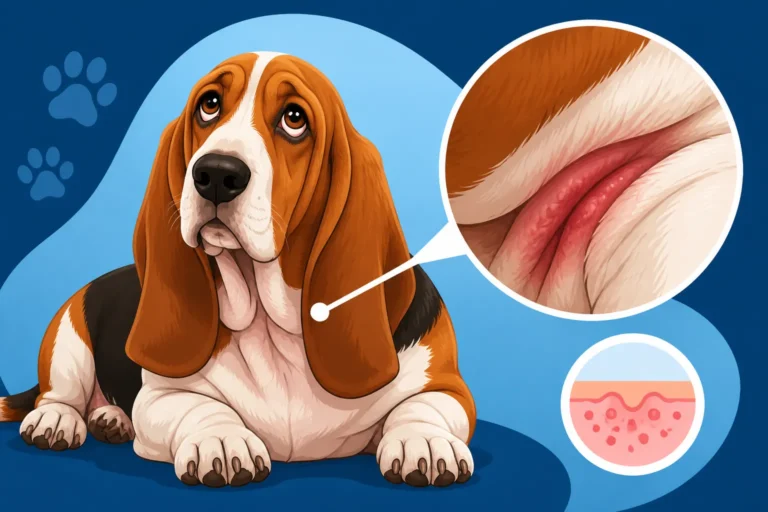
Perhaps one of the most under-recognized, yet significant, contributors to chronic ear infections in Basset Hounds is allergies. Just like humans, dogs can suffer from environmental allergies (atopy) to things like pollen, dust mites, or mold, and also from food allergies. When a Basset Hound has an allergic reaction, one of the most common ways it manifests is through skin inflammation and itching – and guess what? The lining of the ear canal is essentially specialized skin. So, an allergic reaction can cause the skin lining the ear canal to become inflamed, itchy, and irritated, creating a perfect pathway for secondary bacterial or yeast infections.
Owners might treat an ear infection with drops, only for it to return weeks later. This isn't necessarily a failure of the medication, but rather an indication that the underlying allergic inflammation wasn't addressed. It's a bit like trying to put out a fire in a building where the electricity is faulty; you need to fix the wiring first. Conditions like Whether a Basset Hound Gets Allergies can lead to a vicious cycle of inflammation, infection, and discomfort. Other underlying health issues, such as hypothyroidism, can also weaken the immune system and impact skin health, making a Basset more susceptible to recurrent ear problems. That's why your vet might suggest blood tests or dietary trials if ear infections become a persistent nightmare.
The Usual Suspects: Yeast and Bacteria
The immediate culprits in most ear infections are either yeast, bacteria, or a combination of both. These microorganisms are naturally present in a dog's ear in small, healthy numbers. The problem arises when the ear's delicate ecosystem is disrupted, allowing these organisms to overgrow. As we've discussed, the Basset Hound's anatomy, combined with moisture and inflammation from allergies, creates the ideal environment for this overgrowth.
- Yeast (Malassezia): A very common offender. You'll often notice a yeasty smell, sometimes described as sweet or like old bread, and a brownish, waxy discharge. Yeast thrives in warm, moist, dark conditions, so a Basset's ear is a prime location. They often cause intense itching.
- Bacteria: Bacterial infections can be caused by various strains, often Staphylococci or Pseudomonas. These can lead to more severe inflammation, pain, red, swollen canals, and a foul, often purulent discharge. Bacterial infections can be particularly stubborn and may require specific antibiotics based on a culture and sensitivity test.
When an ear infection takes hold, it’s not just annoying; it can be incredibly painful for your Basset. They might shake their head constantly, scratch at their ears, or even hold their head tilted. The discharge can range from dark and waxy to yellowish and pus-like, and the odor can be quite pungent. Understanding Whether Yeast or Bacteria Is in a Basset Hound's Ear is crucial, as treatment protocols differ significantly. Without proper diagnosis and treatment, these infections can become chronic, leading to scarring, narrowing of the ear canal, and even deafness over time.
Proactive Care: Keeping Those Long Ears Healthy
Knowing all the factors that contribute to ear infections in Basset Hounds can feel overwhelming, but it also empowers you to take proactive steps. While you can't change their adorable ear length or the winding path of their ear canals, you can manage the environment and minimize the risks. Prevention truly is the best medicine when it comes to Basset ears.
The Twice-Weekly Ear Cleaning Ritual
For many Basset Hound owners, ear cleaning isn't just an occasional chore; it's a non-negotiable ritual. Regular cleaning helps remove wax, debris, and any trapped moisture, preventing the buildup that leads to infection. The frequency will depend on your individual Basset and their propensity for infections, but for many, a The Twice Weekly Ear Ritual a Basset Hound Owner Signs Up For is essential.
Here’s a practical approach to How to Clean a Basset Hound's Ears Properly:
- Gather Your Supplies: You’ll need a veterinarian-approved ear cleaner (ask your vet for recommendations; some are drying, some are moisturizing, some target specific issues), cotton balls or gauze pads (avoid cotton swabs, which can push debris deeper), and plenty of treats for positive reinforcement. Consider a special ear cleaning solution formulated for Basset Hounds.
- Position Your Basset: Find a comfortable spot where your Basset can't easily shake their head, like in your lap or gently cradled between your legs. A second person can be helpful for holding or distracting.
- Apply Cleaner: Gently lift the ear flap and squirt a generous amount of ear cleaner directly into the ear canal. Don't be shy; you need to fill it sufficiently.
- Massage the Base: Gently massage the base of the ear for 30-60 seconds. You should hear a squishing sound as the cleaner loosens wax and debris. This part is crucial for getting the solution down into that L-shaped canal.
- Allow Them to Shake: Stand back and let your Basset shake their head vigorously. This helps bring a lot of the dissolved gunk to the surface.
- Wipe Clean: Use cotton balls or gauze to wipe out the visible parts of the ear canal and the underside of the ear flap. Don't go deep into the canal with anything. Just gently wipe away what comes up.
- Reward: Always end with praise and treats! Making it a positive experience will make future cleanings much easier.
Remember, consistency is key. If you skip cleanings, you're essentially allowing the perfect storm to gather in their ears.
Dietary Management and Allergy Control
Addressing underlying allergies can significantly reduce the frequency and severity of ear infections. This often requires a partnership with your veterinarian, who might suggest a food trial or allergy testing.
- Food Trials: If food allergies are suspected, your vet might recommend a strict elimination diet using a novel protein source or a hydrolyzed protein diet. This means feeding a specialized food for 8-12 weeks, with no other treats or foods, to see if ear symptoms improve. Brands like Royal Canin or Hill's often have prescription diets for this purpose. It's a commitment, but it can be incredibly effective.
- Allergy Testing: For environmental allergies, your vet might recommend either blood tests or intradermal skin testing (done by a veterinary dermatologist). Once specific allergens are identified, strategies can include allergen-specific immunotherapy (allergy shots or drops), oral medications (like Apoquel or Cytopoint) to control itching and inflammation, or simply avoiding identified allergens where possible.
- Supplements: Some owners find certain supplements beneficial, such as omega-3 fatty acids, which can help reduce overall inflammation and promote skin health. Always discuss any supplements with your vet first to ensure they are appropriate and won't interact with other medications.
Managing allergies is a long-term strategy, not a quick fix, but it's often the missing piece of the puzzle for Bassets with chronic, recurrent ear infections. Investing in a good pet insurance plan from providers like Healthy Paws, which covers chronic conditions like allergies (once your waiting period is met and it's not pre-existing), can be a huge relief for these ongoing costs.
Environmental Management and Protection
Beyond internal care, managing your Basset's environment can also play a huge role in preventing ear infections.
- Drying After Moisture Exposure: This cannot be stressed enough. After baths, swimming, or even walks in the rain or dewy grass, thoroughly dry your Basset’s ears. Lift the ear flap, gently wipe the entrance to the canal with a soft cloth or cotton ball, and use an ear-drying solution specifically designed to evaporate moisture. Some owners even use a low-setting hairdryer (held far away!) to gently encourage drying, but be incredibly careful not to burn the delicate skin. Whether a Basset Hound's Ears Should Be Dried After Swimming is a definite yes!
- Ear Protection: Consider using a snood or ear cover when your Basset is eating, especially from a standard bowl where their long ears can drag through food and water. This not only keeps their ears clean but also helps prevent moisture from getting into the canal. Whether a Basset Hound Needs a Snood at Dinner is a question many Basset owners ponder, and for good reason!
- Raised Bowls: While primarily recommended for preventing bloat, raised bowls can also help keep ears cleaner and drier by elevating the head, reducing the chance of ears dipping into food or water.
- Regular Inspections: Make it a habit to lift your Basset’s ears daily and take a peek. Look for any redness, swelling, discharge, or unusual odors. Early detection of a problem allows for quicker intervention, often preventing a full-blown, painful infection. If you notice any signs like frequent head shaking or pawing at the ears, or if the ear smells sweet or sour, it’s time for a closer look and likely a vet visit.
Taking these proactive steps can significantly improve your Basset Hound’s ear health and comfort, saving you and your furry friend a lot of distress and vet bills in the long run. Proper care helps minimize the impact of their unique anatomy.
When to Seek Veterinary Care
Despite your best efforts with proactive care, Basset Hounds are still susceptible to ear infections, and it's crucial to know when a home care routine isn't enough. Ignoring the signs of an infection can lead to more serious complications, prolonged discomfort for your dog, and more expensive treatments down the line.
Recognizing the Signs of an Infection
Your Basset Hound will likely give you plenty of clues if their ears are bothering them. They might not be able to tell you in words, but their behavior will speak volumes. Keep an eye out for:
- Excessive Head Shaking: This is often the first and most obvious sign. They're trying to dislodge whatever is irritating them.
- Paw Swiping or Scratching: Constantly rubbing or scratching at their ears, sometimes even drawing blood from the scratching.
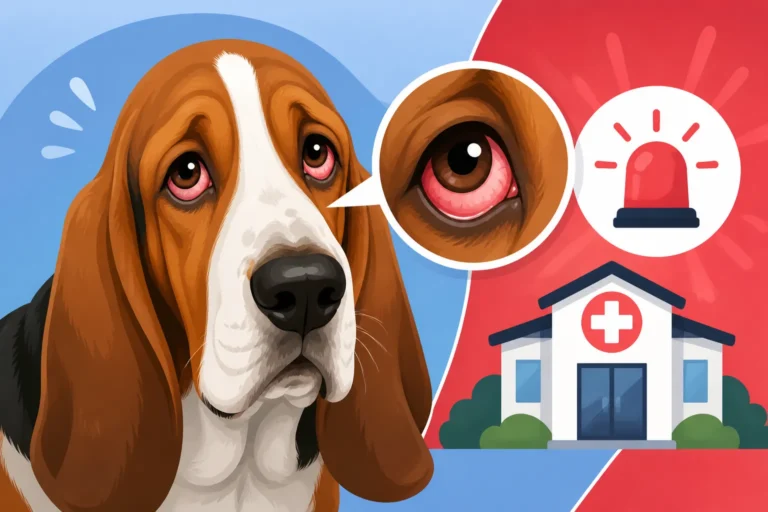
- Redness or Swelling: The inside of the ear flap or the opening of the ear canal might appear inflamed or swollen.
- Discharge: Look for any abnormal discharge – it could be brownish-black (often yeast), yellowish or pus-like (often bacterial), or even bloody.
- Unpleasant Odor: A distinct, often foul or yeasty smell emanating from the ear. Whether a Basset Hound's Ear Smells Sweet or Sour can offer clues about the type of infection.
- Pain or Sensitivity: Your Basset may flinch, cry out, or become aggressive when you touch their ears.
- Holding Head Tilted: Sometimes they will tilt their head to one side, trying to alleviate pressure or pain.
- Changes in Behavior: Lethargy, loss of appetite, or general irritability can also indicate they're not feeling well.
If you observe any of these symptoms, especially if they persist for more than a day or two, it’s time to call your veterinarian. Don't try to self-diagnose or treat a suspected infection with old medications you might have on hand. Different types of infections require different treatments, and using the wrong medication can make things worse or mask the true problem. When it comes to ongoing health issues, remember that pet insurance, such as a policy from Healthy Paws, can significantly help manage the costs of frequent vet visits, diagnostics, and prescriptions for chronic conditions like ear infections.
The Importance of Professional Diagnosis and Treatment
When you take your Basset Hound to the vet for an ear problem, they will perform a thorough examination. This typically involves using an otoscope to look deep into the ear canal, assessing the severity of the inflammation, checking for foreign bodies, and ensuring the eardrum is intact. They will also likely take a swab of the ear discharge for cytology.
- Cytology: This involves examining the discharge under a microscope to identify whether yeast, bacteria (and what type of bacteria), or mites are present. This critical step guides the choice of medication. Without knowing the specific culprit, treatment is often a guessing game.
- Culture and Sensitivity: If the infection is severe, recurrent, or not responding to initial treatment, your vet might send a sample to a lab for a culture and sensitivity test. This identifies the exact bacterial species and determines which antibiotics will be most effective against it. This helps avoid using broad-spectrum antibiotics unnecessarily, which can contribute to antibiotic resistance.
- Prescription Medications: Treatment typically involves prescription ear drops or ointments that contain antifungal, antibacterial, and/or anti-inflammatory agents. Oral antibiotics or anti-inflammatories might also be prescribed for more severe cases. It's vital to administer these medications exactly as directed by your vet, even if the ear appears to improve quickly. Stopping treatment too soon is a common reason for recurrence. Whether a Basset Hound Needs Ear Drops for Life might be a concern for some owners, but consistent treatment can often resolve acute issues, though chronic conditions may require ongoing management.
- Addressing Underlying Causes: As discussed earlier, your vet will also work with you to identify and manage any underlying issues like allergies or hypothyroidism, which are often the true drivers of recurrent infections. This holistic approach is essential for long-term ear health.
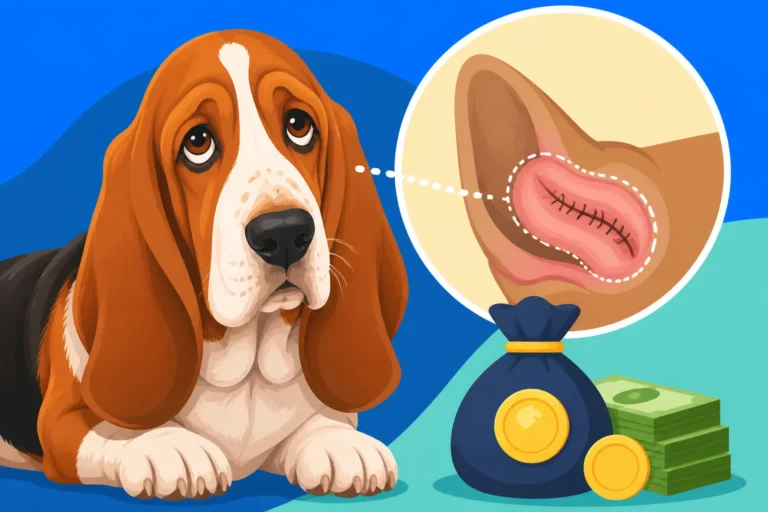
Remember, early and accurate veterinary intervention is key to preventing minor ear irritations from escalating into painful, chronic conditions that can sometimes even necessitate surgery, like a total ear canal ablation, which is a major procedure. Being proactive and informed will go a long way in ensuring your Basset Hound's ears stay as healthy as possible.
Conclusion: A Labor of Love, But Worth It
So, are those long, gorgeous ears the sole reason your Basset Hound gets ear infections? Not entirely, but they are certainly a significant part of the equation, creating an environment ripe for trouble within their uniquely shaped ear canals. Add in factors like moisture, humidity, and especially underlying allergies, and you have a perfect storm for persistent ear woes. It's a frustrating reality for many Basset owners, a perpetual battle that often feels like two steps forward, one step back.
However, owning a Basset Hound is a labor of love, and understanding these predispositions empowers you to be the best advocate for their health. By committing to a consistent routine of cleaning, diligently drying those ears, being vigilant about signs of trouble, and working closely with your veterinarian to address any underlying issues like allergies, you can significantly reduce the frequency and severity of ear infections. It might feel like a never-ending task at times, but ensuring those sweet, expressive faces are free from ear pain is absolutely worth every bit of effort. Their happy, tail-wagging waddle and soulful gaze are the best reward for your dedication to their unique needs.
Disclaimer
This article is intended for informational purposes only and does not constitute veterinary advice. Always consult with a qualified veterinarian for any health concerns or before making any decisions about your pet's health or treatment.