How Many Times a Week a Basset Hound’s Ears Need Flushing
One of the most common frustrations Basset Hound owners face is the constant battle against ear infections. Those magnificent, long ears are a defining feature, but they also create a perfect storm for yeast and bacteria to thrive, leaving many of us wondering how often we truly need to clean and flush them. This guide will walk you through understanding why your Basset's ears are so prone to trouble, establish a realistic flushing schedule, and provide practical tips to keep those floppy wonders healthy and happy.
Understanding the Basset Hound's Unique Ear Challenge
If you've ever owned a Basset Hound, you know their ears are truly a marvel to behold. Long, pendulous, and incredibly soft, they frame that soulful face perfectly. But these very features, as charming as they are, are precisely what make Basset Hound ears a constant management task. It's not just about aesthetics; it's about physics and biology, creating an environment ripe for problems that can be both painful for your dog and frustrating for you.
Why Basset Hound Ears Are Prone to Trouble
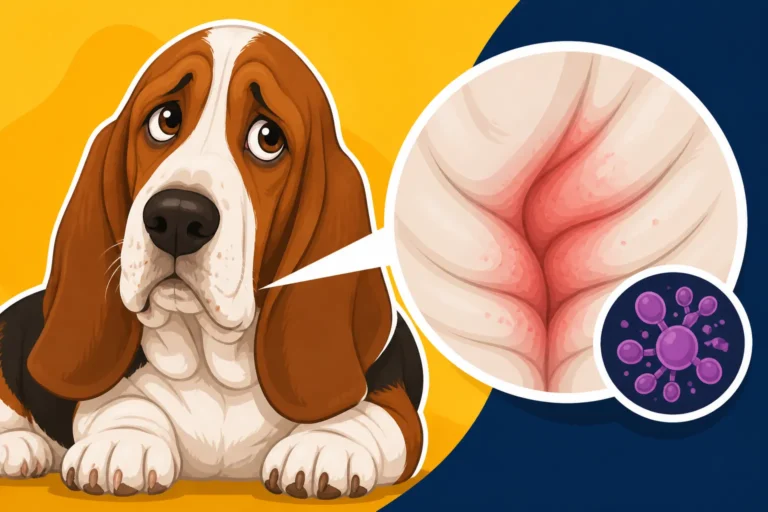
The anatomy of a Basset Hound's ear is fundamentally different from many other breeds, and it's this difference that accounts for their susceptibility to issues. First, there's the sheer length and weight of the ear flaps themselves. These long flaps hang down, effectively sealing off the ear canal from fresh air circulation. Think of it like a dark, damp cave – an ideal breeding ground for microscopic invaders. This lack of ventilation means moisture gets trapped inside, whether it's from humidity in the air, a bath, or even just regular ear wax production. It’s a bit like a perpetual warm, moist blanket over the ear opening.
Beyond the external ear flap, the internal ear canal itself contributes to the problem. Basset Hounds, like many other floppy-eared breeds, have a narrower and more convoluted ear canal compared to dogs with erect ears. This makes it difficult for debris, dead skin cells, and excess wax to naturally migrate out. Instead, everything tends to accumulate, forming a plug that further exacerbates the moisture problem and acts as a buffet for bacteria and yeast. This is a big reason why problems like The Ear Infections That Never Really Leave a Basset Hound are so prevalent in the breed. The design of their ears also means that Why a Basset Hound's Ear Canal Never Dries is a persistent reality you'll need to manage.
The Role of Flushing in Preventing Infections
Given these anatomical predispositions, routine ear flushing becomes less of a luxury and more of a necessity for Basset Hounds. Flushing isn't just about cleaning what you can see; it's about actively clearing out the ear canal to prevent the buildup that leads to infection. A good ear flush, used correctly, helps to loosen and remove excess wax, dirt, and any accumulated debris that would otherwise serve as a food source for microbes.
By regularly flushing the ear canal, you're essentially performing preventative maintenance. You're washing away the problematic elements before they have a chance to multiply and cause inflammation, itching, and pain. It helps maintain a healthier pH balance within the ear and reduces the moist, airless environment that yeast and bacteria love. This proactive approach is key to breaking the cycle of recurring infections, which can be incredibly frustrating for both you and your Basset Hound, and costly in terms of vet bills and medication.
Establishing the Ideal Flushing Schedule
Determining how often to flush your Basset Hound's ears isn't a one-size-fits-all answer. It depends heavily on individual factors, their lifestyle, and their past ear health history. However, there are some excellent starting points and guidelines that can help you establish a routine that keeps those ears pristine. Consistency is truly your best friend here.
General Guidelines for Healthy Basset Hounds
For a Basset Hound with generally healthy ears – meaning no history of chronic infections, no current signs of irritation, and no known allergies affecting their ears – a good starting point for flushing is once or twice a week. This frequency is usually sufficient to manage the natural accumulation of wax and debris that their unique ear structure encourages. It’s about being proactive rather than reactive.
Think of it as part of their regular grooming routine, much like brushing their coat or trimming their nails. Dedicating a specific day or two each week to this task makes it a habit, which is crucial for long-term ear health. This consistent, gentle flushing helps prevent the moist, warm environment from becoming a haven for opportunistic bacteria and yeast. If you're wondering How Often a Basset Hound's Ears Must Be Cleaned, this weekly ritual is generally a solid foundation.
Adjusting the Schedule for Specific Needs
While once or twice a week is a great baseline, some Basset Hounds will require more frequent attention. If your Basset Hound has environmental allergies, for instance, their ears might become inflamed or produce more wax, especially during allergy season. In these cases, increasing flushing to two to three times a week, or even every other day, might be necessary, especially under veterinary guidance.
Similarly, if your Basset Hound loves to swim or spends a lot of time in damp environments, their ears will naturally trap more moisture. This is where the old adage of prevention being better than cure truly applies. If Whether a Basset Hound's Ears Trap Water is a common issue for your dog, you might need to flush immediately after swimming or significantly increase your routine frequency. Always consult with your veterinarian before drastically changing your flushing schedule, as they can help tailor a plan to your individual dog's health profile.
Recognizing When More Frequent Flushing is Needed
Being observant is key to preventing a minor ear issue from escalating into a full-blown infection. Your Basset Hound will often give you subtle clues that their ears need more immediate attention or an increase in flushing frequency. The first signs are often behavioral: you might notice them shaking their head more than usual, scratching at their ears with a paw, or rubbing their head along furniture or the carpet. These actions indicate discomfort and irritation.
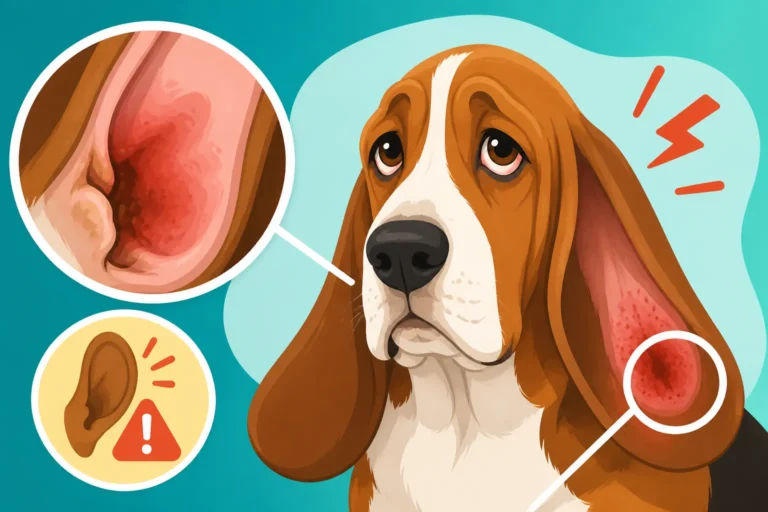
Beyond behavior, a closer inspection of the ear can reveal more direct signs. Look for redness or swelling around the ear canal opening or on the inside of the ear flap. Pay attention to any discharge – it might be dark, waxy, yellow, or even bloody, and the amount could be more than typical. And don't forget your nose! A healthy Basset ear should smell like, well, a dog's ear – faintly yeasty perhaps, but not offensive. If you detect a strong, unpleasant odor, particularly one that's sweet, sour, or truly foul, it's a huge red flag that something is amiss. This is when you know The Signs a Basset Hound's Ear Has Gone Bad, and you might even wonder Whether a Basset Hound's Ear Smells Sweet or Sour. These are all indicators that a veterinary visit is warranted, and your flushing routine may need to be adjusted or temporarily halted pending a diagnosis and treatment plan from your vet.
The Step-by-Step Guide to Effective Ear Flushing
Flushing your Basset Hound's ears might seem daunting at first, but with the right tools, a gentle approach, and a calm demeanor, it quickly becomes a routine both you and your dog can handle. The goal is to make it a positive experience, so always have treats on hand!
Gathering Your Supplies and Preparing Your Basset
Before you even think about applying cleaner, get everything you need laid out. You'll want a vet-approved ear cleaner – your vet can recommend Which Ear Cleaner Suits a Basset Hound best, often a non-irritating, pH-balanced solution designed for routine maintenance. You'll also need plenty of cotton balls or gauze pads (avoid cotton swabs, as they can push debris further into the ear canal), and a couple of old towels. Having some high-value treats ready is essential for making this a positive experience for your Basset.
Choose a quiet, comfortable location where you can easily contain your Basset, such as a bathroom or laundry room. Lay down a towel on the floor or countertop to catch any spills or shakes. Approach your Basset calmly, speaking in soothing tones. Give them a treat and let them sniff the ear cleaner bottle. The aim is to create an atmosphere of reassurance, not stress. Some Bassets are a bit dramatic, so keeping your own calm is half the battle.
The Flushing Process: A Gentle Approach
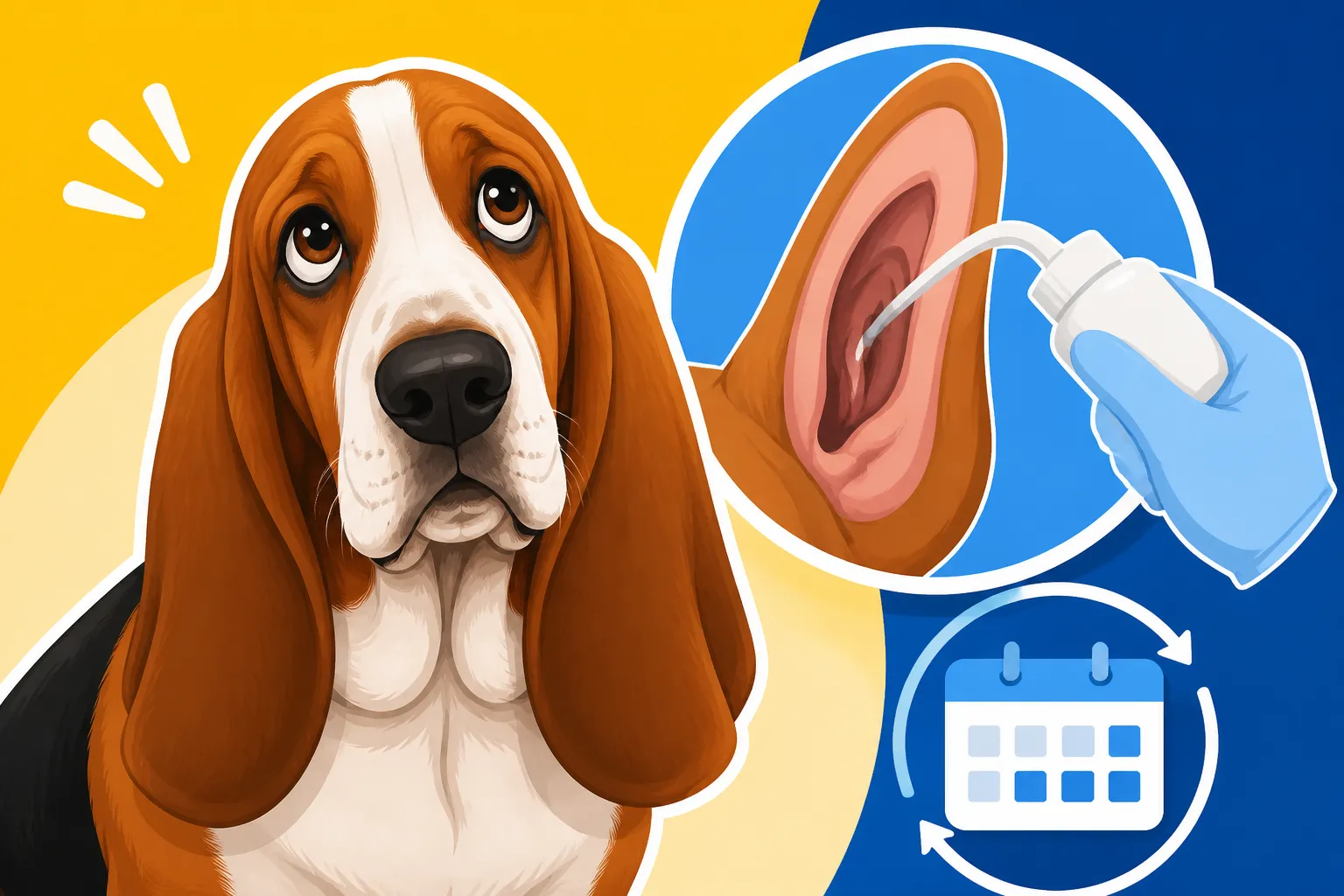
Now for the actual flushing. Gently hold your Basset Hound's ear flap up and back, exposing the opening of the ear canal. Hold the ear cleaner bottle just above the ear canal and squeeze a generous amount of solution directly into the canal until it's full or nearly full. Don't worry about hurting them; the ear canal has a bend, so you won't hit their eardrum.
Once the cleaner is in, gently massage the base of the ear for about 30 seconds. You should hear a squishing sound, which means the cleaner is working its way down and breaking up debris and wax. This massage is crucial for dislodging all the gunk that's hiding deep within the canal. After massaging, allow your Basset to shake their head. This is instinctual and helps expel the loosened solution and debris. Be ready with your towel to protect yourself and the surrounding area from flying ear gunk!
Post-Flushing Care and Observations
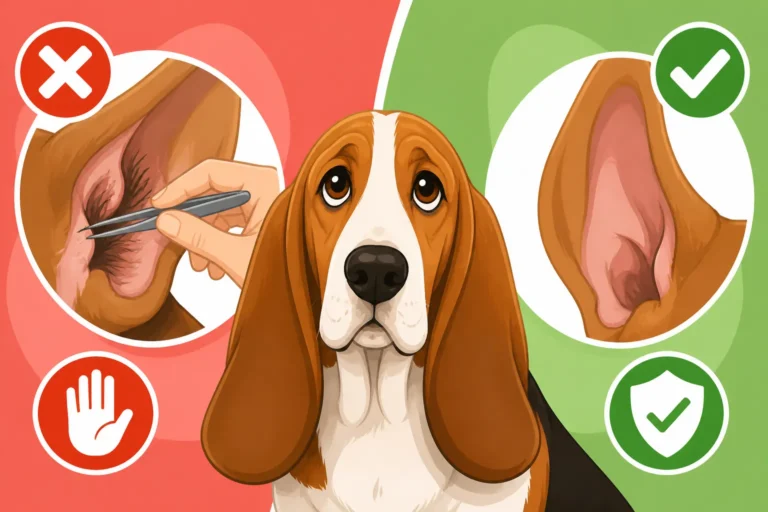
After your Basset has shaken their head, use a clean cotton ball or gauze pad to gently wipe away any excess cleaner and debris from the visible parts of the ear flap and the entrance to the ear canal. Remember, only wipe what you can see – never insert anything into the ear canal itself. Give them another treat and lots of praise for being such a good sport! This positive reinforcement will make future cleanings much easier.
It's also important to ensure their ears are completely dry after flushing, especially if your Basset is prone to moisture-related issues. If your Basset Hound enjoys swimming, it's particularly vital to consider Whether a Basset Hound's Ears Should Be Dried After Swimming to prevent water from lingering and contributing to infection. Keep an eye on the ears for the next day or so. Are they still shaking their head? Is there any lingering redness or discharge? If issues persist, it’s a sign that flushing alone might not be sufficient, or the underlying problem is more significant. For mealtimes, an ear snood can also be helpful to keep their long ears out of their food, reducing the need for constant wiping and potential irritation, especially if you're wondering Whether a Basset Hound Needs a Snood at Dinner.
Common Pitfalls and When to Seek Professional Help
While routine ear flushing is a cornerstone of Basset Hound ear health, it’s also possible to inadvertently cause problems or miss signs of a more serious issue. Understanding these potential missteps and knowing when to call in the professionals is vital for your dog's well-being.
Avoiding Over-Cleaning and Irritation
It might seem counterintuitive, but too much of a good thing can sometimes be detrimental. While Basset Hounds definitely need regular ear care, over-cleaning can strip the ear canal of its natural protective oils, leading to dryness, irritation, and even inflammation. This irritation can, ironically, make the ear more susceptible to infection by compromising its natural defenses. Using harsh cleaners or those not specifically formulated for canine ears can also cause chemical burns or severe discomfort.
Stick to the recommended frequency, usually once or twice a week for healthy ears, and always use a gentle, vet-approved solution. If you notice your Basset's ears becoming red, flaky, or visibly irritated after cleaning, you might be cleaning too frequently or using an inappropriate product. Always observe your dog's reaction and adjust your routine accordingly. If you have concerns, a quick chat with your vet about your specific cleaner and routine can provide peace of mind.
When Flushing Isn't Enough: Signs of a Deep Infection
There are times when even the most diligent flushing routine won't prevent an infection or resolve an existing one. If you notice persistent signs of discomfort, such as continuous head shaking, pawing at the ear, or rubbing their head against surfaces, despite regular cleaning, it's a clear signal that something more serious is at play. Strong, foul odors, significant discharge (especially if it's thick, yellow, green, or bloody), swelling, or pain when you touch their ear are all red flags that indicate a deeper infection.
A severe ear infection can be incredibly painful for your Basset Hound and, if left untreated, can lead to chronic issues, hearing loss, or even spread to the middle or inner ear. While What Chronic Ear Treatment Costs a Basset Hound Owner can be significant, early intervention is always less costly and more effective. Never try to self-diagnose or treat a suspected infection with home remedies or old medications. At this stage, your Basset needs professional veterinary attention, which can involve prescription medications, deeper cleaning under sedation, or even surgery in extreme cases.
The Importance of Veterinary Guidance
Ultimately, your veterinarian is your most valuable partner in maintaining your Basset Hound's ear health. They can accurately diagnose the cause of any ear issues, whether it's bacteria, yeast, ear mites, allergies, or even foreign bodies. They'll also recommend the most appropriate ear cleaner and treatment protocol based on a thorough examination and possibly diagnostic tests like ear cytology.
For Basset Hounds with recurring ear problems, your vet can help you develop a long-term management plan, which might include specific dietary changes, allergy management, or a tailored cleaning schedule. They can also advise on whether your Basset Hound needs Ear Drops for Life. Managing chronic conditions can add up, and this is where pet insurance can be a real lifesaver. Providers like Healthy Paws offer plans that can help mitigate the financial impact of recurrent ear infections, veterinary consultations, medications, and even potential surgeries. Discussing your options with your vet or a pet insurance representative can ensure you're prepared for the long haul of Basset ear care. Furthermore, a severe injury like Whether a Basset Hound's Ear Flap Gets Torn would also necessitate immediate vet attention.
Remember, consistent preventative care, careful observation, and prompt veterinary consultation for any concerns are the pillars of keeping your Basset Hound's ears healthy and preventing those infamous infections.
| Basset Hound Ear Condition | Recommended Flushing Frequency | Key Considerations | When to See a Vet |
|---|---|---|---|
| Healthy Ears | 1-2 times per week | Routine maintenance to remove wax and debris. Use vet-approved cleaner. | If any signs of irritation, smell, or discharge appear. |
| Allergies/Sensitive Ears | 2-3 times per week, possibly daily during flare-ups | Increased wax/inflammation often accompanies allergies. May need specific hypoallergenic cleaner. Consult vet for allergy management plan. | If redness, persistent scratching, swelling, or painful ears occur, even with increased flushing. These could be signs of an infection requiring medication. |
| Frequent Swimmers | Immediately after swimming, plus 1-2 times weekly | Water trapped in ears creates a prime environment for infection. Ensure ears are thoroughly dried after flushing and swimming. | If water seems to be causing recurrent issues, or if an infection develops despite diligent post-swim care. |
| Previous Infections | 2-3 times per week, or as directed by vet | Dogs with a history of infections are more prone to recurrence. Maintain a strict preventative schedule. Your vet may recommend a specific cleaner or prophylactic drops. Pet insurance like Healthy Paws can help cover ongoing costs. | At the first sign of recurrence (shaking, smell, discharge). Do not delay, as prompt treatment can prevent a full-blown infection and reduce What Chronic Ear Treatment Costs a Basset Hound Owner. |
| Active Infection | DO NOT FLUSH without vet approval | Flushing an infected ear can push debris deeper or irritate an already inflamed canal. A vet must diagnose and prescribe treatment. | Immediately. An active infection requires professional diagnosis and prescription medication. Delay can lead to severe pain, hearing loss, or chronic issues. This is where comprehensive pet insurance, such as through Healthy Paws, can be invaluable for unexpected veterinary expenses. |
Disclaimer
The information provided in this article is for general educational purposes only and is not a substitute for professional veterinary advice. Always consult with a qualified veterinarian for any health concerns or before making any decisions related to your Basset Hound's medical care or treatment plan.