What a Total Ear Canal Ablation Costs on a Basset Hound
When your beloved Basset Hound is constantly shaking their head, pawing at their ears, and whimpering in pain, it's a heartbreaking and frustrating situation. Chronic ear infections aren't just an annoyance; they can severely impact your dog's quality of life, leading to irreversible damage and even profound hearing loss. This guide will walk you through what a total ear canal ablation (TECA) entails for a Basset Hound and, crucially, what you can expect in terms of financial cost.
Understanding Total Ear Canal Ablation (TECA)
For many Basset Hound owners, the phrase "total ear canal ablation" sounds incredibly drastic, even scary. It’s a major surgery, no doubt, but it's often the last, best hope for dogs suffering from severe, intractable ear disease. It’s not a decision any vet or owner takes lightly, but when all other options have been exhausted, it can be life-changing for your pup, alleviating chronic pain and improving their overall well-being.
Why TECA Becomes Necessary for Basset Hounds
Basset Hounds, bless their long, droopy ears, are unfortunately predisposed to ear problems. Their magnificent ears, while beautiful, create a warm, moist, and poorly ventilated environment perfect for bacteria and yeast to thrive. This unique anatomy means that for many Basset Hounds, ear infections are not just a nuisance but a recurring nightmare. You might be familiar with the cycle: constant cleaning, endless rounds of ear drops, trips to the vet for ear cultures, and sometimes even powerful oral medications.
When these infections become chronic and severe, the delicate tissues lining the ear canal suffer irreversible damage. The canal can thicken, calcify, and even narrow or close up completely, making it impossible for medications to penetrate and treat the infection effectively. This constant inflammation is incredibly painful for your dog. If you've been dealing with The Ear Infections That Never Really Leave a Basset Hound, or wondering Whether a Basset Hound's Ear Canal Closes Up, you know the despair that can set in. At this point, the ear is beyond medical repair, and TECA becomes the only way to stop the suffering. It's truly a last resort when the quality of life is severely compromised by constant, unrelenting pain.
The Surgical Procedure Explained
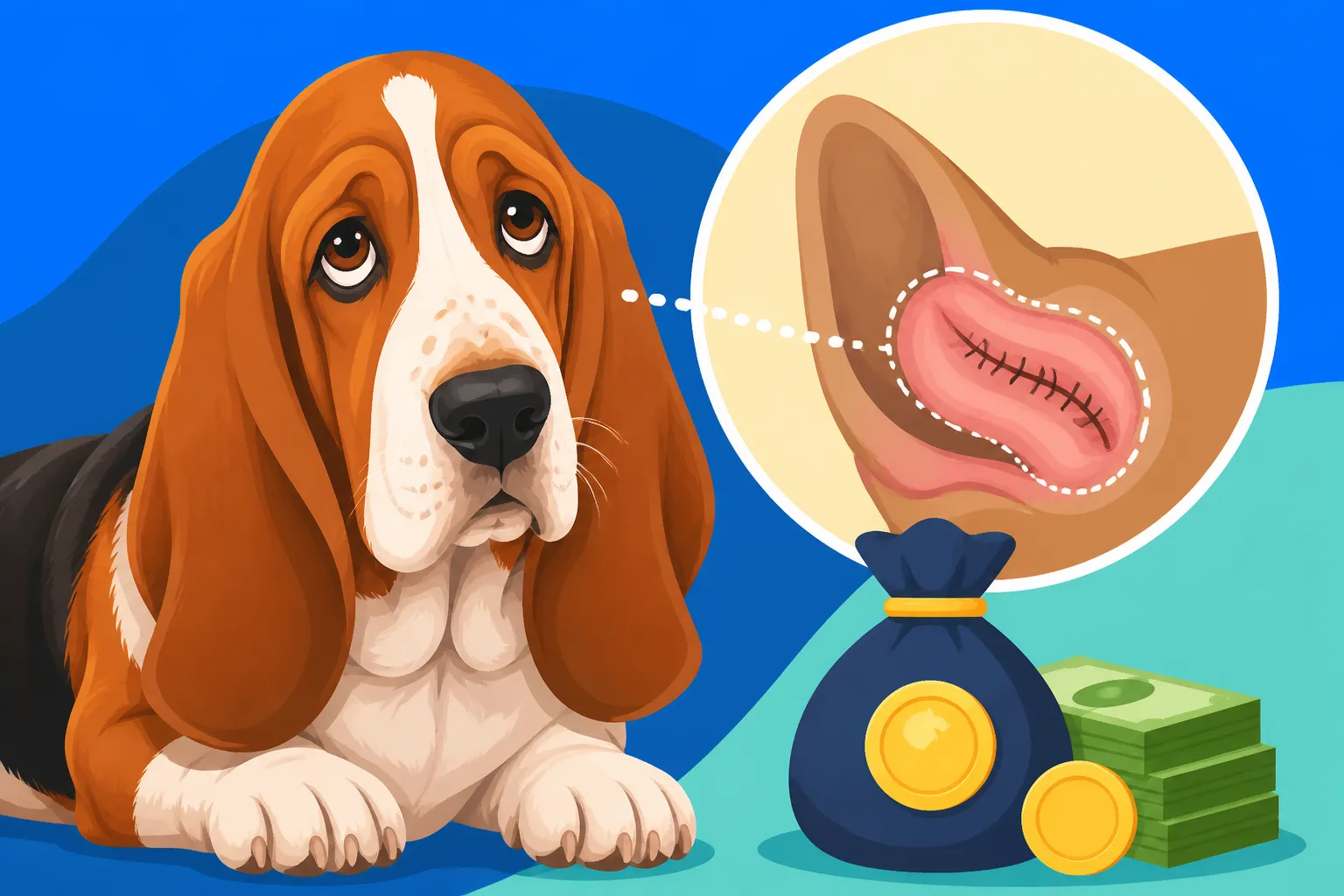
A Total Ear Canal Ablation (TECA) is precisely what it sounds like: the complete removal of the diseased ear canal. However, it’s important to understand that the external ear flap (the part you see) is generally preserved. The goal isn't to remove the entire ear, but to eliminate the source of chronic infection and pain. During the procedure, the surgeon meticulously removes the entire vertical and horizontal ear canal down to the bony bulla, which contains the middle ear. In many cases, a bulla osteotomy (opening of the bony bulla) is performed concurrently to clean out any infection present in the middle ear.
Because the ear canal is removed, the dog will lose their hearing in that ear. For dogs suffering from long-term, severe infections, their hearing in the affected ear is often already significantly impaired or gone due to the damage and swelling. While losing hearing in one or both ears is a concern, for many Basset Hounds, the relief from constant pain far outweighs the impact of this functional loss. The surgery is complex and requires a highly skilled veterinary surgeon, often a specialist like a board-certified veterinary surgeon. The recovery period involves careful post-operative care, pain management, and monitoring for potential complications.
The Financial Reality of TECA Surgery
Let's be blunt: TECA surgery is not cheap. When you're facing this kind of decision, the last thing you want is sticker shock, but it's a reality check that every owner needs to go through. The cost can vary wildly depending on several factors, and it's essential to understand all the potential expenses involved. Thinking about What Chronic Ear Treatment Costs a Basset Hound Owner over years can sometimes put the one-time TECA cost into perspective, but it's still a significant outlay.
Itemized Costs of a Total Ear Canal Ablation
When your vet gives you an estimate for TECA, it's rarely just a single number for "the surgery." It's a comprehensive package of services, each with its own cost. Here's a breakdown of what typically contributes to the total bill:
- Pre-operative Diagnostics: Before surgery, your Basset Hound will need a thorough workup. This includes blood tests (complete blood count, chemistry panel) to ensure they are healthy enough for anesthesia, chest X-rays to check for lung health, and often an ear cytology and culture to identify the specific bacteria or yeast involved, even if the canal is being removed. Some cases might even require a CT scan or MRI to assess the extent of the disease, especially if the middle ear is involved, adding a significant cost.
- Surgical Fees: This is the core cost, covering the surgeon's time, expertise, and the use of the surgical suite. This fee is often the largest component.
- Anesthesia and Monitoring: Anesthesia for a major surgery like TECA is a complex process. It includes the anesthetic drugs themselves, the time of a dedicated veterinary technician to monitor your dog's vital signs throughout the procedure (heart rate, breathing, blood pressure, oxygen saturation), and recovery monitoring. Older Basset Hounds or those with underlying health issues might require more intensive monitoring.
- Hospitalization: Your Basset Hound will likely need to stay in the veterinary hospital for a few days post-surgery for pain management, antibiotic administration, and close monitoring. This includes nursing care, food, and fluids.
- Medications: Post-operative medications will include pain relief (often strong opioids initially, then oral anti-inflammatories at home), antibiotics to prevent infection, and sometimes anti-nausea medications.
- Follow-up Appointments and Rechecks: You’ll need several follow-up visits to monitor healing, remove sutures, and ensure there are no complications. These visits, along with any necessary re-checks or additional diagnostics, contribute to the total.
Geographic and Veterinary Practice Variations
The cost of TECA surgery isn't uniform across the board. Just like human healthcare, veterinary costs are influenced by where you live and the type of clinic providing the service. A specialty veterinary surgical center in a major metropolitan area, like Los Angeles or New York, will almost certainly charge more than a general practice veterinarian in a rural town. This isn't just about overhead; it's about the cost of living in the area, the demand for specialized services, and the advanced equipment available.
Veterinary schools or teaching hospitals can sometimes offer slightly lower costs for certain procedures, as they are teaching institutions, but they still provide excellent care. It’s always a good idea to get a few estimates if possible, though with an emergency situation, that might not be feasible. Understanding What a Basset Hound's Emergency Surgeries Cost can help set expectations for critical procedures.
Unexpected Costs and Potential Complications
While no one wants to think about complications, it's a responsible part of planning for any major surgery. TECA is generally successful, but potential complications can arise, which can lead to additional, unexpected costs. These might include:
- Facial Nerve Paralysis: The facial nerve runs very close to the ear canal. Despite a surgeon's best efforts, it can sometimes be bruised or damaged during surgery, leading to temporary or, in rare cases, permanent facial paralysis on the affected side. This usually resolves on its own, but might require supportive care.
- Vestibular Syndrome: This affects balance and can manifest as head tilting, circling, or stumbling. It's often temporary due to inflammation, but can be distressing for both dog and owner.
- Persistent Infection or Abscess: Although rare, if not all infected tissue is removed or if bacteria remain, an abscess can form, requiring further treatment, which might include another surgery.
- Wound Dehiscence: The surgical incision opening up, which would necessitate veterinary attention and possibly a re-suture.
These complications, while not common, can add hundreds or even thousands of dollars to the total cost if they require extended hospitalization, additional medications, or corrective procedures.
Here's a general overview of the cost ranges for a single ear TECA:
| Cost Component | Estimated Range (USD) | Notes |
|---|---|---|
| Pre-operative Diagnostics | $300 – $1,000 | Bloodwork, X-rays, ear cultures. CT/MRI can add $1,500 – $3,000+ |
| Surgical Fee (Specialist) | $1,800 – $4,000 | Varies significantly by surgeon experience and location |
| Anesthesia & Monitoring | $500 – $1,200 | Includes drugs, dedicated technician time |
| Hospitalization (1-3 days) | $400 – $1,500 | Post-op care, pain management, IV fluids |
| Post-op Medications | $100 – $300 | Oral antibiotics, pain relief, anti-inflammatories |
| Follow-up Appointments | $150 – $400 | Several visits over weeks for suture removal, rechecks |
| Total Estimated Cost | $3,250 – $8,400+ | Per ear. Bilateral surgery (both ears) would be significantly higher |
Note: These are general estimates and actual costs may vary widely based on location, facility, and individual case complexity.
Managing the Expense: Financial Options and Support
Staring down a veterinary bill that could be several thousand dollars can feel overwhelming, especially when your priority is just getting your beloved Basset Hound out of pain. The good news is that there are often options available to help make these costs more manageable. Understanding these avenues can provide a much-needed sense of relief during a stressful time.
Pet Insurance and TECA Coverage
If you're one of the proactive owners who invested in pet insurance early on, this is precisely the kind of situation it's designed for. Most comprehensive pet insurance plans, such as those from providers like Healthy Paws, will cover a significant portion of TECA surgery costs, provided the condition leading to the surgery isn't considered a pre-existing condition. This is a crucial point: if your Basset Hound had chronic ear infections before you enrolled in the policy, it might be excluded.
However, if the ear issues developed after enrollment and waiting periods were met, insurance can be a lifesaver, potentially reimbursing 70-90% of the eligible expenses after your deductible. It’s always best to contact your insurance provider directly as soon as TECA is recommended to understand your specific coverage, reimbursement rates, and any exclusions. This foresight can literally save you thousands of dollars. Having a policy from a provider like Healthy Paws can mean the difference between getting necessary, life-changing surgery and facing an agonizing financial decision.
Payment Plans and Veterinary Financing
For those without pet insurance, or where the costs still feel prohibitive, many veterinary hospitals understand the financial strain and offer solutions. Don't be afraid to speak openly with your vet's office manager about your financial situation. They often have experience guiding clients through these tough conversations and can outline several options:
- In-house Payment Plans: Some clinics offer direct payment plans, allowing you to spread the cost over several weeks or months. These vary greatly by clinic policy.
- Third-Party Medical Credit: Services like CareCredit or Scratchpay are specifically designed for veterinary and medical expenses. They offer low or no-interest financing options for qualified applicants, allowing you to pay off the bill over time. It essentially works like a credit card for medical expenses.
- Veterinary Care Funds/Charities: In some regions, there are local or national charities that provide financial assistance to pet owners facing significant veterinary bills. Organizations like The Pet Fund, RedRover, or specific breed-focused rescues might offer grants or support. It's worth researching these options, though they often have specific eligibility criteria.
Exploring these avenues can help ensure your Basset Hound gets the critical care they need without completely breaking your bank. It's about finding a path forward that works for both you and your furry family member.
Considering Alternatives and Prevention
While TECA is the solution for end-stage ear disease, it highlights the importance of aggressive, consistent ear care and management earlier in a Basset Hound's life. Prevention, or at least early intervention, is always less costly and less invasive than surgery. If you're still in the phase of trying to manage chronic ear issues, understanding How Often a Basset Hound's Ears Must Be Cleaned and what signs to look for that indicate trouble, like The Signs a Basset Hound's Ear Has Gone Bad, is crucial.
The long-term cost of Whether a Basset Hound Needs Ear Drops for Life and recurring vet visits can quickly add up, sometimes even rivaling the cost of surgery over several years. Proactive care, maintaining a healthy weight to reduce skin fold issues, and discussing preventative strategies with your vet from a young age can make a huge difference in avoiding the path to TECA. Ultimately, deciding on TECA is a heavy choice, but for many Basset Hounds, it offers the promise of a pain-free life.
Disclaimer
This article is intended for informational purposes only and does not constitute veterinary advice. Always consult with a qualified veterinary professional for diagnosis and treatment options specific to your pet's health condition. Costs mentioned are estimates and can vary significantly based on location, veterinary practice, and individual patient needs.