How to Clean a Basset Hound’s Ears Properly
If you've ever owned a Basset Hound, you know the struggle: those magnificent, long, floppy ears are absolute scent-detecting powerhouses, but they can also be magnets for gunk, grime, and endless infections. It's a rite of passage for Basset owners to deal with stinky, itchy ears, and many of us feel completely overwhelmed by the prospect of cleaning them properly without causing pain or further irritation. This guide will walk you through exactly how to clean your Basset Hound's ears effectively, helping you keep them healthy and comfortable.
Understanding Your Basset Hound's Unique Ear Anatomy
Before we dive into the "how-to," it's absolutely crucial to understand why Basset Hounds are so prone to ear problems. It's not just bad luck; it's a feature of their incredible design that unfortunately comes with a few drawbacks. Knowing this can help you approach ear care with the patience and diligence it truly requires.
The Deep, Narrow Canal
Imagine a winding cave, dark and damp. That's a bit like your Basset Hound's ear canal. Unlike many breeds with more open, upright ears, the Basset's ear canal is notoriously long, narrow, and L-shaped. This deep structure makes it incredibly difficult for air to circulate and for debris or moisture to escape naturally.
When dirt, wax, or water gets in there, it tends to stay put, settling in the nooks and crannies. This creates a perfect environment for bacteria and yeast to flourish, leading to those all-too-common, stubborn infections. Many owners find themselves wondering Whether Every Basset Hound Gets Ear Infections, and while not every single one does, a significant number certainly contend with them due to this unique anatomy.
Those Magnificent, Trailing Ear Flaps
Ah, the Basset Hound's signature long, pendulous ears! While they are truly beautiful and serve an important function in trapping scent close to their nose when trailing, they also act like heavy curtains over the ear canal. This means very little air can get in, and any moisture that enters – whether from a bath, humidity, or even drool – gets locked in.
These heavy ear flaps, often described as velvety soft, can also get stepped on, dragged through food and water, or simply accumulate dirt from their surroundings. This external dirt, combined with the lack of ventilation, contributes significantly to the internal issues. It’s no wonder we find ourselves needing to know How Often a Basset Hound's Ears Must Be Cleaned to manage this.
Moisture and Warmth: The Perfect Breeding Ground
Put the deep, narrow canal together with the heavy, unventilated ear flaps, and what do you get? A warm, moist, dark environment that is absolutely ideal for the growth of unwelcome organisms. Yeast and bacteria thrive in such conditions, and once they get a foothold, they can be incredibly difficult to dislodge.
This constant moisture isn't just about swimming or bathing; even high humidity or normal body warmth can contribute to the problem. It’s a perpetual battle against the elements and your Basset's own physiology. This is why vigilance is key, because preventing problems is always easier than treating them once they've taken hold. You might even ask Whether a Basset Hound's Ears Trap Water and the answer is a resounding yes, which is a major contributor to their ear woes.
Gathering Your Basset Hound Ear Cleaning Arsenal
Before you even think about tackling those ears, you need to be prepared. Think of it like a mini-operation where preparation is half the battle. Having everything at your fingertips will make the process smoother, less stressful for both you and your Basset, and ultimately, more effective.
Choosing the Right Ear Cleaner
This isn't just about squirting anything down there; the type of cleaner matters immensely for a Basset Hound. You'll want to look for solutions specifically designed for canine ears, often labeled as "drying," "antiseptic," or "antibacterial/antifungal." Some common active ingredients include salicylic acid, boric acid, or witch hazel, which help to dry out the canal, and mild antimicrobials like chlorhexidine. Avoid anything with alcohol, as it can be very irritating to sensitive ear tissue.
Many reputable brands offer excellent options. You can often find a wide selection on pet supply sites like Chewy or Amazon, where you can read reviews from other Basset owners. It's always a good idea to chat with your vet about their recommendations, especially if your Basset is prone to recurrent infections or has particularly sensitive skin. They might even prescribe a specific medicated cleaner. If you're ever unsure, picking a gentle, pH-balanced cleanser without strong fragrances is a safe bet to start with.
Cotton Balls and Swabs: What to Use and What NOT to Use
When it comes to wiping and drying, cotton balls are your best friend. They are soft, absorbent, and less likely to push debris further into the canal. You’ll want a generous supply, as you'll likely go through quite a few during a thorough cleaning.
Now, for the critical warning: never use cotton swabs (Q-tips) down your Basset Hound's ear canal. Those deep, L-shaped canals we talked about? A cotton swab can easily push wax and debris even further down, compacting it against the eardrum and potentially causing serious damage or worsening an infection. Cotton swabs are fine for cleaning the outer folds and visible parts of the ear flap, but absolutely not for the canal itself. Remember this rule: if you can't see what you're cleaning, don't put anything in there with a swab.
Essential Comfort Items: Treats, Towels, a Patient Helper
Ear cleaning can be a bit messy, and for many Bassets, it’s not their favorite activity. So, setting the stage for comfort and cooperation is key. Have plenty of old towels or paper towels on hand to catch any drips and for wiping. You'll be amazed how much gunk can come out!
Most importantly, arm yourself with high-value treats! These are the treats your Basset goes absolutely wild for. Think small pieces of cooked chicken, cheese, or even something healthy and enticing from brands like Ollie. Positive reinforcement is crucial. A patient helper can also be invaluable, especially for the first few times. One person can hold your Basset gently and offer treats, while the other focuses on the cleaning. This teamwork can make a world of difference in reducing stress and turning a potentially unpleasant experience into a tolerable, even positive, routine. Teaching a Basset Hound to Tolerate Ear Cleaning is much easier with a good reward system.
The Step-by-Step Guide to a Proper Ear Cleaning
Alright, you've got your supplies, you understand the Basset ear, and you're ready to dive in. Here's a detailed, step-by-step process to ensure a thorough and safe ear cleaning for your beloved hound. Remember, patience is your most important tool.
Preparing for the Ritual
First things first, find a good spot. A bathroom or kitchen with easy-to-clean surfaces is ideal. Lay down a towel or two, because, let's be honest, things are probably going to get a little wet and messy. Gather all your supplies: ear cleaner, cotton balls, plenty of high-value treats, and if possible, enlist your patient helper. If your Basset is particularly wiggly, consider doing this immediately after a good long walk or playtime when they're a bit tired and more likely to stand still.
Gently secure your Basset. For some, a firm but gentle hold on their head is enough. For others, sitting on the floor with them cradled between your legs might work better. The goal is to keep them still enough that you can work safely without them shaking their head mid-stream. Keep your tone calm and reassuring, offering praise and an initial treat to set a positive mood.
Applying the Cleaner
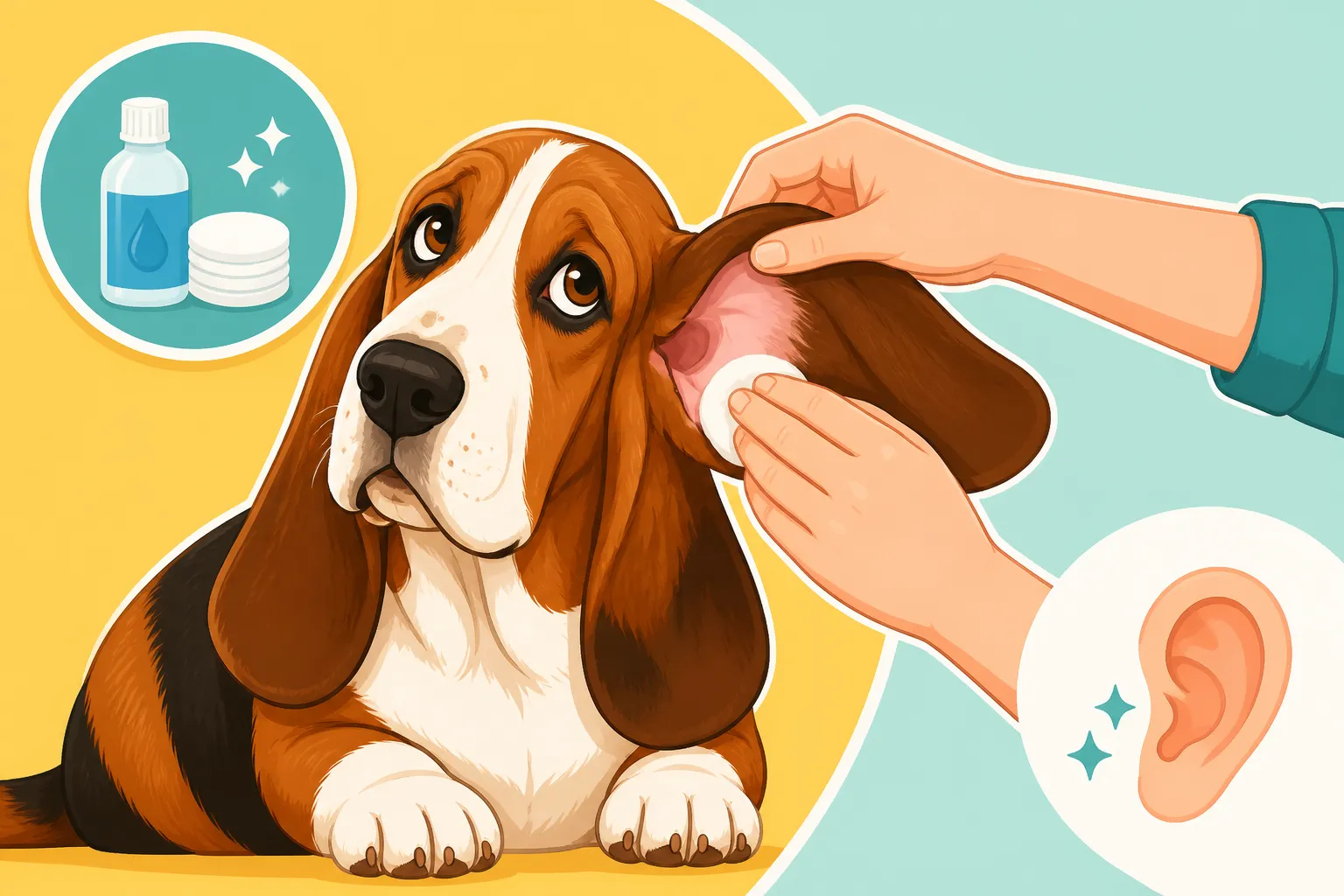
Now for the main event. Pick up one of your Basset's long, beautiful ears and gently lift it straight up, exposing the ear canal. You'll likely see some wax, maybe some dirt, and get a whiff of that distinct "Basset ear smell." If it smells particularly foul, like really cheesy or super sweet and yeasty, that’s a sign of potential infection, and you might need a vet visit. You can learn more about The Signs a Basset Hound's Ear Has Gone Bad.
Hold the ear flap up and carefully insert the tip of the ear cleaner bottle into the opening of the canal. Don't push it too deep! Just past the visible opening is fine. Give a generous squeeze – you want to fill the canal with the cleaning solution. Don't be shy; a good amount is needed to really loosen debris. You'll hear a squishy sound as the liquid fills the canal.
Massaging and Wiping
Once the cleaner is in, immediately put the bottle down and gently massage the base of your Basset's ear for about 20-30 seconds. You should hear that satisfying squishy sound again, indicating the cleaner is working its way down into the deeper parts of the canal and breaking up wax and debris. This massage is crucial for getting the solution to do its job. Your Basset might shake their head vigorously after you release the ear – this is good! Let them shake, as it helps dislodge more gunk. Stand back a bit to avoid getting sprayed.
After the head shake, take a fresh cotton ball and gently wipe out the accessible parts of the ear canal and the inner side of the ear flap. You'll be amazed at the amount of brown or black gunk that comes out. Keep wiping with fresh cotton balls until they come out relatively clean. Remember, no cotton swabs deep in the canal! Just wipe what you can easily see and reach. You might need to repeat the "apply cleaner, massage, wipe" process for particularly dirty ears. Whether a Basset Hound's Ear Should Be Flushed or Wiped is a common question, and generally, flushing with liquid cleaner followed by wiping the visible areas is the recommended method.
Rewarding and Reinforcing
This step is just as important as the cleaning itself. As soon as you're done with one ear (or even between major steps if your Basset is struggling), offer enthusiastic praise and a super-duper treat. Make it clear they've done a wonderful job. This positive reinforcement is vital for building a positive association with ear cleaning. Over time, your Basset will learn that while the process might be a bit weird, it always ends with something delicious and your happy approval.
If you have a helper, they can be a treat dispenser throughout the entire process, offering small rewards for calm behavior. Consistency with rewards will make future cleanings much, much easier. Imagine how much happier you'll both be if your Basset views ear cleaning as a minor inconvenience followed by a delicious snack!
| Cleaning Step | Description | Key Action for Basset Hounds |
|---|---|---|
| Preparation | Gather all supplies (cleaner, cotton balls, treats, towels), choose a suitable location. | Ensure a quiet, non-slip surface. Have high-value treats ready to reward cooperation. Consider a helper for initial sessions. Gently secure your Basset to prevent sudden movements. |
| Lift & Inspect Ear Flap | Gently lift the long ear flap to expose the ear canal. Look for redness, discharge, or strong odors. | Take note of any unusual smells (sweet/yeasty often indicates yeast, foul/cheesy often indicates bacteria) or excessive dark debris, which might warrant a vet visit. Do not probe deep with your fingers or anything else. |
| Apply Cleaner | Carefully insert the cleaner bottle tip just into the ear canal opening and squeeze to fill the canal. | Don't be afraid to use enough solution to fully flush the deep, L-shaped canal. Aim for a squishy sound. Use a vet-approved, non-irritating cleaner. |
| Massage Ear Base | Gently massage the base of the ear for 20-30 seconds to work the cleaner down and loosen debris. | You should hear gurgling or squishing sounds. This step is crucial for reaching deep into the Basset's complex ear canal. Allow your Basset to shake their head freely afterward (stand clear!). |
| Wipe & Dry | Use fresh cotton balls to wipe out any visible solution and loosened debris from the outer ear and accessible parts of the canal. | CRITICAL: Never use cotton swabs (Q-tips) inside the ear canal. Only wipe what you can clearly see. Replace cotton balls as they get dirty until they come out clean. Ensure the outer ear is as dry as possible. |
| Reward & Praise | Immediately after cleaning, offer generous praise and high-value treats. | This positive reinforcement is essential for making ear cleaning a less stressful experience for your Basset and for encouraging cooperation in the future. Consistency builds trust and makes the routine much smoother. What Actually Motivates a Basset Hound is often food, so use it to your advantage! |
Troubleshooting Common Ear Cleaning Challenges
Even with the best intentions and all the right tools, cleaning a Basset Hound's ears isn't always a walk in the park. Sometimes, our hounds have other ideas, or we encounter situations that make us pause and wonder if we're doing it right. It's okay; you're not alone in these frustrations.
Dealing with Resistance and Fear
Let's be real: not every Basset Hound is going to calmly submit to ear cleaning. Some might be nervous, others might genuinely dislike the sensation, and some might even have pain associated with past ear issues, making them resistant. If your Basset struggles, whines, or tries to escape, don't force it aggressively. This can break their trust and make future cleanings even harder.
Instead, take a step back and try a gradual approach. Start by simply touching their ears gently, then lifting them for a second, then longer. Pair every step with praise and a small treat. Build up to introducing the cleaner, letting them sniff it, perhaps just squeezing a tiny bit on a cotton ball and wiping the outside of the ear. Over several days or weeks, slowly increase the duration and intensity of the contact, always ending on a positive note with a treat. This desensitization process can work wonders. If your Basset has had painful ear infections in the past, their resistance is understandable, and building trust again will be key. This is directly related to Teaching a Basset Hound to Tolerate Ear Cleaning.
When to Call the Vet: Signs of Infection, Excessive Gunk
Sometimes, cleaning isn't enough, or the symptoms point to something more serious. While routine cleaning helps prevent infections, it can't cure an established one. You absolutely must contact your veterinarian if you notice any of the following:
- Persistent Head Shaking or Scratching: More than usual, or if it suddenly starts.
- Strong, Unpleasant Odor: A smell that's beyond normal "Basset ear funk" – think very yeasty, cheesy, or foul. Whether a Basset Hound's Ear Smells Sweet or Sour can indicate different types of infections.
- Excessive Redness or Swelling: The ear flap or canal looks inflamed.
- Pain Upon Touching: Your Basset cries out, flinches, or acts aggressively when you try to touch their ear.
- Unusual Discharge: Yellow, green, black, or bloody discharge. Dark brown, waxy gunk can be normal, but excessive amounts or changes in consistency are red flags.
- Loss of Balance or Head Tilt: This can indicate a more serious inner ear infection.
These signs suggest an active infection that requires professional medical attention. Your vet will be able to diagnose the type of infection (bacterial, yeast, mites, etc.) and prescribe appropriate medication, which might include medicated ear drops or oral antibiotics. Trying to treat a full-blown infection with just over-the-counter cleaners usually won't work and can prolong your dog's discomfort. The Ear Infections That Never Really Leave a Basset Hound often require veterinary intervention.
Maintaining Ear Health Between Cleanings
Preventative care is always the best approach, especially with Basset Hounds. Beyond your regular cleaning routine, there are several things you can do to support healthy ears. After baths or if your Basset has been near water, gently dry the outer ear canal with a cotton ball. You can also use a mild drying ear solution recommended by your vet to help evaporate any lingering moisture. Whether a Basset Hound's Ears Should Be Dried After Swimming is a definite yes.
Keeping the hair around the ear canal trimmed (if your Basset has any significant hair in that area, though Bassets typically don't have much) can also help with air circulation. Regularly inspect their ears, even on non-cleaning days, just to get a baseline of what a healthy ear looks and smells like. This way, you'll be quicker to notice any subtle changes that might indicate an impending problem. General good health, including maintaining a healthy weight like How Much a Basset Hound Should Weigh, can also contribute to a stronger immune system, which in turn might help fend off infections.
Frequency and Proactive Care for Basset Hound Ears
One of the biggest questions Basset Hound owners grapple with is, "How often do I actually need to do this?" The answer isn't a strict one-size-fits-all, but rather depends on your individual dog, their environment, and their history with ear issues. However, proactivity is always better than reactivity.
Establishing a Regular Routine
For most Basset Hounds, a routine cleaning schedule is non-negotiable. Many owners find that cleaning their Basset's ears once a week is the sweet spot, especially if they are prone to issues. Others might get away with every two weeks, particularly if their hound has historically healthy ears or they live in a drier climate. The key is consistency. Make it a part of your weekly grooming ritual, alongside nail trims and a quick brush.
Think of it this way: if you wait until you smell an ear problem, you're already behind. By cleaning regularly, you're proactively removing wax, dirt, and moisture before they have a chance to become a problem. This regular flushing helps to maintain a healthy ear environment, reducing the likelihood of those stubborn yeast or bacterial infections. Your vet can help you determine the ideal frequency for your specific Basset, taking into account their unique medical history and lifestyle.
Environmental Considerations: Swimming, Humidity
Your Basset's environment plays a significant role in their ear health. If you live in a warm, humid climate, your Basset's ears are more likely to retain moisture, making them more susceptible to infections. In such cases, more frequent cleaning or the use of a drying ear solution might be beneficial.
Similarly, if your Basset loves to swim or enjoys splashing in puddles (and let's be honest, many Bassets are drawn to water and mud like magnets!), extra vigilance is needed. Water can easily get trapped in those deep canals. After any water exposure, make sure to dry the external ear flap thoroughly and consider using a gentle ear drying solution specific for post-swim care. This can help prevent the trapped moisture from turning into a full-blown infection. Whether a Basset Hound's Ears Trap Water is definitely something to be aware of if your pup loves a good splash.
Dietary and Allergenic Factors
Sometimes, chronic ear issues aren't just about anatomy; they can be linked to underlying health conditions, particularly allergies. If your Basset Hound suffers from recurrent ear infections despite diligent cleaning, it might be worth exploring if allergies are at play. Environmental allergies (like pollen, dust mites) or food sensitivities can manifest as skin irritation, which often includes itchy, inflamed ears.
Your veterinarian might suggest a diet trial with a novel protein or hydrolyzed protein diet, or discuss allergy testing to pinpoint specific triggers. Addressing the root cause of allergies can significantly reduce the frequency and severity of ear infections, making your cleaning routine much more manageable and your Basset much more comfortable. While brands like Ollie focus on fresh, balanced nutrition, consulting with your vet to tailor your Basset's diet and care plan is always the best approach for long-term health. Knowing the full picture of What Basset Hounds Are Most Often Treated For can help you be proactive in managing their health.
Disclaimer
This article is for general informational purposes only and does not constitute professional advice. Laws, prices and regulations vary by location and change over time. Consult a qualified professional for guidance on your specific situation.