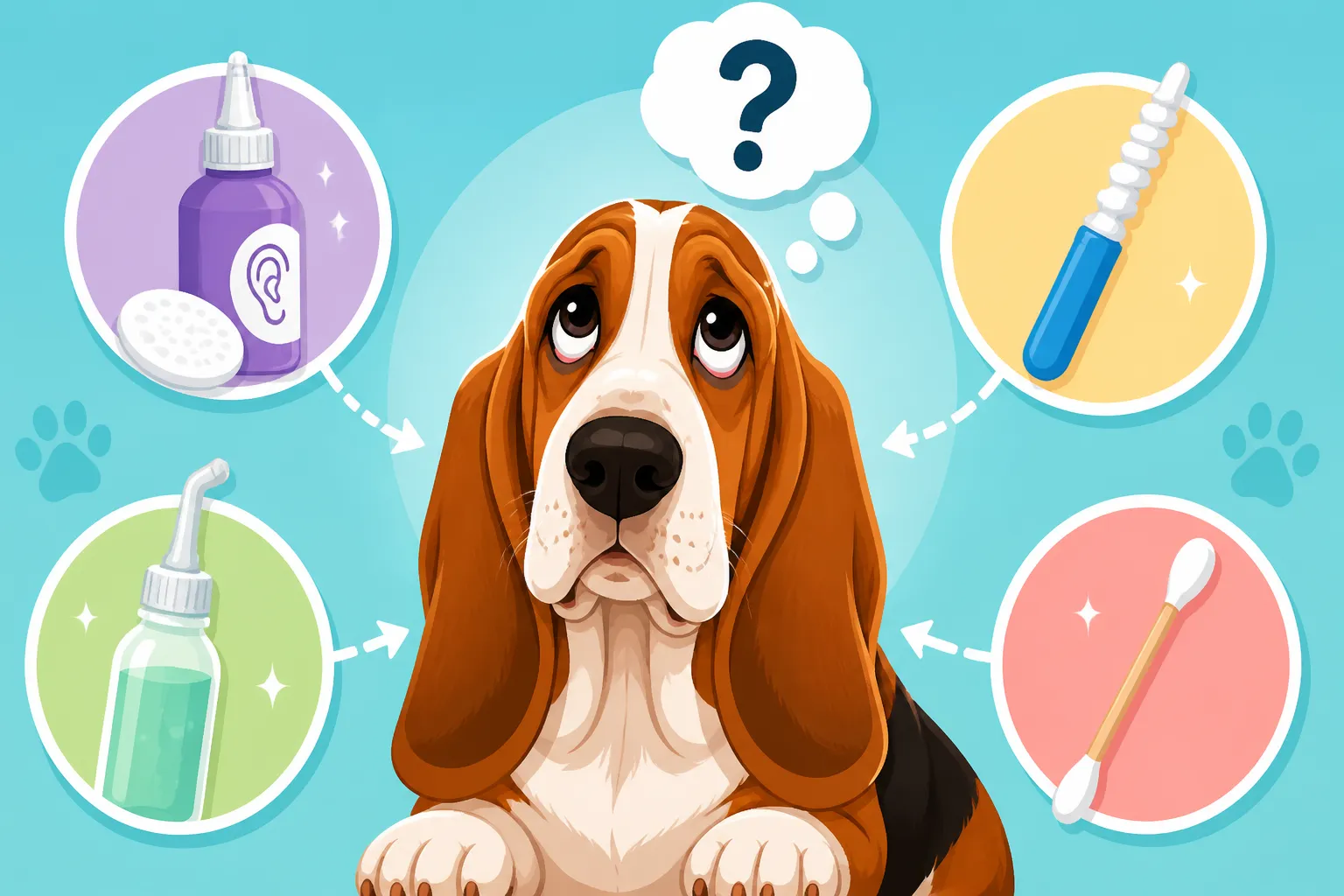
Which Ear Cleaner Suits a Basset Hound
If you’re a Basset Hound owner, you know the struggle: those magnificent, long, floppy ears are a hallmark of the breed, but they’re also a magnet for trouble. Finding the right ear cleaner can feel like an endless quest, especially when you’re dealing with recurring gunk, odor, or discomfort. This guide will walk you through everything you need to know about choosing the best ear cleaner to keep your Basset's ears healthy and happy.
Understanding Your Basset Hound's Unique Ear Needs
Before we dive into specific cleaners, it's crucial to understand why Basset Hounds are so uniquely prone to ear issues. It's not just bad luck; their anatomy is practically designed for ear problems, which can be incredibly frustrating for owners who just want their beloved hound to be comfortable.
Why Basset Hounds are Prone to Ear Problems
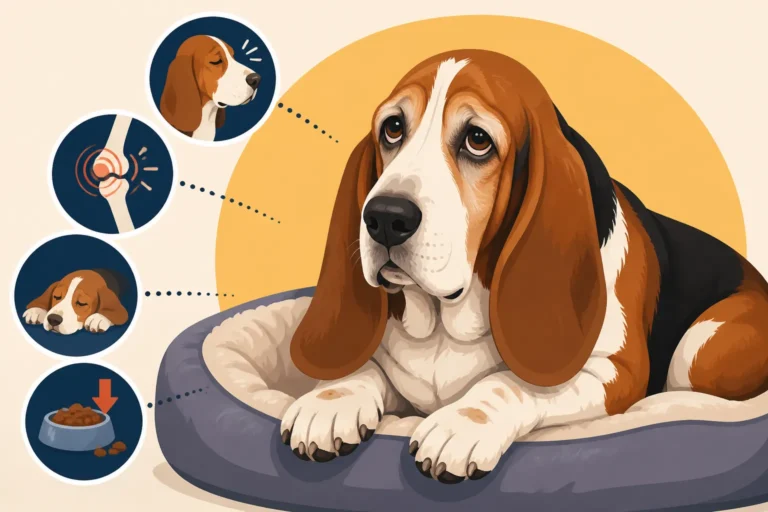
The iconic long, heavy ear flaps of a Basset Hound, while undeniably charming, create a perfect microclimate for all sorts of unwelcome guests. Unlike dogs with prick ears that allow for ample airflow, a Basset's ears hang low and seal off the ear canal. This lack of ventilation means moisture and warmth get trapped inside, making it an ideal breeding ground for bacteria and yeast. It’s like a tiny, damp greenhouse right next to their eardrum.
Beyond the external flap, the internal ear canal itself is another challenge. Basset Hounds have a notoriously narrow and winding ear canal, making it difficult for natural debris and foreign bodies to exit. This complex structure, combined with excessive hair in some individuals, means that wax, dirt, and moisture can easily accumulate deep within the ear. It’s no wonder that many Basset owners feel like they’re constantly battling an uphill struggle, trying to keep those canals clear. This inherent design is why you often hear discussions about why a Basset Hound's ear canal never dries.
Adding to this, many Basset Hounds produce a significant amount of ear wax naturally. This wax, while protective in moderation, can quickly become a problem when it combines with trapped moisture and poor airflow. Over time, this buildup creates a rich environment for opportunistic infections to take hold. It's a frustrating cycle for owners, and it's why proactive and consistent ear care isn't just a suggestion, but a necessity for Basset Hounds.
The Different Types of Ear Gunk
When you peer into your Basset Hound's ear, or perhaps get a whiff of that tell-tale odor, you might notice different kinds of discharge. Recognizing what you're seeing (or smelling) can give you a clue as to what kind of invader you're dealing with, though a vet diagnosis is always best. Understanding these differences helps in choosing an appropriate cleaner.
One common culprit is yeast. A yeast infection, often caused by Malassezia pachydermatis, typically manifests as a dark brown, waxy discharge that has a distinct, sweet, often pungent smell, sometimes described as similar to stale bread or corn chips. Your Basset Hound might also be shaking its head a lot or scratching vigorously at the affected ear. This type of gunk thrives in warm, moist environments, which, as we've discussed, is pretty much the default setting for a Basset's ear.
Bacterial infections are another frequent issue, and they can produce a range of discharges. You might see yellow, green, or even pus-like discharge, often accompanied by a foul, cheesy, or truly unpleasant odor. The ear itself might be red, swollen, and painful to the touch. It's important to remember that bacterial infections often occur alongside or as a secondary problem to yeast infections, making identification by smell or sight alone tricky. Only a vet can truly determine Whether Yeast or Bacteria Is in a Basset Hound's Ear through cytology.
Finally, there’s just regular old ear wax and dirt. Even in healthy Basset Hounds, some accumulation of brown, reddish-brown, or blackish wax is normal. This is usually dry or slightly waxy, and doesn't have a strong, offensive odor, though it can pick up a slight mustiness if it’s been sitting there for a while. If you see a lot of this, but no redness, swelling, or bad smell, it might just be time for a routine cleaning. However, if this normal wax builds up excessively, it can also set the stage for future infections.
Key Ingredients to Look for in a Basset Hound Ear Cleaner
Choosing an ear cleaner isn't just about grabbing the first bottle you see on the shelf. The ingredients within the solution are what truly make a difference for your Basset Hound's sensitive ears. It’s about finding a balance of effectiveness without being overly harsh.
Antiseptic and Antifungal Components
For Basset Hounds, whose ears are prone to infections, antiseptic and antifungal ingredients are often your best friends in an ear cleaner. These active components directly target the microorganisms that cause trouble, helping to keep their numbers in check and prevent full-blown infections from taking root.
Chlorhexidine is a powerful antiseptic that works against both bacteria and yeast. It's a common ingredient in many veterinary-grade ear cleaners because it has a broad spectrum of activity and a good residual effect, meaning it continues to work for a period after application. If your Basset tends to get recurring infections, especially those with bacterial components, a cleaner containing chlorhexidine can be incredibly effective. It helps to sterilize the canal and reduce the microbial load, giving the ear a chance to heal.
Ketoconazole and Miconazole are specifically antifungal agents, making them excellent choices if yeast is the primary issue. As we discussed, yeast infections are incredibly common in Bassets due to their ear anatomy. Using a cleaner with one of these ingredients can directly address the yeast overgrowth, helping to alleviate that characteristic "corn chip" smell and waxy discharge. Sometimes, a cleaner might combine an antiseptic like chlorhexidine with an antifungal like ketoconazole, offering a powerful one-two punch against mixed infections.
Salicylic acid and acetic acid (vinegar-like smell) are also common and effective. Salicylic acid helps to break down wax and debris, making it easier to clean out the ear, while also having mild antibacterial properties. Acetic acid, or white vinegar in a diluted form, is a natural antifungal and helps to acidify the ear canal, creating an environment less hospitable for yeast and bacteria. Many commercially available ear cleaners leverage these acids for their cleaning and preventative properties.
Drying Agents and pH Balancers
Given the Basset Hound's propensity for moisture retention in their ears, incorporating drying agents and pH balancers into their ear cleaning routine is absolutely vital. Simply cleaning isn't enough; you need to ensure the environment inside the ear canal isn't conducive to new growth.
Drying agents work by helping to evaporate excess moisture from the ear canal, which is particularly important after baths, swims, or even just in humid weather. Ingredients like boric acid and isopropanol (rubbing alcohol) are often used for this purpose. Boric acid is a gentle drying agent and also has mild antiseptic properties, making it a double threat against potential problems. Isopropanol can be more irritating to already inflamed ears, so it's often used in less concentrated forms or in preventative cleaners. Always be cautious with alcohol if your Basset’s ears are already red or sore.
pH balancers are equally important because the natural pH of a healthy ear canal helps to keep microorganisms at bay. When the ear becomes too alkaline, yeast and bacteria can flourish. Many ear cleaners aim to slightly acidify the ear canal, creating an environment where these unwelcome guests struggle to thrive. Ingredients like acetic acid (as mentioned before) and citric acid contribute to this pH balance, making the ear a less inviting place for infections to take hold. This proactive approach helps to break the cycle of recurring ear problems, which is often a major source of frustration for Basset Hound owners.
Without proper drying and pH management, even the most effective antiseptic cleaners might only offer temporary relief, as the underlying conditions that promote infection will persist. It’s a bit like continuously bailing water out of a leaky boat without patching the holes – you need to address the root cause of the dampness. Consistently using a cleaner with these properties can dramatically reduce the frequency and severity of ear issues for your Basset, making their ears much more comfortable in the long run.
Soothing and Anti-Inflammatory Additives
When your Basset Hound's ears are already inflamed, red, and itchy from an infection or irritation, the last thing you want to do is use a cleaner that stings or causes further discomfort. This is where soothing and anti-inflammatory additives become incredibly important, providing much-needed relief while the active ingredients do their work.
Ingredients like aloe vera, chamomile extract, and oatmeal extract are commonly found in ear cleaners designed to be gentle and calming. Aloe vera is well-known for its soothing properties, helping to reduce redness and irritation. Chamomile and oatmeal can also provide a calming effect on inflamed skin, making the cleaning process less stressful for your Basset Hound. These natural additives can help to take the edge off the discomfort, which is a huge bonus when you’re trying to manage a painful ear.
For more severe inflammation, your veterinarian might prescribe an ear cleaner or medication that includes a mild corticosteroid, such as hydrocortisone. These are prescription-only because corticosteroids are potent anti-inflammatory agents that can quickly reduce swelling and itching. However, they should only be used under veterinary guidance, as prolonged or incorrect use can have side effects. If your Basset is shaking its head constantly and crying when you touch its ear, a vet-prescribed solution with anti-inflammatory properties might be necessary to break the cycle of pain and irritation before you can move to maintenance.
Ultimately, the best cleaner for an irritated ear will strike a balance: it needs to effectively tackle the underlying problem (bacteria or yeast) while simultaneously providing comfort. Discussing your Basset's specific symptoms with your vet is key to finding a cleaner that won't exacerbate the problem but will instead contribute to a quicker, more comfortable recovery. It’s about choosing a product that not only cleans but also cares for their delicate ear tissue.
Common and Recommended Ear Cleaner Types for Basset Hounds
Navigating the multitude of ear cleaners available can be daunting. There's a big difference between something you pick up at the pet store for a quick clean and a prescription solution for a serious infection. Knowing when and how to use each type is crucial for your Basset Hound's ear health.
OTC Solutions for Routine Cleaning and Mild Issues
For most Basset Hound owners, over-the-counter (OTC) ear cleaners are the workhorses of their routine ear care. These are the products you reach for to keep those long ears healthy, preventing the build-up that leads to bigger problems. They are generally formulated for maintenance and for addressing very mild, early-stage irritations before they escalate into full-blown infections.
When choosing an OTC cleaner, look for formulations that emphasize gentle cleaning, wax dissolution, and a balanced pH. Many excellent options contain ingredients like salicylic acid, malic acid, or lactic acid to help break down wax, and mild drying agents such as boric acid. Brands like Epi-Otic Advanced Ear Cleaner, Vet's Best Ear Relief Wash + Dry, or Zymox Ear Cleanser are popular choices among Basset owners. These are designed to be used regularly, often once or twice a week, to flush out debris and maintain a healthy ear environment, especially if your Basset has a history of mild recurrent issues. Consistency is truly key here; it's much easier to prevent a problem than to treat one.
Remember, even with a great OTC cleaner, close observation is necessary. If you notice any signs of discomfort, strong odors, excessive discharge, or if the ear appears red and swollen, an OTC solution might not be enough. These cleaners are fantastic for proactive care and for minor maintenance, but they are not a substitute for veterinary attention when a true infection has taken hold. A diligent routine can often reduce the need for more intensive treatments down the line, saving both you and your Basset a lot of stress (and potentially significant vet bills, though many pet owners find that Healthy Paws pet insurance can help with these unexpected costs).
Prescription Cleaners for Stubborn Infections
Sometimes, despite your best efforts with routine cleaning, your Basset Hound’s ears will succumb to a stubborn infection. This is where prescription-strength ear cleaners and medications, available only through your veterinarian, come into play. These aren't just stronger versions of OTC products; they're specifically formulated to tackle active, often severe, bacterial or yeast infections that have already taken hold and are causing significant discomfort.
When your Basset Hound presents with clear signs of an infection – intense scratching, head shaking, crying when the ear is touched, a truly foul odor, or visible pus-like discharge – a vet visit is absolutely non-negotiable. Your veterinarian will likely take a swab of the ear discharge to perform cytology (looking at the cells under a microscope) to identify whether yeast, bacteria, or a combination is present, and sometimes a culture to determine the specific type of bacteria and which antibiotics will be most effective. This targeted approach is crucial because using the wrong type of medication can worsen the problem or lead to antibiotic resistance.
Prescription cleaners often contain higher concentrations of powerful antimicrobial agents like chlorhexidine, miconazole, or clotrimazole, sometimes combined with antibiotics (e.g., gentamycin, neomycin) and/or corticosteroids (e.g., hydrocortisone) to reduce inflammation and pain. Examples include products like Otomax, Surolan, or Claro. These are not typically used for routine cleaning, but rather as a focused course of treatment for a diagnosed infection. Your vet will provide specific instructions on how long and how often to use them, which is vital to ensure the infection is completely cleared. Stopping treatment too early is a common mistake that can lead to rapid recurrence.
What to Avoid
Just as important as knowing what to use is knowing what not to use in your Basset Hound's ears. The delicate environment of the ear canal can be easily damaged or irritated by inappropriate products, potentially making existing problems worse or creating new ones. When you're dealing with the unique challenges of Basset ears, caution is always the best policy.
Firstly, avoid using hydrogen peroxide or rubbing alcohol (isopropanol) directly in the ear canal as a routine cleaner. While these might be fine for disinfecting superficial cuts on skin, they are too harsh for the sensitive tissues lining the ear canal. Hydrogen peroxide can bubble and fizz, which might seem like it's cleaning, but it can also irritate the delicate ear canal, and in some cases, it can damage healthy cells, slowing down healing. Alcohol, especially undiluted, can be extremely drying and painful, particularly if the ear is already inflamed or has open sores. Imagine putting alcohol on a cut – that's what your Basset Hound might be feeling.
Secondly, never use cotton swabs (Q-tips) to clean inside your Basset Hound's ear canal. This is a common mistake, but it's incredibly dangerous. Cotton swabs tend to push wax and debris further down into the ear canal, compacting it against the eardrum. This can not only worsen blockages but also potentially damage the eardrum itself. The Basset's narrow, winding ear canal makes this risk even greater. For cleaning visible parts of the outer ear and the folds, cotton balls or gauze wrapped around your finger are much safer options.
Finally, don't use ear cleaners formulated for humans, or home remedies like undiluted vinegar or essential oils, without veterinary approval. Human ear drops are often formulated for different ear canal structures and pH levels, and some ingredients can be toxic to dogs. While diluted white vinegar can be part of a vet-approved cleaning regimen for its acidifying properties, using it undiluted or in incorrect proportions can be irritating. Essential oils can be toxic if ingested (which is likely in an ear cleaner) and can cause severe irritation or allergic reactions in dogs. Always stick to products specifically designed and proven safe for canine ears, and always consult your vet if you're unsure. Taking shortcuts or trying unproven remedies can lead to far more costly and painful problems down the road, and pet insurance like Healthy Paws can be a great help when unexpected complications arise.
The Art of Proper Ear Cleaning for a Basset Hound
Cleaning a Basset Hound's ears isn't just about pouring liquid in; it's a careful, deliberate process that, when done correctly and consistently, can make a world of difference in their comfort and health. It’s a ritual that many Basset owners become intimately familiar with, and mastering it helps avoid the dreaded "ear infection dance."
Step-by-Step Cleaning Process
Performing a proper ear cleaning can seem intimidating, especially with a wiggly Basset Hound. However, with a calm approach and the right technique, it becomes much easier for both of you. The goal is to flush out debris and cleaner gently, not to scrub or irritate the sensitive ear canal.
-
Gather Your Supplies: Before you begin, have everything ready: your chosen Basset Hound ear cleaner, plenty of cotton balls or gauze pads, and some treats for positive reinforcement. A towel around your Basset's neck can also help catch any splashing. It’s a good idea to set up in an easy-to-clean area, like a bathroom or outdoors, because it can get a little messy.
-
Lift and Inspect: Gently lift your Basset's long ear flap to expose the opening of the ear canal. Take a moment to inspect the visible parts. Are they red? Is there a strong odor? What kind of discharge do you see? This initial assessment helps you gauge the current state of their ear. If you see signs of severe pain, excessive swelling, or an unusually bad smell, it's often best to pause and consult your vet before proceeding with cleaning, as you don't want to cause further distress to an already painful ear. Teaching your Basset to tolerate this handling from a young age, as discussed in Getting a Basset Hound Used to Ear Handling as a Puppy, is incredibly beneficial.
-
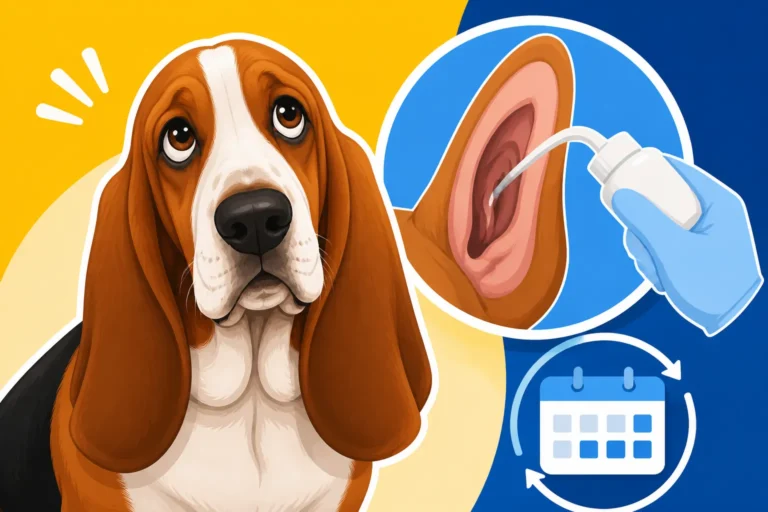
Apply the Cleaner: Hold the ear flap up and carefully insert the tip of the ear cleaner bottle into the opening of the ear canal. Squeeze a generous amount of the cleaner into the canal until it's full. Don't be shy; you need enough liquid to really flush things out. Your Basset might object a little, but reassure them gently. The cleaner needs to reach deep into the winding canal to do its job effectively.
-
Massage the Base of the Ear: This is a crucial step. With the cleaner in the ear, gently but firmly massage the base of your Basset's ear for about 20-30 seconds. You should hear a squishy, slurping sound, which confirms that the cleaner is moving around deep inside the canal and breaking up wax and debris. This massage helps the cleaning solution distribute thoroughly and dislodge any stubborn gunk.
-
Allow Your Basset to Shake It Out: After massaging, stand back and allow your Basset Hound to shake its head vigorously. This is a natural reaction, and it's actually part of the cleaning process! The shaking helps to propel the loosened wax and excess cleaner out of the ear canal. Be prepared for a spray of liquid, which is why that towel or outdoor location comes in handy.
-
Wipe the Visible Areas: Once your Basset has finished shaking, use a fresh cotton ball or gauze pad to gently wipe away any visible discharge, wax, and excess cleaner from the outer ear flap and the immediate entrance to the ear canal. Remember, only clean as far as your finger can comfortably reach – never insert anything into the canal itself. Continue wiping with fresh cotton balls until no more debris comes out. Reward your patient Basset with a treat and praise! This whole process should be done on both ears, even if only one seems problematic, as problems often occur bilaterally.
Frequency and Observation
Consistency is the absolute bedrock of Basset Hound ear care. It's not a "when I remember" task; it needs to be part of a regular health routine to keep those floppy ears from becoming a source of constant discomfort for your beloved hound.
For most Basset Hounds, a routine cleaning schedule of once or twice a week is often recommended by veterinarians, especially if your dog is prone to recurring infections. This frequency helps prevent wax and moisture from building up to problematic levels. If your Basset Hound loves to swim or frequently gets its ears wet, you might need to clean them more often, ideally right after exposure to water, as discussed in Whether a Basset Hound's Ears Should Be Dried After Swimming. Some Bassets with perfectly healthy ears might only need cleaning every two weeks, but it's always better to err on the side of caution with this breed.
However, frequency isn't the only factor; constant observation is paramount. You need to become intimately familiar with what your Basset's healthy ears look and smell like. Make it a habit to lift those long ears and take a peek inside every few days, even if you're not cleaning them. Look for any changes in color (redness), texture (swelling), or discharge. Pay close attention to the smell – a healthy ear should have minimal to no odor. If you notice a sudden increase in head shaking, pawing at the ears, a foul odor, or any unusual discharge (yellow, green, dark brown and excessive), it's time to stop the routine cleaning and call your vet. These are clear indicators of The Signs a Basset Hound's Ear Has Gone Bad and likely signal an active infection that requires professional medical attention rather than just a simple cleaning. Early intervention can prevent a mild irritation from escalating into a painful, chronic condition.
| Ingredient Category | Common Ingredients | Primary Function | When It's Most Useful |
|---|---|---|---|
| Antiseptics | Chlorhexidine, Povidone-Iodine (diluted), Gentian Violet | Kills bacteria and some yeast | Active bacterial infections, mixed infections, preventative for recurrent issues |
| Antifungals | Ketoconazole, Miconazole, Acetic Acid (vinegar) | Kills yeast | Yeast infections (dark, waxy, "corn chip" smell), preventative for yeast |
| Ceruminolytics | Salicylic Acid, Lactic Acid, Malic Acid | Breaks down ear wax and debris | Excessive wax buildup, routine cleaning, preparing for medication |
| Drying Agents | Boric Acid, Isopropanol (alcohol), Witch Hazel | Evaporates moisture, helps prevent microbial growth | After swimming/bathing, in humid climates, preventative for moisture-prone ears |
| pH Balancers | Acetic Acid, Citric Acid | Creates an acidic environment, inhospitable to bacteria/yeast | Preventative care, managing recurring infections |
| Soothing/Anti-inflammatory | Aloe Vera, Chamomile, Hydrocortisone (prescription) | Reduces redness, itching, and swelling | Irritated ears, during active infections (especially with inflammation) |
Regular inspections and prompt action are your best tools in managing your Basset Hound’s ear health. This ongoing vigilance, coupled with a consistent and appropriate cleaning regimen, is what ultimately helps these wonderful hounds live comfortably and avoid the misery of chronic ear infections. It’s an investment of time and care, but one that is absolutely worth it for your furry friend. If you ever feel overwhelmed by the process, remember that pet insurance providers like Healthy Paws offer coverage for chronic conditions, which can be a huge relief if your Basset Hound requires ongoing veterinary intervention.
Disclaimer
The information provided in this article is for general informational purposes only and is not a substitute for professional veterinary advice. Always consult with a qualified veterinarian for any health concerns or before making any decisions related to your pet's care.