The Signs a Basset Hound Is Getting Old
It’s a tough reality to face, but our beloved Basset Hounds, with their soulful eyes and floppy ears, don't stay puppies forever. Witnessing the subtle shifts as they gracefully enter their senior years can be heartbreaking, and it often leaves us wondering if what we're seeing is just normal aging or something more serious. This comprehensive guide is here to help you understand the common signs of aging in your Basset Hound, giving you the knowledge to support them through their golden years with love and informed care.
Physical Changes You Can See and Feel
As our Basset Hounds grow older, their bodies inevitably undergo changes, much like ours do. These aren't always dramatic, but paying close attention to these physical shifts can help you understand their evolving needs.
The Graying Muzzle and Clouding Eyes
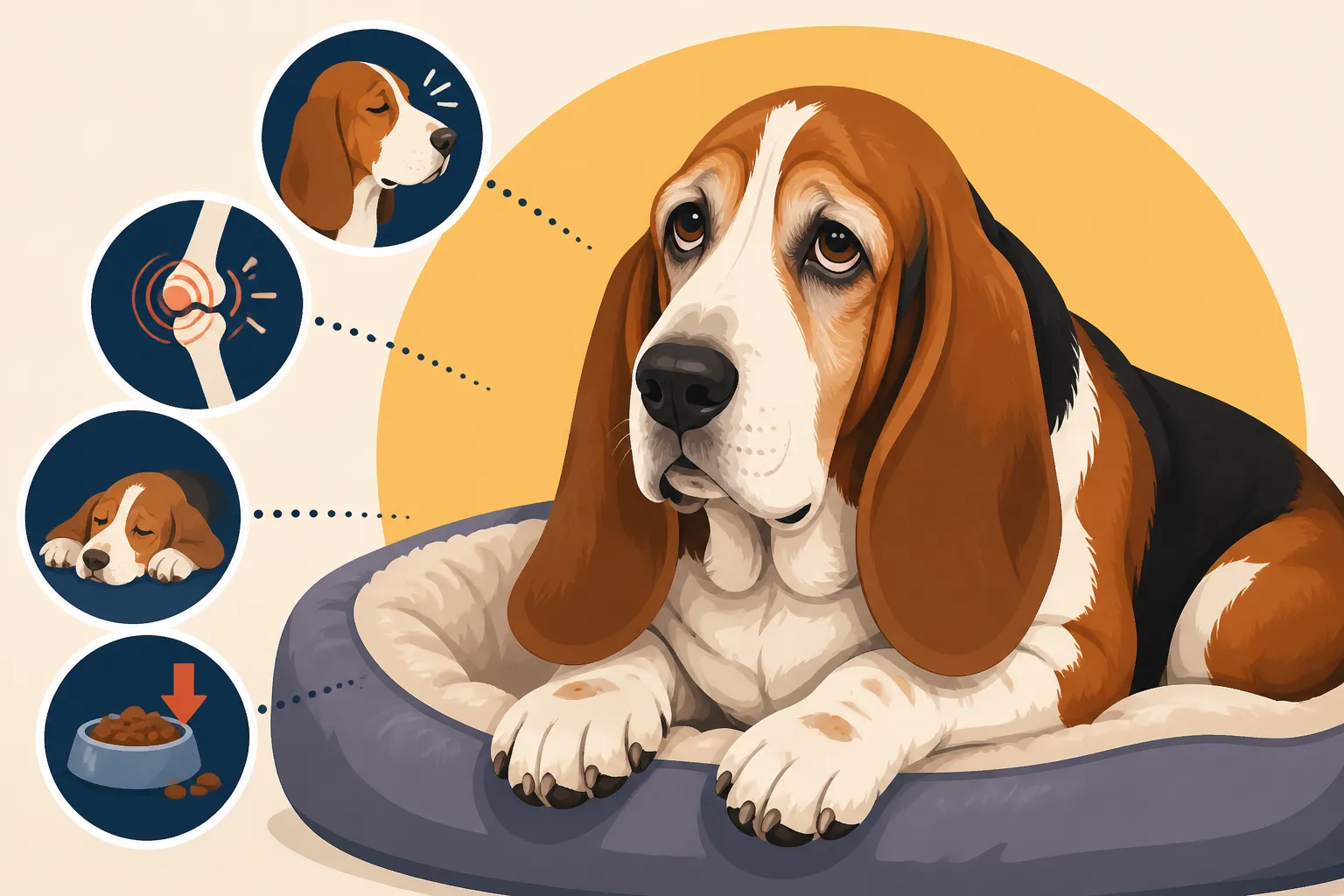
One of the most universally recognized signs of an aging dog is the gradual silvering around their muzzle, eyes, and sometimes their paws. This transformation from their youthful coat color to a distinguished gray is usually a purely cosmetic sign that time is passing. It's a sweet, gentle reminder of all the years you've shared. However, while the gray fur is nothing to worry about, changes in their eyes warrant closer attention.
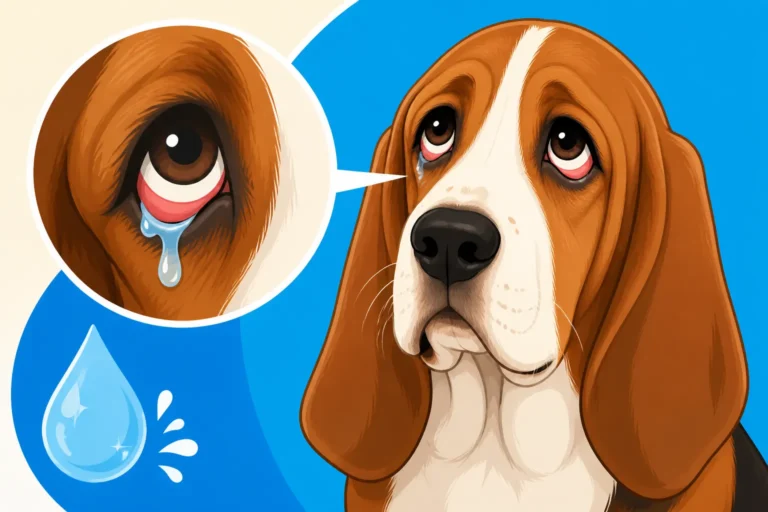
You might notice a bluish, hazy film developing over their pupils. This is often lenticular sclerosis, a common and generally harmless age-related change where the lens of the eye hardens. While it can make their vision slightly less sharp, it's usually not painful or significantly debilitating. However, it’s crucial not to confuse this with more serious conditions like glaucoma or cataracts. True cataracts involve opaque clouding that obstructs vision more severely, and glaucoma, which Basset Hounds are prone to, involves increased pressure in the eye that can lead to blindness if untreated. A vet check-up is essential to differentiate between these conditions and ensure your Basset Hound's eye comfort and vision are preserved as much as possible. Keeping an eye out for these changes can help you address potential issues early. For example, knowing what The Glaucoma a Basset Hound Inherits looks like can be a lifesaver.
Stiffness in Movement and Gait Changes
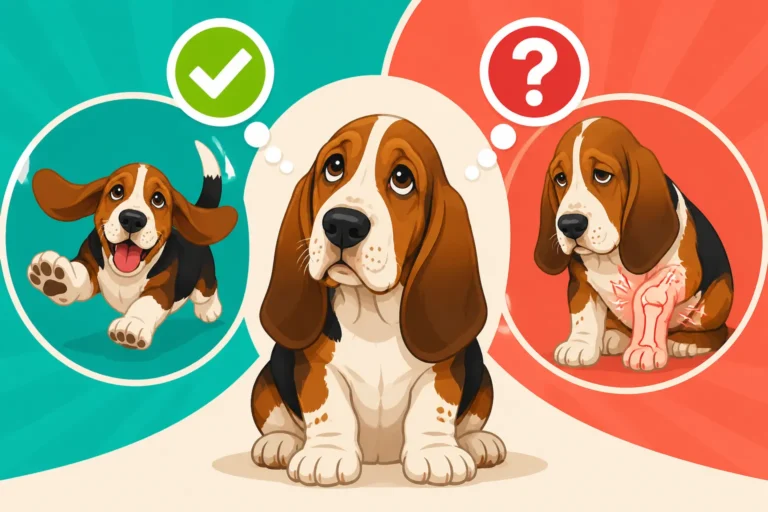
That characteristic Basset Hound waddle might become a bit more pronounced, or you might notice them moving a little slower than they used to. They might struggle to get up from a lying position, hesitate before jumping onto the couch (which, let's be honest, they shouldn't be doing anyway without assistance!), or take longer on walks. This stiffness is a very common sign of aging, often due to arthritis or other joint issues, which are unfortunately prevalent in breeds like Bassets with their unique skeletal structure.
Their short legs and long backs make them susceptible to joint wear and tear, and conditions like Arthritis in a Basset Hound at Seven are not uncommon. You might notice them favoring a limb, having trouble with stairs, or becoming reluctant to engage in activities they once loved. The key here is not to dismiss it as "just old age." While age is a factor, discomfort doesn't have to be. There are many ways to manage arthritis pain, from supplements and anti-inflammatory medications to physical therapy. Observing when and how their movement changes can provide valuable information for your vet, helping them tailor a pain management plan that keeps your Basset as comfortable and mobile as possible for as long as possible. Providing soft, supportive bedding and using ramps can also make a huge difference, especially for The Old Basset Hound That Cannot Get Off the Floor.
Weight Fluctuations and Body Condition
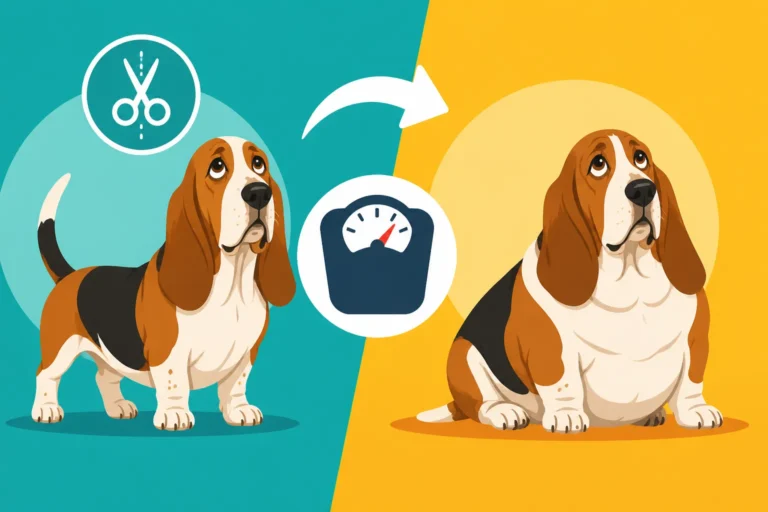
As Basset Hounds age, their metabolism often slows down, and their activity levels may decrease. This combination can lead to weight gain, even if their diet hasn't changed. Carrying extra pounds puts undue strain on their already susceptible joints and spine, exacerbating conditions like arthritis and making movement even more difficult. It's a vicious cycle where discomfort leads to less movement, which leads to more weight. We’ve explored in detail What Extra Weight Does to a Basset Hound, and the consequences can be profound.
Conversely, some older Basset Hounds might start losing weight unintentionally. This can be a sign of underlying health issues like dental problems that make eating painful, digestive disorders, or even more serious systemic diseases. Monitoring your Basset’s weight and body condition regularly is vital. You should be able to easily feel their ribs without pressing too hard, and they should have a discernible waist when viewed from above. If you notice significant weight changes, either up or down, without a change in diet or exercise, it's definitely time for a vet visit. They can rule out medical causes and help you adjust their diet to maintain a healthy weight.
Behavioral Shifts and Personality Quirks
Beyond the obvious physical changes, aging can bring about subtle yet significant shifts in your Basset Hound's behavior and personality. These changes can be just as important to recognize as the physical ones.
Changes in Energy Levels and Sleep Patterns
The boundless, albeit slow, energy of a younger Basset Hound often mellows with age. You might find your senior hound sleeping more throughout the day, taking longer naps, and generally being less inclined to romp and play. While this can be a normal part of aging, a sudden or dramatic drop in energy could also signal pain, heart problems, or other medical issues.
Conversely, some older Basset Hounds may experience disrupted sleep cycles. They might be restless at night, pacing, whining, or even barking, then sleep more during the day. This can be a sign of cognitive dysfunction syndrome (CDS), often referred to as "doggy dementia." They might seem confused, forget commands, or even appear disoriented in familiar surroundings. If you notice these kinds of changes, it's worth discussing with your veterinarian. There are medications and lifestyle adjustments that can help manage CDS symptoms and improve their quality of life, and sometimes even yours if you're losing sleep!
Increased Vocalization or Anxiety
Some Basset Hounds become more vocal as they age. They might bay more frequently, whine without an apparent reason, or bark at things that never bothered them before. This can stem from discomfort, confusion related to CDS, or increased anxiety. As their senses decline, the world can become a more confusing and potentially frightening place.
You might also observe signs of increased anxiety, such as restlessness, pacing, destructive behaviors (even if they were never destructive before), or excessive panting. They might become clingier, wanting to be near you constantly, or the opposite, withdrawing and seeking solitude. Changes in routine can be particularly upsetting for senior Bassets. Understanding whether this is due to pain, sensory decline (like Whether an Old Basset Hound Goes Deaf), or cognitive changes is crucial. Your vet can help differentiate these and suggest strategies, which might include medication, environmental adjustments, or calming aids, to help your Basset feel more secure and comfortable.
Altered Social Interactions
The charming, laid-back demeanor of a Basset Hound usually endures, but aging can sometimes alter their social interactions. They might become less tolerant of boisterous children or other pets, simply because they're more easily startled, in pain, or have less patience. They might prefer quiet companionship over active play.
On the other hand, some Bassets might become more affectionate and needy, seeking comfort and reassurance more often. It’s important to respect their changing boundaries and provide a safe, quiet space where they can retreat if they feel overwhelmed. Observe their cues carefully – a subtle shift in body language, a slight growl, or a retreat can tell you a lot about their comfort level. Adjusting interactions to suit their aging temperament helps maintain a harmonious household and ensures they feel loved and respected.
Subtle Health Indicators Not to Miss
Many of the most significant health changes in older Basset Hounds are not immediately obvious. These subtle indicators often require careful observation and regular check-ups to catch early.
Changes in Appetite, Thirst, and Elimination
Any noticeable change in your Basset Hound's eating or drinking habits should be investigated. A sudden increase in thirst and urination, for instance, can be a symptom of kidney disease, diabetes, or even Cushing's disease, all of which can affect older dogs. Conversely, a decreased appetite could be due to dental pain, nausea, or a symptom of various internal illnesses. If they start eating less, it could be a sign of Whether a Basset Hound Gets Dental Disease, which is incredibly common in older dogs and often painful.
Incontinence, whether it's leaking urine while sleeping or having accidents in the house, is another common concern for senior Bassets. While it can be a sign of a weakening bladder sphincter (especially in spayed females), it can also indicate urinary tract infections, kidney disease, or even neurological issues impacting bladder control. Don't scold your aging Basset for accidents; it's almost always a medical issue, not a behavioral one. Keep a log of these changes for your vet, as it provides crucial diagnostic clues.
Skin and Coat Changes and New Lumps
As Basset Hounds age, their skin can become thinner, less elastic, and their coat might lose some of its luster, becoming duller or coarser. You might also notice an increase in benign skin tags or warts. However, it's crucial to regularly check for new lumps or bumps during your routine petting sessions. Many lumps are harmless fatty tumors (lipomas), but some can be cancerous.
Early detection of cancerous growths significantly improves the prognosis. Pay attention to any lump that grows quickly, changes shape or color, or seems to bother your dog. Don't assume it's "just an old dog lump." If you find something new, mention it to your vet. Regular grooming and tactile checks are your best tools for monitoring your Basset's skin health. This is particularly true for Basset Hounds, who also have The Skin Under a Basset Hound's Folds which can be prone to other issues.
Dental Health and Bad Breath
Many owners underestimate the impact of dental health on an aging dog's overall well-being. Chronic bad breath is not normal, it's usually a sign of significant dental disease, including gum inflammation, infection, and rotten teeth. This can be incredibly painful, making eating difficult, and leading to other systemic health problems as bacteria from the mouth enter the bloodstream.
As mentioned earlier, a decreased appetite or reluctance to chew hard food can be a direct result of dental pain. Regular professional dental cleanings under anesthesia become even more important as your Basset ages. While it might seem like a big procedure for an older dog, the benefits of removing sources of pain and infection often far outweigh the risks. Discussing your Basset's dental health at every vet visit is essential.
When to Talk to Your Vet About Aging
Understanding the signs of aging is the first step, but knowing when to seek professional advice is equally critical. Proactive veterinary care is paramount for senior Basset Hounds.
The Importance of Senior Check-ups
Just like humans, older Basset Hounds benefit significantly from more frequent veterinary check-ups. Instead of yearly visits, your vet might recommend twice-yearly appointments once your Basset reaches their senior years (typically around 7-8 years old for Basset Hounds, given The Ten to Twelve Years a Basset Hound Lives). These regular visits allow your vet to catch subtle changes early, before they become major problems.
During these check-ups, your vet will perform a thorough physical exam, often including blood work and urinalysis, to assess organ function, check for underlying diseases like Signs a Basset Hound's Thyroid Has Failed, and screen for issues that might not be apparent from the outside. These tests can reveal conditions like kidney disease, liver issues, diabetes, or thyroid problems long before your Basset shows obvious symptoms, allowing for earlier intervention and better management.
Discussing Quality of Life and Pain Management
One of the most important conversations you’ll have with your vet as your Basset Hound ages is about their quality of life. This can be a difficult topic, but your vet is there to help you objectively assess your dog's comfort, happiness, and ability to engage in activities they enjoy. They can also provide guidance on managing chronic pain, which is a common companion to old age.
Pain management might involve a combination of approaches:
- Medications: Non-steroidal anti-inflammatory drugs (NSAIDs) like Galliprant or Carprofen are common for arthritis. Other pain relievers such as gabapentin may also be used.
- Supplements: Glucosamine, chondroitin, and omega-3 fatty acids can support joint health. Brands like Cosequin and Dasuquin are popular choices.
- Physical Therapy: Techniques like hydrotherapy, therapeutic exercises, and acupuncture can improve mobility and reduce pain.
- Environmental Adjustments: Ramps, orthopedic beds, and non-slip mats can make your home more accessible and comfortable for your aging Basset.
Don't hesitate to advocate for your Basset's comfort. If you notice them struggling to stand or their walks are becoming difficult, remember that Whether an Old Basset Hound Struggles to Stand is a sign that they need help, not just a fact of life. Asking about options and making a plan with your vet is crucial for helping your Basset enjoy their golden years to the fullest. This is also where pet insurance can be a huge relief. Companies like Healthy Paws can help manage the costs of ongoing treatments and unexpected senior health issues, allowing you to prioritize your dog's care without financial stress.
Planning for the Future and End-of-Life Decisions
While it’s a conversation no pet owner ever wants to have, it’s important to think about future care and, eventually, end-of-life decisions as your Basset Hound ages. This isn't about giving up, but about planning to ensure their dignity and comfort when the time comes. Your vet can guide you through this process, helping you understand when quality of life has diminished to a point where intervention is no longer beneficial.
Having these discussions in advance can alleviate some of the emotional burden when difficult choices need to be made. It allows you to make decisions from a place of love and foresight, rather than crisis. Understanding the trajectory of common age-related illnesses in Bassets and knowing what signs indicate severe distress can help you confidently say, "Knowing When an Old Basset Hound Has Had Enough". Remember, your vet is your partner in this journey, offering support and expertise every step of the way. When unexpected illnesses or injuries arise, having a robust pet insurance plan from a provider like Healthy Paws can also offer peace of mind, ensuring you can make decisions based on your Basset's best interest, not just your wallet.
| Sign of Aging | Typical Observation | When to Consult a Vet |
|---|---|---|
| Graying Muzzle | Gradual silvering around face/eyes. | Not usually vet-worthy on its own. |
| Clouding Eyes (Lenticular Sclerosis) | Bluish haze over pupils, minimal vision impact. | Immediately if accompanied by redness, pain, sudden vision loss, or rapid clouding (could be glaucoma/cataracts). |
| Stiffness / Slowing Down | Hesitation to rise, slower gait, less enthusiastic play. | If discomfort is evident (whining, limping), sudden changes, or reluctance to move. |
| Weight Changes | Gradual gain with decreased activity, or unexplained loss. | Unexplained weight loss, rapid weight gain, or if ribs are no longer easily felt. |
| Increased Sleep | Longer, more frequent naps during the day. | If accompanied by lethargy, confusion, or difficulty waking. |
| Restlessness / Night Waking | Pacing at night, waking frequently, appearing disoriented. | If sleep patterns are significantly disrupted, or signs of anxiety/confusion are present. |
| Increased Vocalization | More frequent barking, whining, or baying without cause. | If sudden, persistent, or accompanied by other signs of pain, confusion, or distress. |
| Changes in Thirst/Urination | Drinking more or less, increased urination, accidents. | Immediately if sudden or significant; can indicate kidney disease, diabetes, UTIs. |
| Decreased Appetite | Reluctance to eat, taking longer to finish meals. | If persistent for more than a day, accompanied by weight loss, vomiting, or lethargy. |
| New Lumps/Bumps | Any new growth on the skin. | Always mention new lumps to your vet, especially if growing rapidly or changing. |
| Bad Breath | Chronic, strong foul odor from the mouth. | If persistent; indicates dental disease, which can lead to pain and systemic health issues. |
Disclaimer
This article is intended for informational purposes only and does not constitute medical advice. Always consult with a qualified veterinarian for any health concerns or before making any decisions about your pet's health or treatment plan.