The Signs a Basset Hound’s Ear Has Gone Bad
Oh, the ears! If you're a Basset Hound owner, you know that their magnificent, trailing ears are both a defining characteristic and, let's be honest, a constant source of worry. It feels like one minute they're perfectly fine, and the next, your beloved hound is shaking their head furiously, leaving you wondering, "Is this just normal Basset stuff, or is something seriously wrong?" It's a common frustration, and understanding the subtle – and not-so-subtle – signs that your Basset Hound's ear has gone bad is crucial for their comfort and long-term health. This guide will walk you through everything you need to know to recognize trouble early and get your floppy-eared friend the help they need.
Understanding the Basset Hound's Unique Ear Challenge
Before we dive into the specific signs of trouble, it's really important to grasp why Basset Hounds are so prone to ear problems in the first place. It's not just bad luck; it's a design feature, unfortunately. Their ears are truly magnificent, but they come with their own set of inherent vulnerabilities that make them a prime breeding ground for infections.
The Anatomy of Trouble: Long, Droopy Ears
Let's be real, those long, velvety ears that drag on the ground and sweep up every scent are gorgeous, but they're also a perfect storm for ear issues. Unlike dogs with upright ears, a Basset Hound's ears hang heavy, effectively sealing off the ear canal from fresh air and light. This creates a warm, moist, dark environment – precisely what yeast and bacteria absolutely love to thrive in. Think of it like a tiny, humid greenhouse for microbes, constantly re-introducing whatever dirt, dust, and dampness they collect from sniffing around. This anatomical predisposition is why you'll often hear discussions about whether a Basset Hound's ear canal never dries. It's a battle against gravity and natural design.
Furthermore, the structure of the ear canal itself in Basset Hounds can be more convoluted than in other breeds. It's often narrow and L-shaped, making it difficult for natural debris to escape and for air to circulate freely. This means anything that gets in, whether it's water, dirt, or foreign material, tends to stay in, exacerbating the moist environment. It’s a constant challenge that requires vigilant care and attention from owners.
The Microclimate Inside the Ear Canal
Because of the enclosed nature of their ears, Basset Hounds live with a unique microclimate in their ear canals. This isn't just about moisture; it's also about heat. The lack of air circulation means that the temperature inside the ear stays consistently warm, further accelerating microbial growth. It's a far cry from the breezy, well-ventilated ears of a German Shepherd or a Corgi.
This persistent warmth and humidity make their ears particularly susceptible to overgrowth of normal ear flora, leading to infections. When this delicate balance is disrupted, either by an influx of new bacteria or yeast, or by an underlying issue that weakens the ear's natural defenses, an infection can take hold rapidly. Owners often wonder Whether Yeast or Bacteria Is in a Basset Hound's Ear, and it's this internal environment that often dictates which type of opportunistic organism decides to set up shop. This constant battle against ideal conditions for pathogens is why proactive care is so critical for Basset Hounds.
The Role of Allergies and Underlying Conditions
It's not just the shape of their ears that can cause problems; systemic issues like allergies play a huge, often underestimated, role in a Basset Hound's ear health. Many Basset Hounds suffer from environmental allergies (like pollen or dust mites) or food allergies, and one of the primary ways these allergies manifest is through skin inflammation, including the skin lining the ear canals.
When allergies flare up, the skin inside the ear becomes itchy, red, and swollen, which then produces more wax and creates an even more hospitable environment for infection. It's a vicious cycle: allergies lead to inflammation, inflammation leads to infection, and the infection makes the ear even more uncomfortable. Sometimes, even seemingly unrelated issues can contribute. For instance, Skin Fold Infections on a Basset Hound on other parts of their body might indicate a general predisposition to skin issues that extend to their ears. Treating an ear infection without addressing the underlying allergy is often like putting a band-aid on a gaping wound – it might help temporarily, but the problem will inevitably return. Owners should investigate Whether a Basset Hound Gets Allergies if ear issues are chronic.
Early Warning Signs You Can't Ignore
Catching an ear problem early is absolutely key to preventing it from becoming a full-blown, painful infection that requires more aggressive treatment. As a Basset Hound owner, you become a detective, constantly looking for subtle clues that something isn't quite right with your furry friend.
Changes in Behavior and Demeanor
One of the first indicators that your Basset's ears might be bothering them isn't always a direct ear symptom, but rather a change in their usual behavior. They might become more withdrawn, less playful, or just generally seem "off." Perhaps they're usually the first one at the door to greet you, but now they're lagging behind. Or maybe they're usually content to snooze, but you notice them shifting uncomfortably more often.
You might observe them being unusually restless, especially at night, as the itching and discomfort can make it hard for them to settle. Some Basset Hounds might even become a bit grumpy or irritable, snapping or growling if you accidentally touch their head or ears, which is completely out of character. This shift in personality, even if subtle, is often your Basset's way of telling you they're in pain or discomfort, and it's a huge red flag that warrants closer inspection.
Excessive Head Shaking and Scratching
This is probably one of the most obvious early signs, and it's something most Basset owners become acutely aware of. If your Basset Hound suddenly starts shaking their head much more frequently or vigorously than usual, it's a clear signal something is irritating their ears. It's not just an occasional shake; it's persistent, sometimes frantic, head-shaking.
Along with head shaking, you'll likely notice an increase in scratching. They might use a hind paw to scratch directly at their ear or rub their head along furniture, the carpet, or even against your leg, desperately trying to alleviate the itch. Over time, constant scratching can lead to further irritation, skin breaks, and even secondary infections on the outer ear flap. If you see them scratching and shaking, it’s definitely time to take a peek inside those long ears and consider Whether a Basset Hound Shakes Its Head Constantly.
Sensitivity Around the Ears
Your Basset Hound should generally tolerate you touching, petting, or even gently looking into their ears. If they suddenly become protective of their head or ears, flinching away, yelping, or even snapping when you get close, it’s a strong indication of pain or discomfort. This sensitivity can range from a slight withdrawal to outright aggression, depending on the severity of the issue and your dog’s pain tolerance.
They might also avoid certain positions, like lying on the side of the affected ear, or become hesitant when you attempt to clean their ears, even if they're usually cooperative. This reluctance to be touched or handled around the ears is a critical sign that an underlying problem is causing them distress. Always approach this situation gently and understand that their reaction is a response to pain, not defiance.
Visible and Tangible Indicators of Infection
Once you've noticed the behavioral shifts, it's time to get a good look at and even a gentle sniff of those ears. These physical signs often confirm what your Basset's behavior has been hinting at.
Unusual Discharge and Debris
When a Basset Hound's ear is healthy, you might see a small amount of light brown or reddish-brown waxy buildup, which is normal. However, if you start noticing an excessive amount of wax, or if the discharge changes in color and consistency, it's a clear sign of trouble. Common indicators include:
- Dark brown or black, crumbly discharge: This often resembles coffee grounds and is a classic sign of yeast infections.
- Yellow, green, or pus-like discharge: This usually points to a bacterial infection, and it can be quite sticky or gooey.
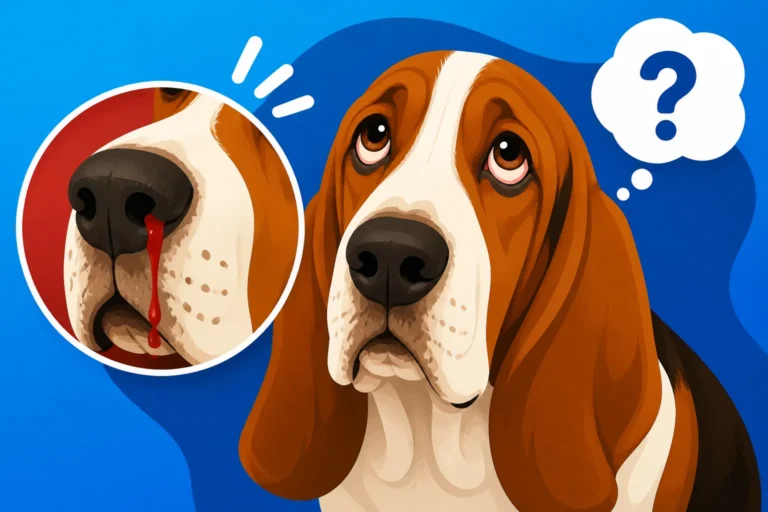
- Bloody discharge: While less common, bloody discharge can indicate trauma from scratching, polyps, or a more serious underlying issue.
You might also see dried crusts around the ear opening or matted hair on the inside of the ear flap, caused by the accumulating discharge. It’s important to remember that not all debris is normal, and any significant change in quantity or quality warrants attention. Taking a moment to understand What to Look For Inside a Basset Hound's Ear can really help here.
Distinctive Odors: Sweet, Sour, or Yeasty
One of the most unmistakable signs of an ear infection in a Basset Hound is a noticeable odor emanating from the ear. Healthy ears should have a very faint, almost neutral smell, or perhaps a slightly earthy scent. However, an infected ear will often have a strong, unpleasant aroma that you can detect even before you get close.
The type of odor can sometimes give you a clue about the kind of infection:
- Sweet, musty, or bread-like odor: This is very characteristic of a yeast infection. It's often described as a smell you'd find in a brewery or a damp basement.
- Foul, rotten, or pungent odor: This typically indicates a bacterial infection, which can produce a truly offensive smell.
It's a smell that, once you've experienced it, you won't forget. If you're wondering Whether a Basset Hound's Ear Smells Sweet or Sour, the answer is often "yes," depending on the culprit! This odor is a direct result of the metabolic byproducts of the microbes colonizing the ear canal.
Redness, Swelling, and Heat
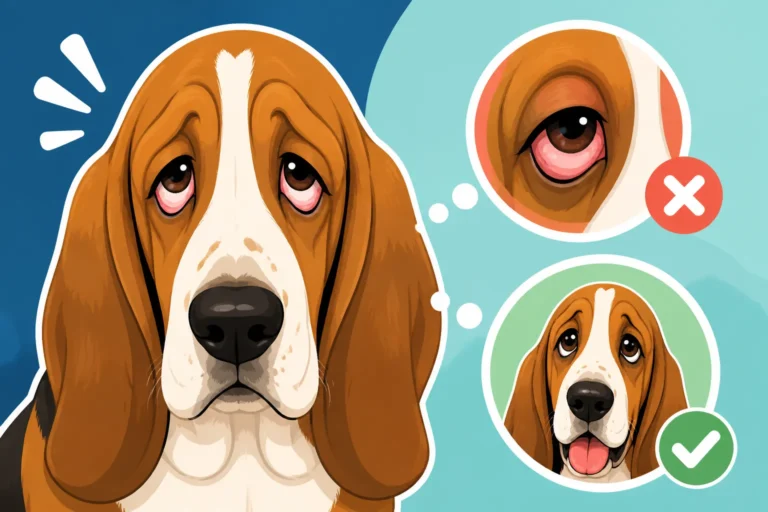
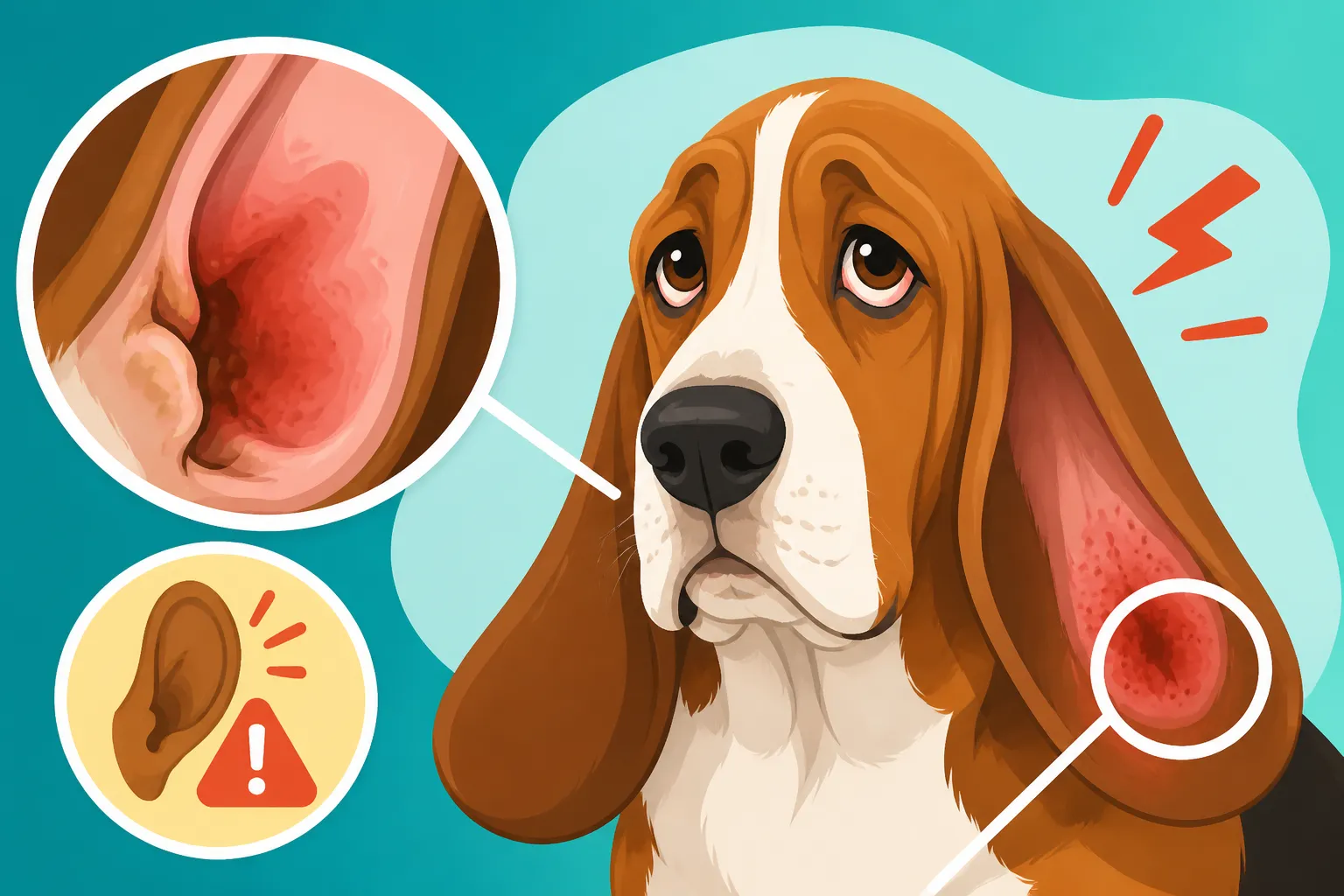
A quick visual inspection of the inside of your Basset's ear flap and as much of the ear canal as you can see without poking around can reveal a lot. Healthy ear skin should be a pale pink color. If you notice any of the following, it's a sign of inflammation or infection:
- Redness: The skin lining the ear canal and the inner ear flap may appear bright red or even purplish.
- Swelling: The ear canal tissues may look puffy or swollen, potentially even narrowing the canal opening.
- Heat: When you gently touch the outside of the ear flap near the base, it might feel noticeably warmer than the surrounding skin.
These signs indicate an inflammatory response, where the body is reacting to an irritant or an infection. Sometimes, the inflammation can be so severe that the ear canal itself becomes very narrow, making it even harder for medications to penetrate and for the ear to air out. If left untreated, chronic inflammation can lead to permanent changes in the ear canal, a condition often explored when discussing The Ear Infections That Never Really Leave a Basset Hound.
When to Seek Veterinary Help
Knowing when to call the vet is crucial. As a Basset owner, you'll probably get used to minor ear checks, but some situations demand immediate professional attention. Delaying treatment can lead to more serious, painful, and costly problems down the line.
Persistent or Worsening Symptoms
If you've noticed any of the early signs – head shaking, scratching, or sensitivity – and they persist for more than a day or two, or if they seem to be getting worse despite your best efforts at a gentle cleaning (if advised by your vet previously), it's definitely time to make an appointment. Don't fall into the trap of thinking it will just magically disappear. Basset Hound ears rarely just "clear up" on their own due to their anatomy.
A mild irritation can quickly escalate into a full-blown infection if the underlying cause isn't addressed or if the conditions for microbial growth continue. If you see the discharge changing, becoming more profuse, or the odor intensifying, these are clear signals that the problem is progressing and professional intervention is needed. This is particularly important because Whether a Basset Hound's Ear Infection Ever Clears without treatment is highly unlikely.
Signs of Pain or Distress
Any indication that your Basset Hound is in significant pain or distress warrants an immediate vet visit. This goes beyond mild discomfort and includes:
- Crying or yelping: If they vocalize when touching their ear or shaking their head.
- Lethargy: Being unusually tired, reluctant to move, or losing interest in activities they usually love.
- Loss of appetite: Refusing to eat or showing little interest in food.
- Tilting the head: Consistently holding their head to one side, favoring the unaffected ear.
- Difficulty hearing or disorientation: While less common in early stages, severe infections can impact hearing or balance, making them seem clumsy or confused.
These are all signs that your Basset is suffering, and a vet can provide pain relief and appropriate treatment to alleviate their discomfort. Remember, our Basset Hounds are often stoic, so if they're showing clear signs of pain, it's likely quite severe.
Emergency Situations: Aural Hematomas and More
While most ear infections aren't immediate emergencies, some situations require urgent veterinary care. One common emergency is an aural hematoma. This happens when repeated, vigorous head shaking (often due to an untreated ear infection) causes blood vessels in the ear flap to rupture, leading to a build-up of blood between the cartilage and skin of the ear flap. The ear will appear suddenly swollen, thick, and squishy, often resembling a pillow.
Aural hematomas are incredibly painful and require veterinary intervention, usually surgical, to drain the blood and prevent permanent disfigurement of the ear. Understanding What an Aural Hematoma Repair Costs on a Basset Hound can give you an idea of the expense involved.
Other emergencies include:
- Foreign objects: If you suspect something like a grass awn (foxtail) has entered the ear canal, which can cause intense pain and damage.
- Sudden onset of severe pain, disorientation, or balance issues: This could indicate an inner ear infection, which can be much more serious than an outer ear infection and sometimes affect neurological function.
In these cases, don't wait. Call your vet or an emergency veterinary clinic right away. This is also where having pet insurance like Healthy Paws can be a real lifesaver, helping to cover unexpected and often costly emergency treatments.
Common Misconceptions and What Not to Do
In the rush to help our Bassets, it's easy to fall prey to common misconceptions or try well-intentioned but ultimately harmful remedies. When dealing with a Basset's sensitive ears, a little knowledge can prevent a lot of harm.
Assuming It Will Clear Up On Its Own
This is perhaps the biggest mistake Basset Hound owners can make regarding ear problems. Given their unique ear anatomy, Basset Hounds are highly unlikely to "shake off" an ear infection. The dark, moist environment that facilitated the infection's start will continue to support its growth, often making it worse. What might start as a mild irritation can quickly become a deep, painful, chronic infection if left untreated.
Delaying professional treatment means allowing the infection to fester, causing more pain and potentially leading to complications like aural hematomas or even permanent damage to the ear canal, such as thickening and narrowing that makes future treatments even more difficult. It's far better to get it checked out early rather than waiting until your Basset is in agony and facing a more complex, expensive treatment plan. Many owners find that What Chronic Ear Treatment Costs a Basset Hound Owner can add up significantly if not addressed promptly.
Over-Cleaning or Using Incorrect Solutions
While regular ear cleaning is essential for Basset Hounds, over-cleaning or using the wrong products can actually exacerbate the problem. Aggressive cleaning can irritate the delicate skin of the ear canal, stripping away beneficial protective oils and causing inflammation. This, ironically, can make the ear more susceptible to infection.
Equally problematic is using incorrect solutions. Alcohol-based cleaners can be very drying and irritating, especially on already inflamed skin. Hydrogen peroxide can cause foaming that's alarming and can irritate tissues. Homemade remedies, while tempting, often lack the proper pH balance and antimicrobial properties, and can even introduce new bacteria or irritants. Always stick to vet-approved ear cleaners specifically designed for dogs. Your vet can recommend Which Ear Cleaner Suits a Basset Hound and demonstrate How to Clean a Basset Hound's Ears Properly to avoid causing further issues.
Ignoring Systemic Issues
As mentioned earlier, ear infections in Basset Hounds are frequently a symptom of a larger, underlying issue, most commonly allergies. If you only treat the ear infection with drops and antibiotics but ignore the allergies, the problem will almost certainly recur. It's a frustrating cycle that many Basset owners experience: the infection clears up, only to return a few weeks or months later.
A holistic approach is essential. Your vet might suggest allergy testing, dietary changes, or systemic medications to manage allergies. They might also investigate other potential causes, such as hypothyroidism, which can impact skin and ear health. Ignoring these systemic connections means your Basset Hound will likely continue to battle recurrent ear infections, causing them ongoing discomfort and you ongoing worry (and vet bills). This often comes up in discussions around Whether a Basset Hound Gets Hypothyroidism.
Preventative Measures and Ongoing Care
While this guide focuses on recognizing the signs of trouble, it's impossible to talk about Basset Hound ear health without touching on prevention. An ounce of prevention is truly worth a pound of cure when it comes to those magnificent ears.
Regular Cleaning Routine
Establishing a consistent and correct ear cleaning routine is paramount for Basset Hounds. This isn't just about getting rid of visible dirt; it's about maintaining a healthy environment within the ear canal. Regular cleaning helps remove excess wax, debris, and any moisture that might have accumulated, preventing the warm, moist conditions that yeast and bacteria love.
Your vet will likely recommend a specific cleaning schedule, often weekly or bi-weekly, depending on your Basset's individual needs. It's not just a quick wipe; it involves using a vet-approved cleaning solution to flush the ear canal and then gently massaging the base of the ear before wiping away the loosened debris. Consistency is key, even when the ears look fine. For detailed guidance, learning How Often a Basset Hound's Ears Must Be Cleaned is essential.
Diet and Allergy Management
Since allergies are a major culprit behind chronic ear infections, managing them effectively is a crucial preventative measure. This might involve working with your vet to identify specific allergens through testing and then eliminating them from your Basset's environment or diet. For food allergies, this could mean switching to a novel protein or hydrolyzed protein diet. For environmental allergies, it might involve medication, allergy shots, or simply minimizing exposure.
Proper nutrition also plays a role in overall skin and coat health, which extends to the ears. A well-balanced diet rich in essential fatty acids can support a healthy skin barrier, making the ears more resilient. If your Basset Hound experiences recurrent infections, discussing diet and allergy management with your vet is a critical step in breaking the cycle. If all else fails, sometimes, unfortunately, chronic issues lead to discussions about Whether a Basset Hound Needs Ear Surgery.
It's a lot to take in, but understanding these signs and being proactive about your Basset Hound's ear health will save both of you a world of trouble. Those long, beautiful ears are a gift, and with diligent care and prompt attention to any signs of distress, you can help your Basset live a much more comfortable and happy life, free from the agony of persistent ear infections. Don't hesitate to lean on your veterinarian; they are your best partner in keeping those floppy ears healthy! And for peace of mind regarding unexpected veterinary costs, especially with a breed prone to specific health issues, consider exploring pet insurance options like those offered by Healthy Paws.
Disclaimer
The information provided in this article is for general informational purposes only and is not a substitute for professional veterinary advice. Always consult with a qualified veterinarian for any health concerns or before making any decisions related to your pet's health and treatment.