What Chronic Ear Treatment Costs a Basset Hound Owner
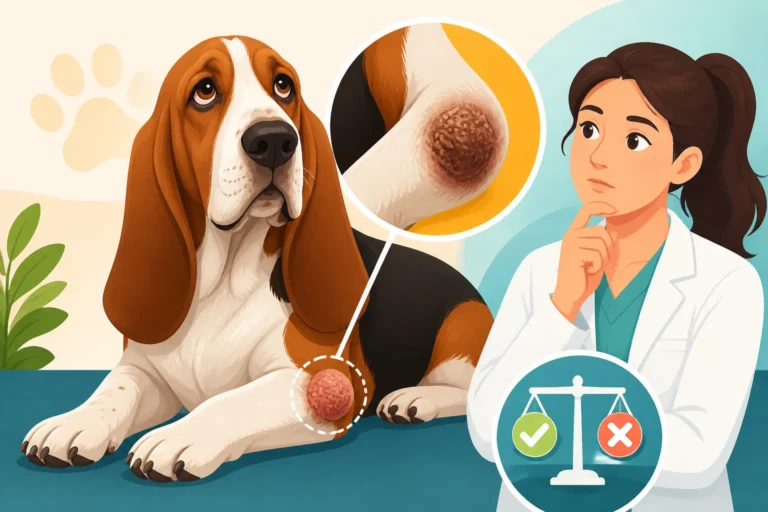
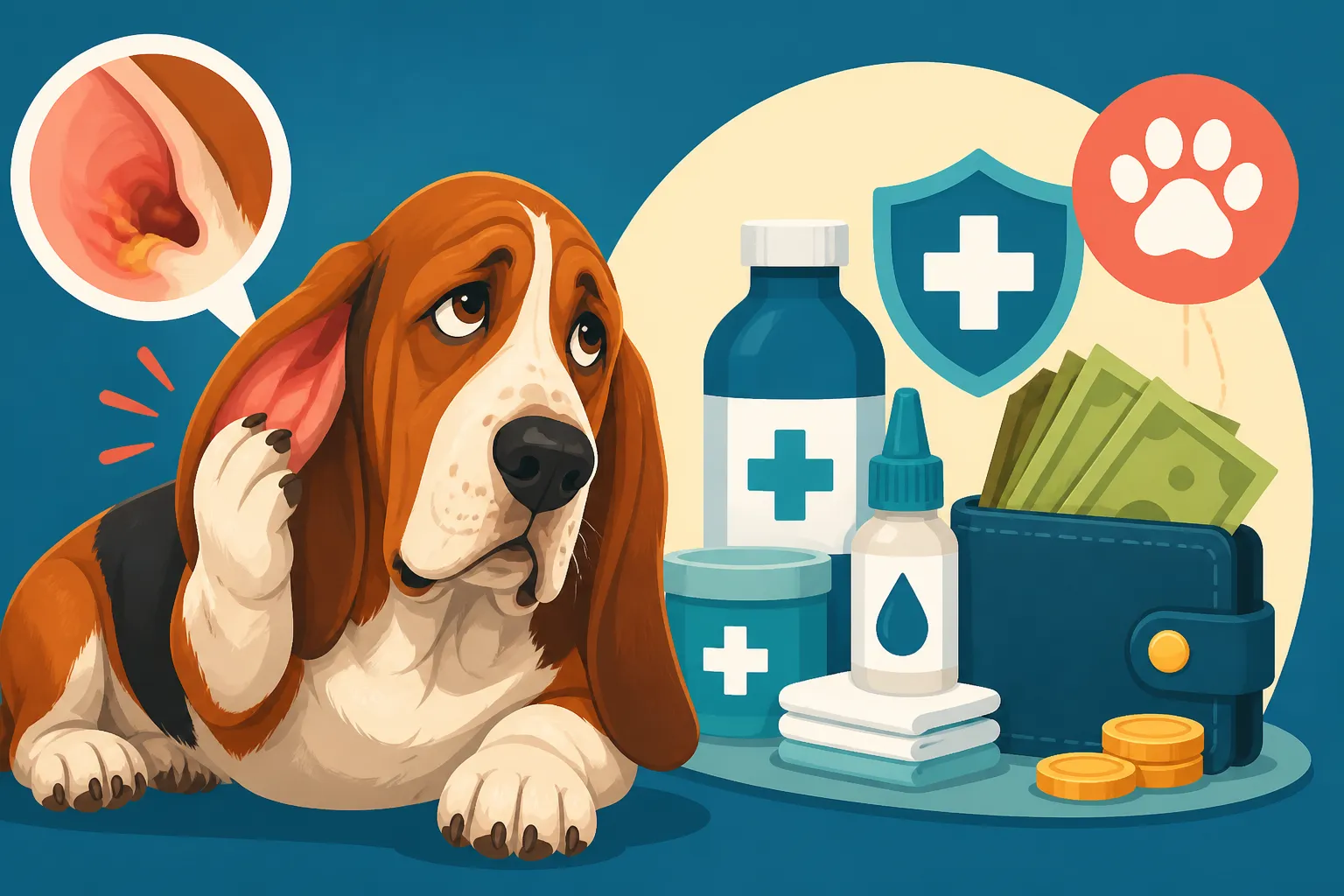
Oh, the sheer frustration of watching your beloved Basset Hound shake their head, scratch at an ear, and then give you that doleful look that says, "It hurts!" Chronic ear infections are a battle many Basset Hound owners know all too well, and it's not just a battle of discomfort for our furry friends; it’s a significant financial drain. This guide is here to unpackage exactly what chronic ear treatment can cost a Basset Hound owner, from initial vet visits to potential surgeries, and offer some realistic ways to manage these expenses.
Understanding the Root of the Problem: Why Basset Hounds Get Chronic Ear Infections
Before we even dive into the numbers, it's crucial to understand why Basset Hounds are so prone to these persistent, often painful ear infections. It's not bad luck; it's mostly down to their unique, charming, but ultimately challenging ear anatomy.
The Anatomy of a Basset Hound's Ear
Imagine a long, heavy curtain made of velvet – that’s pretty much your Basset Hound's ear flap. These magnificent ears, which are a hallmark of the breed, hang low and heavy, covering the ear canal completely. This design, while adorable, creates a warm, dark, and poorly ventilated environment within the ear. Add to that the fact that a Basset Hound's ear canal is naturally long and often has a lot of hair, and you've got a perfect recipe for trouble. Moisture gets trapped easily, whether from baths, swimming, or even just humidity in the air, creating an ideal breeding ground for bacteria and yeast. It’s no wonder that a Basset Hound's ear canal never really dries out on its own, making it a constant struggle to keep things healthy.
Common Causes and Types of Infections
When you combine that anatomical predisposition with other factors, you quickly see how chronic issues take hold. Most ear infections in Basset Hounds start as either bacterial or yeast overgrowths, or a combination of both. You might notice a sweet, yeasty smell, or a more pungent, almost cheesy odor associated with bacteria. But here's the kicker: often, these infections aren't just random occurrences. Many Basset Hounds with chronic ear issues are actually battling underlying allergies. Just like humans can get itchy skin or respiratory problems from allergies, dogs often manifest allergies as skin irritations and, you guessed it, ear infections. If your Basset Hound gets allergies, their ears become inflamed, itchy, and produce more wax, making them even more susceptible to secondary infections. It's a vicious cycle that can be incredibly hard to break without addressing the root cause.
The Cycle of Chronic Ear Disease
What starts as an acute infection, if not treated thoroughly and effectively, can quickly spiral into a chronic problem. Each infection causes inflammation, which can lead to swelling and narrowing of the ear canal. This narrowing makes it even harder for air to circulate and for medications to penetrate, creating a perfect environment for the infection to fester and become resistant to standard treatments. Over time, the delicate tissues lining the ear canal can thicken and calcify, permanently changing the structure and making successful treatment incredibly difficult without aggressive measures. This is why you often hear of The Ear Infections That Never Really Leave a Basset Hound, because the underlying issues are never fully resolved, or the anatomical changes are too severe.
The Financial Burden: Itemizing Chronic Ear Treatment Costs
Let's face it, vet bills are never fun, but when you're dealing with a chronic condition like persistent ear infections, those costs can really add up. It's not just a one-and-done appointment; it's an ongoing commitment that can range from hundreds to thousands of dollars over your Basset Hound's lifetime.
Initial Diagnosis and Acute Treatment
When your Basset Hound first starts shaking their head or scratching, your first stop is the vet. This initial visit usually involves a thorough ear exam using an otoscope, where the vet looks down the ear canal for signs of inflammation, discharge, or foreign bodies. They'll also typically take a swab of the discharge for cytology – looking at it under a microscope to identify yeast, bacteria, and inflammatory cells. This crucial step helps determine the type of infection.
Costs for these initial steps can vary:
- Veterinary Consultation/Exam: $60 – $150
- Ear Swab & Cytology: $30 – $80
- Ear Cleaning (at vet, if heavily soiled): $50 – $100 (often done under light sedation for comfort)
Once the type of infection is identified, your vet will prescribe medication. This could be topical ear drops, which often contain a combination of antibiotic, antifungal, and anti-inflammatory ingredients, or oral medications if the infection is severe or deep-seated.
- Ear Drops (1-2 bottles): $40 – $100 per bottle
- Oral Antibiotics/Antifungals: $30 – $80 for a course
- Pain/Anti-inflammatory medication: $20 – $50
So, for a single, uncomplicated acute infection, you're looking at an average initial cost of $200 – $500.
Managing Recurring Infections and Chronic Conditions
This is where the costs really start to climb. If your Basset Hound's ears keep flaring up, or if the initial treatment doesn't fully resolve the issue, you'll be on a cycle of follow-up appointments, often with new diagnostics and different medications. Your vet might recommend regular maintenance cleaning with specific ear cleaners, and these aren't your average cotton swab and hydrogen peroxide job. These are specialized solutions designed to break down wax, dry the ear canal, and maintain a healthy pH.
You might find yourself needing ear drops for life, where your Basset Hound requires ongoing, perhaps weekly or bi-weekly, application of a preventative ear medication. If allergies are suspected as the root cause, the costs can expand to include prescription diets, which are often more expensive than standard kibble, or even allergy medications like Apoquel or Cytopoint injections. These can be lifesavers for your dog's comfort but come with a significant price tag.
Here's a breakdown of ongoing and recurring costs:
| Service/Item | Estimated Cost Range (Per Instance/Month) | Frequency |
|---|---|---|
| Follow-up Vet Visit | $60 – $120 | Monthly/Quarterly |
| Maintenance Ear Cleaner (e.g., Epi-Otic, TrizUltra + Keto) | $20 – $40 per bottle | Monthly/Bi-monthly |
| Prescription Ear Drops (e.g., Posatex, Osurnia) | $50 – $150 per dose/bottle (varies by product and duration) | As needed, or for life |
| Oral Allergy Medication (e.g., Apoquel) | $50 – $150 per month | Daily |
| Allergy Injections (e.g., Cytopoint) | $80 – $200 per injection | Monthly/Quarterly |
| Prescription Allergy Diet | $80 – $150 per bag/month | Ongoing |
Looking at these figures, you can quickly see how What Ear Treatment Costs a Basset Hound Owner Yearly can easily run into hundreds or even thousands of dollars. Companies like Healthy Paws offer pet insurance plans that can be a real lifeline for these chronic conditions, helping to offset the significant veterinary expenses once your deductible is met. It’s worth exploring pet insurance options early, as pre-existing conditions are typically not covered, but an ongoing allergy or ear issue that develops after enrollment generally would be.
Advanced Diagnostics and Specialist Care
When routine treatments aren't cutting it, your vet might suggest more advanced diagnostics or a referral to a veterinary dermatologist. These specialists have expertise in complex skin and ear conditions.
Advanced diagnostics can include:
- Sedated Otoscopy: Where your Basset Hound is lightly sedated for a much deeper and more thorough examination of the ear canal, sometimes involving flushing and cleaning. Cost: $200 – $500.
- CT or MRI Scan: For severe, deep-seated infections that might involve the middle or inner ear, or to check for masses. These scans are expensive. Cost: $1,500 – $3,000+.
- Culture and Sensitivity: If the infection isn't responding, a culture will grow the bacteria and test which antibiotics are most effective. Cost: $80 – $150.
- Allergy Testing: If environmental allergies are suspected, blood tests or intradermal skin tests can identify specific allergens. Cost: $200 – $400.
- Specialist Consultation: Just for the visit with a veterinary dermatologist. Cost: $150 – $300.
These advanced steps significantly escalate the overall cost, pushing the total into the realm of what many might consider exorbitant, but for a pet in chronic pain, they become necessary explorations to find relief.
When Surgery Becomes Necessary: The Ultimate Cost
Sometimes, despite all medical efforts, the damage to the ear canal is so extensive that surgery becomes the only viable option to provide relief and improve the dog's quality of life. This is often the most heartbreaking, and certainly the most expensive, part of chronic ear treatment.
Understanding Total Ear Canal Ablation (TECA)
The most common surgical procedure for chronic, end-stage ear disease in Basset Hounds is a Total Ear Canal Ablation (TECA) with Bulla Osteotomy. It sounds drastic because it is. This surgery involves removing the entire ear canal and often opening the middle ear (bulla) to remove any infected tissue. It's usually considered when the ear canal has become permanently narrowed, calcified, or has severe, untreatable infections. It's a last resort, but for Basset Hounds whose ear canal closes up due to chronic inflammation, it can be life-changing, alleviating constant pain and infection. While a Basset Hound will typically lose hearing in the affected ear after a TECA, the relief from chronic pain is immense.
Surgical Costs and Post-Operative Care
The cost of a TECA is substantial, reflecting the complexity of the procedure, the specialized equipment, and the expertise of a board-certified veterinary surgeon.
Typical costs associated with TECA include:
- Pre-surgical blood work and imaging (X-rays, CT scan): $200 – $1,000+
- Surgeon's fees: $2,000 – $4,000
- Anesthesia and monitoring: $500 – $1,000
- Hospitalization (1-3 days): $300 – $900
- Post-operative medications (pain relievers, antibiotics): $100 – $300
- Follow-up visits and bandage changes: $100 – $300
The total cost for a unilateral (one ear) TECA can range anywhere from $3,500 to $7,500. If both ears require surgery, the costs can potentially double, making it one of the most expensive procedures a Basset Hound owner might face. This is precisely where a robust pet insurance plan, such as those offered by Healthy Paws, can make a monumental difference. What a Basset Hound's Emergency Surgeries Cost can be astronomical, and having insurance that covers a significant portion of this can save owners from making impossible financial decisions.
Potential Complications and Long-Term Management
While TECA generally has a high success rate in eliminating chronic infection and pain, it's not without potential complications. These can include facial nerve damage, leading to temporary or permanent drooping of the eyelid or lip on the affected side, or vestibular signs (balance issues). There's also the rare chance of continued drainage or infection if all diseased tissue isn't removed.
Long-term management post-TECA typically involves ensuring the surgical site heals properly and monitoring the remaining ear (if it was a unilateral procedure) for any signs of developing issues. Your vet will likely recommend regular check-ups, especially in the first few months after surgery. While the daily battle with ear drops and cleaners is gone for the treated ear, vigilance for the other ear remains crucial.
Strategies for Reducing and Managing Costs
While the costs associated with chronic Basset Hound ear infections can feel overwhelming, there are proactive steps you can take to mitigate the financial burden and, more importantly, keep your furry friend comfortable and healthy.
Proactive Prevention and Routine Care
Prevention truly is worth a pound of cure, or in this case, many thousands of dollars. Regular, consistent ear care is your first line of defense against chronic infections. This means establishing a routine from day one. You should aim to clean your Basset Hound's ears properly at least twice weekly, or more if they are prone to issues or spend a lot of time in water.
- Choose the right cleaner: Not all ear cleaners are created equal. You need a solution specifically formulated for dogs that helps dry the ear canal and acidify the environment, making it less hospitable to yeast and bacteria. Your vet can recommend which ear cleaner suits a Basset Hound best.
- Gentle and thorough cleaning: Learn how to clean a Basset Hound's ears properly. This usually involves flooding the ear canal with cleaner, gently massaging the base of the ear, and then allowing your dog to shake their head before wiping away excess with cotton balls. Never use cotton swabs inside the ear canal, as this can push debris further in and damage the eardrum.
- Dry ears after exposure to water: After baths or swimming, it's critical to ensure your Basset Hound's ears are dried after swimming. Use a clean, soft cloth to gently dry the accessible parts of the ear flap and outer canal. Some owners even use a low-setting hairdryer (held far away) or cotton balls to absorb moisture.
- Monitor for early signs: Pay close attention to your Basset Hound's behavior and their ears. The signs a Basset Hound's ear has gone bad can be subtle at first: a little more head shaking, a slight redness, or a faint odor. Catching these issues early can mean the difference between a simple course of drops and a much more complicated, expensive problem.
Consistency is key here. Making ear care a positive experience from a young age can make all the difference in compliance and, ultimately, prevention.
The Role of Pet Insurance
Pet insurance can be an absolute game-changer when dealing with chronic conditions. While no one wants to think about their pet getting sick, having a good policy in place before problems arise can save you from immense financial stress down the road. Healthy Paws is one of many reputable providers, and their plans typically offer broad coverage for accidents, illnesses, surgeries, emergency care, and even chronic conditions like ear infections.
Here’s why it’s so vital:
- Coverage for unforeseen and chronic illnesses: If your Basset Hound develops chronic ear infections or allergies after your policy is active, the costs associated with diagnostics, medications, and even surgery (like TECA) can be covered.
- Mitigation of high-cost procedures: As we've discussed, a TECA can easily cost thousands. With a typical reimbursement rate of 80-90% and a reasonable deductible, pet insurance can significantly reduce your out-of-pocket expenses.
- Peace of mind: Knowing that you have financial support allows you to make treatment decisions based on what's best for your Basset Hound, rather than being limited by your budget.
Remember, most pet insurance policies do not cover pre-existing conditions, so the earlier you enroll your Basset Hound, the better. Researching what Insuring a Basset Hound runs monthly and understanding different plans is a crucial step for any responsible Basset Hound owner.
Budgeting and Financial Planning
Even with the best preventative care and pet insurance, veterinary expenses can arise. Having a financial plan in place can alleviate stress.
- Emergency Fund: Consider setting aside a dedicated emergency fund specifically for your pet's health. Even $20-$50 a month can build up over time and provide a cushion for unexpected vet bills.
- Discuss Payment Plans: Many veterinary clinics understand the financial strain of extensive treatments and may offer payment plans. It never hurts to ask!
- Veterinary Assistance Programs: For those facing significant financial hardship, there are various non-profit organizations and programs that offer financial aid for pet medical care. Organizations like The Pet Fund, RedRover, and CareCredit (a credit card specifically for healthcare expenses) can provide options.
- Prioritize: Sometimes, difficult decisions have to be made. Work with your veterinarian to prioritize treatments, understand what's essential, and what might be elective, to manage costs effectively while still providing the best possible care for your Basset Hound.
Taking a proactive approach to your Basset Hound's ear health and financial planning can make the challenge of chronic ear infections much more manageable, ensuring your beloved hound lives a comfortable, happy life free from persistent pain.
Disclaimer
The information provided in this article is for general informational purposes only and is not intended as a substitute for professional veterinary advice. Always consult with a qualified veterinarian for any health concerns or before making any decisions related to your pet's health and treatment. Costs are estimates and can vary significantly based on location, veterinary practice, and the specifics of your pet's condition.