Whether a Basset Hound’s Ear Canal Closes Up
It's a heartbreaking reality for many Basset Hound owners: you're constantly battling ear infections, trying every drop and cleaner under the sun, only to feel like you're losing the fight. One of the most terrifying possibilities during this struggle is the thought that your beloved hound's ear canal could actually close up, making treatment impossible and causing immense pain. This guide is here to shed light on that very real concern, explaining why it happens, what to look for, and how you can work with your vet to prevent and manage this serious condition.
Understanding Why a Basset Hound's Ear Canal Narrows
The question of whether a Basset Hound's ear canal can truly close up is a resounding, and unfortunately, painful yes. This isn't a sudden event, but rather a slow, insidious process driven by chronic inflammation and infection. To truly understand why Basset Hounds are so prone to this, we need to look at their unique anatomy and the destructive cycle that repeated ear problems initiate.
The Anatomy Predisposing Basset Hounds to Ear Issues
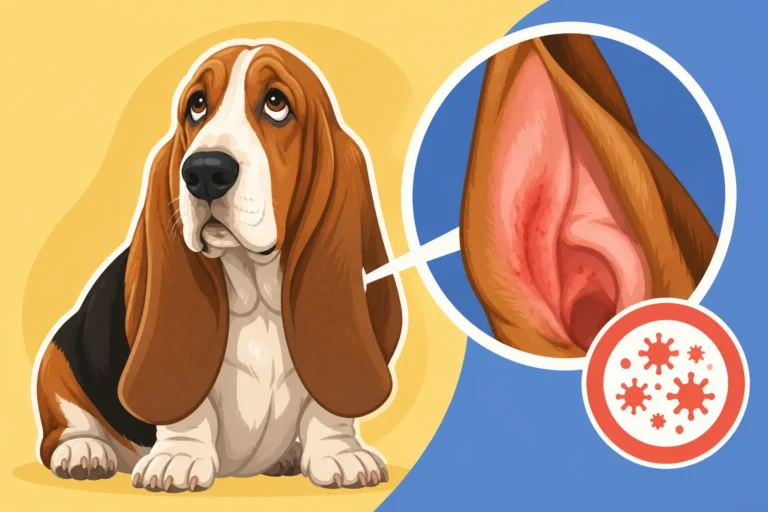
Let's be honest, those magnificent, long, droopy ears are a huge part of what makes Basset Hounds so endearing. But what makes them beautiful to us is also their Achilles' heel when it comes to ear health. Unlike dogs with upright ears, a Basset Hound's ear leather acts like a warm, cozy blanket, trapping heat and moisture inside the ear canal. This creates a perfect incubator for bacteria and yeast, which absolutely thrive in such an environment.
Beyond the external ear flap, the internal structure of the Basset Hound's ear canal is also problematic. They have a long, narrow, and often convoluted ear canal that makes it incredibly difficult for air to circulate and for natural debris or discharge to escape. Imagine trying to clean a long, winding tunnel with a tiny opening; that's essentially what you're up against when trying to keep a Basset Hound's ears clean and healthy. This inherent lack of ventilation, combined with their tendency for excessive wax production, means their ears are constantly fighting an uphill battle against becoming a breeding ground for infections. It’s why so many owners feel like they're endlessly cleaning, yet the problems persist. You can learn more about this specific challenge in our article on Why a Basset Hound's Ear Canal Never Dries.
How Chronic Inflammation Leads to Canal Closure
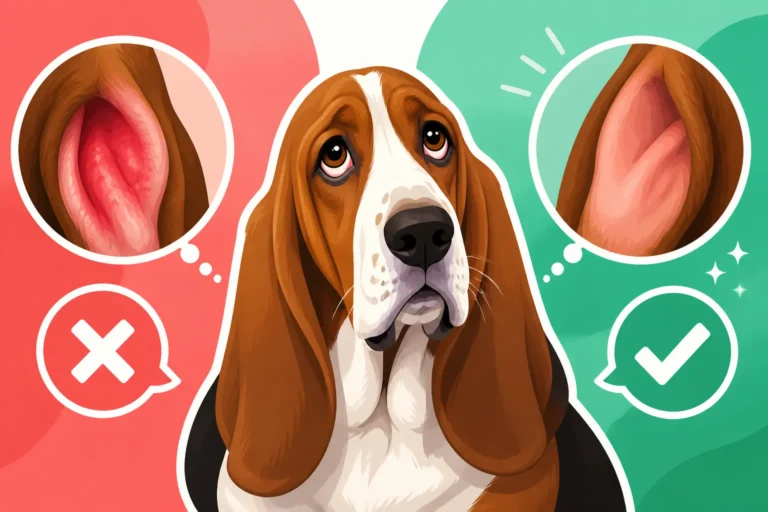
When a Basset Hound experiences repeated ear infections, it's not just a temporary inconvenience; each bout of infection triggers an inflammatory response. Think of it like a persistent irritation to any part of your skin – it gets red, swollen, and over time, might even thicken. The lining of a Basset Hound's ear canal reacts similarly. With every new infection, the tissues inside the ear canal swell, and the skin begins to thicken. This process is called chronic otitis externa.
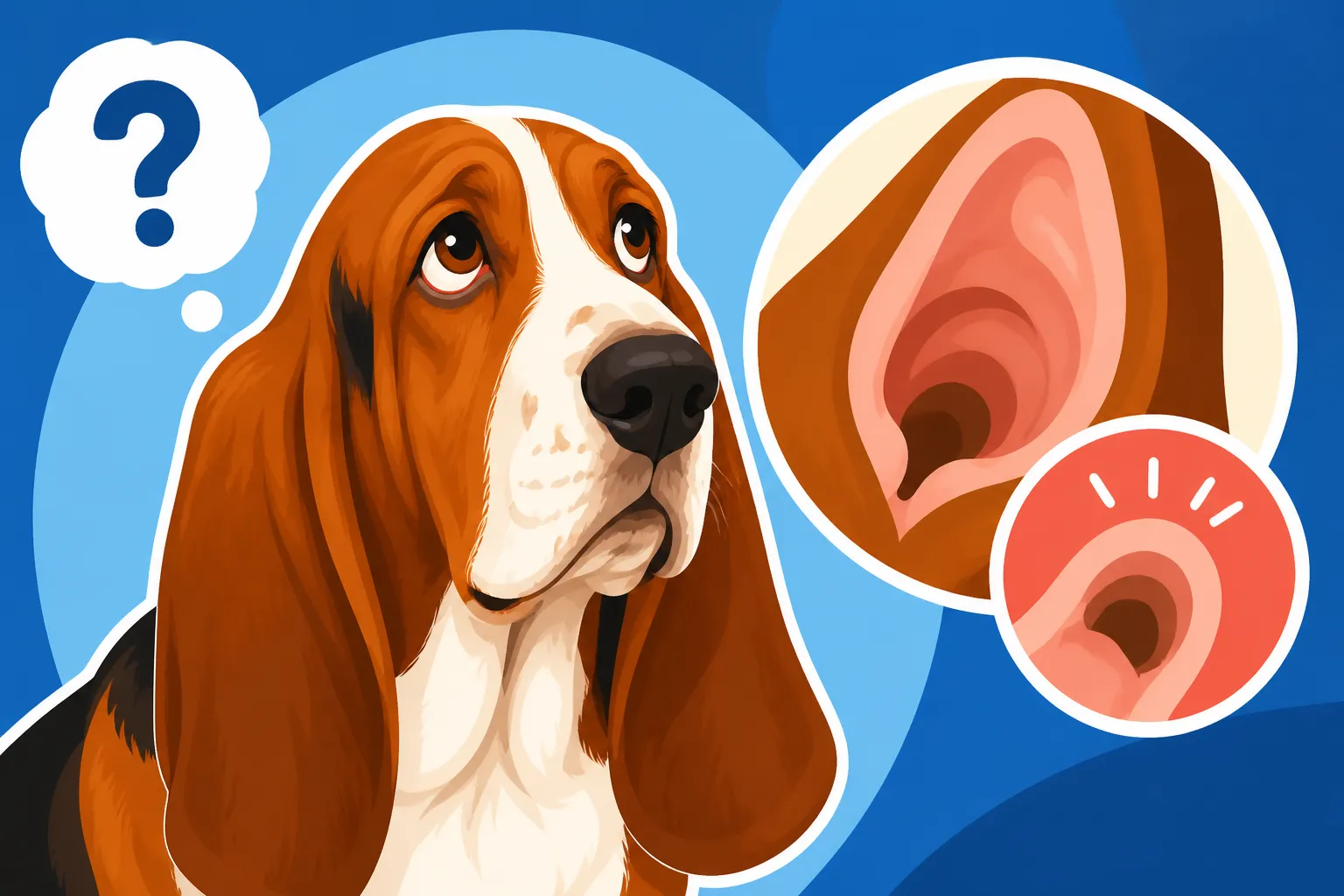
Over months and years, if these infections aren't managed aggressively and effectively, this thickening becomes permanent. The once soft, flexible cartilage and skin inside the ear canal start to become fibrous, like scar tissue. This irreversible process, known as stenosis, progressively narrows the ear canal. Eventually, in severe, long-standing cases, the canal can become completely occluded or "closed up." At this point, topical medications can no longer penetrate to the site of the infection, and the dog is left in chronic pain, often with persistent, untreatable infections deep within the ear. It's a devastating outcome that highlights the importance of early and consistent intervention.
Recognizing the Early Signs of Trouble
The key to preventing ear canal closure is recognizing the early warning signs that your Basset Hound is developing chronic ear issues. It's easy to dismiss a little head shaking or a quick scratch as just "being a Basset," but these are often the first whispers of a deeper problem. Pay close attention to any changes in your dog's behavior or the condition of their ears. Early detection allows for prompt treatment, which is crucial in breaking the cycle of inflammation.
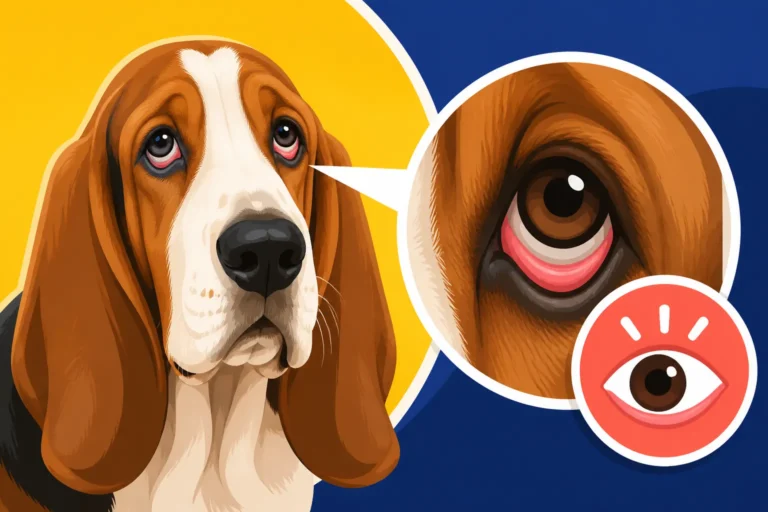
Common early indicators include increased scratching at the ears, frequent head shaking, or rubbing their ears on furniture or the floor. You might also notice a distinct odor coming from the ears – it could be sweet and yeasty, or more foul and bacterial. Look inside the ear: is there redness, swelling, or an excessive amount of discharge that's brown, black, yellow, or even bloody? Sometimes, your Basset Hound might express pain when you touch their ears or even shy away from petting their head. These are all critical signs that something is amiss and warrant a vet visit. Ignoring them is like ignoring a small crack in a dam; eventually, it can lead to a flood. Our comprehensive guide, The Signs a Basset Hound's Ear Has Gone Bad, offers more detailed insights into what to look for.
The Stages of Ear Canal Damage and What They Mean
Understanding the progression of ear canal damage can help you grasp the seriousness of chronic ear infections in Basset Hounds and appreciate why proactive management is so vital. It’s not just a simple infection that clears up and leaves no trace; the cumulative effect can be truly debilitating.
Mild Narrowing to Complete Stenosis
The journey from a healthy ear canal to a closed one is a gradual, damaging path. It typically begins with mild inflammation, where the lining of the ear canal simply looks red and a bit puffy. At this stage, it's usually easily treatable with medication and diligent cleaning. However, with recurrent infections, the inflammation becomes more persistent, leading to a condition called hyperplastic otitis. The skin cells lining the ear canal start to multiply and thicken, and the glands within the ear produce even more wax and discharge. This causes the canal to narrow, often unevenly.
As the condition progresses further, the swelling and thickening become more severe and widespread. The cartilage of the ear canal itself can begin to harden and distort, further constricting the passage. This makes it incredibly difficult for ear cleaners and medications to reach the infection site, trapping pathogens and debris within the ear. At its most severe, this progressive narrowing culminates in what vets call "end-stage ear disease" or complete ear canal stenosis. Here, the canal is almost entirely, or completely, closed off, becoming a solid, unyielding tube of thickened, diseased tissue. At this point, medical treatment becomes virtually ineffective, and the Basset Hound is in constant pain.
The Impact of Calcium Deposits and Scar Tissue
Beyond just thickening tissue, chronic, severe inflammation can lead to even more permanent and destructive changes within the ear canal. The prolonged irritation causes the body to respond by laying down fibrous scar tissue, which is much less elastic and more rigid than healthy tissue. Imagine a deep cut healing with a hard, raised scar – something similar happens internally.
Even more critically, in some advanced cases, the ear canal can start to calcify. This means that calcium deposits form within the tissues of the ear canal, essentially turning the once flexible cartilage into bone-like material. This osteosclerosis or ossification is irreversible without surgical intervention. Once the ear canal has calcified, it becomes a rigid, unyielding tube, sometimes completely closing off the canal and often trapping infection within. This stage signifies truly end-stage ear disease, where the canal has lost its normal structure and function, and the Basset Hound's quality of life is severely compromised due to chronic pain and hearing loss. This level of damage often means the ear has become a permanent source of suffering.
When Medical Management Is No Longer Enough
There comes a point in the progression of ear canal damage where even the most dedicated medical management, the most potent antibiotics, and the most diligent cleaning simply cannot resolve the problem. This is typically when the ear canal has narrowed so significantly due to stenosis and/or calcification that topical medications cannot physically reach the deep-seated infections. Imagine trying to pour liquid into a bottle that has a cork jammed halfway down its neck – the liquid can't get to the bottom.
When an ear canal is severely stenotic or calcified, air circulation is nonexistent, and any discharge or pus produced by the infection has nowhere to go. It sits, festers, and continues to fuel the inflammatory cycle, often leading to secondary infections by resistant bacteria or yeast. At this stage, the Basset Hound is in constant discomfort, likely suffering from chronic pain, and their hearing is severely impaired, if not completely lost in the affected ear. This is when your veterinarian will likely discuss surgical options, as medical treatments have reached their limit. It's a difficult conversation, but sometimes, surgery is the only path to truly alleviate suffering and prevent further, more widespread complications. You might want to consider Whether a Basset Hound Needs Ear Surgery if your hound reaches this stage.
Preventing and Managing Ear Canal Closure in Basset Hounds
While the thought of your Basset Hound's ear canal closing up is daunting, the good news is that proactive and consistent care can significantly reduce the risk and, in many cases, prevent this severe outcome. It requires dedication, but your hound's comfort is worth every effort.
Consistent Ear Cleaning and Maintenance
The absolute cornerstone of preventing ear canal issues in Basset Hounds is a rigorous and consistent ear cleaning routine. Because their ears are designed to trap moisture and debris, you must counteract this natural predisposition. This isn't just about cleaning when you see discharge; it's about regular maintenance to prevent problems from starting. Most Basset Hounds need their ears cleaned at least once or twice a week, and sometimes even more frequently if they're prone to infections or have recently been swimming.
Proper technique is crucial. You'll need a vet-approved ear cleaner (your vet can recommend Which Ear Cleaner Suits a Basset Hound). Gently lift the ear flap, insert the nozzle of the cleaner into the ear canal, and squeeze to fill the canal with solution. Don't be shy; you need enough liquid to flush out debris. Massage the base of the ear for 20-30 seconds to help break up wax and debris. You'll hear a squishy sound, which is good! Then, let your Basset Hound shake their head vigorously – this helps dislodge loosened material. Finally, use a cotton ball or soft tissue to wipe out any visible debris from the outer ear and the opening of the canal. Never use cotton swabs deep inside the ear, as this can push debris further down or even damage the eardrum. Consistency is key; this routine needs to become a normal part of your life with a Basset Hound. For more detailed guidance, refer to our article on How Often a Basset Hound's Ears Must Be Cleaned.
Dietary and Allergy Management
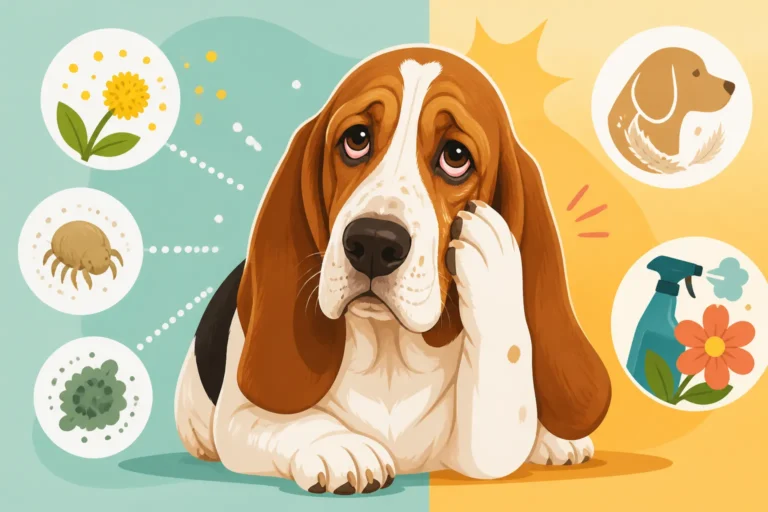
It's a common misconception that all ear infections are solely due to bacteria or yeast entering the ear from the outside. In many Basset Hounds, particularly those with chronic, recurring ear problems, the underlying cause is often an allergy. Just like people, dogs can suffer from environmental allergies (atopy) or food allergies, and one of the most common ways these allergies manifest is through inflamed, itchy ears. This internal inflammation makes the ear canal more susceptible to secondary infections and contributes to the thickening of the canal tissues.
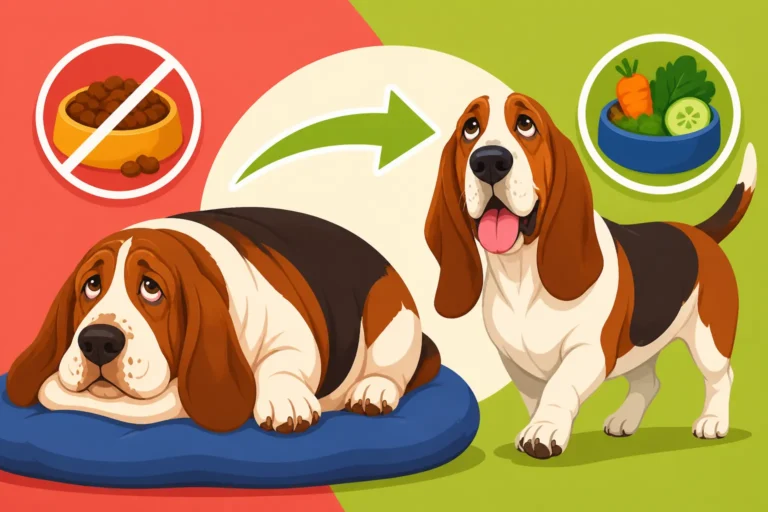
If your Basset Hound experiences persistent ear issues despite diligent cleaning and medical treatment, it’s vital to investigate potential allergies. Your vet might suggest a food elimination trial, where your dog eats a novel protein or hydrolyzed protein diet for several weeks to see if symptoms improve. Alternatively, allergy testing (blood tests or intradermal skin tests) can help identify environmental allergens like pollen, dust mites, or molds. Once identified, managing these allergies through avoidance, medication (like antihistamines, steroids, or newer immunomodulatory drugs), or even allergy shots (immunotherapy) can dramatically reduce ear inflammation and prevent the progression to ear canal closure. Addressing the root cause is often the missing piece of the puzzle. We delve deeper into this in our article Whether a Basset Hound Gets Allergies.
Advanced Treatments and Surgical Options
When a Basset Hound's ear canal has significantly narrowed or closed due to chronic disease, advanced medical treatments and surgical interventions become necessary. In less severe cases of stenosis, a vet might perform a thorough ear flush under sedation, using specialized equipment to remove impacted wax, debris, and infection that can't be cleared with home cleaning. This can sometimes buy time and temporarily improve the situation, allowing topical medications to be more effective.
However, if the ear canal is severely stenotic or calcified, a procedure called a Total Ear Canal Ablation (TECA) combined with a Lateral Bulla Osteotomy (LBO) is often the only way to resolve the chronic pain and infection. This major surgery involves removing the entire diseased ear canal, leaving the inner ear intact. While it sounds drastic and results in deafness in the affected ear, for Basset Hounds suffering from end-stage ear disease, it offers immense relief from chronic pain and a significant improvement in their quality of life. Recovery involves careful post-operative care, but the relief for both dog and owner can be profound. It’s a huge decision, both emotionally and financially, but for many, it’s a necessary step. You can find out more about the financial implications in our article, What a Total Ear Canal Ablation Costs on a Basset Hound.
Living with a Basset Hound Prone to Ear Problems
Bringing a Basset Hound into your life means accepting their unique charm, their incredible nose, and, yes, the potential for lifelong ear care. It's a commitment, and being prepared for the journey makes all the difference.
Financial Considerations and Insurance
Let's be blunt: chronic ear problems in Basset Hounds are expensive. The ongoing cost of vet visits, ear cultures, antibiotics, antifungal medications, specialized ear cleaners, and potentially allergy medications can quickly add up. A single course of ear drops can be upwards of $50-$100, and if your hound needs multiple rounds or different types, that's just the tip of the iceberg. If your Basset Hound develops end-stage ear disease and requires a TECA surgery, the cost can easily range from $2,500 to $6,000 or more per ear, depending on your location and the veterinary specialist. This kind of financial burden is a common reason why many Basset Hounds end up in rescue, sadly, as owners simply can't afford the necessary treatments. You can learn more about the cumulative costs in What Chronic Ear Treatment Costs a Basset Hound Owner.
This is precisely where pet insurance becomes an invaluable tool. Planning ahead with a good pet insurance policy can provide immense peace of mind. Companies like Healthy Paws offer comprehensive coverage that can help offset the significant costs associated with chronic conditions like recurring ear infections and the eventual need for surgical intervention. If you have a plan in place before chronic issues arise, your policy can cover a substantial portion of the diagnostic tests, medications, and even major surgeries. It's an investment that can literally save your Basset Hound's ears and your bank account. Without insurance, these bills can quickly become overwhelming, turning a loving companionship into a source of constant stress.
| Symptom | Early Sign of Ear Trouble | Advanced Sign of Ear Canal Narrowing |
|---|---|---|
| Head Shaking | Frequent, mild | Violent, painful, persistent |
| Scratching at Ears | Occasional | Obsessive, skin damage around ears |
| Ear Odor | Mild, yeasty | Strong, foul, pervasive |
| Ear Discharge | Minimal, light brown/black | Heavy, thick, pus-like, bloody |
| Ear Redness/Swelling | Visible in outer ear only | Deep in canal, affecting entire pinna |
| Pain on Touch | Mild discomfort | Severe pain, guarding, aggression |
| Changes in Canal | Slightly red/moist | Thickened, visibly narrowed, visible calcification |
| Hearing | Unaffected or slight reduction | Significantly impaired or complete loss |
| Behavior | Slightly irritable | Depressed, withdrawn, constant discomfort |
Advocating for Your Basset Hound with Your Vet
As your Basset Hound's primary caregiver, you are their strongest advocate, especially when it comes to chronic health issues like ear problems. It's easy to feel overwhelmed by the technical terms or the sheer volume of information from your vet, but remember that you are an integral part of their healthcare team. Don't be afraid to ask questions, even if you think they sound silly. Ask for clarification on diagnoses, treatment plans, and potential prognoses. If you're unsure about a medication, ask your vet or vet tech to demonstrate how to administer it.
Always communicate openly about what's working and what isn't. If a prescribed medication isn't yielding results, or if your Basset Hound is reacting poorly to it, inform your vet immediately. Be prepared to discuss your financial limitations frankly; a good vet will work with you to find the most effective and affordable treatment options. Don't hesitate to seek a second opinion from a veterinary dermatologist, especially if ear problems are recurring or difficult to manage. A specialist might have more advanced diagnostic tools or treatment strategies that could make a significant difference. Your persistence and dedication are vital for navigating these complex health challenges and ensuring your Basset Hound receives the best possible care.
Long-Term Quality of Life
Ultimately, the goal of all this vigilant care, cleaning, and sometimes difficult decisions is to ensure your Basset Hound has the best possible long-term quality of life. A Basset Hound suffering from chronic, painful ear infections isn't a happy Basset Hound. Their entire demeanor can change; they might become withdrawn, less playful, or even irritable due to constant discomfort. Even if an ear canal does close up and surgery becomes necessary, it's a step towards relieving that pain. While a dog may lose hearing in the affected ear after a TECA, the absence of chronic pain often transforms their personality, allowing them to enjoy life again.
Life with a Basset Hound, especially one prone to ear issues, is a marathon, not a sprint. It means being committed to ongoing preventative care, regular vet check-ups, and being prepared to adapt as their needs change. Providing appropriate mental stimulation through scent work (their incredible noses can still bring them joy, even if their hearing is compromised), ensuring they have a comfortable, clean living environment, and showering them with love and patience are all crucial. Understanding that these beloved hounds have specific breed health challenges is part of responsible ownership. By staying informed and proactive, you can ensure your Basset Hound lives a comfortable, happy life, ears and all, for all of their The Ten to Twelve Years a Basset Hound Lives.
Disclaimer
This article is for general informational purposes only and does not constitute professional advice. Laws, prices and regulations vary by location and change over time. Consult a qualified professional for guidance on your specific situation.