The Signs a Basset Hound Has Hurt Its Back
It’s a heartbreaking sight when your usually happy-go-lucky Basset Hound is suddenly struggling to move, their joyful bay replaced by whimpers or a haunting stillness. Back problems are unfortunately common in our long-bodied friends, and knowing the early signs can make all the difference in getting them the help they need. This guide will walk you through recognizing the subtle and obvious indicators that your Basset Hound might have hurt its back, so you can act quickly and confidently.
The Unique Back Vulnerabilities of Basset Hounds
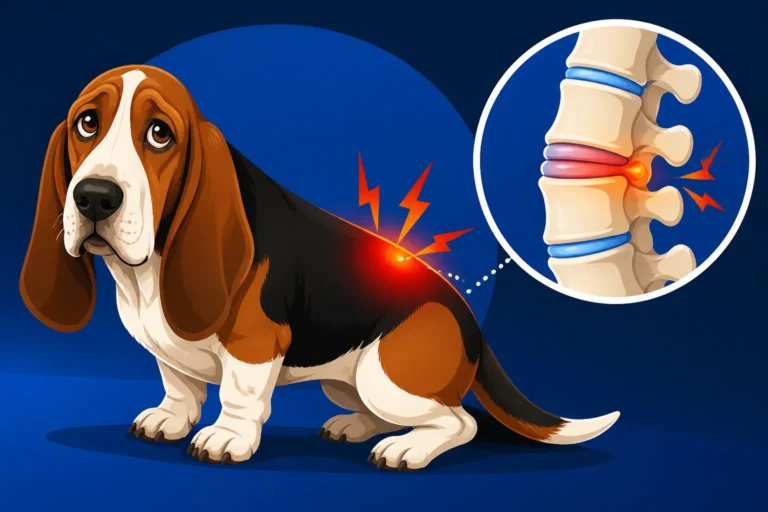
Our beloved Basset Hounds, with their distinctive long bodies and short legs, are adorable and instantly recognizable. However, this very build, a result of a condition called chondrodystrophy, makes them inherently prone to certain spinal issues. It’s not a flaw, but rather a characteristic of their breed that requires us to be extra vigilant. Understanding that their backs are inherently under more stress than a dog with more proportionate limbs is the first step in recognizing when something is wrong. They are predisposed to conditions like Intervertebral Disc Disease in a Basset Hound, where the cushioning discs between the vertebrae can degenerate or rupture.
Imagine a spring under constant tension – that’s a bit like your Basset’s spine. Activities that might be harmless for other breeds, like jumping off the couch or even running vigorously, can put undue strain on these delicate discs. This is why you often hear experienced Basset owners talking about managing their environment to prevent injury. It's not about coddling them, but about providing a safe and supportive home. Their unique anatomy means that even minor incidents can lead to significant discomfort or even serious neurological issues, making early recognition of pain absolutely vital. This built-in fragility is precisely why we need to be so attuned to their movements and behaviors.
Immediate and Obvious Indicators of Acute Back Pain
When a Basset Hound experiences acute back pain, often from a sudden disc herniation or injury, the signs can be quite dramatic and undeniable. These are the moments that send a chill down your spine and have you reaching for the phone to call the vet immediately. Acting quickly in these situations can make a tremendous difference in your dog's prognosis and recovery.
One of the most immediate signs you might notice is a sudden yelp or cry of pain. This often happens during or immediately after an activity that put stress on their back, such as an awkward jump, a misstep, or even just being picked up incorrectly. Your Basset, who might normally be stoic, will vocalize their distress loudly. They might even snap or growl if you try to touch them, which is completely out of character for these typically sweet-natured dogs. This isn't aggression; it's a desperate plea for you to stop the pain.
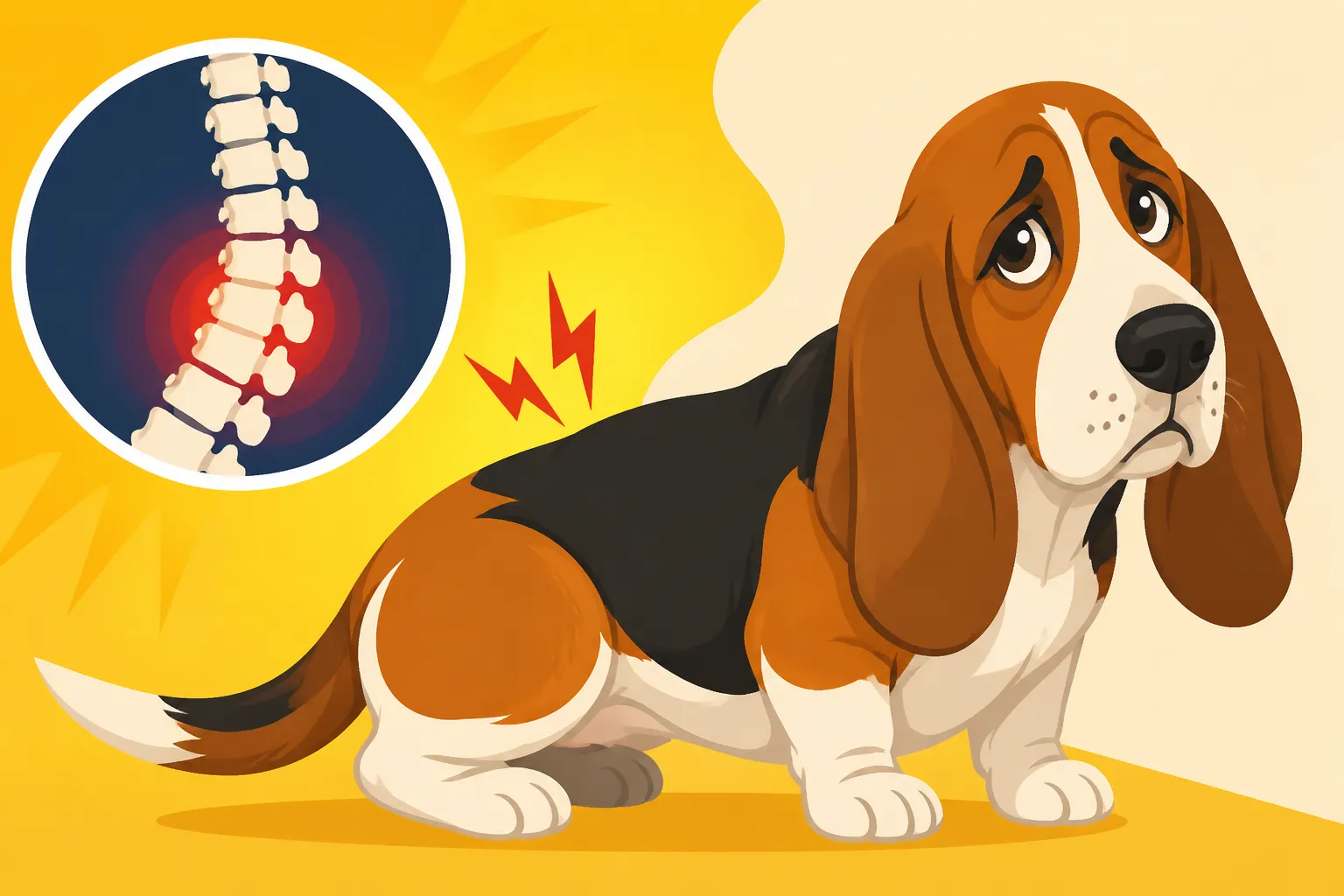
Following this initial yelp, you'll likely observe a profound reluctance to move. Your Basset might lie stiffly, unwilling to stand, walk, or even shift positions. If they do attempt to move, it will be slow, deliberate, and clearly painful. They may keep their head low, their back hunched, or their tail tucked. A hunched posture, often described as a "roach back," is a classic sign of back discomfort in Basset Hounds, as they try to relieve pressure on the spine. You might also notice a loss of coordination, staggering, or weakness in one or both hind legs. In severe cases, they might even drag a limb or be unable to use their back legs at all. This partial or complete paralysis is a medical emergency that needs immediate veterinary attention. These signs are not to be ignored, as they can quickly escalate and lead to permanent damage if not addressed.
Subtle Behavioral Clues That Indicate Chronic Back Issues
While acute pain is unmistakable, chronic back problems in Basset Hounds can manifest in much more subtle ways, making them harder to spot. These are the slow, creeping changes that, over time, can significantly impact your Basset’s quality of life. It’s easy to dismiss these as "just getting old" or "being lazy," but for a Basset, they are often whispers of underlying discomfort that need to be heard.
One of the most common subtle signs is a change in their activity level or eagerness to engage. Your Basset, who once loved a good sniff-walk around the block, might start lagging behind, wanting to cut the walk short, or even outright refusing to go further. This isn't laziness; it's often because walking causes them pain. They might also become less enthusiastic about playing with toys, especially those that involve bending or twisting, or be hesitant to engage with other dogs if it means rough-housing. You might notice they stop jumping on the sofa or bed, or they struggle more than usual to get up from a lying position. Perhaps they're not quite as quick to greet you at the door, or they prefer to sleep in a different, less demanding position. These small shifts in routine can be crucial clues.
Another key area to observe is their grooming habits and general demeanor. A Basset with chronic back pain might start grooming less, particularly their hindquarters, because bending and stretching becomes uncomfortable. Conversely, they might excessively lick or chew at specific spots on their legs or paws, an anxiety-driven behavior often linked to referred pain or discomfort stemming from the back. You might also notice a general change in their temperament; they could become more withdrawn, less tolerant of petting (especially along their back), or even a bit irritable. This isn't them being "grumpy" – it's a dog trying to cope with persistent pain. Keep an eye out for changes in appetite or elimination habits too. Discomfort can sometimes lead to decreased interest in food or even accidents in the house if moving to go outside becomes too painful. Paying close attention to these nuances is essential for catching problems before they become severe.
Taking Action When You Suspect Back Pain
Realizing your Basset Hound might be in pain can be incredibly distressing, but knowing what steps to take next is paramount. Your immediate actions can greatly influence the outcome. The most important thing is to remain calm, avoid panicking, and act swiftly.
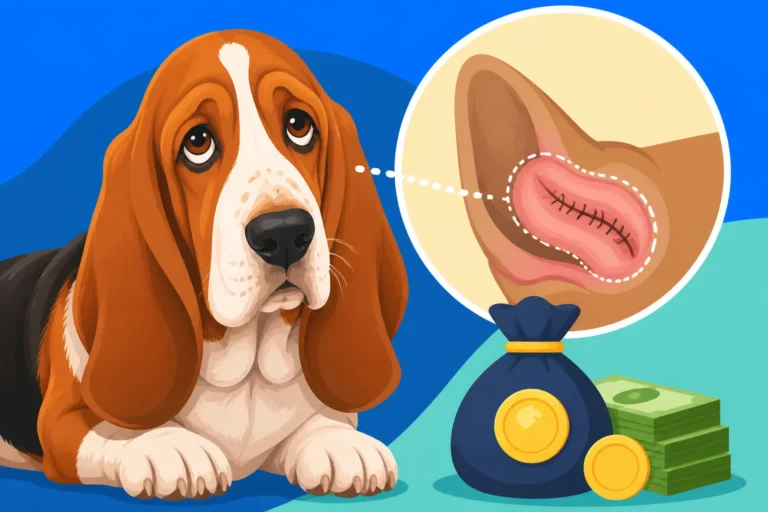
First and foremost, contact your veterinarian immediately. Do not try to diagnose or treat the issue yourself. Describe all the signs you've observed, no matter how subtle they seem. Your vet will need to perform a thorough examination, which may include neurological tests, X-rays, or even advanced imaging like an MRI if they suspect a slipped disc or other serious spinal injury. Remember, for a Basset Hound, "Whether a Basset Hound's Disc Surgery Is Worth It" can be a very real, very expensive question, so prompt diagnosis is key. If your vet needs to refer you to a specialist for further diagnostics or treatment, be prepared for that possibility.
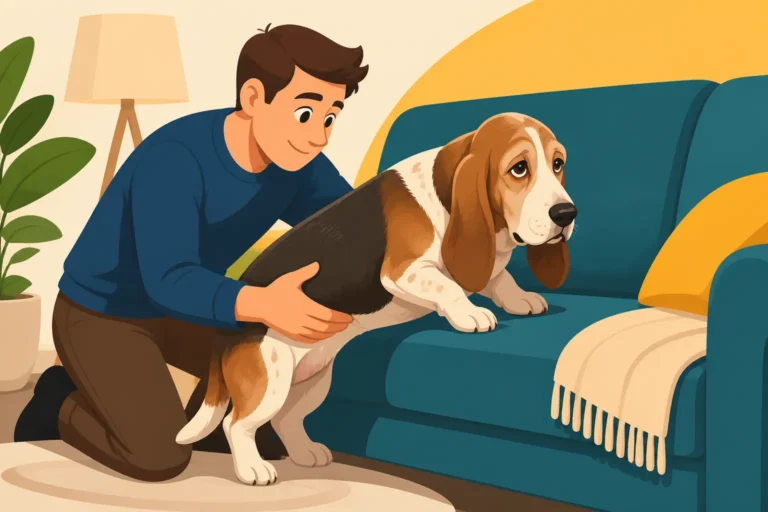
While you await your vet appointment or follow their instructions, there are things you can do to keep your Basset comfortable and prevent further injury. Strict rest is usually recommended. This means confining your dog to a small, safe area, like a crate, where they can’t jump, run, or climb stairs. You might consider using a ramp or steps to help them get on and off furniture safely in the future to prevent re-injury, or teaching them not to jump off furniture entirely. If you need to lift your Basset, always do so carefully, supporting both their chest and hindquarters to keep their spine straight and minimize twisting. Avoid any sudden movements that could worsen their condition. Many owners find that investing in an orthopedic bed can provide much-needed support for their sensitive backs, especially as they get older.
Table: Recognizing Back Pain in Your Basset Hound
| Sign/Symptom | Severity | Description | Immediate Action |
|---|---|---|---|
| Sudden Yell/Cry | Severe | Vocalization of intense pain, often after movement or touch. | Immediate vet contact; immobilize dog. |
| Reluctance/Inability to Move | Severe | Dog refuses to stand, walk, or struggles significantly. May lie stiffly. | Immediate vet contact; minimize movement. |
| Hunched Back (Roach Back) | Severe/Mild | Arched back posture, head held low, indicating spinal discomfort. | Vet consultation. |
| Hind Limb Weakness/Paralysis | Severe | Staggering, dragging one or both hind legs, or complete inability to use them. | Emergency Vet Visit (critical). |
| Changes in Gait/Limping | Moderate | Walking stiffly, favoring a leg, or noticeable lameness. | Vet consultation (urgent). |
| Pain on Touch | Moderate | Yelping or flinching when back or neck is gently touched. | Vet consultation. |
| Reduced Activity/Play | Mild/Moderate | Less interest in walks, playing, or jumping; sleeping more. May be misinterpreted as "lazy." | Monitor closely; consult vet if persistent. |
| Difficulty with Stairs/Jumps | Mild/Moderate | Hesitation before climbing stairs, refusing to jump on furniture, struggling to get up. | Implement ramps/steps; consult vet. |
| Licking/Chewing at Paws/Legs | Mild | Obsessive licking at extremities, sometimes a sign of referred nerve pain. | Monitor behavior; mention to vet. |
| Temperamental Changes | Mild | Increased irritability, withdrawal, or disinterest in usual interactions. | Consult vet to rule out pain as cause. |
Remember, the cost of dealing with back issues can be substantial. For instance, "What Disc Surgery Costs on a Basset Hound" can be a major concern for many families. This is where pet insurance, like plans offered by Healthy Paws, can be an absolute lifesaver. It provides a financial safety net, allowing you to focus on your Basset's recovery without the added stress of crushing veterinary bills. Planning ahead with a good policy like those from Healthy Paws can truly make all the difference in ensuring your beloved hound receives the best possible care when they need it most.
Prevention and Long-Term Management
Once your Basset Hound has experienced a back issue, or even if you just want to be proactive due to their breed's predisposition, prevention and thoughtful long-term management become key components of their care. It's about creating an environment that supports their unique body and minimizes risk.
One of the cornerstones of prevention is managing their activity. While Basset Hounds need regular exercise, high-impact activities like jumping off high surfaces, excessive stair climbing, or rough play that involves twisting their spine should be minimized or avoided entirely. Instead, focus on low-impact activities like leash walks on even surfaces. Considering Whether a Basset Hound Should Climb Stairs is important, and for many, providing ramps or steps for furniture and vehicles is a game-changer. These simple adjustments can drastically reduce the strain on their spine over time.
Maintaining a healthy weight is another critical factor. "What Extra Weight Does to a Basset Hound" is significant; even a few extra pounds can put immense additional pressure on their already vulnerable backs, increasing the risk of disc issues. Work with your vet to determine your Basset’s ideal weight and ensure their diet and exercise regimen supports it. Regular vet check-ups are also crucial. During these visits, your vet can assess their gait, spine, and overall mobility, catching subtle changes before they escalate. Discussing preventative measures, like appropriate supplements or therapies, can also be beneficial.
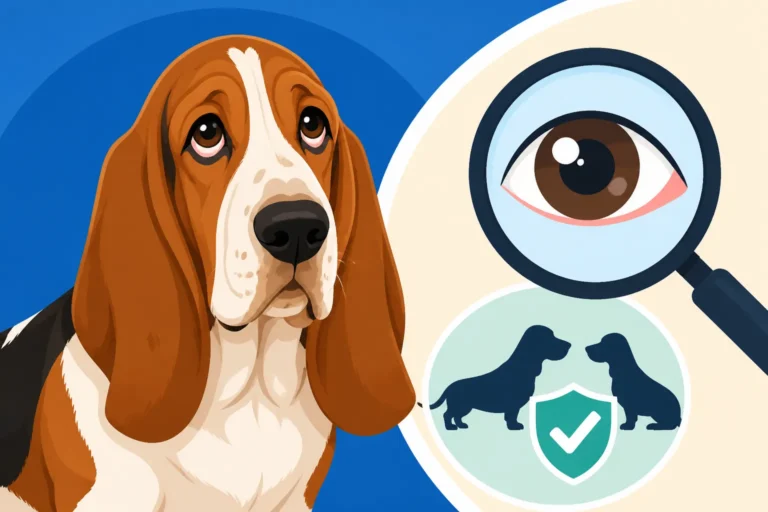
Furthermore, consider pet insurance as a vital part of your long-term plan. Insuring a Basset Hound Against Eyes, Ears and Backs can provide peace of mind. Many pet owners appreciate the support they get from providers like Healthy Paws, knowing that unexpected veterinary costs for conditions such as intervertebral disc disease are covered. This allows you to make care decisions based on your dog's needs, not just your wallet. Learning how to properly lift a Basset Hound safely, using a supportive harness for walks instead of just a collar, and providing an orthopedic bed are all proactive steps that contribute to their spinal health and overall well-being. By being diligent and proactive, you can help your Basset Hound enjoy a comfortable, happy life with as few back troubles as possible.
Disclaimer
This article is intended for informational purposes only and does not constitute veterinary advice. If you suspect your Basset Hound has hurt its back or is experiencing any health issues, please consult with a qualified veterinarian immediately. They can provide an accurate diagnosis and recommend the appropriate course of treatment for your pet.