Whether a Basset Hound Gets a Slipped Disc
It's a heartbreaking and all-too-common worry for Basset Hound owners: that distinctive long back, those short legs, and the nagging fear that one wrong jump or twist could lead to a devastating "slipped disc." Many of us have heard stories, or even experienced firsthand, the sudden onset of pain and mobility issues that can plague these wonderful dogs. This guide is here to shed light on intervertebral disc disease (IVDD) in Basset Hounds, helping you understand what it is, how to spot it, and crucially, how to best protect and care for your beloved companion.
Understanding Intervertebral Disc Disease IVDD in Basset Hounds
The thought of your Basset Hound being in pain, especially with something as debilitating as a slipped disc, is enough to send shivers down any owner's spine. It’s a condition that seems to haunt many long-backed breeds, and Basset Hounds are unfortunately no exception. But what exactly is a slipped disc, and why are our floppy-eared friends so prone to it?
What Is a Slipped Disc Anyway
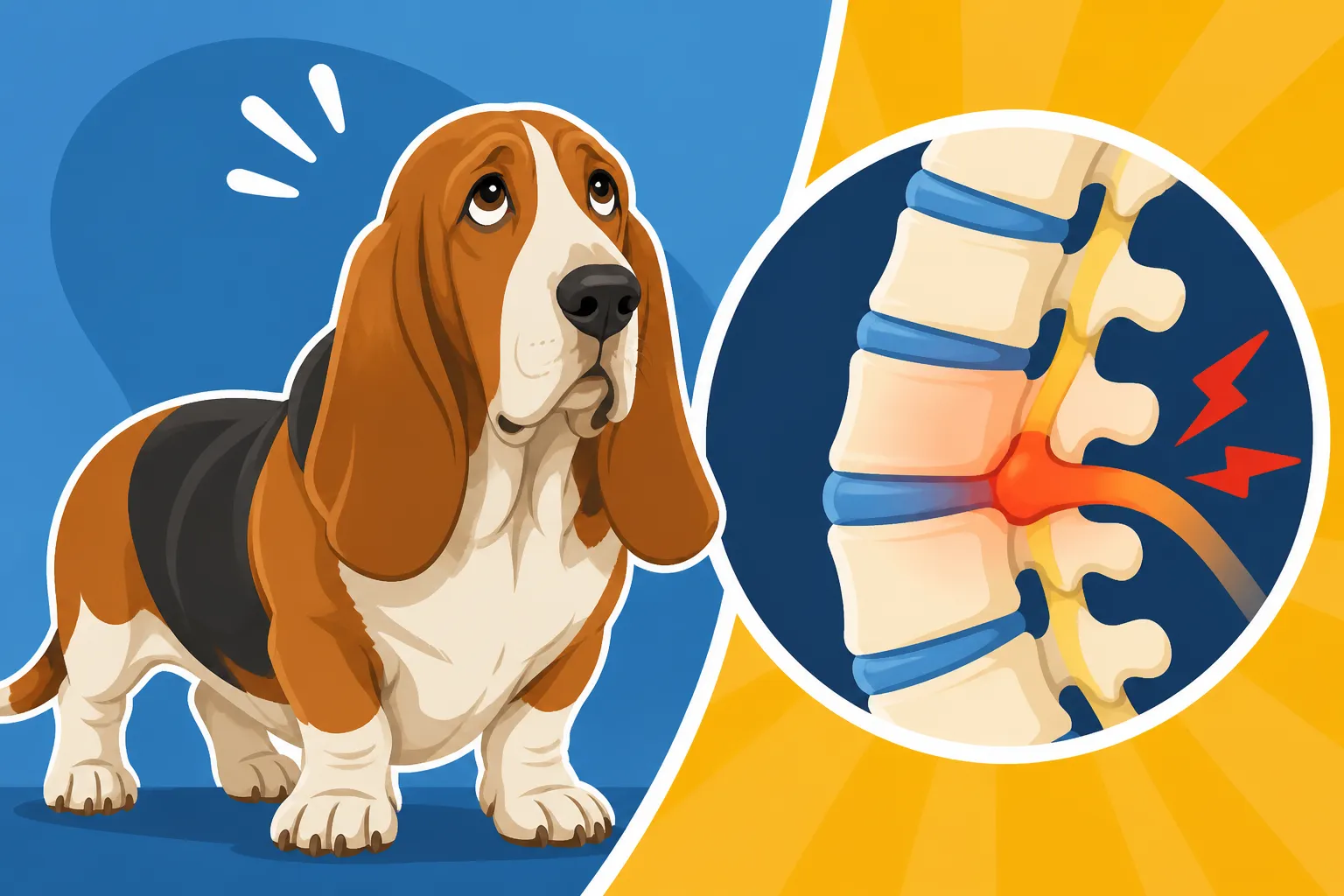
Imagine your dog's spine as a stack of bony building blocks, the vertebrae, with soft, jelly-filled cushions called intervertebral discs nestled in between them. These discs act like shock absorbers, allowing for flexibility and protecting the spinal cord from impacts. In a healthy dog, these discs are resilient and do their job without a fuss. However, when we talk about a "slipped disc," we're really talking about intervertebral disc disease, or IVDD. This isn't usually a disc literally "slipping" out of place, but rather the disc material either bulging out or rupturing entirely.
There are two main types of IVDD. Type I, which is most common in chondrodystrophic breeds like Basset Hounds, occurs when the jelly-like center of the disc hardens and then ruptures, pushing its way into the spinal canal. This can happen quite suddenly, often with an audible pop or a yelp of pain, and it compresses the delicate spinal cord. Type II IVDD is a more gradual bulging of the outer fibrous layer of the disc, which can also compress the spinal cord over time, but usually has a slower onset of symptoms. Given a Basset Hound’s unique build, Type I is the one we often worry about most, turning what should be a shock absorber into a ticking time bomb.
Why Basset Hounds Are More Prone to IVDD
It's not just bad luck that makes Basset Hounds susceptible to IVDD; it's literally built into their genetic makeup. They are a "chondrodystrophic" breed, a fancy term that means they have abnormal cartilage development, which results in their distinctive short, sturdy legs and long bodies. While this gives them their adorable, low-slung appearance, it also means their intervertebral discs undergo premature degeneration. Unlike other dogs where discs might slowly age and wear down, a Basset Hound's discs start hardening much earlier in life, often by the time they are just a few years old.
This early hardening makes the discs brittle and less able to absorb shock, much like an old, dried-out rubber band compared to a new, flexible one. This is part of the reason why many owners find themselves dealing with The Back Trouble a Basset Hound Is Built Into. Even a seemingly innocuous jump off the sofa or a sudden twist can cause a hardened disc to rupture and press on the spinal cord. It's a cruel irony that the very feature that makes them so uniquely Basset also predisposes them to such a painful condition. It highlights the importance of understanding their unique anatomy and taking proactive steps to protect their backs.
Common Misconceptions About Back Pain
When your Basset Hound is acting strangely, it's easy to jump to conclusions, and back pain can manifest in many ways. One common misconception is that if your dog isn't yelping, they're not in severe pain. Basset Hounds are famously stoic, and while some may cry out, others might just become withdrawn, reluctant to move, or shake uncontrollably. They can't tell us directly what hurts, so we have to be keen observers. Another myth is that back pain only affects older dogs. Due to their chondrodystrophic nature, Basset Hounds can suffer from IVDD at a surprisingly young age, sometimes as early as 2 or 3 years old. This is why vigilance throughout their lives is so crucial.
Some owners also believe that a dog must have had a specific injury to experience a slipped disc. While trauma can certainly be a trigger, often the degeneration happens silently over time, and the "event" that causes the rupture might be something as minor as shaking water off after a bath or stretching in just the wrong way. It’s not always a dramatic fall; sometimes, it’s just the cumulative effect of their predisposed genetics catching up with them. Understanding these nuances helps us stay alert and seek help sooner rather than later.
Recognizing the Signs of a Slipped Disc
Spotting a slipped disc early in a Basset Hound can be tricky because their stoic nature often means they'll try to hide their discomfort. However, knowing what to look for can make all the difference in getting them the help they need quickly.
Subtle Early Warning Signals
Sometimes, the first signs of a slipped disc are incredibly subtle, and if you’re not attuned to your Basset Hound’s normal behavior, you might miss them. One of the earliest indicators can be a general reluctance to engage in activities they usually love. Maybe they hesitate before jumping onto their favorite chair – which, ideally, they shouldn't be doing anyway, as we'll discuss later – or they might be slower to greet you at the door. You might notice a slight stiffness when they first get up, or they might seem a bit "off" their food. Some dogs will suddenly avoid being picked up or may yelp if you touch a specific spot on their back.
Another key sign can be a change in posture or gait. They might hold their head lower than usual, or walk with a slightly hunched back. You might also notice them shivering or panting even when it's not hot or they haven't exerted themselves – these can be signs of pain. Keep an eye on their bathroom habits too; sometimes, early spinal issues can lead to accidents or difficulty urinating or defecating. These small changes, especially when grouped together, are your Basset Hound's quiet way of telling you something isn't right.
More Obvious Symptoms of Disc Issues
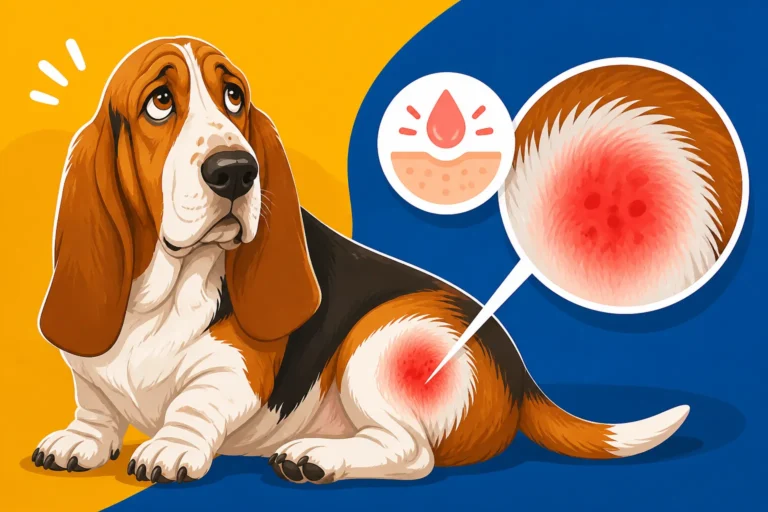
When the disc issue progresses, the symptoms become much more apparent and often alarming. Severe pain is a hallmark sign. Your Basset Hound might cry out when moving, yelp when touched, or even become aggressive due to fear and discomfort. They might refuse to move at all, lying still and whimpering. Weakness in their hind legs is another very common and concerning symptom. They might stumble, drag their paws, or even become completely unable to use their back legs, collapsing when they try to stand. This can progress to what's often called a "drunk walk" or ataxia, where their coordination is severely compromised.
In the most severe cases, a slipped disc can lead to partial or complete paralysis. This means they cannot move their hind legs at all, and they might also lose control of their bladder and bowels. This level of severity is a true emergency and requires immediate veterinary attention. Their long, heavy bodies and short legs mean that even mild instability can quickly escalate. If you notice your Basset Hound showing signs of pain or struggling to walk, don't wait. Early intervention is critical. It's also important to differentiate back pain from other conditions like The Old Basset Hound That Cannot Get Off the Floor, which could be due to arthritis or other mobility issues, though spinal problems are a major concern.
When to Seek Emergency Veterinary Care
There are definitely times when waiting even a few hours can significantly impact the outcome for your Basset Hound. If you notice any of the following, drop everything and head to the emergency vet:
- Sudden onset of severe pain: Your dog yelps constantly, screams when moved, or becomes completely unresponsive due to pain.
- Acute weakness or paralysis: They cannot stand, drag their hind legs, or collapse when attempting to move.
- Loss of bladder or bowel control: This is a critical sign of significant spinal cord compression.
- Rapid worsening of symptoms: If mild symptoms quickly escalate to severe ones, it's an emergency.
Remember, time is of the essence when the spinal cord is compressed. The longer the compression, the greater the potential for permanent damage. Don't try to "wait and see" if your Basset Hound improves overnight. A quick response can often mean the difference between a full recovery and long-term disability. Veterinary emergency services are equipped to diagnose and stabilize your dog, even if it's late at night or on a weekend. It's always better to be safe than sorry when it comes to spinal health.
Diagnosis and Treatment Options for IVDD
When your Basset Hound starts showing signs of back trouble, getting an accurate diagnosis is the first and most crucial step. It helps determine the severity of the problem and guides the best course of action for treatment.
How Vets Diagnose IVDD
When you bring your Basset Hound to the vet with suspected back pain, the first thing they'll do is a thorough physical and neurological exam. They'll observe your dog's gait, check their reflexes, assess their pain response, and carefully palpate their spine to pinpoint areas of tenderness. This initial exam provides a lot of clues about where the problem might be and how severe the neurological deficit is.
To confirm an IVDD diagnosis and determine the exact location and type of disc issue, your vet will likely recommend imaging. X-rays are often the first step; while they don't show the soft tissue of the disc directly, they can reveal narrowed disc spaces or calcified discs, which are indicators of IVDD. However, for a definitive diagnosis, especially if surgery is being considered, more advanced imaging like an MRI (Magnetic Resonance Imaging) or a CT scan is necessary. An MRI provides a detailed view of the spinal cord and surrounding soft tissues, clearly showing disc herniations and the extent of spinal cord compression. Given the potential costs, you might want to look into pet insurance options like Healthy Paws, as they often cover these diagnostic procedures, which can be quite expensive, with What a Basset Hound's MRI Costs being a significant factor. Myelograms, where a dye is injected into the spinal canal before X-rays, are an older method but can still be used if MRI isn't available.
Non-Surgical Management Strategies
For many Basset Hounds with IVDD, especially those with milder symptoms (pain without significant neurological deficits), conservative management is the first line of treatment. The cornerstone of this approach is strict crate rest. This means confining your Basset Hound to a small crate or pen for several weeks (typically 4-6 weeks), only letting them out for short, leashed potty breaks. The goal is to prevent any movement that could further damage the injured disc and allow it to heal. It can be incredibly hard to keep an active Basset Hound still, but it's vital for recovery.
Alongside rest, medication plays a crucial role. This usually involves anti-inflammatory drugs (NSAIDs or corticosteroids) to reduce swelling and pain, and sometimes muscle relaxants to ease muscle spasms. Pain medications are also often prescribed to keep your dog comfortable during recovery. After the initial period of rest and medication, physical therapy can be immensely beneficial. This might include gentle exercises, hydrotherapy (swimming in a controlled environment), massage, and passive range of motion exercises to help rebuild strength and coordination. Regular follow-up appointments with your vet are essential to monitor progress and adjust treatment as needed.
Surgical Interventions and Their Outcomes
When conservative management isn't enough, or if your Basset Hound presents with severe neurological deficits like paralysis or loss of deep pain sensation, surgery often becomes the best, and sometimes only, option. The primary goal of IVDD surgery is to remove the herniated disc material that is compressing the spinal cord, thereby relieving pressure and allowing the cord to recover. Common surgical procedures include hemilaminectomy, fenestration, or ventral slot procedures, depending on the location and type of disc herniation.
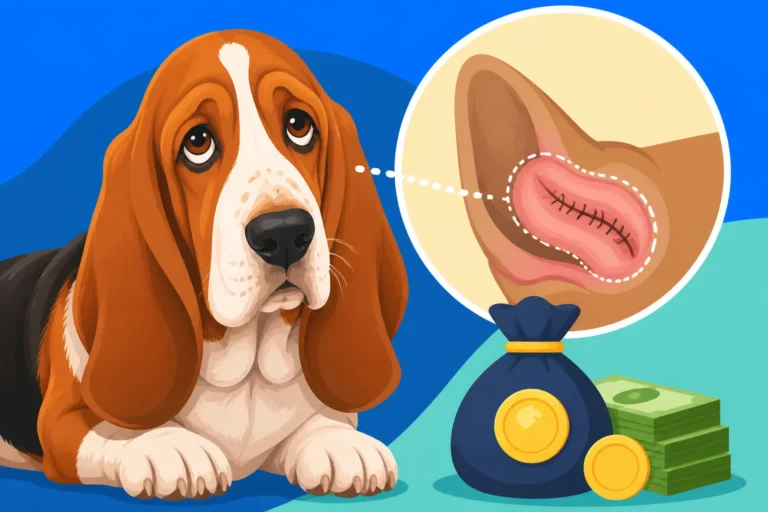
The success rate of surgery can be very high, especially if performed quickly after the onset of severe symptoms. Many dogs regain full function, though some may have residual weakness or neurological deficits. Post-operative care is just as critical as the surgery itself. This typically involves several weeks of strict crate rest, pain management, and a dedicated physical rehabilitation program. The recovery can be a long road, requiring patience and commitment from owners. The financial aspect is also significant; What Disc Surgery Costs on a Basset Hound can be substantial, emphasizing the value of good pet insurance. While daunting, surgery often provides the best chance for a good quality of life for Basset Hounds suffering from severe IVDD.
Preventing Slipped Discs and Supporting Your Basset Hound's Back
As Basset Hound owners, we often feel like we're constantly on guard against back issues. While we can't completely eliminate the genetic predisposition to IVDD, there are many proactive steps we can take to significantly reduce the risk and provide the best possible support for their unique physique.
Lifestyle Adjustments and Environmental Modifications
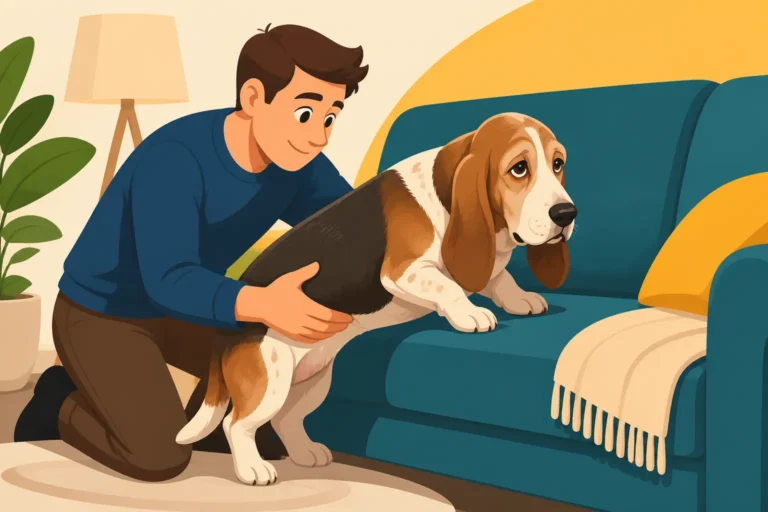
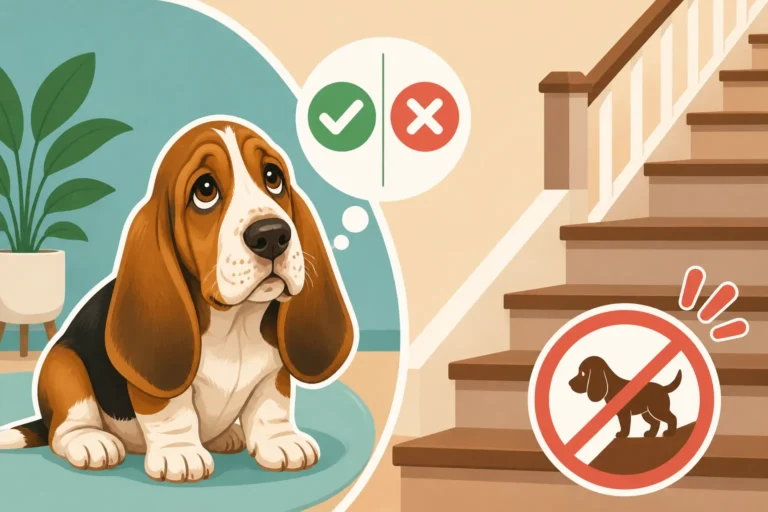
One of the biggest culprits for a Basset Hound's back trouble is high-impact activities. Preventing sudden jumps, twists, and falls is paramount. This means making some changes around the house. Instead of letting your Basset Hound jump off the couch or bed, invest in ramps or dog-friendly steps. These can save their spine from countless jarring impacts. Similarly, think about Whether a Basset Hound Should Jump Off Furniture and make a conscious effort to train them to use ramps or to wait to be lifted. When you do lift your Basset Hound, always support their entire body, especially their long back, by placing one arm under their chest and the other under their hindquarters. There are specific techniques for How to Lift a Basset Hound Safely.
Slippery floors, like hardwood or tile, can also pose a risk. Basset Hounds can slip and splay out, twisting their backs. Consider placing rugs or carpet runners in high-traffic areas to give them better traction. Managing your Basset Hound's weight is also incredibly important. What Extra Weight Does to a Basset Hound is significant; excess weight puts additional strain on their spine and joints, increasing the risk of disc problems. Work with your vet to ensure your Basset Hound maintains a healthy weight for their size and build.
Exercise and Activity Considerations
While strict crate rest is essential during recovery from a disc injury, appropriate exercise is key for prevention. Regular, moderate exercise helps keep the muscles supporting the spine strong and flexible. Think gentle, consistent walks on a leash. Avoid activities that involve a lot of jumping, twisting, or running up and down stairs. Short, frequent walks are generally better than one long, strenuous outing, especially as they get older.
Swimming can be an excellent low-impact exercise option, as it strengthens muscles without putting stress on the joints or spine. If your Basset Hound loves the water, consider supervised swimming sessions. Always avoid dog parks or off-leash areas where they might get into rough play or make sudden, unpredictable movements. The goal is controlled, purposeful movement that builds strength without risk. Remember, the focus isn't about pushing them to their limits, but rather maintaining a healthy, functional level of fitness.
Nutritional Support and Supplements
A well-balanced diet is fundamental for overall health, including spinal health. While no food can entirely prevent IVDD, a diet rich in high-quality protein and appropriate nutrients can support healthy muscle mass and maintain an ideal weight, which directly benefits the spine. Some owners also consider joint supplements containing ingredients like glucosamine, chondroitin, and MSM. While these are often marketed for joint health, they may offer some supportive benefits for disc health as well, as discs are made of similar cartilaginous material. Omega-3 fatty acids, like those found in fish oil, can also help reduce inflammation throughout the body, including the spine.
Always consult with your veterinarian before adding any supplements to your Basset Hound's diet. They can advise on appropriate dosages and whether a particular supplement is truly beneficial for your individual dog's needs. For instance, if your Basset Hound is overweight, a vet might recommend a specific weight-management diet alongside other preventative measures. Investing in preventative care now, from diet to ramps to considering a pet insurance plan from a provider like Healthy Paws, can save a lot of heartache (and money) down the line. It's about giving your Basset Hound the best chance at a long, comfortable life.
| Symptom Severity | Description | Typical Treatment Approach | Urgency for Vet Visit |
|---|---|---|---|
| Grade 1 | Mild back/neck pain, reluctance to move, hunched posture. No neurological deficits. | Strict crate rest, pain/anti-inflammatory meds. | Within 24-48 hours |
| Grade 2 | Moderate pain, wobbly gait (ataxia), weakness in hind limbs, but still able to walk. | Strict crate rest, pain/anti-inflammatory meds. Possibly physical therapy. | Within 12-24 hours |
| Grade 3 | Severe pain, unable to stand or walk without significant assistance, knuckling under. | Immediate vet visit. Surgical consideration. Strict crate rest & meds if non-surgical. | Emergency (within hours) |
| Grade 4 | Paralysis of hind limbs, but still has deep pain sensation. | Immediate vet visit. High likelihood of surgery. | Emergency (within hours) |
| Grade 5 | Paralysis of hind limbs, complete loss of deep pain sensation. | Immediate vet visit. Emergency surgery often critical for prognosis. | Critical Emergency (immediately) |
Disclaimer
The information provided in this article is for general educational purposes only and should not be considered a substitute for professional veterinary advice. Always consult with a qualified veterinarian for any health concerns or before making any decisions related to your Basset Hound's health and treatment.