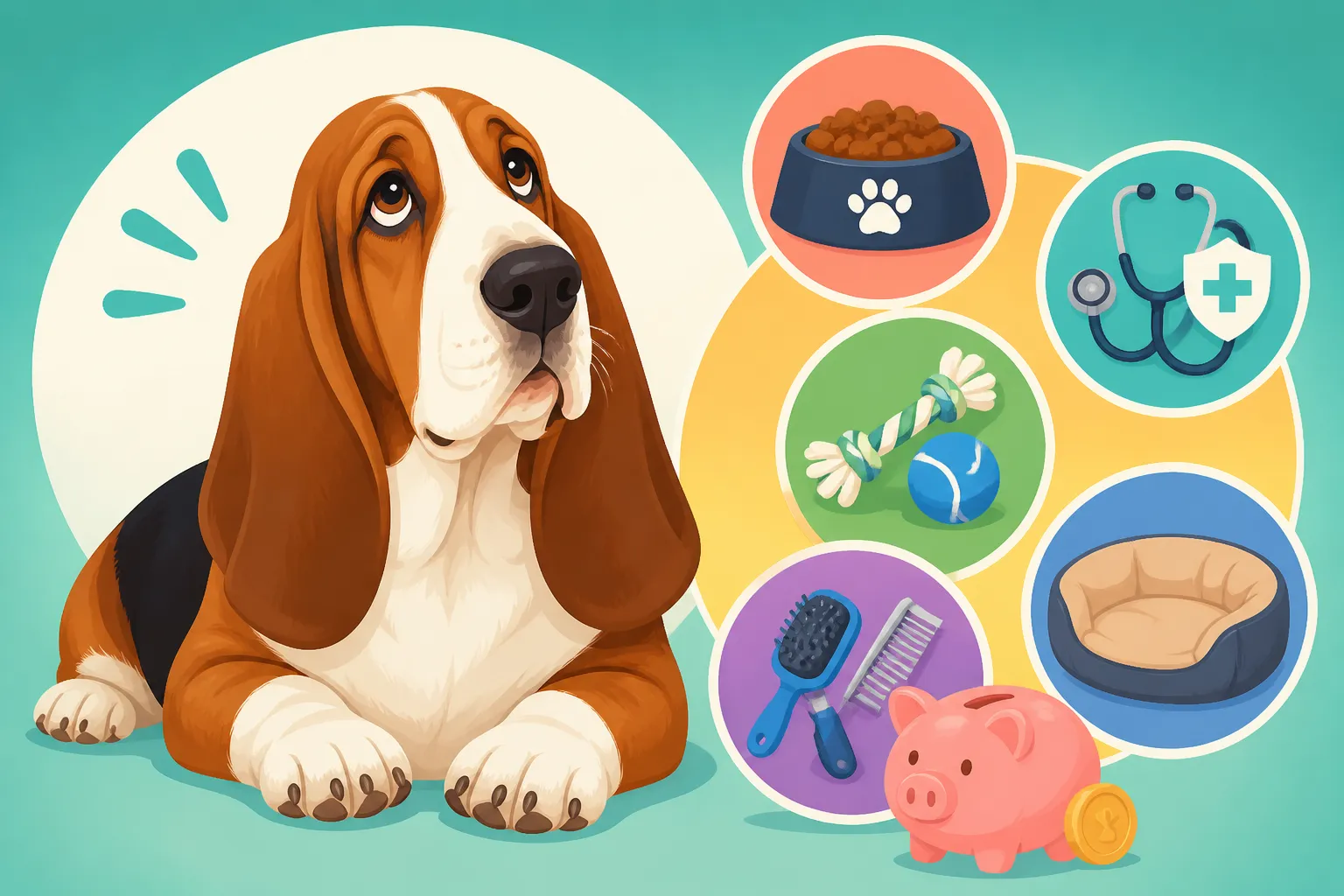
What Adopting a Basset Hound Costs
Bringing a Basset Hound into your life through adoption is a truly wonderful and selfless act, but many first-time adopters are surprised to learn that "free" isn't quite the reality. While the emotional rewards are immeasurable, there are very real financial commitments, both immediate and ongoing, that come with welcoming one of these lovable, long-eared companions into your home. This comprehensive guide will walk you through all the costs associated with adopting a Basset Hound, from the initial fees to long-term care, helping you budget wisely and ensure your new family member thrives.
The Initial Sticker Price: Adoption Fees
When you open your heart and home to an adopted Basset Hound, the first thing you'll encounter is often an adoption fee. This isn't a profit-making venture for rescues and shelters; it's a vital contribution that helps cover the extensive care your dog has already received and supports the vital work these organizations do for countless other animals. It’s important to see this fee not as a hurdle, but as an investment in a dog's future and a token of appreciation for the dedicated people who rescued them.
Understanding Rescue Organization Fees
Rescue organizations and animal shelters operate on donations and these crucial adoption fees. Before a Basset Hound is ready for adoption, they typically receive a thorough veterinary check-up, necessary vaccinations, deworming, and often a microchip. Most importantly, nearly all reputable rescues ensure that dogs are spayed or neutered before going to their forever homes, which is a significant veterinary expense in itself. These fees help offset these costs, ensuring that the next Basset Hound in need can also receive the same level of care. Without these fees, the rescues simply wouldn't be able to continue their life-saving work.
Comparing Costs: Shelter vs. Breed-Specific Rescue
The adoption fee can vary depending on where you adopt your Basset Hound. Local animal shelters often have lower, more standardized fees that might range from $150 to $400, sometimes with specials for older dogs or during adoption events. These shelters take in all breeds and mixes, so their cost structure is typically designed to be accessible to a wide range of adopters.
Breed-specific Basset Hound rescues, on the other hand, might have slightly higher fees, often between $300 and $600, or sometimes even more for a highly sought-after puppy or young adult. This is largely because these specialized rescues often take on dogs with more complex medical needs specific to the breed, like chronic ear infections or back issues, requiring more extensive and costly veterinary intervention before they are ready for adoption. They also invest heavily in breed-specific behavioral assessment and rehabilitation. While the fee might be higher, you're often getting a dog whose specific breed needs have been thoroughly addressed.
What the Fee Typically Covers
It’s easy to focus on the dollar amount, but understanding the value packed into an adoption fee can shift your perspective. Most adoption fees cover:
- Spay/Neuter Surgery: This is a major medical procedure that can cost anywhere from $200 to $500 or more if done privately. It prevents unwanted litters and often reduces certain health risks.
- Initial Vaccinations: Puppies and adult dogs need a series of core vaccinations (distemper, parvovirus, adenovirus, rabies). These can be $25-$50 per shot, plus office visit fees.
- Microchipping: A microchip is a permanent form of identification that greatly increases the chances of your Basset Hound being returned if lost. This service typically costs around $40-$75.
- Deworming and Parasite Treatment: Most rescue dogs receive treatments for common internal and external parasites, which can be an unexpected expense if you were to handle it yourself.
- Initial Veterinary Exam: A basic health check to ensure the dog is fit for adoption.
- Temporary Food and Supplies: The cost of feeding and housing the dog while at the rescue or in a foster home.
Considering these services, the adoption fee is often a fraction of what you would pay if you were to purchase a dog from a source that doesn't provide these services and then had to cover them yourself. It's a fantastic value for the care your new Basset Hound has already received.
Beyond the Fee: Immediate Costs After Adoption
Once you've paid the adoption fee and brought your new Basset Hound home, the financial journey has only just begun. There are several immediate costs you'll need to factor into your budget to ensure a smooth transition and a healthy start for your new companion. These initial setup expenses are crucial for establishing a safe, comfortable, and stimulating environment.
First Vet Visit and Health Checks
Even if your adopted Basset Hound comes with a clean bill of health from the rescue, scheduling a "welcome home" vet visit within the first week or two is absolutely essential. This allows your veterinarian to establish a baseline for your dog's health, review their vaccination records, and conduct their own thorough examination. For a Basset Hound, this visit is particularly important to specifically check for issues common to the breed. Your vet will pay close attention to their long, floppy ears, which are prone to infections, and examine their eyes for signs of conditions like glaucoma or entropion. They'll also assess their unique body structure, especially their spine and joints, to catch any potential early signs of back or elbow problems.
This initial check-up might include fecal tests to check for lingering parasites, a general blood panel if there's any concern about underlying conditions, and heartworm testing if it wasn't done recently or if you live in an endemic area. These tests can range from $50 to $200 depending on what's needed. Discussing a preventative care plan, including flea, tick, and heartworm medication, will also be part of this visit, adding to your immediate out-of-pocket costs but protecting your Basset Hound from future, more expensive illnesses.
Essential Supplies for Your New Basset Hound
Before your Basset Hound even steps foot in your home, you'll want to have some basic supplies ready to go. These items create a welcoming and secure environment. For a Basset Hound, choosing the right type and size is especially important due to their unique build.
- Crate: A sturdy, appropriately sized crate is vital for house-training, providing a safe den, and managing separation anxiety. Basset Hounds are surprisingly robust, so look for a durable metal or heavy-duty plastic crate. You'll need one large enough for them to stand, turn around, and lie down comfortably, typically a 42-inch or 48-inch crate for an adult Basset. Prices range from $70 to $200.
- Bedding: An orthopedic dog bed is a non-negotiable for a Basset Hound. Their long backs and heavy bodies are prone to joint issues and back problems, so proper support is critical. Look for beds with memory foam or dense orthopedic fill. Expect to pay $50 to $150 or more for a good quality, large orthopedic bed.
- Food and Water Bowls: Stainless steel or ceramic bowls are best for hygiene. You might also consider raised bowls to help with digestion and reduce strain on their neck and back, especially important for a low-slung breed like a Basset Hound. A slow feeder bowl can also be helpful as Bassets are known to "bolt" their food. A good set of bowls can cost $20-$60.
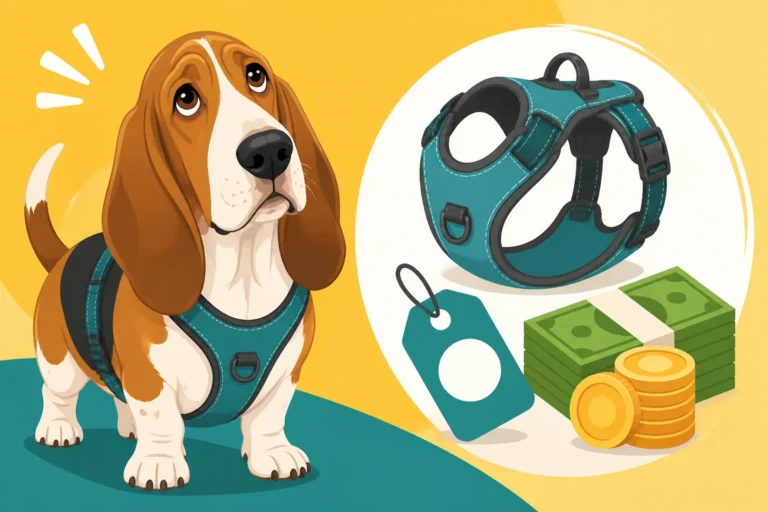
- Leash and Harness: A sturdy, comfortable harness (not just a collar, which can put strain on their neck) is essential for walking a Basset. Given their strong scent drive and tendency to pull, a front-clip harness or a harness designed for strong pullers can be invaluable. A 6-foot leash made of durable material is also a must. You'll likely spend $30-$70 on a good quality leash and harness.
- Toys: Durable chew toys, puzzle toys to engage their powerful noses, and soft comfort toys are all important. Bassets love to chew, so invest in quality, long-lasting toys. This initial stock might set you back $30-$100.
- Grooming Tools: You'll need a rubber curry brush for their shedding coat, nail clippers or a grinder for their thick nails, and ear cleaning solution specific for dogs, along with cotton balls or gauze. Given their propensity for ear issues, investing in a good quality ear cleaner from your vet is smart. These tools can cost $30-$70.
- Identification: Even with a microchip, a collar with an ID tag (with your name and phone number) is crucial for immediate identification if they wander. Some owners also choose to outfit their Basset Hound with a GPS tracker, especially if they have a strong prey drive. These range from simple tags ($5-15) to GPS trackers ($50-150 plus a monthly subscription).
Many of these items can be found readily online from retailers like Chewy, offering a wide selection and often competitive pricing.
Initial Food and Nutrition
The first bag of food for your adopted Basset Hound is another immediate cost. It's often recommended to continue feeding the food the rescue was using for at least a week or two to avoid stomach upset during an already stressful transition. Your vet can then help you choose a high-quality food appropriate for your Basset's age, weight, and activity level. Basset Hounds are prone to weight gain, so selecting a balanced, nutritious diet from the start is paramount to preventing future health problems and associated vet bills.
You might spend $40-$80 on a large bag of quality kibble. If you opt for fresh food options, like those from Ollie, the initial cost will be higher, potentially $60-$120 per month, but many owners feel the health benefits are worth the investment. Always transition to new food slowly over 7-10 days to prevent digestive upset. You might also want to pick up some healthy, low-calorie training treats, especially if you plan to start training right away.
Preparing Your Home for a Basset Hound
Beyond the immediate supplies, your home itself might need some modifications to make it Basset-friendly. These preparations are not just about comfort; they're about safety and preventing common Basset Hound challenges. Ignoring these aspects can lead to bigger expenses down the line, either through veterinary emergencies or property damage.
Fencing and Containment
A secure yard is almost a non-negotiable for a Basset Hound. Their noses are incredibly powerful, second only to a Bloodhound's, and once they pick up an interesting scent, they become singularly focused. They literally go "deaf" to your calls and will follow that scent anywhere, regardless of traffic or property lines. This strong scent drive means that even a momentarily open gate can lead to a lost dog situation.
Many Basset Hound owners find that a solid fence at least 4-5 feet high is necessary, as some Bassets can be surprisingly good jumpers if motivated. More importantly, you'll need to check for gaps under the fence or areas where they might dig. Bassets aren't typically avid diggers like some terrier breeds, but a compelling scent could certainly inspire them. The cost of installing or repairing a fence can range dramatically, from a few hundred dollars for minor repairs to several thousands for a new, secure perimeter. If you live in an apartment or don't have a yard, you'll need to commit to frequent, leashed walks in secure areas, which may lead to considering services like dog walkers, another recurring expense.
Safety and Accessibility: Ramps, Gates, and Orthopedic Beds
Basset Hounds are famous for their long, heavy bodies and short legs, a combination that makes them particularly vulnerable to intervertebral disc disease (IVDD) and other back problems. Preventing excessive jumping and stair climbing is crucial for their spinal health. This means investing in tools to make your home safer.
- Ramps or Steps: For couches, beds, and especially for getting in and out of cars, ramps or dog steps are essential. Jumping down from even a relatively low height can put immense strain on their delicate spines. Investing in a good quality ramp (ranging from $50 to $200) can save you thousands in potential back surgery down the line. You can learn more about whether a Basset Hound should use a ramp by checking out this guide.
- Baby Gates: To block off stairs or restrict access to certain rooms where jumping might be an issue, baby gates are incredibly useful. These can cost $20-$60 each, but are a small price to pay for spinal protection.
- Orthopedic Beds: As mentioned in initial supplies, a high-quality orthopedic bed provides critical support for their joints and spine, helping to prevent calluses on their elbows and hocks, and alleviating pressure points. This is especially important as they age.
- Slippery Floors: Many Basset owners also invest in rugs or runners for slippery hardwood or tile floors. Bassets can struggle for traction, which can lead to slips, falls, and injuries that strain their joints and back. The cost of rugs is variable, but often overlooked in the budget.
These items are not luxuries; they are preventative measures that are vital for the long-term health and well-being of your Basset Hound, and ultimately for avoiding the potentially astronomical costs of emergency surgeries.
Cleaning Supplies for Drool and Shedding
Let's be realistic: Basset Hounds drool. A lot. Especially after drinking water, eating, or getting excited. Their loose jowls and dewlaps are part of their charm, but they also mean you'll be dealing with more slobber than with many other breeds. You'll need a steady supply of absorbent towels for wiping faces and surfaces. Many Basset owners keep "drool towels" strategically placed around the house.
While Basset Hounds have a short, smooth coat, they are not low-shedding dogs. They shed quite a bit, consistently throughout the year. You'll want to invest in a good quality vacuum cleaner, ideally one designed for pet hair, and lint rollers will become your best friend. Regular brushing with a rubber curry comb can help manage the shedding, but you'll still find plenty of short, stiff hairs on furniture, clothes, and floors. Expect to spend $10-$30 monthly on cleaning supplies and potentially a larger, one-time investment in a powerful vacuum ($100-$400).
Ongoing Financial Commitments: The Long-Term View
Adopting a Basset Hound is a long-term commitment, and the initial costs are just the beginning. To truly provide a happy and healthy life for your new companion, you need to budget for consistent, ongoing expenses that will span their entire lifespan of typically ten to twelve years. These include food, routine vet care, and regular grooming.
Monthly Food Budget
Basset Hounds love to eat, and they can be incredibly persuasive beggars. Managing their weight is one of the most important aspects of their care, as carrying extra weight does a lot of harm to a Basset Hound's delicate back and joints. The cost of food will be a significant ongoing expense. A high-quality kibble for a Basset Hound can run anywhere from $40 to $80 per month, depending on the brand, quality of ingredients, and the size of your dog. If your Basset requires a specialized diet due to allergies or other health conditions, or if you opt for fresh food services like Ollie, these costs can easily increase to $100-$200 per month.
It's tempting to buy cheaper food, but investing in good nutrition is an investment in your dog's long-term health, potentially reducing vet bills later on. Always factor in the cost of healthy treats, too, as these are essential for training and enrichment, but should be given in moderation to avoid weight gain. Our guide on What Feeding a Basset Hound to the Right Weight Costs provides more detailed insights into this crucial aspect of their care.
Routine Veterinary Care and Preventative Medicine
Even the healthiest Basset Hound needs regular vet visits. Annual check-ups are vital for monitoring their overall health, administering booster vaccinations, and discussing preventative care. These yearly visits typically cost $50-$150, not including vaccinations or tests. Preventative medications for heartworm, fleas, and ticks are also ongoing monthly expenses, often totaling $20-$50 per month, depending on your location and chosen products.
For Basset Hounds, there are specific health concerns that often lead to higher vet bills. Their long, pendulous ears are prime breeding grounds for infections, meaning you might find yourself at the vet for ear issues several times a year. These visits involve examinations, ear cleanings, and prescription medications, each visit potentially costing $80-$250 or more if cultures are needed or if the infection is particularly stubborn. It’s not uncommon for a Basset Hound to need lifelong ear medication if chronic issues develop. Regular eye checks are also wise, as Bassets can be prone to glaucoma. These routine checks, while sometimes costly, are essential for catching problems early and preventing more severe and expensive conditions.
Grooming and Maintenance
While Basset Hounds have short coats, their grooming needs are specific due to their unique features.
- Ear Cleaning: This is perhaps the most critical and frequent grooming task. Their long, heavy ears trap moisture and dirt, creating a perfect environment for yeast and bacterial infections. You'll need to clean their ears thoroughly at least once or twice a week, and sometimes more if they are prone to issues. This requires dog-specific ear cleaning solution (about $15-$30 a bottle, lasting a month or two) and cotton balls. If you're squeamish or unsure, professional ear cleaning at the groomer or vet will add to your costs ($20-$50 per session). Our guide on The Twice Weekly Ear Ritual a Basset Hound Owner Signs Up For delves into this further.
- Bathing: Basset Hounds can get quite muddy and, despite their short coat, can develop a distinct "houndy" odor. Regular baths, perhaps monthly or as needed, are important. You'll need a good dog shampoo ($10-$25 a bottle). If you opt for professional grooming, baths can cost $40-$80 per session.
- Nail Trims: Basset Hounds have surprisingly tough, fast-growing nails that need to be trimmed every 2-4 weeks. If their nails get too long, they can affect their gait, cause discomfort, and even lead to foot problems. You can learn to do this at home with clippers or a grinder ($15-$40 initially), or have it done professionally at the vet or groomer ($15-$30 per session).
- Skin Fold Cleaning: The adorable wrinkles around their face and neck can also trap moisture and debris, leading to skin fold infections. Regular wiping with a damp cloth or specialized wipes is needed to keep these areas clean and dry. These wipes can cost $10-$20 per pack.
These routine care items might seem small individually, but they add up, and neglecting them can lead to much larger vet bills down the road for issues like severe ear infections or painful paw problems.
Unexpected Expenses: Budgeting for the "What If"
Even with the best preventative care, life with a Basset Hound inevitably brings unexpected expenses. These can range from minor mishaps to major medical emergencies. Being prepared for these "what if" scenarios is crucial for responsible Basset Hound ownership, as some of the health issues they are prone to can be incredibly costly.
Health Issues Common to Basset Hounds
Basset Hounds are a breed predisposed to several significant health problems, and while genetics play a role, lifestyle and environment also contribute. These conditions can result in hefty vet bills:
- Ear Infections: As mentioned, this is practically a rite of passage for Basset Hound owners. Chronic, recurrent ear infections can be incredibly frustrating and expensive, requiring multiple vet visits, specialized cleaners, ear drops, and sometimes even sedated cleanings or surgical intervention. You can read more about why a Basset Hound's ears cost more than the puppy did.
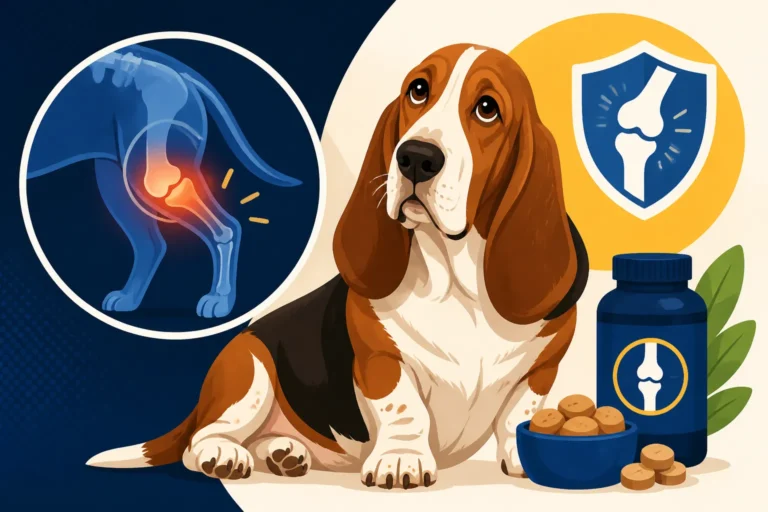
- Back Problems (IVDD): Intervertebral Disc Disease is a major concern for Basset Hounds. A slipped or ruptured disc can lead to sudden pain, lameness, and even paralysis. Diagnostic tests (X-rays, MRI) and treatment can be incredibly expensive. Non-surgical management involves strict crate rest, pain medication, and anti-inflammatories, costing hundreds. However, severe cases often require emergency spinal surgery, which can easily run from $3,000 to $8,000 or more, plus weeks or months of physical therapy afterward. The back trouble a Basset Hound is built into is a serious consideration for all owners.
- Eye Conditions: Basset Hounds can be prone to glaucoma, where pressure builds in the eye and can lead to blindness if not treated quickly, and entropion/ectropion, where eyelids roll inward or outward, requiring surgery. Glaucoma treatment involves expensive eye drops, which can be $50-$100 per month, and potentially surgery, which costs thousands.
- Bloat (Gastric Dilatation-Volvulus): While not exclusive to Bassets, their deep chests put them at higher risk for this life-threatening condition where the stomach twists. Bloat is a medical emergency requiring immediate, expensive surgery, often costing $2,000-$7,000.
- Elbow Dysplasia and Arthritis: Another common orthopedic issue for the breed. As they age, Bassets often develop arthritis, requiring ongoing medication, supplements, and potentially specialized diets or injections to manage pain and maintain mobility. Dealing with why one Basset Hound in seven has bad elbows can be a long-term commitment.
These are just a few examples, but they highlight the importance of having financial reserves or insurance.
Pet Insurance Considerations
Given the breed's predispositions to costly health issues, pet insurance is a wise investment for many Basset Hound owners. It helps mitigate the financial burden of unexpected accidents and illnesses, turning potentially overwhelming bills into manageable monthly premiums and deductibles.
- What it Covers: Most comprehensive pet insurance plans cover accidents, illnesses, emergency care, surgery, hospitalization, diagnostics (X-rays, blood tests), and prescription medications. Some plans offer wellness add-ons for routine care.
- Cost: Premiums vary based on the dog's age, breed, your location, and the plan's coverage level (deductible, reimbursement percentage, annual limit). For a Basset Hound, you might expect to pay $30-$70 per month for a good accident and illness policy. Companies like Healthy Paws are popular choices among pet owners, known for their comprehensive coverage. It's crucial to compare policies and understand what they cover, especially regarding breed-specific conditions, and to enroll your Basset Hound when they are young and healthy to avoid pre-existing condition exclusions. A related topic you might find helpful is Insuring a Basset Hound Against Eyes, Ears and Backs.
Emergency Fund and Savings
Even with pet insurance, it's always prudent to have an emergency fund specifically for your Basset Hound. Insurance typically has a deductible and a reimbursement percentage (e.g., 80% or 90%), meaning you'll still be responsible for a portion of the vet bill. For a $5,000 surgery, even with 90% reimbursement, you'd still pay $500 plus your deductible. An emergency fund of $1,000-$3,000 can provide critical peace of mind for these situations. This fund can also cover things not covered by insurance, such as specific supplements or alternative therapies.
Lifestyle Costs and Enrichments
Owning a Basset Hound is more than just providing food and vet care; it's about enriching their lives and giving them opportunities to be happy and healthy. These lifestyle costs contribute to their overall well-being and strengthen your bond.
Training and Socialization
Basset Hounds are intelligent, but they are also known for their independent and sometimes "stubborn" nature. Their incredible nose can be a huge distraction, making traditional obedience training a unique challenge. Investing in positive reinforcement training classes is highly recommended, especially when they are puppies, to help them learn basic manners and socialize appropriately.
- Puppy Classes: Typically cost $100-$200 for a 6-8 week course.
- Adult Obedience Classes: Similar pricing, around $150-$250.
- Professional Trainer: If you encounter specific behavioral issues or need more specialized guidance, hiring a private trainer can range from $75-$200 per hour session, or $500-$1500+ for a package of sessions.
- Scent Work Classes: Basset Hounds excel at scent work! These classes engage their natural instincts and can be incredibly fulfilling for them, often costing $100-$250 for a series of sessions. Giving a Basset Hound's nose something to do is not just fun, it's essential for their mental well-being.
These costs are an investment in a well-behaved dog and a harmonious household, potentially preventing more costly problems caused by unruly behavior.
Toys, Chews, and Enrichment Activities
A bored Basset Hound can sometimes be a destructive Basset Hound. Providing a variety of toys and enrichment activities is important for their mental stimulation and physical health.
- Durable Chews: Bassets love to chew, so rotate through durable chew toys, puzzle toys, and treat-dispensing toys. These can cost $10-$30 per item and will need regular replacement.
- Puzzle Toys: To engage their powerful noses and problem-solving skills, puzzle toys where they have to work for a treat are excellent.
- Walks and Outings: While Bassets aren't extreme athletes, they do enjoy regular walks. Factor in the cost of sturdy leashes, harnesses, and perhaps even a dog stroller or wagon for longer excursions as they get older or if their back acts up. Consider visiting dog-friendly parks, which might have entry fees or require gas money.
Pet Sitting or Boarding
If you travel, you'll need a plan for your Basset Hound's care.
- Pet Sitter: Hiring a pet sitter to come to your home can range from $20-$40 per visit, or $60-$100+ for overnight stays.
- Boarding Kennel: A reputable boarding kennel can cost $30-$60 per night.
- Doggy Daycare: If you work long hours, or just want to provide extra socialization and activity, doggy daycare can be a great option, costing $20-$40 per day.
These costs can add up quickly, so it's essential to factor them into your vacation budget.
Here's a quick overview of potential adoption and initial costs:
| Item | Estimated Cost Range (USD) | Notes |
|---|---|---|
| Adoption Fee | $150 – $600 | Varies by shelter/rescue, typically covers spay/neuter, vaccinations, microchip, initial vet check. |
| First Vet Exam (post-adoption) | $100 – $300 | Includes check-up, fecal test, potential bloodwork, preventative meds. |
| Crate (large) | $70 – $200 | Essential for house-training and safety; needs to be large enough. |
| Orthopedic Dog Bed | $50 – $150 | Crucial for back and joint health. |
| Food & Water Bowls | $20 – $60 | Consider raised bowls for Bassets. |
| Leash & Harness | $30 – $70 | Front-clip harness recommended for strong pullers. |
| Initial Food Supply | $40 – $80 | High-quality, appropriate for age/weight. |
| Toys & Chews | $30 – $100 | Durable and stimulating. |
| Grooming Tools | $30 – $70 | Brush, nail clippers, ear cleaner (specific for dogs). |
| ID Tag / Tracker | $5 – $150 | Basic tag to GPS tracker (plus subscription). |
| Ramps/Gates (if needed) | $50 – $200+ | For furniture, car, stairs to protect their back. |
| Total Initial Costs (Estimate) | $585 – $1,980+ | Does not include fencing or major home modifications. |
What a Basset Hound costs a year to keep can fluctuate significantly, but being aware of these potential expenditures will help you prepare. Adopting a Basset Hound is an incredibly rewarding experience, but it’s vital to go in with your eyes wide open to the financial realities. They give so much love and laughter, and they deserve a life where their physical and emotional needs are met without financial stress. By planning ahead and budgeting for both the expected and unexpected, you can provide your floppy-eared friend with a wonderful, secure home for many years to come.
Disclaimer
Please note that this article provides general information and estimated costs. Actual expenses may vary significantly based on your geographic location, your Basset Hound's individual health needs, the specific products and services you choose, and unexpected veterinary emergencies. Always consult with your veterinarian for personalized advice regarding your pet's care and financial planning.