What a Basset Hound Costs a Year to Keep
Bringing a Basset Hound into your life is an incredible joy, full of snuggles, silly antics, and that distinctive bay. But let's be real, many prospective owners, and even some current ones, are caught off guard by the actual financial commitment involved beyond the initial puppy price. This guide will meticulously break down the various costs you can expect to incur annually, helping you prepare for a long and healthy life with your beloved floppy-eared companion.
The Foundation: Initial Setup and Recurring Supplies
When you first bring home your Basset Hound, there are immediate purchases that need to be made, but many of these items also have a recurring cost in terms of replacement or ongoing use. It’s not just a one-and-done shopping spree; you'll find yourself needing to refresh certain essentials annually or biannually.
The Necessities: Beds, Bowls, and Leashes
Every Basset Hound needs a comfortable place to rest, and given their propensity for joint issues and heavy bodies, an orthopedic bed isn't just a luxury—it's a preventative measure. While a good quality orthopedic bed might be an initial investment of $80-$200+, you'll likely need to replace covers, or even the entire bed, every few years due to wear and tear, or if your Basset decides it makes a fantastic chew toy. These ongoing replacement costs can easily add another $50-$100 to your yearly budget.
Then there are the bowls. Basset Hounds, with their long ears, often drag them through food and water if the bowls aren't chosen carefully. Investing in deeper, narrower bowls or even a slow-feeder bowl (if your Basset wolfs down their food too quickly, which many do) is a smart move. These durable bowls might last for years, but wear, damage, or the desire for an upgrade can lead to $20-$50 in annual spending. Lastly, a sturdy leash and a well-fitting harness are absolute musts. Given a Basset's powerful nose and potential to pull, a high-quality harness designed for comfort and control, like those from brands such as Ruffwear or Blue-9, is essential. These can range from $30-$60 each and may need replacement every 1-2 years, especially if your Basset is an enthusiastic walker or if the hardware starts to show signs of fatigue. Remember, a cheap collar often won't cut it for a Basset's determined nature.
Toys and Mental Enrichment
Basset Hounds might seem laid-back, but they are intelligent hounds who need mental and physical stimulation to prevent boredom, which can often manifest as destructive behavior. Durable chew toys are vital, as Bassets have strong jaws and can quickly demolish lesser toys. Brands like Kong or Nylabone offer excellent options that can withstand persistent chewing, typically costing $10-$30 per toy. You'll likely need to replace a few of these throughout the year as they wear out.
Beyond chew toys, puzzle toys are fantastic for engaging a Basset's keen mind and nose. Snuffle mats, treat-dispensing toys, and interactive feeders can keep them occupied for significant periods. These can range from $15-$40 each, and it's a good idea to rotate them or introduce new ones periodically to maintain interest. Websites like Chewy offer a vast selection, making it easy to find new and engaging options to keep your Basset mentally stimulated throughout the year, adding around $50-$150 annually to your budget for enrichment items.
Cleaning Supplies for the Home
Let's face it, Basset Hounds are wonderful, but they can be a bit messy. Between shedding, occasional accidents (especially with puppies or senior dogs), and the infamous drool, having a dedicated arsenal of cleaning supplies is non-negotiable. Pet-specific enzyme cleaners are a lifesaver for tackling stains and odors from accidents, and you'll likely go through several bottles a year, costing $30-$60.
Beyond accident cleanup, you'll want to invest in good quality lint rollers and vacuum bags or filters to manage the shedding. While Bassets have a short coat, they do shed year-round. Dedicated drool rags or bandanas, which require frequent washing, are also a staple. Keeping up with the general cleanliness of your home when you have a Basset means factoring in ongoing costs for these household cleaning aids, which can easily accumulate to $50-$100 per year. It's not just about aesthetics; a clean home contributes to a healthier environment for both you and your Basset.
Essential Healthcare: The Non-Negotiables
No matter how robust your Basset Hound seems, routine veterinary care is the cornerstone of their well-being. These aren't optional expenses; they are fundamental investments in your dog's health and longevity, helping to catch potential issues before they become major, costly problems.
Routine Veterinary Check-ups and Vaccinations
An annual wellness exam with your veterinarian is crucial for every Basset Hound. During this visit, your vet will perform a thorough physical assessment, check their weight, listen to their heart and lungs, and generally ensure everything is in working order. This annual check-up typically costs anywhere from $50-$150, depending on your location and clinic. It’s also the time for booster vaccinations, which protect against common and dangerous diseases such as rabies, distemper, parvovirus, and adenovirus. Depending on your dog's lifestyle and local regulations, they might also need bordetella (kennel cough) or leptospirosis vaccines.
These vaccinations can add another $50-$150 to your annual vet bill. Keeping up with routine vaccinations is not just about compliance; it's about safeguarding your Basset Hound from preventable illnesses that could otherwise lead to extensive and expensive treatments down the line. Missing these basic preventative steps can expose your beloved companion to unnecessary risks and could even invalidate certain pet insurance policies, leaving you with even larger bills if they fall ill.
Parasite Prevention: Flea, Tick, and Heartworm
Consistent parasite prevention is another non-negotiable yearly expense. Fleas and ticks are not just itchy nuisances; they can transmit serious diseases like Lyme disease, Ehrlichiosis, and tapeworms, which can lead to expensive diagnostic tests and treatments. Heartworm disease, transmitted by mosquitoes, is particularly dangerous and can be fatal if left untreated, with treatment often costing thousands of dollars and involving significant risks to your dog.
To prevent these, your Basset Hound will need year-round protection. This typically involves monthly oral medications or topical treatments for fleas and ticks, and a separate monthly oral medication for heartworm. Depending on the brands and your dog's weight, these preventatives can cost between $25-$75 per month, adding $300-$900 to your annual budget. This also usually includes an annual heartworm test, which is a blood test to ensure your dog hasn't contracted the parasite, costing an additional $20-$50. While it seems like a lot, it's a far cry from the emotional and financial burden of treating a full-blown infestation or disease.
Dental Care: Beyond Brushing
Dental health is often overlooked, but it's incredibly important for a dog's overall well-being. Just like humans, dogs can develop plaque, tartar, gum disease, and painful tooth infections. These issues can lead to bad breath, difficulty eating, and even systemic health problems if bacteria from the mouth enter the bloodstream. While daily tooth brushing with dog-specific toothpaste is highly recommended at home, most Basset Hounds will eventually require professional dental cleanings under anesthesia.
A professional dental cleaning, which includes scaling, polishing, and sometimes extractions, can be a significant expense, often ranging from $300 to over $1,000, especially if extractions or specialized care are needed. Many vets recommend these cleanings every 1-3 years. To minimize the frequency and cost of professional cleanings, investing in dental chews and enzymatic toothpaste ($30-$60 annually) can help maintain oral hygiene between vet visits. Remember, ignoring dental issues doesn't make them go away; it usually just makes them worse and more expensive to treat later.
Navigating Specialized Basset Hound Health Costs
Basset Hounds, with their distinctive features, are unfortunately predisposed to certain health conditions that can add specific and often substantial costs to their yearly care. Being aware of these potential issues is key to proactive management and financial planning.
The Infamous Basset Hound Ears
Those long, luxurious ears are undeniably charming, but they are also a notorious hotspot for health issues. Their length and heavy folds mean that air circulation is poor, creating a warm, moist environment perfect for yeast and bacterial infections. It's a truth universally acknowledged among Basset owners: you'll spend a significant amount of time and money on ear care. Routine ear cleaning, sometimes twice weekly, is absolutely essential, and you can learn more about How Often a Basset Hound's Ears Must Be Cleaned to stay on top of it.
Even with diligent cleaning, ear infections are incredibly common. A single vet visit for an ear infection, including an exam, ear cytology (checking for yeast/bacteria), and medication (ear drops, oral antibiotics), can easily cost $100-$300. For Bassets with chronic or recurring infections, these costs can multiply throughout the year. In severe cases, where the ear canal has become irreparably damaged, surgery like a Total Ear Canal Ablation (TECA) might be necessary, costing thousands. Some Bassets may even need Whether a Basset Hound Needs Lifelong Ear Medication, adding a regular pharmaceutical expense. The unique anatomy, as discussed in Why a Basset Hound's Ear Canal Never Dries, makes them particularly susceptible. Budgeting at least $200-$500 annually for ear care, even for a relatively healthy Basset, is a realistic expectation.
Eye Health Concerns
A Basset Hound's soulful, droopy eyes are another breed hallmark, but their structure can lead to several eye conditions. The loose skin around their eyes can make them prone to issues like entropion (eyelids roll inward, irritating the cornea) or ectropion (eyelids roll outward, exposing the eye). These conditions may require surgical correction, which can cost $500-$2,000 per eye. More seriously, Basset Hounds are genetically predisposed to glaucoma, a painful condition where pressure builds up in the eye, potentially leading to blindness. For more details, you might want to read about The Glaucoma a Basset Hound Inherits.
Regular eye checks are important, and if glaucoma is suspected, a tonometry test to measure eye pressure will be needed. What a Basset Hound's Eye Pressure Check Costs typically ranges from $30-$70 per visit, and if diagnosed, lifelong eye drops ($50-$150 per month) and frequent rechecks are common. In some advanced cases, eye removal might be the only option to alleviate pain. While not every Basset will develop these conditions, the potential for these expenses is significant and should be factored into your long-term financial planning.
Back and Joint Maintenance
The Basset Hound's distinctive long body and short legs, a result of a form of dwarfism called achondroplasia, put them at a higher risk for back and joint problems. Intervertebral Disc Disease (IVDD) is a particular concern, where the discs cushioning the vertebrae can herniate or rupture, causing pain, weakness, or even paralysis. This condition is explored further in Intervertebral Disc Disease in a Basset Hound. Preventative measures like keeping them at a healthy weight and discouraging jumping on and off furniture are vital, as highlighted in The Back Trouble a Basset Hound Is Built Into.
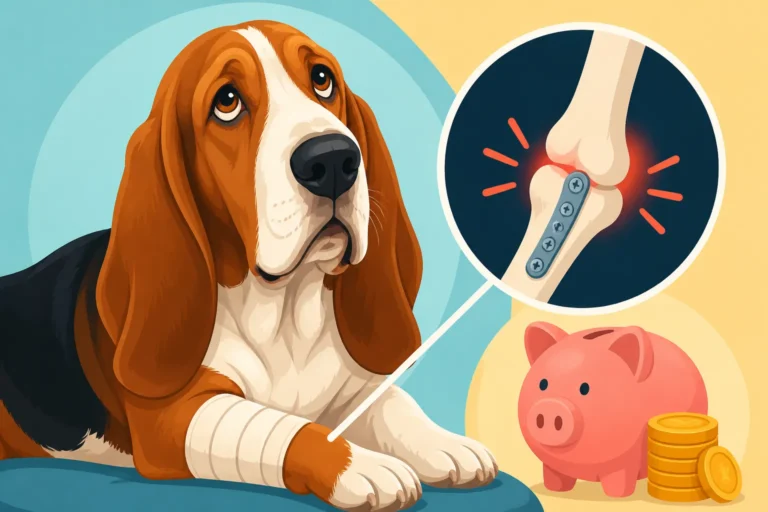
To support their joints and potentially reduce the risk of issues, many Basset owners invest in joint supplements containing glucosamine, chondroitin, and MSM. These can cost $30-$80 per month, adding $360-$960 annually. Furthermore, ensuring your home is Basset-friendly with ramps for cars or steps for furniture can prevent injuries, with these aids costing $50-$200+. Should IVDD or other joint issues arise, diagnostic imaging (X-rays, MRI costing $1,000-$3,000+), medications, and potentially surgery ($3,000-$8,000+) followed by physical therapy can lead to astronomical bills. Proactive care and budgeting for potential joint support are wise for any Basset owner.
Fueling Your Basset Hound: Nutrition Expenses
Feeding a Basset Hound might seem straightforward, but it's more than just filling a bowl. Their unique body structure and notorious appetite mean that careful consideration of diet is essential for their health, longevity, and overall yearly budget.
Quality Food Choices
Choosing the right food for your Basset Hound is paramount. Given their predisposition to joint issues and the ease with which they can become overweight, a high-quality diet that supports their specific needs is crucial. The cost of food can vary wildly depending on the type you choose. Premium kibble brands, which offer balanced nutrition without excessive fillers, typically cost $40-$80 for a large bag, which might last a Basset 3-4 weeks. This means an annual expenditure of $500-$1000 for kibble alone.
However, many owners are exploring alternatives like fresh food diets. Brands like Ollie deliver pre-portioned, human-grade meals directly to your door, offering excellent nutrition. While these options can be significantly more expensive, often ranging from $80-$150+ per month depending on the Basset's size and activity level, they can offer benefits that might reduce vet costs in the long run. Regardless of your choice, understanding How Much Food an Adult Basset Hound Eats Monthly is critical for budgeting. Always consult your vet to ensure your chosen diet meets all your Basset's nutritional requirements.
Treats and Supplements
Treats are an integral part of most Basset Hounds' lives, whether for training, rewarding good behavior, or simply showing affection. However, their caloric content adds up, and it's easy to overdo it, especially with a breed prone to weight gain. High-quality, low-calorie training treats are ideal, but they still represent an ongoing cost. Expect to spend $15-$40 per month on treats, totaling $180-$480 annually.
Beyond treats, many Basset Hounds benefit from supplements, particularly for joint health. As mentioned earlier, glucosamine, chondroitin, and omega fatty acids are commonly recommended. These supplements can be purchased as separate chewables or liquids, or they may be integrated into specialized foods. The cost for these can range from $20-$80 per month, adding $240-$960 to your annual budget. It's worth investigating Whether a Basset Hound Needs Joint Supplements early in their life to support their skeletal system from a young age. Discussing supplement needs with your veterinarian is always the best approach to ensure you're providing appropriate and effective support.
Managing Weight for Longevity
One of the biggest nutritional challenges with Basset Hounds is managing their weight. They are notorious for their love of food and their ability to convince you they are perpetually starving. However, carrying extra weight puts immense strain on their already delicate backs and joints, exacerbating conditions like IVDD and arthritis. This is directly linked to increased veterinary costs for pain management, diagnostics, and potentially surgeries. In fact, you can find more information about Getting Weight Off a Basset Hound That Will Not Exercise to help your chunky monkey.
If your Basset becomes overweight, you might need to switch to a prescription weight-management diet, which can be more expensive than regular kibble, adding an extra $10-$30 per bag. Furthermore, increased veterinary visits for weight checks, dietary advice, and management of weight-related health issues like diabetes or mobility problems can significantly increase your annual healthcare expenses. A proactive approach to portion control, healthy treats, and consistent, moderate exercise is not only vital for your Basset's well-being but also a smart financial strategy in the long run, saving you from much higher costs later in life.
Grooming and Hygiene: Keeping Them Comfy and Clean
While Basset Hounds have a short, low-maintenance coat, their unique anatomy means that grooming goes far beyond a quick brush. Specific attention to their ears, skin folds, and nails is crucial for their health and comfort, contributing to a significant portion of their yearly costs.
Ear Cleaning Routine and Supplies
We've talked about the health implications of Basset ears, but let's dive into the actual grooming routine. Those long, pendulous ears require constant vigilance and a dedicated cleaning regimen to prevent infections. You'll need a high-quality, vet-recommended ear cleaning solution. Brands like Virbac Epi-Otic Advanced or Zymox are popular choices and can cost $15-$30 per bottle. You'll typically go through 4-6 bottles a year, depending on how frequently you clean and if you're battling an active infection. This means $60-$180 annually on ear cleaner alone.
The process of cleaning involves gently flushing the ear canal and massaging the base of the ear, then wiping away debris with cotton balls or soft gauze. It’s a weekly, sometimes twice-weekly, ritual. For some Bassets, this can be a struggle, making the process stressful for both dog and owner. Getting your Basset used to ear handling from a young age is paramount. Even with all this effort, you'll still need to budget for potential vet visits for infections, as detailed earlier. For guidance on frequency, you can refer to How Often a Basset Hound's Ears Must Be Cleaned.
Bathing and Coat Care
Despite their short coats, Basset Hounds do shed, and they can develop a distinct "houndy" odor if not bathed regularly. How often your Basset needs a bath depends on their lifestyle and skin type, but generally, every 4-8 weeks is a good guideline. You'll need a dog-specific shampoo, preferably one that is gentle, hypoallergenic, or formulated for sensitive skin, which many Bassets have. Quality shampoos can range from $15-$30 per bottle, and you might use 2-3 bottles a year, adding $30-$90 to your budget.
After bathing, thoroughly drying their ears and skin folds is critical to prevent moisture-related skin issues. While a professional groomer can handle this, doing it yourself saves money. If you opt for professional grooming, expect to pay $40-$80 per bath, depending on your location and the groomer's services. If you bathe your Basset 6-8 times a year, this could be an annual expense of $240-$640. While a simple rub down might seem sufficient, their loose skin and heavy ears make thorough drying paramount to avoid yeast or bacterial growth, especially in folds.
Nail Trims and Paw Health
A Basset Hound's unique gait and heavy body can lead to issues with their nails and paw pads if not properly maintained. Long nails can cause discomfort, alter their foot structure, and even lead to painful injuries like torn quicks. Regular nail trims every 2-4 weeks are essential. You can learn more about How Often a Basset Hound's Nails Need Cutting to stay on top of this important routine.
If you trim your Basset's nails at home, you'll need a good quality pair of clippers or a Dremel-style grinder, which are initial investments of $20-$50. Replacing these tools or their components (like grinding bands) might add $10-$20 annually. If you prefer to have a groomer or vet tech do it, each trim can cost $15-$30. Doing this monthly would add $180-$360 to your yearly expenses. Additionally, Bassets can develop calluses on their elbows due to their heavy bodies and lying on hard surfaces. Investing in a good quality paw balm or moisturizer ($10-$20 annually) can help keep their paw pads and elbow skin healthy and prevent cracking or discomfort.
Training, Enrichment, and Beyond
Beyond their basic physical needs, Basset Hounds thrive with mental stimulation, consistent training, and opportunities for engagement. These aspects of their care are vital for their happiness and good behavior, and they come with their own set of annual costs.
Training and Socialization
Basset Hounds are intelligent, but they are also famously independent and can be perceived as "stubborn" due to their strong drive to follow their nose. Early and ongoing training is crucial to help them become well-mannered companions. Puppy classes are an excellent investment, usually costing $100-$250 for a multi-week course. These classes not only teach basic obedience but also provide vital socialization opportunities.
As they grow, further obedience classes or even specialized scent work classes (which Bassets absolutely adore and excel at) can be beneficial. These can range from $150-$400+ per course. If you encounter specific behavioral challenges, consulting a professional certified dog trainer for one-on-one sessions might be necessary, with costs easily running $75-$200 per session. Even if you're doing most of the training yourself, you'll want to factor in the cost of high-value treats (see nutrition section) and possibly training aids like clickers or long lines. To get a better idea of what to expect, you might want to look at What Training Classes Cost a Basset Hound Owner. Investing in training can prevent future behavioral issues that might be much more costly to manage.
Toys, Chews, and Mental Stimulation
As we briefly touched on earlier, Basset Hounds need more than just a place to sleep and food in their bowl. They need activities that engage their powerful noses and problem-solving skills. Replacing worn-out chew toys is a constant. Durable rubber toys from brands like Kong or GoughNuts are often worth the investment, but even these succumb to a determined chewer eventually. Expect to spend $50-$150 annually replacing these.
Puzzle toys, snuffle mats, and other interactive feeders are also excellent for providing mental enrichment. These items, designed to make your Basset "work" for their food or treats, can prevent boredom and destructive behaviors. Websites like Chewy offer a fantastic array of options, from slow feeders that make mealtime a game to puzzle toys that require paw or nose manipulation. Incorporating new and varied enrichment toys throughout the year is important to keep your Basset engaged, budgeting around $50-$100 for these stimulating items.
Daycare or Pet Sitting Services
For Basset owners who work long hours or travel frequently, daycare or pet sitting services become a necessary annual expense. Basset Hounds are social creatures and can become lonely or bored if left alone for extended periods, potentially leading to destructive behaviors or excessive baying. A quality doggy daycare provides supervised play and socialization, offering peace of mind.
The cost of doggy daycare varies significantly by location and frequency, but generally, expect to pay $25-$50 for a full day. If your Basset attends daycare 2-3 times a week, that could easily add $200-$600 to your monthly budget, totaling $2,400-$7,200 annually. For vacations, professional pet sitting services or boarding kennels are an alternative. Pet sitters typically charge $20-$40 per visit, or $60-$100 per day for overnight stays. Boarding kennels might cost $30-$70 per night. If you take a couple of week-long vacations a year, this could add another $400-$1,000 to your yearly expenses. These services are invaluable for ensuring your Basset remains happy, stimulated, and well-cared for in your absence.
The Safety Net: Insurance and Contingency Funds
Even with the most diligent preventative care, unexpected accidents or illnesses can strike. Having a financial safety net in place is perhaps one of the most crucial, yet often overlooked, aspects of annual Basset Hound ownership costs.
Understanding Pet Insurance Premiums
Pet insurance has become an increasingly popular way to manage unexpected veterinary expenses. For a breed like the Basset Hound, prone to certain hereditary conditions and accidental injuries due to their build, insurance can provide significant peace of mind. Monthly premiums for a Basset Hound can vary based on age, location, chosen deductible, reimbursement percentage, and the specific plan, but generally, you can expect to pay anywhere from $35-$70 per month. This adds up to $420-$840 annually. For more detailed insights, check out What Insuring a Basset Hound Runs Monthly.
It's important to research different providers and understand what their policies cover. Many policies, like those from Healthy Paws, offer comprehensive coverage for accidents and illnesses. However, most policies do not cover pre-existing conditions, so enrolling your Basset when they are young and healthy is ideal. Some plans might also have waiting periods for certain orthopedic conditions, which is particularly relevant for Bassets. Always read the fine print to understand what is included and excluded, ensuring the policy aligns with the breed-specific risks of a Basset Hound.
Deductibles and Co-pays
Even with pet insurance, you won't be entirely off the hook for vet bills. Most policies come with a deductible, which is the amount you need to pay out of pocket before your insurance starts reimbursing you. Deductibles typically range from $100 to $1,000 per year or per incident. Once you've met your deductible, your insurance plan will then reimburse you a certain percentage of the remaining bill, commonly 70%, 80%, or 90%. This means you'll still be responsible for the co-pay, or the remaining percentage.
For example, if your Basset has an accident that costs $2,000, and you have a $500 deductible and 80% reimbursement, you would first pay the $500 deductible. Of the remaining $1,500, the insurance would cover 80% ($1,200), and you would still pay the remaining 20% ($300). So, your total out-of-pocket for that incident would be $800 ($500 deductible + $300 co-pay). It's crucial to budget for these potential costs even with insurance, as they can quickly add up, especially if your Basset experiences multiple health issues within a year.
Building an Emergency Fund
While pet insurance is a fantastic tool, it's not a magic bullet. There will always be situations it doesn't cover (like routine care unless you have a wellness plan add-on, or pre-existing conditions), or you might hit your policy's annual limit. This is why having a dedicated emergency fund, separate from your insurance, is incredibly important. Think of it as another layer of financial protection for your beloved Basset.
Many financial experts recommend having at least $1,000-$5,000 set aside specifically for pet emergencies. This fund can cover diagnostic tests that go beyond your deductible, specialized treatments, unexpected medication costs, or even the initial expenses if you're in a waiting period for your insurance. It's a proactive step that prevents you from making difficult financial decisions during an emotional and stressful time. You can learn more about Setting Money Aside for a Basset Hound's Vet Bills to ensure you're prepared. Slowly building this fund each year, even with small contributions, provides immense security for your Basset Hound's future.
Annual Cost Breakdown Table
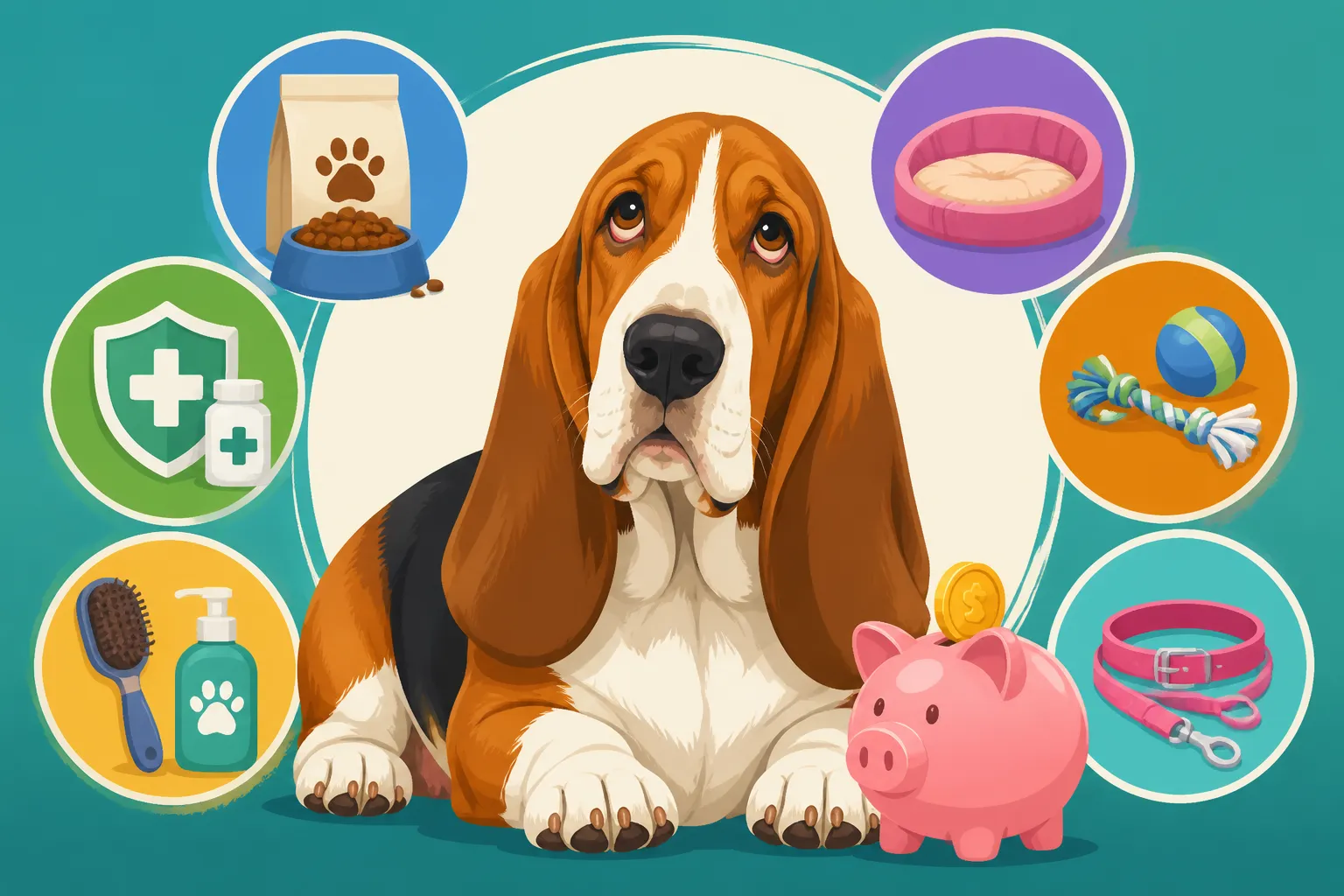
To give you a clearer picture, here's a general annual cost breakdown for keeping a Basset Hound. Please note that these are estimates and can vary significantly based on location, choices of products, and your dog's individual health needs.
| Category | Low-End Annual Estimate | High-End Annual Estimate | Notes |
|---|---|---|---|
| Initial Setup/Supplies | $150 | $400 | Replacement beds, bowls, leashes/harnesses, chew toys, basic cleaning supplies. |
| Routine Vet Care | $250 | $500 | Annual exam, vaccinations, heartworm test. Excludes unexpected illness. |
| Parasite Prevention | $300 | $900 | Year-round flea, tick, and heartworm medications. |
| Basset-Specific Health | $200 | $1000 | Ear cleaning supplies, potential vet visits for ear/eye issues, joint supplements (if not in food). |
| Food & Treats | $600 | $1800 | Quality kibble or fresh food (e.g., Ollie), training treats, dental chews. |
| Grooming & Hygiene | $100 | $600 | Shampoo, nail trims (DIY vs. professional), paw balm, skin fold wipes. |
| Training/Enrichment | $50 | $500 | New toys, puzzle feeders, snuffle mats, occasional training class. |
| Pet Insurance Premiums | $420 | $840 | Average monthly premiums for accident & illness. Deductibles/co-pays are extra. |
| Daycare/Pet Sitting | $0 | $2000+ | Highly variable based on need. This is for occasional use, not daily daycare. |
| Emergency Fund (Savings) | $200 | $1000 | Recommended annual contribution to build a safety net. |
| TOTAL ANNUAL ESTIMATE | $2270 | $9140 | Does not include major emergency surgeries (e.g., IVDD) or extensive chronic disease management. |
As you can see, the yearly cost of a Basset Hound is substantial and often underestimated. The range is wide because your choices in food, grooming services, and how many health issues arise will greatly influence the final tally.
Disclaimer
The information provided in this guide is for general informational purposes only and does not constitute professional veterinary advice. Always consult with a qualified veterinarian for any health concerns or before making any decisions related to your pet's care. Individual costs may vary based on geographic location, specific veterinary practices, product choices, and your Basset Hound's unique health needs.