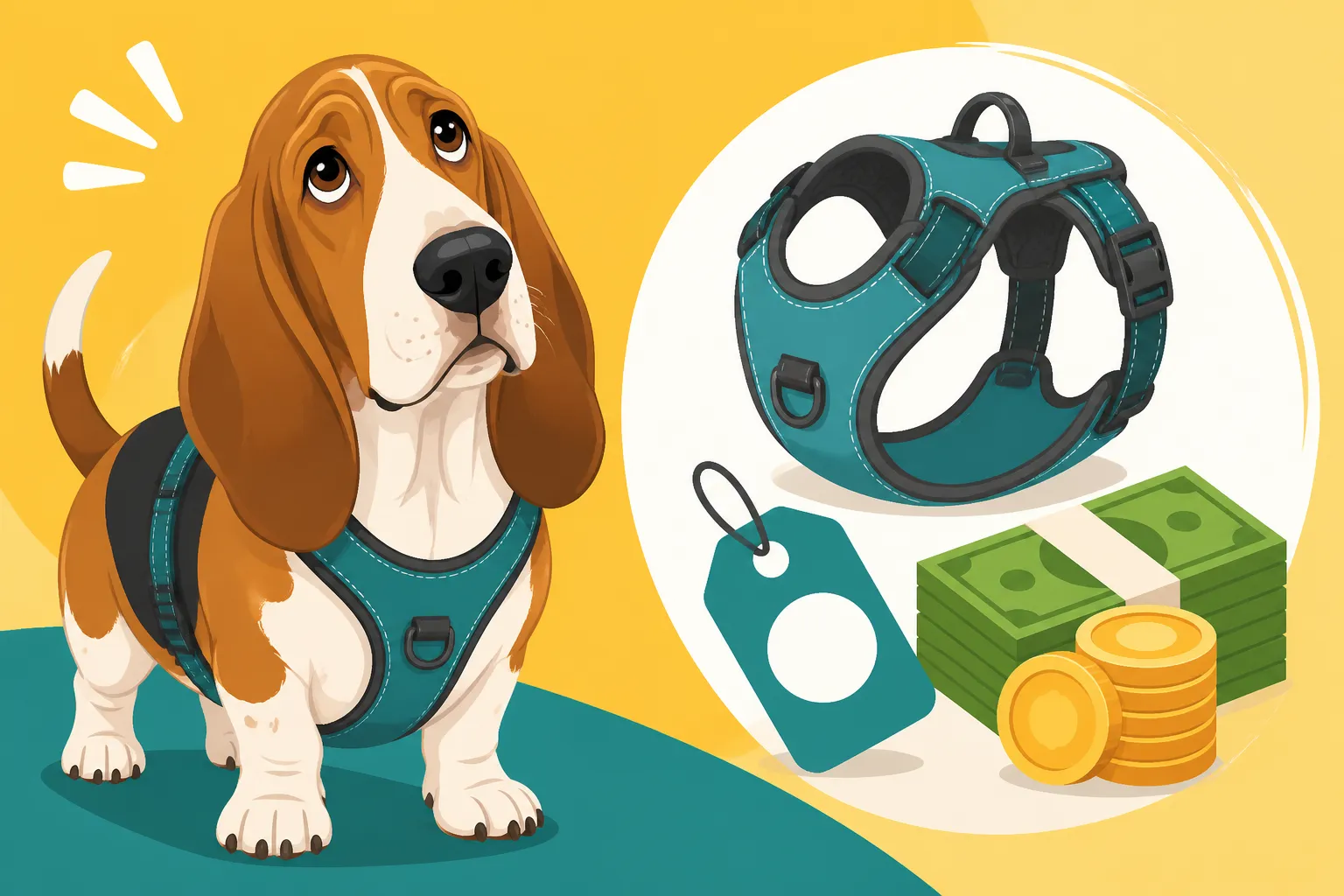
What a Harness for a Basset Hound Costs
Finding the perfect harness for your Basset Hound can feel like a quest, especially when you’re trying to balance effectiveness with cost. Many owners get frustrated with standard harnesses that just don’t seem to fit their uniquely shaped companions, leading to a cycle of buying and returning. This guide will help you understand the true cost of a Basset Hound harness, not just the price tag, but the value of a proper fit for their comfort and health.
Why a Basset Hound's Unique Shape Demands a Specific Harness
Let's be honest, Basset Hounds aren't built like your average dog. Their distinctive physique, while adorable, presents some specific challenges when it comes to finding a harness that actually fits, is comfortable, and provides the necessary control without causing harm. It's not just about aesthetics; it's about their well-being.
Understanding the Basset Hound's Anatomy Challenges
Think about your Basset Hound for a moment. They have that wonderfully deep chest, short, powerful legs that are often bowed, and a long, substantial body. And then there's the loose skin, particularly around their neck and chest. All these characteristics, which make them so undeniably Basset, can turn harness shopping into a real headache.
Standard harnesses, often designed for more "average" canine builds like Retrievers or Shepherds, rarely account for these proportions. You might find a harness that's wide enough for their deep chest but then it's too loose around their neck, allowing them to slip out. Or, it fits around the neck and chest, but then the straps rub painfully in their armpits because their legs are so short and close to their body. The long body means many harnesses are either too short, putting pressure in odd places, or too long, causing straps to sag and get caught. That loose skin? It can get pinched or chafed by ill-fitting straps, leading to discomfort, skin irritation, and even infections, something you definitely want to avoid with a breed already prone to The Skin Under a Basset Hound's Folds. Investing in the right gear means you're preventing discomfort and potential veterinary visits down the line.
Types of Harnesses Best Suited for Basset Hounds
Given their unique build, certain harness styles tend to work much better for Basset Hounds. The goal is to distribute pressure evenly across their chest, avoiding their neck and throat, and ensuring a snug yet comfortable fit that doesn't restrict their movement.
Front-clip or "no-pull" harnesses are often a fantastic choice. These harnesses have a leash attachment point on the dog's chest, rather than on their back. When your Basset Hound, who is known for having an incredibly strong nose and pulling hard when they catch a scent, tries to pull, they are gently redirected sideways, back towards you. This helps immensely with managing their formidable scent drive, which is vital if you're out exploring. Whether a Basset Hound Pulls Hard for Its Size is a real concern, and a front-clip harness can make walks much more enjoyable for both of you. Look for designs that have multiple adjustment points – at least two around the chest and one over the back – to really customize the fit to their deep chest and long body.
Another good option is an H-style harness, which typically forms an "H" shape on their back and chest. These harnesses usually have adjustable straps that go around the neck, behind the front legs, and a connecting strap along their back. The key here is to find one with ample padding and soft, wide straps to prevent chafing, especially under those short legs and behind their deep chest. Padded harnesses are a godsend, as they cushion the points of contact and prevent the straps from digging into their skin. Durability is also a big factor; Bassets are strong dogs, and a flimsy harness won't last long, nor will it give you the control you need when they decide to follow that irresistible trail. Nylon webbing is common, but look for sturdy, reinforced stitching and metal hardware rather than plastic clasps, which can break under strain.
Decoding the Price Tag: Factors Influencing Harness Costs
So, you're looking for a harness that fits your Basset like a glove, offers control, and stands up to their enthusiastic sniffing adventures. But why do some harnesses cost so much more than others? It boils down to a few key factors that contribute to the overall value and longevity of the product.
Material Quality and Durability
Just like anything else, the materials used in a harness play a huge role in its price. You'll generally find harnesses made from nylon, mesh, or sometimes even leather.
- Nylon harnesses are the most common and often the most affordable. Good quality nylon is durable, easy to clean, and comes in a vast array of colors. However, cheaper nylon can be thin, stiff, and prone to fraying, which means it won't stand up to the daily wear and tear of a Basset Hound's lifestyle for long. A well-made nylon harness will feature thick webbing, strong stitching, and robust hardware.
- Mesh harnesses are usually lighter and more breathable, which can be nice for Bassets, especially in warmer climates. They tend to be softer on the skin, but some mesh materials might not be as strong or as resistant to chewing as thicker nylon. They often fall into a mid-range price point.
- Leather harnesses are typically at the higher end of the spectrum. They offer a classic look, can be incredibly durable, and often soften beautifully with age and use. However, they require more maintenance, can be heavier, and are usually not suitable for swimming or getting consistently wet. For a Basset Hound who might be tracking through damp undergrowth or wading through shallow puddles on a scent, leather might not always be the most practical choice, despite its appeal.
Beyond the fabric, consider the hardware. Are the buckles and D-rings made of sturdy metal, or lightweight plastic? Metal hardware generally signifies a higher quality product and offers better security and longevity, which is critical for a dog with the strength and determination of a Basset. A weak plastic buckle can give way at the most inconvenient moment, leading to a lost dog situation, and Whether a Basset Hound Wanders if the Gate Opens is a real risk with their noses leading the way.
Brand Recognition and Special Features
You'll quickly notice that some brands carry a higher price tag. This isn't always just about marketing; established brands often invest more in research, design, and quality control, leading to a more reliable and effective product. They might use proprietary materials, have patented designs, or simply have a reputation for creating harnesses that truly last and perform well.
Special features also contribute to the cost. Think about things like:
- Multiple adjustment points: As mentioned, this is crucial for Basset Hounds. More adjusters mean a better, more custom fit.
- Extra padding: Padded chest plates or straps significantly increase comfort and prevent chafing, especially around the Basset's armpits and neck.
- Reflective stitching or trim: A huge safety feature for early morning or evening walks, making your Basset more visible to traffic.
- Integrated handles: Some harnesses have a handle on the back, which can be incredibly useful for quickly grabbing or guiding your Basset, or even helping them up a step.
- Quick-release buckles: While not necessarily a "premium" feature, good quality buckles that are easy to use but secure are a definite plus.
When you're browsing online retailers like Chewy, you'll see a wide spectrum of options. A brand that consistently gets good reviews from owners of deep-chested, long-bodied breeds might be worth the extra investment. These specialized features are designed to enhance both the dog's comfort and the owner's control, which, for a Basset, can make all the difference.
Sizing and Adjustability
This point really can't be stressed enough for Basset Hounds. Their proportions mean they often don't fit neatly into standard "small, medium, large" categories. A "large" harness might fit their chest girth but be far too loose around the neck, or the back strap might be too short for their long spine. This is why harnesses with excellent adjustability are paramount, and this adjustability can sometimes impact the price.
A harness designed with a Basset Hound in mind will offer a wide range of adjustment on all straps, not just the chest. This allows you to tailor the fit precisely, ensuring it's snug enough to prevent slipping without being restrictive. You want to be able to fit two fingers comfortably under all straps, but no more. A well-fitted harness will sit comfortably on their body, clear of their throat (to prevent choking or discomfort when they pull) and well behind their armpits (to prevent painful chafing). This kind of precise fit is what prevents issues that can range from minor skin irritation to more serious health concerns like neck strain, especially for a breed susceptible to The Back Trouble a Basset Hound Is Built Into. Sometimes, a harness might seem expensive upfront, but if it's the one that actually fits and provides years of comfortable, safe walks, it's a far better value than buying three cheaper ones that don't quite work.
Where to Find and What to Expect to Pay
Once you understand what makes a good harness for a Basset Hound, the next step is figuring out where to buy it and what kind of budget you'll need. The good news is that there are options for almost every price point, though the old adage "you get what you pay for" often holds true here.
Retailers and Online Marketplaces
You've got a few main avenues when it comes to purchasing a harness:
- Local Pet Stores: Your neighborhood pet shop, especially independent ones, can be a treasure trove. The huge advantage here is that you can often bring your Basset Hound in to try on harnesses. This is invaluable! Seeing how a harness sits on their unique body, checking for pressure points, and testing the adjustability in person can save you a lot of hassle. The staff might also have experience fitting different breeds and can offer personalized recommendations. The prices might be a little higher than online, but the immediate gratification and ability to try before you buy are often worth it.
- Big-Box Pet Stores: Chains like PetSmart or Petco also offer a range of harnesses. They have a wider selection than many small local stores and often have fitting stations. Again, the ability to bring your dog in is a huge plus. You might find a good balance between selection and being able to test the fit.
- Online Marketplaces: Websites like Chewy, Amazon, or specialized dog supply websites offer the widest selection and often the most competitive prices. You can browse countless brands, read reviews from other Basset Hound owners (look for those specific comments about fit for deep chests or long bodies!), and compare features side-by-side. The downside, of course, is that you can't try it on beforehand. This means you might need to order a couple of different sizes or styles to find the right fit and be prepared for returns. However, many online retailers, including Chewy, have excellent return policies, which mitigates this risk.
When shopping online, pay close attention to the sizing charts provided by each manufacturer. Don't assume a "large" from one brand is the same as a "large" from another. Measure your Basset Hound carefully – girth around the deepest part of their chest, neck circumference, and sometimes back length – and compare those measurements to the specific harness's chart.
The Range of Harness Costs
Now for the big question: what will this set you back? While I can't give you exact dollar figures (prices fluctuate!), I can give you a clear idea of the general cost tiers and what to expect within each.
1. Entry-Level/Budget-Friendly Harnesses:
These harnesses typically use basic nylon webbing, plastic buckles, and minimal padding. They might have fewer adjustment points. They're often found at general merchandise stores or as very basic options online. They are appealing due to their low upfront cost, but for a Basset Hound, they often present challenges. The fit might be less than ideal, causing chafing, or the materials might not hold up to their strength or their propensity to pull on a scent. While the initial investment is low, you might find yourself replacing them frequently or dealing with discomfort for your dog, which isn't a saving in the long run.
2. Mid-Range Harnesses:
This is where you'll find a sweet spot for many Basset Hound owners. These harnesses, often from reputable pet brands, will feature more robust nylon or softer mesh materials, better quality stitching, and a mix of plastic and metal hardware. Crucially, they tend to have more adjustment points (especially around the neck and chest) and often include some padding for comfort. Many popular front-clip or H-style harnesses fall into this category. The designs are usually more ergonomic, aiming for a better fit across a range of dog shapes, including those with deeper chests. You're paying for improved durability, comfort, and control. This range offers a good balance of quality and affordability.
3. Premium/Specialty Harnesses:
At the higher end, you'll find harnesses that boast advanced ergonomic designs, premium materials like heavy-duty ballistic nylon, specialized padding (e.g., fleece-lined or memory foam), and all-metal hardware. Some might be specifically designed for unique body types, or offer features like extra safety clips, integrated reflective elements, or even custom sizing options. These harnesses are built for maximum durability, comfort, and control, often with a focus on specific activities like hiking or scent work. While the initial cost is higher, they are often a long-term investment, designed to last for years and provide superior comfort and security for your Basset Hound. They might come from brands known for their outdoor gear or specialized dog equipment.
Here's a general idea of what you might encounter:
| Harness Type/Features | General Cost Implication | Typical Materials & Features | Best For Basset Hounds |
|---|---|---|---|
| Basic/Entry-Level | Budget-friendly | Thin nylon, plastic buckles, minimal adjustment/padding. | Very short-term use, small puppies, or if budget is extremely tight, but often poor fit for adult Bassets. |
| Standard Mid-Range | Moderate | Sturdy nylon/mesh, mix of plastic/metal buckles, multiple adjustment points, some padding. | Good everyday use, offers better control and comfort; often a great starting point for Basset owners. |
| Advanced/Specialty Fit | Higher | Robust nylon, heavy-duty metal hardware, ample padding, ergonomic design, many adjustment points. | Excellent for long-term use, active Bassets, or those with very sensitive skin or specific fitting challenges. |
| Premium/Luxury Materials | Highest | Leather or specialized fabrics, all-metal hardware, superior craftsmanship, often custom-fitted. | Owners prioritizing aesthetics and maximum durability, willing to invest more for a lasting, high-quality product. |
Remember, the goal is not necessarily to buy the cheapest or the most expensive, but the right harness for your Basset Hound.
Investing in the Right Harness is More Than Just a Purchase
Choosing a harness for your Basset Hound isn't just another item on your pet supply shopping list. It's a decision that impacts their daily comfort, their long-term health, and the quality of your shared adventures. Thinking about it this way shifts the focus from just "what a harness costs" to "what a quality harness provides."
Long-term Health and Comfort Benefits
A properly fitting harness offers a multitude of benefits that truly make it an investment in your Basset Hound's health. Their long, deep chests and short legs mean that pressure on their neck from a collar can be particularly detrimental. Unlike collars, which apply pressure directly to the trachea and cervical spine, a well-designed harness distributes pressure across their chest and shoulders. This is crucial for preventing neck injuries, reducing strain on their delicate throats, and generally making walks more comfortable and safer. For a breed that already carries a higher risk for Intervertebral Disc Disease in a Basset Hound due to their long backs, minimizing any strain on their spine is paramount.
Consider the simple act of walking. If a harness chafes, pinches, or restricts movement, your Basset Hound will be uncomfortable, possibly even in pain. This discomfort can lead to reluctance on walks, changes in gait, or even skin issues like irritation or sores, especially in their armpits or where their loose skin bunches. A comfortable harness, on the other hand, allows them to move freely, breathe easily, and enjoy their walks to the fullest. This promotes better physical conditioning, mental stimulation, and a happier, healthier life for your dog. For instance, making sure their paws are healthy with regular care is important, and a harness that allows free movement of the front legs supports this. Looking After a Basset Hound's Feet and Nails includes ensuring their overall structure is not compromised by ill-fitting gear.
Avoiding Hidden Costs of Cheap Harnesses
It's tempting to opt for the cheapest harness you can find, but this can often lead to "hidden costs" that quickly outweigh any initial savings. Think about it:
- Frequent Replacements: A flimsy, poorly constructed harness will wear out quickly. Stitching might unravel, buckles might break, or the material itself might degrade. This means you'll be buying replacements more often, and those little purchases add up over time.
- Veterinary Bills: The most significant hidden cost can be veterinary care. A harness that chafes can lead to skin infections requiring medication. A harness that puts undue pressure on their neck can contribute to injuries that need costly examinations, pain management, or even specialized treatments for their back or neck. While you can look into Insuring a Basset Hound Against Eyes, Ears and Backs, prevention is always better than cure.
- Behavioral Issues: If a harness is uncomfortable, your Basset might start associating walks with pain or discomfort. This can lead to resistance, leash reactivity, or a general reluctance to go outside. Retraining these behaviors can be time-consuming and might require professional help.
- Frustration and Lost Time: The sheer frustration of repeatedly buying harnesses that don't fit, dealing with returns, and constantly adjusting a poorly designed piece of equipment is a hidden cost to your time and peace of mind.
Ultimately, a quality harness is an investment in your Basset Hound's comfort, safety, and long-term health. It ensures that their walks are enjoyable, that you have effective control, and that you're protecting their unique physical structure from unnecessary strain. When you consider the full picture, the cost of a good harness is a small price to pay for the benefits it provides. Choosing wisely now means more happy, healthy years with your beloved Basset. You might also want to look into Which Harness Suits a Basset Hound for more specific recommendations.
Disclaimer
This article is for general informational purposes only and does not constitute professional advice. Laws, prices and regulations vary by location and change over time. Consult a qualified professional for guidance on your specific situation.