Why Basset Hounds Reach Rescue in Middle Age
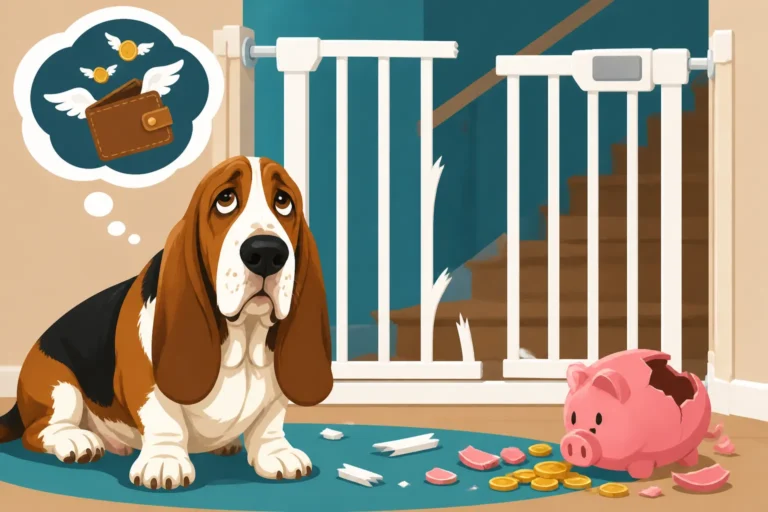
It’s a heartbreaking sight to see a middle-aged Basset Hound, those wonderfully soulful and often goofy companions, end up in a rescue shelter. These aren't young puppies with boundless energy that owners couldn't manage, nor are they typically very elderly dogs whose owners have passed away. Instead, they often arrive between the ages of five and eight, a period that should be their prime. This comprehensive guide will explore the often-complex and deeply personal reasons why these magnificent hounds frequently find themselves rehomed during what should be their golden years, shedding light on the challenges many owners face.
The Unique Health Challenges That Emerge in Middle Age
Basset Hounds, for all their charm, come with a predisposition to several health issues that can become more pronounced and costly as they enter their middle years. What might have been minor concerns in puppyhood can escalate into chronic conditions requiring significant time, effort, and financial investment.
Chronic Ear Infections and Their Toll
Anyone who has loved a Basset Hound knows their ears are a defining feature. Those long, pendulous flaps, while adorable, are also a major source of veterinary visits. As a Basset enters middle age, chronic ear infections become almost a rite of passage for many, and it's a battle that can truly wear down an owner. The constant moisture, lack of air circulation, and deep, winding ear canals create a perfect breeding ground for bacteria and yeast.
It's not just about an occasional cleaning anymore; it often escalates into a twice-weekly ritual, sometimes even more. Imagine trying to administer drops to a reluctant, 60-pound hound who really doesn't want you touching their sore ears. It's a wrestle, it's messy, and it can become incredibly frustrating. These infections often require repeated vet visits, cultures to identify the exact pathogen, and expensive prescription ear drops or oral medications. Some Bassets seem to clear one infection only for another to crop up almost immediately, leading to a feeling of futility for their owners. This relentless cycle of infection and treatment, despite best efforts, contributes significantly to owner fatigue and financial strain. You can learn more about this ongoing struggle in our article, The Ear Infections That Never Really Leave a Basset Hound.
Joint and Back Issues Intensifying
The very structure that gives a Basset Hound its distinctive appearance—those short, powerful legs and long, heavy body—also makes them highly susceptible to orthopedic problems, particularly as they mature. Issues like elbow dysplasia and intervertebral disc disease (IVDD) can begin to manifest or worsen significantly in their middle age. A minor limp that was easily managed with rest as a younger dog might become a debilitating pain that impacts their mobility, making simple tasks like climbing a single step an agonizing ordeal.
Watching a beloved pet struggle with chronic pain is incredibly difficult for any owner. These conditions often require a multi-faceted approach to management, including pain medication, anti-inflammatory drugs, joint supplements, and sometimes even physical therapy or acupuncture. In severe cases, surgery might be recommended for conditions like IVDD, which can run into thousands of dollars and requires extensive post-operative care and rehabilitation. The emotional and physical demands of caring for a dog with limited mobility, helping them stand, or preventing them from jumping off furniture, can be overwhelming, especially for owners who might be aging themselves or have limited physical capabilities. You might also be interested in exploring The Back Trouble a Basset Hound Is Built Into.
Weight Management and Its Complications
Basset Hounds are notorious for their love of food, a trait that makes weight management a lifelong challenge. It’s easy for a Basset to tip the scales, and as they hit middle age and their metabolism naturally slows down, maintaining a healthy weight becomes even harder. An extra five or ten pounds on a Basset Hound might not sound like much, but it puts immense strain on their already predisposed joints and spine. It exacerbates arthritis, increases the risk of IVDD, and can lead to other health complications like diabetes.
Owners often struggle with balancing their Basset's insatiable appetite with the need to keep them lean. It’s hard to resist those pleading, droopy eyes! However, the consequences of obesity are severe. An overweight Basset is less active, more prone to pain, and generally has a diminished quality of life. Shifting to prescription weight-loss foods, carefully measuring every meal, and finding creative ways to encourage exercise can feel like a constant uphill battle. This added layer of management, coupled with the health issues it can cause, adds to the burden on owners. Our guide on What Extra Weight Does to a Basset Hound offers more insights.
Navigating the Basset Hound's Distinct Personality and Behavioral Traits
While their unique personalities are a huge part of their appeal, certain ingrained Basset Hound traits can become particularly challenging for owners who aren't fully prepared or whose circumstances change. What was once endearing can become exasperating when life throws curveballs.
The Irresistible Call of the Nose
A Basset Hound's nose is legendary, second only to the Bloodhound. This incredible scenting ability is hardwired into their being, and it dictates much of their behavior. For a Basset, the world is a tapestry of smells, and they are compelled to follow every intriguing thread. This intense scent drive doesn't wane with age; if anything, their confidence in their nose might grow stronger.
This means that a Basset Hound, even a well-trained one, can be incredibly difficult to recall once they've picked up a compelling trail. They literally go "deaf" to their owner's calls, utterly focused on the invisible path of scent. This makes off-leash excursions nearly impossible and requires constant vigilance on walks. An owner might have managed this when the dog was younger, but as they age, or if the owner's mobility decreases, wrestling a scent-driven Basset on a leash can become physically taxing or even dangerous. The fear of a Basset following its nose into traffic or getting lost is a constant anxiety for many. Consider reading Why a Basset Hound Stops Hearing You When It Smells Something for a deeper dive.
The Stubborn Streak and Training Challenges
Let's be honest: Basset Hounds are often described as "stubborn." While it’s not truly stubbornness in the malicious sense, it's an unwavering independence and a deep-seated desire to do what they find rewarding. They are not dogs that live to please their owners in the same way a Labrador or a Golden Retriever might. If a Basset doesn't see the immediate benefit in performing a command, they are likely to ignore it, no matter how many times they've been taught.
This can be incredibly frustrating for owners who expect consistent obedience. What might have been humorous in a puppy can become a significant problem in an adult dog, especially if training was inconsistent or not tailored to the Basset's unique motivations. Potty training might regress, or established commands might be selectively ignored. This "selective hearing" often leads owners to feel like their dog isn't listening, or worse, is defying them out of spite, when in reality, the Basset is just being a Basset. This often leads to owners giving up on training, creating a dog that is harder to manage in various situations. Our article Whether a Basset Hound Is Stubborn or Just Not Interested explores this further.
The Mellifluous, Yet Loud, Bay
The Basset Hound's bay is a thing of beauty to a hound lover – a deep, resonant, mournful sound that speaks of ancient hunting traditions. To a neighbor, however, it can be an incessant, ear-splitting nuisance. Bassets are vocal dogs, and they use their bay to communicate a variety of emotions: loneliness, excitement, boredom, or announcing a perceived intruder (which could be anything from the mail carrier to a leaf blowing across the yard).
As Bassets mature, their vocal tendencies often solidify. If not properly managed from a young age, excessive baying can become a major issue. Owners might find themselves receiving noise complaints from neighbors, especially if they live in close quarters like apartments or townhouses. The guilt and stress of potentially disturbing others can be immense. While some Bassets learn to modulate their baying, for many, it's an intrinsic part of their being, and trying to "train it out" can be a near-impossible task, especially if the dog is left alone for long periods. This constant potential for noise can be a significant factor in rehoming, particularly if owners move to a less tolerant neighborhood or an apartment complex with strict noise rules. You can find more information about their vocalizations in The Bay a Basset Hound Uses and the Neighbors Hear.
The Demanding Daily Care Regime Many Owners Underestimate
Beyond health and behavior, the sheer amount of routine care a Basset Hound requires can catch owners by surprise, and these tasks don't get easier as the dog—or the owner—ages.
The Never-Ending Ear Care
We've touched on chronic infections, but the preventative ear care itself is a significant commitment. A Basset Hound's ears simply cannot be ignored. They need regular, thorough cleaning, typically at least twice a week, even when healthy, to prevent issues from flaring up. This involves special ear cleaning solutions, cotton balls, and a patient, gentle approach to clean the outer ear and visible folds.
This isn't a five-minute job. It requires lifting those heavy ear flaps, navigating the intricate folds, and ensuring they are completely dry afterwards to avoid creating the very problem you're trying to prevent. Imagine doing this for seven years, twice a week, every single week. It's a true dedication. For owners who develop arthritis themselves, or whose schedules become busier, this critical routine can fall by the wayside, leading to inevitable ear infections and the cycle of vet visits we discussed earlier. The physical act of holding the dog, managing their wiggles, and cleaning their ears can become a genuine chore. Our article on The Twice Weekly Ear Ritual a Basset Hound Owner Signs Up For delves into this commitment.
Managing Drool and Skin Folds
Basset Hounds are famous for their droopy jowls and copious drool. What might be seen as endearing quirks in a young dog can become a persistent cleanliness issue in an older one. They drool when they're excited, when they're hungry, and sometimes, it seems, just because they can. This drool can get on furniture, walls, and clothing, and for some owners, it's a constant battle to keep their home clean.
Beyond the drool, their charmingly wrinkled faces and loose skin create folds that require regular cleaning to prevent skin fold dermatitis or yeast infections. Food, moisture, and debris can get trapped in these crevices, leading to foul odors and painful irritations. Wiping their face after every meal, cleaning between their jowls and neck folds, and ensuring these areas stay dry is another daily chore. This fastidiousness isn't just cosmetic; it's essential for their health and comfort. If neglected, these skin issues can lead to secondary infections and more vet bills, adding another layer of stress and expense to ownership.
Grooming and Shedding Realities
While Basset Hounds have short coats and don't require professional grooming in the same way a Poodle does, they are far from maintenance-free. They are prolific shedders. Their short, coarse hair seems to weave itself into every fabric in the house, from carpets to furniture to clothing. This shedding is year-round, often intensifying seasonally.
Regular brushing, often several times a week, is necessary to manage the shedding and keep their coat healthy. For owners who cherish a spotless home, or who develop allergies, this constant battle against Basset hair can be demoralizing. Additionally, their short legs mean their bellies and ears often drag through mud, puddles, or snow, necessitating frequent baths to keep them clean and prevent skin irritation. While a bath might seem simple, bathing a heavy, low-slung Basset who might be reluctant about water can be a physical challenge, especially as the dog and owner age. Investing in good deshedding tools and potentially a powerful vacuum cleaner is a must. Many owners rely on products from places like Chewy for their grooming supplies, making it easier to manage these ongoing needs.
When Expectations Clash with Reality: Lifestyle Adjustments for a Basset Hound
Many people fall in love with the Basset Hound's adorable looks and reputation for being laid-back, but they don't always fully grasp how these traits translate into daily life. When life circumstances change, these mismatches become more apparent.
Underestimating Their Exercise Needs (and Resistance)
It's a common misconception that Basset Hounds are lazy couch potatoes that require minimal exercise. While they certainly enjoy napping, they are scent hounds bred for endurance and need regular, moderate exercise to stay healthy and prevent obesity. However, they also possess a unique brand of "Basset stubbornness" when it comes to when and where they want to exercise. They might decide mid-walk that they've simply had enough, plant their feet, and refuse to budge, forcing their owner to coax them or, if possible, carry them home.
This combination of needing exercise but being prone to resistance can be challenging. If an owner is accustomed to a dog that eagerly goes for runs or long hikes, a Basset's pace and preferences can be a frustrating adjustment. As owners age or face their own mobility challenges, managing a dog that both needs exercise and is prone to stubborn immobility becomes incredibly difficult. A once-enjoyable daily walk can turn into a battle of wills, or simply become physically impossible for the owner.
The Home Environment and Space Requirements
Despite their low stature, Basset Hounds are substantial dogs, often weighing between 50-70 pounds, with a long body. They need more space than many people assume for their size. Their low build also makes them susceptible to back injuries from jumping on and off furniture or climbing stairs. This means owners need to be mindful of their home environment, potentially using ramps or steps for furniture, or gating off stairs entirely.
An owner might move to a smaller home, an apartment, or a home with more stairs, only to realize that their middle-aged Basset is struggling. What worked for a young, agile dog might become dangerous for an older dog with developing joint issues. Furthermore, their scent drive means a securely fenced yard is almost non-negotiable for their safety, as they will follow a scent over property lines and into danger. If an owner's living situation changes and a safe outdoor space is no longer available, the increased demand for supervised walks and mental stimulation can become overwhelming.
Time Commitment and Loneliness
Basset Hounds are social creatures who thrive on companionship. While they might appear aloof at times, they generally don't do well when left alone for long stretches every day. They can become bored, leading to destructive behaviors, excessive baying, or even separation anxiety. A change in an owner's work schedule, a new job requiring more travel, or an empty nest situation can mean a Basset suddenly finds itself alone for much longer periods than it's accustomed to.
A puppy can be trained to tolerate solitude, but a middle-aged dog might struggle immensely with this adjustment. The owner then faces the difficult choice of addressing these issues through professional training, dog walkers, or doggie daycare—all of which incur additional costs and time. If these needs cannot be met, the dog's quality of life diminishes, and the owner's stress levels escalate, sometimes leading to the painful decision to rehome.
The Financial Strain of Long-Term Basset Hound Ownership
Perhaps one of the most significant, yet often unspoken, reasons Basset Hounds end up in rescue during their middle years is the accumulating financial burden. Their specific health predispositions, combined with general veterinary costs, can quickly become overwhelming.
Escalating Veterinary Bills
As Basset Hounds enter middle age, routine veterinary care often shifts from preventative wellness to managing chronic conditions. Those ear infections aren't just one-off events; they're often recurring, requiring multiple vet visits a year, diagnostic tests, and expensive medications. Joint issues demand ongoing pain management, potentially x-rays, and specialist consultations. Skin fold infections, dental disease (which Bassets are prone to), and other age-related ailments add to the bill.
A single diagnostic workup for a recurring issue can cost hundreds of dollars, and a chronic medication regimen can easily run $50-$100 or more per month. Over the course of several years, these costs add up dramatically. Many owners simply aren't prepared for this level of financial commitment, especially if they acquired their Basset as a puppy without fully understanding the breed's typical health trajectory. Investing in pet insurance, like a comprehensive plan from Healthy Paws, early in a Basset's life can help mitigate some of these unforeseen costs, but not everyone has it. Our article, What a Basset Hound Costs a Year to Keep, provides a more detailed breakdown of expenses.
Unexpected Surgical Expenses
While not every Basset Hound will need major surgery, the risk increases significantly in middle age due to their genetic predispositions. A ruptured disc (IVDD), severe elbow dysplasia requiring intervention, or even a total ear canal ablation (TECA) for untreatable chronic ear infections are all possibilities. These surgeries are not only emotionally draining but also incredibly expensive.
An IVDD surgery can easily cost anywhere from $5,000 to $10,000 or more, including diagnostics, the procedure itself, and post-operative care. A TECA can be several thousand dollars per ear. These are not expenses that most families have readily available, especially if they haven't been diligently saving or haven't invested in pet insurance that covers such conditions. Faced with a choice between a life-changing, expensive surgery and their inability to afford it, some owners make the heartbreaking decision to surrender their beloved Basset to a rescue that might have the resources to cover the medical care. This highlights the importance of considering Insuring a Basset Hound Against Eyes, Ears and Backs.
Specialized Food and Supplements
As Bassets age and develop conditions like arthritis, allergies, or sensitive stomachs, their dietary needs often change. They might require prescription diets for weight management, joint support, or gastrointestinal issues. Brands like Ollie offer fresh food options that can be tailored to specific needs, but these often come at a higher price point than conventional kibble. Similarly, joint supplements, fish oils, or other nutraceuticals become essential for managing chronic pain and supporting overall health.
While these specialized foods and supplements are vital for maintaining a Basset's quality of life, they represent an ongoing, often significant, monthly expense. What started as a standard bag of kibble for a puppy might evolve into a carefully curated, more expensive diet for a middle-aged dog. For families on a fixed income or facing other financial pressures, these added costs can push them past their breaking point, especially when coupled with other rising expenses.
Here's a table summarizing common middle-age Basset Hound challenges and their typical cost ranges for initial diagnosis and ongoing management (these are estimates and can vary widely by region and severity):
| Challenge | Initial Diagnosis & Treatment Estimate | Ongoing Monthly Management Estimate | Potential Surgical Cost (if applicable) |
|---|---|---|---|
| Chronic Ear Infections | $150 – $500 (per episode) | $30 – $150 (meds, cleaners) | $2,000 – $5,000 (TECA per ear) |
| Arthritis / Joint Pain | $200 – $800 (exams, X-rays) | $50 – $200 (meds, supplements) | $2,000 – $6,000 (per joint/surgery) |
| Intervertebral Disc Disease (IVDD) | $500 – $2,500 (exams, MRI) | $50 – $300 (meds, PT, aids) | $5,000 – $10,000+ |
| Weight Management | $50 – $200 (vet check, diet plan) | $20 – $80 (specialized food) | N/A |
| Skin Fold Dermatitis | $100 – $300 (per episode) | $20 – $70 (wipes, topical meds) | N/A |
| Dental Disease | $200 – $800 (dental cleaning, extractions) | $10 – $30 (dental chews, brushes) | N/A |
| Total Yearly (Average) | Varies Greatly | $400 – $2,000+ | Potentially $10,000+ in emergencies |
Note: These are estimates and actual costs can vary significantly based on location, veterinary clinic, severity of condition, and specific treatments required.
Understanding the "Middle Age" Transition for a Basset Hound
It's crucial to understand what "middle age" truly means for a Basset Hound, as it's not always as straightforward as it is for some other breeds. This period often brings a confluence of physical and behavioral changes that can test an owner's commitment.
When a Basset Hound is Considered Middle-Aged
For many large breeds, middle age might start around 5-6 years, but for Basset Hounds, it's a bit of a transition. Generally, they are considered to be entering their middle years between 4 and 7 years old. By this time, they’ve often shed most of their puppy silliness and settled into their adult personalities. However, it's also the period when the wear and tear on their unique physique, combined with their genetic predispositions, begins to become more evident. They still have a good number of years ahead of them, with the average Basset Hound lifespan typically being 10 to 12 years, but these middle years are often when the "chronic care" phase of their lives truly begins.
During this time, owners often notice subtle shifts. Maybe they’re not quite as bouncy on their walks, or they take a little longer to get up from a deep nap. Their eyesight and hearing might not be quite as sharp as they once were, though significant decline is more common in their senior years. This isn't a sudden decline into old age, but a gradual unfolding of characteristics that require more attentive care.
The Cumulative Effect of Years
The challenges that lead a Basset Hound to rescue in middle age aren't usually single, catastrophic events. Instead, they are often the cumulative result of years of managing their specific needs. An owner might have coped with ear infections for a couple of years, but when those escalate, and then arthritis sets in, and then the dog needs a prescription diet, the weight of these ongoing demands becomes immense. Each individual issue might be manageable, but together, they form a complex web of care that can feel overwhelming.
For instance, an owner who has dedicated time to cleaning ears twice a week, managing shedding, and carefully portioning food for five years might reach a point of burnout when a major back injury occurs. It's not a lack of love, but a realization that they might not have the physical, emotional, or financial resources to meet the dog's evolving needs for what could be another 5-7 years. The consistent, day-in, day-out effort required for a Basset Hound's specific care requirements can slowly erode an owner's capacity.
Preventing Rehoming: Proactive Measures and Support Systems
Understanding why Basset Hounds reach rescue in middle age is the first step. The next is to explore how prospective and current owners can proactively address these challenges to ensure a lifelong commitment.
Thorough Research Before Adoption
The most critical step in preventing rehoming is to go into Basset Hound ownership with eyes wide open. Prospective owners need to do extensive research beyond their adorable looks. This means understanding their health predispositions, the financial commitment involved, their stubborn nature, and their profound scent drive. Speaking to experienced Basset Hound owners, reputable breeders, and rescue organizations can provide invaluable, realistic insights.
Ask specific questions about the frequency of ear infections in their lines, the incidence of joint issues, and what daily care truly entails. Don't just focus on the cute puppy stage; envision what life will be like with a middle-aged and senior Basset Hound. Acknowledging the potential difficulties upfront allows owners to prepare themselves mentally, practically, and financially for the long haul.
Financial Planning and Pet Insurance
Given the high likelihood of significant veterinary expenses in a Basset Hound's middle and senior years, robust financial planning is non-negotiable. This could mean setting up a dedicated savings account specifically for vet emergencies or, ideally, investing in pet insurance from a young age. Pet insurance providers, like Healthy Paws, can offer peace of mind by covering a substantial portion of unexpected illnesses, accidents, and chronic conditions.
When researching pet insurance, it's vital to choose a plan that covers conditions common in Bassets, such as IVDD, hip/elbow dysplasia, and chronic ear infections, and to understand any waiting periods or pre-existing condition clauses. Don't wait until a problem arises; by then, it might be too late to get coverage for that specific issue. Proactive insurance coverage is one of the best investments an owner can make for a Basset Hound's long-term well-being and their own financial security.
Prioritizing Training and Socialization Early
While Basset Hounds have their independent streak, consistent, positive reinforcement training and early socialization are vital. Focusing on foundational commands like "come" (even if it's never 100% reliable off-leash), "leave it," and leash manners can make a huge difference in their manageability as adults. Early exposure to handling their ears, feet, and mouths can also make routine care significantly easier later on.
Enrolling in puppy classes and continuing with obedience training into adulthood can foster a stronger bond and teach owners effective communication strategies for working with a Basset's unique temperament. Using high-value treats and making training fun and rewarding will yield better results than harsh corrections. If behavioral issues do arise in middle age, seeking professional help from a certified positive reinforcement trainer or behaviorist can often prevent escalation and save the dog's place in the home.
Building a Support Network
No one should feel like they're going it alone when caring for a Basset Hound. Building a support network can be invaluable, especially as challenges arise. This could include:
- Veterinary Team: A trusted vet who understands the breed's specific needs and can provide preventative care and early intervention.
- Breed-Specific Rescues: These organizations are often a wealth of knowledge and can offer advice, resources, and even temporary fostering options in a crisis.
- Local Basset Hound Groups/Clubs: Connecting with other Basset owners can provide a supportive community, shared wisdom, and even help with dog sitting or playdates.
- Friends and Family: Having reliable friends or family who understand your Basset's needs and can step in to help with walks, vet visits, or general care during busy times or emergencies.
Services like Chewy also offer convenience for ordering specialized food, medications, and supplies right to your door, which can be a huge help when managing a dog with complex needs. Having these resources in place can significantly reduce the burden on individual owners and provide vital lifelines when times get tough, ultimately helping to keep Basset Hounds in their loving homes.
Disclaimer
The information provided in this article is for general informational purposes only and is not a substitute for professional veterinary advice. Always consult with a qualified veterinarian regarding any health concerns or before making any decisions about your pet's health or treatment.