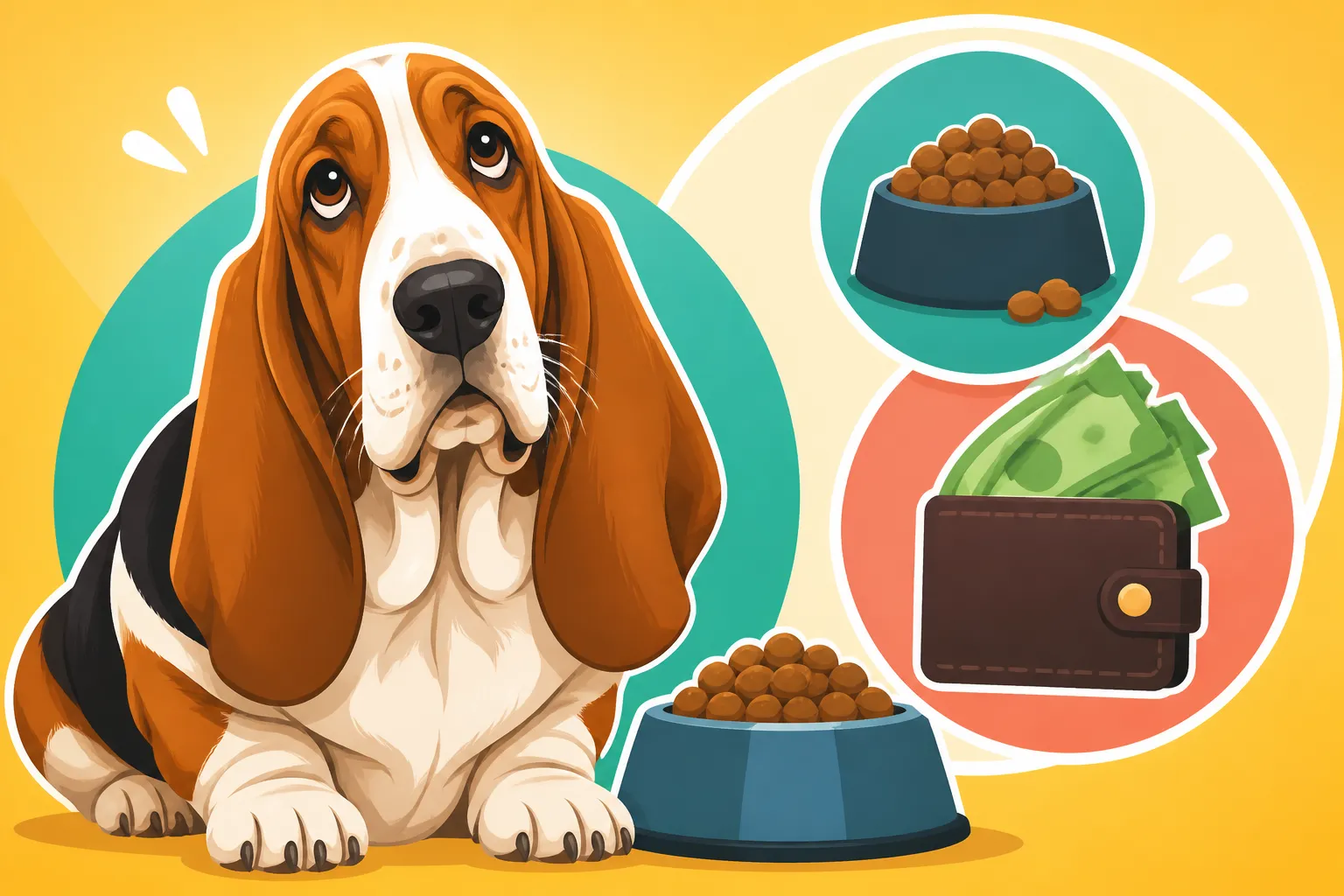
What Feeding a Basset Hound Costs Monthly
One of the biggest worries new Basset Hound owners, and even seasoned ones, face is truly understanding the ongoing costs of keeping their beloved, long-eared companions. Beyond the initial puppy price and those inevitable vet visits, a huge chunk of your budget will go towards keeping that endlessly hungry hound fed. It’s not just about picking up a bag of kibble; it’s about navigating the myriad of choices, dietary needs, and unexpected expenses that come with nourishing a Basset Hound for their entire life. This guide will break down the true monthly cost of feeding your Basset Hound, exploring everything from different food types to how their unique needs can impact your wallet.
Understanding Your Basset Hound's Appetite and Nutritional Needs
Let's be honest, if there's one thing most Basset Hound owners can agree on, it's that these dogs have an almost insatiable love for food. They often act as if every meal is their last, and every crumb dropped is a treasure to be devoured. This isn't just a quirk; it's deeply rooted in their history and physiology. Understanding this helps you appreciate why their diet is such a significant part of their care and your budget.
Why Basset Hounds Always Seem Hungry
Basset Hounds were originally bred for hunting, specifically to track small game like rabbits and hares. This required immense stamina and a keen nose, which they definitely still possess! While most of our Basset Hounds today are more likely to be tracking dropped crumbs than rabbits, that ancient drive for sustenance remains. Their instinct tells them to eat when food is available, because in the wild, resources weren't always guaranteed. This means they often display a remarkable dedication to food, which can sometimes come across as simply "always hungry."
Beyond their historical purpose, Basset Hounds are also incredibly food-motivated, making them highly trainable with the right treats (and patience!). However, this motivation can easily lead to overeating if not managed carefully. Their low-slung bodies and deep chests can make it hard to visually assess their weight, so many owners accidentally overfeed, thinking their Basset is just "big-boned" or simply acting like a typical hungry hound. It's a common trap, but one that can lead to health issues and, naturally, higher food bills.
Key Nutritional Requirements for a Basset Hound
Just like us, Basset Hounds need a balanced diet to thrive, not just survive. This means a proper mix of protein, fats, carbohydrates, vitamins, and minerals. Given their unique physical structure and predispositions to certain health issues, some nutritional considerations are particularly important for Basset Hounds. For instance, their heavy bone structure and characteristic long backs mean that joint health is paramount from an early age.
High-quality protein is crucial for muscle maintenance and overall health, especially for a dog with their substantial build. Healthy fats provide energy and support skin and coat health – vital for those lovely, loose wrinkles and silky ears. Complex carbohydrates offer sustained energy. Furthermore, specific vitamins and minerals are essential for everything from bone density to immune function. Ensuring your Basset Hound gets the right balance isn't just about preventing hunger; it's about setting them up for a long, healthy life. Choosing a food that supports their general well-being can actually save you money on vet bills down the line by helping to prevent diet-related health issues.
Deciphering the Cost of Different Food Types
When you walk down the pet food aisle, or browse online, the sheer number of options can be overwhelming. From budget kibble to gourmet fresh meals, the price tags vary wildly. Understanding what each category offers and what you're truly paying for is key to managing your monthly feeding costs for your Basset Hound.
The Economics of Dry Kibble for Basset Hounds
Dry kibble is, by far, the most common and generally most affordable option for feeding a Basset Hound. The range in quality and price within the kibble category itself is vast. You can find large bags of basic kibble at a very low price point, often appealing to those on a tight budget. These typically rely on more fillers and less animal protein. While they might fill your Basset's stomach, they may not always provide the most optimal nutrition, and your Basset might need to eat more of it to feel satisfied, negating some of the cost savings.
On the other end of the spectrum, premium kibbles offer higher quality ingredients, often with specific formulations for large breeds, sensitive stomachs, or senior dogs. These can contain higher percentages of named meat protein, beneficial supplements like glucosamine for joint health, and avoid common allergens like corn or soy. While a smaller bag of premium kibble might cost more upfront, your Basset Hound might require less volume per serving due to higher nutrient density, and the long-term health benefits could be significant. Brands often offer different tiers, allowing you to choose based on your budget and your Basset's specific needs. Many owners find a good middle-ground kibble that provides decent nutrition without breaking the bank.
Wet Food and Fresh Food: A Higher Price Tag
Moving up the cost ladder, we find wet food (canned or pouches) and fresh food options. Wet food is often more palatable for picky eaters and provides excellent hydration, which can be beneficial for Basset Hounds, especially if they aren't big water drinkers. However, feeding a Basset Hound solely on wet food can become quite expensive due to the lower caloric density and higher volume needed. A single can often doesn't contain enough calories for an adult Basset Hound for a full meal, meaning you'd be going through many cans a week.
Fresh food, like those offered by services such as Ollie, represents another step up in terms of cost and, for many, perceived quality. These meals are typically made with human-grade ingredients, gently cooked, and often portioned specifically for your dog's weight and activity level. Owners often report improved digestion, shinier coats, and increased energy with fresh food diets. While the monthly cost will be noticeably higher than kibble, many people feel the investment is worth it for the health benefits and the peace of mind knowing exactly what their Basset is eating. It's a growing trend, and while it's certainly a more significant financial commitment, it can greatly enhance your Basset's quality of life.
Raw Diets: The Investment in a Natural Approach
Raw feeding, often referred to as BARF (Biologically Appropriate Raw Food) or prey model diets, involves feeding uncooked meat, bones, and organs. This approach aims to mimic the ancestral diet of canids. For Basset Hounds, proponents believe it can lead to improved dental health, better digestion, and overall vitality. However, it's typically the most expensive feeding option and requires careful planning and execution to ensure nutritional completeness and safety.
Raw food can be purchased as commercially prepared frozen patties or complete meals, which are convenient but costly. Alternatively, some owners opt for a do-it-yourself (DIY) approach, sourcing ingredients like chicken frames, beef chunks, and organ meats from butchers or suppliers. While potentially cheaper per pound than pre-made raw, DIY raw feeding demands a thorough understanding of canine nutrition to avoid deficiencies or imbalances, and it carries risks of bacterial contamination if not handled correctly. Storage also becomes a significant factor; you'll need ample freezer space for several weeks' worth of raw food for a Basset Hound, given their substantial appetite. It's a commitment not just financially, but in terms of time and research as well.
Factors Influencing Your Monthly Feeding Bill
It's not just the type of food that dictates your monthly spend; several dynamic factors can shift your Basset Hound's feeding costs. What might be an affordable plan for one Basset could be completely inadequate or too expensive for another.
Age, Activity Level, and Body Condition
A Basset Hound puppy, for example, is a little eating machine. They need more calories and specific nutrients to support their rapid growth, often requiring three to four meals a day. This means buying puppy-specific food, which can sometimes be more concentrated and slightly more expensive per bag. As they transition into adulthood, around 12-18 months, their caloric needs per pound of body weight generally decrease, and they typically move to two meals a day. If you're wondering How Much an Adult Basset Hound Eats Daily, it truly depends on their size and activity.
An adult Basset Hound who enjoys regular, sniff-filled walks and perhaps a bit of scent work will burn more calories than a true couch potato who rarely leaves the sofa. More active dogs need more food. Conversely, if your Basset Hound starts to gain too much weight, you might need to transition to a weight-management formula, which can sometimes be pricier. Being diligent about Keeping a Basset Hound at Its Correct Weight is not just good for their health; it also helps control food portions and costs. Overweight dogs require more food, costing more, and leading to other health issues.
Special Dietary Needs and Veterinary Prescriptions
Unfortunately, not every Basset Hound can thrive on a standard diet. Many develop food sensitivities or allergies, often manifesting as itchy skin, ear infections, or digestive upset. If your vet suspects an allergy, they might recommend a limited ingredient diet or a novel protein source. These specialized foods almost always come with a higher price tag. Imagine the frustration of finally finding a food that doesn't make your Basset itch, only to see your monthly grocery bill jump significantly!
Beyond allergies, certain health conditions can necessitate prescription diets. For instance, Basset Hounds prone to bladder stones might need a specific urinary health diet, or those with kidney issues could require a low-protein formulation. These therapeutic diets are available through your veterinarian and are generally considerably more expensive than even premium over-the-counter foods. They are, however, absolutely essential for managing these conditions and preventing more severe (and costly) health crises. This is where you might ask yourself, Whether Prescription Food Is Needed for a Basset Hound, and if the answer is yes, be prepared for a higher ongoing cost.
Treats, Chews, and Supplements: The "Extras" That Add Up
It's easy to overlook treats when budgeting for dog food, but for a food-motivated Basset Hound, they are often a daily staple! Whether it's for training, reinforcing good behavior, or just because they give you those irresistible sad eyes, treats add up. High-value training treats, dental chews, or long-lasting chews can quickly inflate your monthly spending. If you're working on leash manners or recall, you'll be going through a lot of treats.
Supplements are another category that can sneak into your budget. Many Basset Hound owners, aware of the breed's predispositions, might opt for joint supplements containing glucosamine and chondroitin, or fish oil for skin and coat health. While these aren't food, they are ingested daily and directly contribute to their well-being, blurring the lines of what "feeding costs" truly entail. If you're wondering Whether a Basset Hound Needs Joint Supplements, the answer is often yes, especially as they age, and those costs need to be factored in. Thankfully, online retailers like Chewy offer a vast selection of treats and supplements, often with competitive pricing and convenient delivery options, which can help manage these extra expenses.
Strategies for Managing Basset Hound Feeding Costs
Okay, so we've established that feeding a Basset Hound can get pricey. But don't despair! There are smart ways to approach your Basset's diet that can help you save money without compromising their health or happiness.
Buying in Bulk and Looking for Sales
One of the simplest ways to cut down on kibble costs is to buy larger bags. The per-pound price almost always decreases significantly as the bag size increases. If you have the storage space – remember, larger bags can be heavy and take up quite a bit of room – this is an easy win. Just be sure to store the food properly in an airtight container to maintain freshness and prevent pests. Oxygen and moisture are the enemies of kibble, making it go stale or moldy.
Keep an eye out for sales and promotions from pet supply stores or online retailers. Signing up for email newsletters from places like Chewy can alert you to upcoming discounts, loyalty programs, or subscription services that offer a percentage off. Many companies offer a discount on your first auto-ship order, and ongoing savings for regular deliveries. Planning your purchases around these deals can yield substantial savings over the course of a year. If you find a food your Basset Hound thrives on, consider stocking up when it's on sale.
Homemade Meals and Toppers: Balancing Cost and Nutrition
For some owners, preparing homemade meals or adding homemade toppers to kibble can be a way to control ingredients and potentially costs, especially if your Basset has sensitivities. Using plain cooked chicken, lean ground beef, rice, or vegetables as a supplement can make a smaller portion of kibble more appealing and add variety. However, going entirely homemade requires careful nutritional planning. It’s not as simple as just cooking some meat and veggies; ensuring all essential vitamins and minerals are present in the correct ratios is a complex task.
If you choose to pursue a primarily homemade diet, consulting with a veterinary nutritionist is highly recommended. They can help formulate a balanced recipe tailored to your Basset Hound's specific needs, preventing deficiencies or excesses that could lead to health problems down the road. Remember, what might seem cheaper initially could lead to higher vet bills if the diet is unbalanced. For those who want to enhance their Basset's meal without full DIY, adding small amounts of safe human foods like plain yogurt, pumpkin puree, or cooked eggs as toppers can be a cost-effective way to boost palatability and nutrition.
Understanding Food Labels and Quality vs. Cost
Navigating pet food labels can feel like trying to decipher a foreign language, but it's a critical skill for any cost-conscious and health-focused Basset Hound owner. Look for foods where a named meat source (e.g., "chicken meal," "lamb") is listed as the first ingredient, rather than generic "meat meal" or a grain. This usually indicates a higher protein content and better quality. Avoid foods with excessive fillers like corn, wheat, or soy, especially if your Basset has sensitivities.
Sometimes, a slightly more expensive bag of food can actually be more economical in the long run. If the food is highly digestible and nutrient-dense, your Basset Hound might require smaller portions to meet their nutritional needs, meaning the bag lasts longer. Moreover, a diet that supports their overall health can reduce the likelihood of costly vet visits for diet-related issues. It's a balance: don't automatically go for the cheapest option, but understand what you're getting for your money at different price points. Think of it as an investment in your Basset Hound’s long-term health, helping them live out The Ten to Twelve Years a Basset Hound Lives with vitality.
Long-Term Financial Planning for Your Basset Hound's Diet
Bringing a Basset Hound into your life is a long-term commitment, and their dietary needs will evolve right alongside them. Thinking about feeding costs in the present is important, but a truly responsible owner plans for the future.
Budgeting for the Unexpected: Dietary Changes Over Time
Just like people, Basset Hounds don't stay the same forever. A vibrant, active puppy will eventually become a senior hound with different nutritional requirements. As your Basset Hound enters their golden years, typically around the age of seven or eight, their metabolism slows down. They might become less active, making them prone to weight gain. This often necessitates a switch to a senior-specific formula, which usually has fewer calories, lower fat, and added joint support. These specialized foods can sometimes cost a bit more, or at least require a different budget allocation. Feeding an Old Basset Hound That Has Slowed requires adjustments, not just in portion size, but often in the type of food itself.
Beyond age-related changes, unexpected health issues can arise at any point, leading to unforeseen dietary expenses. A sudden diagnosis of a condition like kidney disease, diabetes, or severe allergies could mean an immediate and permanent switch to a prescription diet, as discussed earlier. These can significantly increase your monthly food bill. Having an emergency fund or setting aside a bit extra each month for pet expenses, including potential dietary shifts, can alleviate a lot of stress during these challenging times.
The Hidden Costs of Poor Nutrition
Choosing the cheapest possible food might seem like a smart money-saving strategy upfront, but it can often lead to significantly higher costs down the line. Poor nutrition can manifest in various ways for a Basset Hound. A diet lacking essential nutrients or containing common allergens can contribute to chronic skin problems, dull coats, persistent ear infections (which are already a Basset Hound bane!), and digestive issues. Treating these ongoing problems with vet visits, medications, and specialized shampoos can quickly dwarf any savings made on cheap food.
Perhaps even more concerning for the Basset Hound breed are issues related to weight. Their sturdy build can easily mask excess weight, but an Whether an Overweight Basset Hound Lives Shorter and puts immense strain on their already predisposed joints and spine. Overweight Basset Hounds are at a higher risk for conditions like arthritis, intervertebral disc disease (IVDD), and even diabetes. Treating these conditions, especially if surgery is involved for IVDD, can cost thousands. So, while a premium or specialized diet might seem expensive monthly, it can be a proactive investment that saves you from far greater financial and emotional costs associated with treating preventable health problems. Investing in quality food contributes to What a Basset Hound Needs Every Day for optimal health.
| Food Type | Typical Monthly Cost Shape (for an adult Basset Hound) | Key Considerations | Potential Pros | Potential Cons |
|---|---|---|---|---|
| Budget Kibble | Lower | Large bags, readily available. | Most economical upfront. | Lower quality ingredients, more fillers, potential for more health issues later. |
| Premium Kibble | Moderate | Higher quality ingredients, specialized formulas available. | Better nutrition, potentially fewer health issues, often lasts longer per bag due to nutrient density. | Higher upfront cost per bag. |
| Wet Food | Higher | Excellent hydration, high palatability, good for picky eaters. | Can be a good topper for kibble, increased moisture intake. | Very expensive to feed exclusively, low caloric density means many cans per meal/day. |
| Fresh Food | Significantly Higher | Human-grade ingredients, custom portioning, often subscription-based (Ollie). | Optimal nutrition, improved digestion, better coat health, peace of mind for ingredients. | Highest upfront cost, requires freezer/fridge space, subscription commitment. |
| Raw Diet | Significantly Higher | Uncooked meat, bones, organs. DIY or commercially prepared. | Mimics ancestral diet, proponents report dental benefits and vitality. | High cost, significant storage needs, requires careful nutritional balancing (DIY), potential safety concerns. |
Disclaimer
This article is for general informational purposes only and does not constitute professional advice. Laws, prices and regulations vary by location and change over time. Consult a qualified professional for guidance on your specific situation.