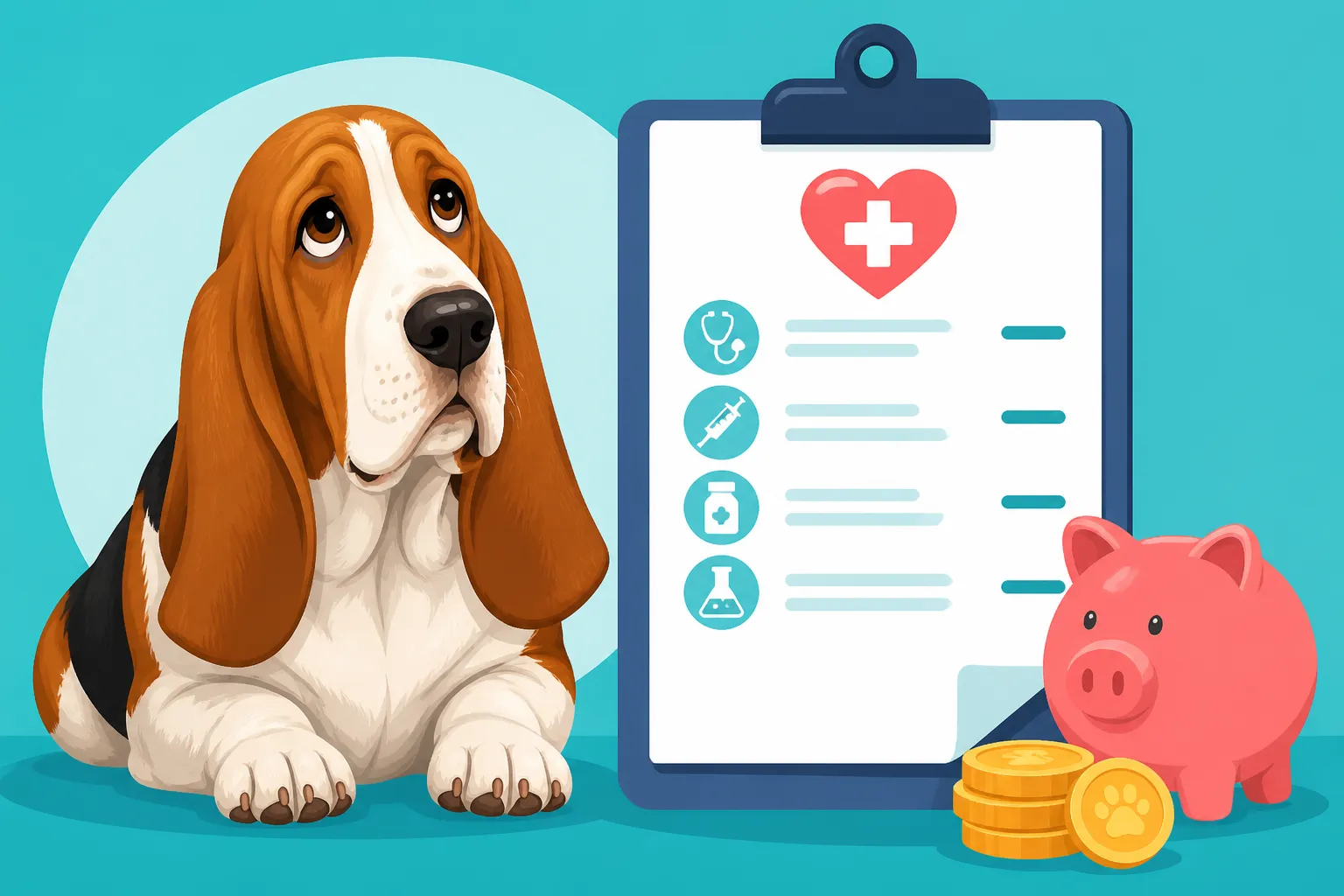
What a Basset Hound’s Yearly Vet Bill Looks Like
Ah, the joys and inevitable realities of owning a Basset Hound! You’ve brought home this magnificent, floppy-eared creature, full of charm and a nose for adventure, and now you’re probably starting to wonder what kind of financial commitment you’ve truly signed up for, especially when it comes to their healthcare. It's a question every Basset parent ponders, and let me tell you, it's rarely as simple as a single annual fee. This guide will walk you through what a typical year of veterinary care might look like for your beloved Basset, from routine check-ups to those unexpected bumps in the road, helping you prepare for the financial journey ahead.
The Baseline: Routine Veterinary Care for Your Basset Hound
Before we even dive into the breed-specific quirks that can add up on a vet bill, let's establish the foundation of what any responsible dog owner can expect to pay for yearly, routine veterinary care. This isn't just about preventing major catastrophes; it's about maintaining a good quality of life for your Basset and catching potential issues before they become debilitating or expensive emergencies. Neglecting these basics can actually lead to far greater costs down the line, both financially and emotionally.
Annual Wellness Exams and Vaccinations
Think of your Basset’s annual wellness exam as their yearly physical, just like you get one. This visit is absolutely crucial, even if your Basset Hound seems perfectly healthy. During this appointment, your veterinarian will perform a thorough head-to-tail examination, checking their eyes, ears, teeth, heart, lungs, and joints. They’ll palpate their abdomen, assess their gait, and talk with you about any changes in behavior, appetite, or energy levels you might have noticed. It's a chance for a professional to spot subtle signs of trouble that might easily be missed by even the most vigilant owner.
Beyond the physical check, annual exams are also when your Basset will receive necessary booster vaccinations. These vaccinations are vital for protecting them from a range of common and often deadly diseases, such as rabies, distemper, parvovirus, and adenovirus. Depending on your Basset's lifestyle and geographic location, your vet might also recommend other vaccines like leptospirosis or Lyme disease. If you live in an area with a high tick population, for example, your vet will definitely suggest the Lyme vaccine. These shots are a small price to pay for significant protection, and adhering to a consistent vaccination schedule is one of the easiest ways to keep your Basset healthy and your vet bills manageable in the long run.
Parasite Prevention: Worms, Fleas, and Ticks
Parasite prevention is another non-negotiable part of your Basset Hound’s yearly vet bill, and it’s an ongoing commitment, not a one-and-done solution. We’re talking about internal parasites like heartworms, roundworms, hookworms, and whipworms, as well as external nuisances like fleas and ticks. These aren't just gross; they can cause serious health problems, from anemia and skin infections to debilitating organ damage and even death. Heartworm disease, in particular, is a silent killer, transmitted by mosquitoes, and treatment is far more expensive and dangerous than prevention.
Most vets will recommend a monthly oral or topical preventative that covers a broad spectrum of parasites. Some popular options are available through various brands and can often be purchased directly from your vet or through online pet pharmacies. Websites like Chewy offer convenient auto-ship options for these monthly medications, which can be a lifesaver when you're trying to remember refills. In addition to regular medication, yearly fecal exams are usually part of the routine check-up to ensure no internal parasites have slipped past the preventative measures. For those in tick-heavy areas, a tick-borne disease test might also be recommended annually, especially if your Basset enjoys long walks in tall grass.
Digging Deeper: Basset Hound Specific Health Concerns and Their Vet Impact
Now, here’s where being a Basset Hound owner truly starts to influence your vet bills. While all dogs can fall ill, Bassets come with a certain set of predispositions due to their unique conformation. Their long ears, heavy bodies, and distinctive bone structure, while adorable, make them prone to specific health issues that often require ongoing care and can significantly impact your yearly veterinary expenses. It's not a question of if these issues might arise, but often when and how much they might cost.
Ear Infections and Their Persistent Nature
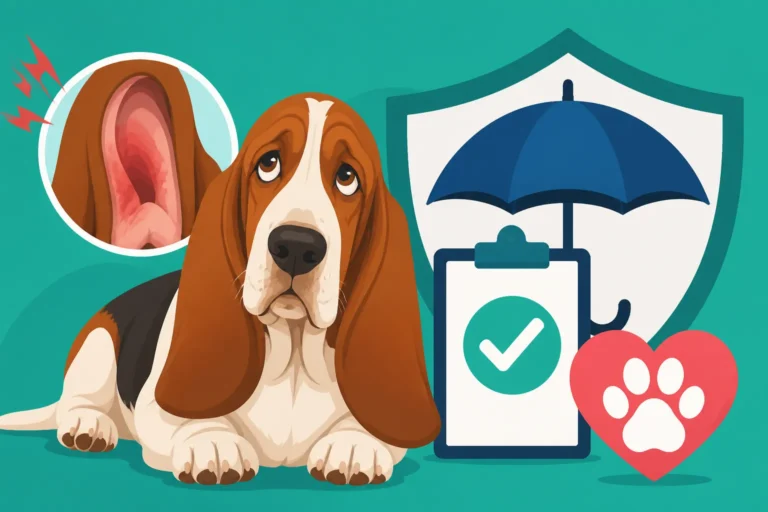
Let’s be honest, those magnificent, long, pendulous ears are one of the most iconic features of a Basset Hound, but they are also a significant source of veterinary visits and ongoing costs. The way they hang creates a warm, moist, and poorly ventilated environment within the ear canal – a perfect breeding ground for bacteria and yeast. It's incredibly common for Bassets to suffer from chronic ear infections, and many owners find themselves asking Whether Every Basset Hound Gets Ear Infections. If you're wondering Why a Basset Hound's Ear Canal Never Dries, it's precisely because those heavy ear flaps trap moisture and air, making it very difficult for the natural drying process to occur.
Treatment for a simple ear infection can involve ear drops, oral antibiotics, and anti-inflammatories. But here’s the kicker: Basset ear infections are rarely simple or one-off. They often recur, requiring repeat vet visits, ear cultures to identify the specific pathogen, and specialized cleaning. For some Bassets, managing ear health becomes a lifelong commitment, almost a "twice weekly ear ritual a Basset Hound owner signs up for." This can really add up, and in severe, chronic cases, when the ear canal becomes permanently scarred and narrowed, surgical intervention like a Total Ear Canal Ablation (TECA) might even be necessary, which is a major procedure with a significant price tag.
Orthopedic Issues: Joints and Back
The Basset Hound’s distinctive, low-slung body, heavy bone structure, and relatively short legs are endearing, but they put considerable strain on their joints and spine. This breed is unfortunately prone to a range of orthopedic problems, which can lead to lameness, pain, and considerable vet expenses. Why One Basset Hound in Seven Has Bad Elbows is a question many owners face, as elbow dysplasia is a common inherited condition where the elbow joint develops abnormally. This can cause arthritis, pain, and lameness, often requiring ongoing management with pain medication, anti-inflammatory drugs, and sometimes even surgery.
Even more notoriously, Basset Hounds are highly susceptible to back problems, particularly Intervertebral Disc Disease (IVDD). Their long backs, similar to Dachshunds, make them vulnerable to slipped or herniated discs, which can cause excruciating pain, nerve damage, and even paralysis. A mild disc issue might be managed with strict crate rest, pain relief, and anti-inflammatory medications. However, severe cases often necessitate emergency surgery to relieve pressure on the spinal cord. The cost of such a procedure, combined with pre-operative diagnostics like an MRI scan—and the subsequent rehabilitation—can be astronomical. You'll want to understand Intervertebral Disc Disease in a Basset Hound long before it becomes a crisis, as prevention, like keeping your Basset at a healthy weight and discouraging jumping off furniture, is key. Caring for The Old Basset Hound That Cannot Get Off the Floor due to these joint and back issues also requires special attention and often continuous medication.
Eye Conditions and Skin Fold Troubles
Beyond their ears and backs, Basset Hounds can also encounter a few other breed-specific health hurdles. Their famously droopy eyelids, while adding to their soulful expression, can sometimes lead to conditions like entropion (eyelids roll inward, irritating the eye) or ectropion (eyelids roll outward, exposing the eye). These conditions can cause chronic irritation, infections, and even damage to the cornea if left untreated, often requiring surgical correction. Glaucoma is another serious eye condition that Bassets can inherit, leading to increased pressure within the eye and potentially blindness if not managed aggressively. If you're unlucky enough to face this, knowing What Glaucoma Surgery Costs a Basset Hound Owner might become a harsh reality. Regular eye checks during annual exams are important for early detection of these issues.
Then there are those adorable, deep skin folds around their face and neck. While they give Bassets their unique charm, they are also prone to developing skin fold infections (pyoderma), especially if moisture or debris gets trapped within them. Cleaning the folds on a Basset Hound's face is paramount, and it often requires specific cleansing wipes or solutions recommended by your vet. These infections often manifest as redness, irritation, odor, and even pain. Treating them involves medicated wipes, topical creams, and sometimes oral antibiotics. While not usually life-threatening, these infections can be uncomfortable for your dog and lead to recurring vet visits and medication costs if not diligently managed. Skin Fold Infections on a Basset Hound are a common and frustrating reality for many owners.
Beyond Routine: Unexpected Vet Bills and Emergencies
While routine care and managing breed-specific conditions form the predictable bulk of your Basset Hound’s yearly vet bill, it’s the unexpected events that can truly blindside you financially. These aren't necessarily breed-specific but can happen to any dog, and it's vital to have a plan for them. A Basset's curious nature, combined with their low-slung body, can sometimes put them in harm's way, making these emergency scenarios a real possibility.
Accidents and Sudden Illnesses
Dogs, like people, can have accidents. Your Basset might dart after a scent in the park, step awkwardly, and injure a paw, or they might ingest something they shouldn't have during one of their famously determined counter-surfing expeditions. These types of incidents often necessitate an emergency vet visit, which always comes with a higher price tag than a scheduled appointment. Things like cuts, sprains, broken bones, or even foreign body ingestions that require emergency surgery are unfortunately common occurrences in the life of an active, curious dog.
Beyond accidents, sudden illnesses can strike without warning. Your Basset might develop an acute gastrointestinal upset, a sudden allergic reaction, or even something more serious like bloat (Gastric Dilatation-Volvulus), which is a life-threatening condition requiring immediate emergency surgery. While bloat isn't as prevalent in Bassets as it is in deep-chested breeds like Great Danes, it can still occur. These emergency situations usually involve immediate diagnostics, pain management, hospitalization, and potentially intensive care, all of which contribute to a very large and often unexpected bill.
Diagnostic Testing and Specialist Referrals
When your Basset Hound isn't feeling well, and the cause isn't immediately obvious, your vet will often recommend diagnostic testing. This could include blood work to check organ function or rule out infections, urinalysis, X-rays to look for orthopedic issues or foreign objects, or more advanced imaging like an ultrasound. If a condition is particularly complex, or if your vet believes your Basset would benefit from specialized expertise, they might refer you to a veterinary specialist – an orthopedist for severe joint issues, an ophthalmologist for eye conditions, or a neurologist for spinal problems.
These specialist consultations and advanced diagnostics come with their own set of costs. For example, if your Basset develops a serious back injury, you might be looking at What a Basset Hound's MRI Costs just to get a definitive diagnosis before any surgical intervention. These tests are essential for accurate diagnosis and effective treatment plans, but they are a major contributor to the overall vet bill. While it's easy to balk at these costs, getting to the root of the problem is the quickest path to getting your Basset back to good health, and trying to cut corners here can often prolong suffering and ultimately increase overall expenses.
Strategies to Manage and Budget for Your Basset Hound's Vet Bills
The thought of those potentially hefty vet bills can be daunting for any Basset Hound owner. But don't despair! There are proactive steps you can take and financial tools you can utilize to help manage these costs, making sure your beloved Basset receives the best care without completely emptying your wallet.
The Role of Pet Insurance and Wellness Plans
One of the most effective ways to mitigate the financial shock of unexpected vet bills is pet insurance. Plans vary widely, but generally, pet insurance works by reimbursing you for a percentage of your vet expenses after you've paid your deductible. This can be a godsend when faced with a major surgery or a chronic condition that requires ongoing treatment. Companies like Healthy Paws offer various plans that can help cover these costs, from emergency care to specialist visits, and are definitely worth investigating, especially given the Basset's predisposition to orthopedic and ear issues. Understanding What Insuring a Basset Hound Runs Monthly is a crucial first step in your budgeting.
It's important to research different providers and policy details, paying close attention to what's covered (and what's excluded, particularly pre-existing conditions) and reimbursement percentages. While a basic accident-only plan might be less expensive monthly, a comprehensive plan often provides more peace of mind. Some veterinary clinics also offer "wellness plans" which are subscription-based programs designed to cover routine care like annual exams, vaccinations, and parasite prevention at a discounted monthly rate. These aren't insurance, but they can help spread out the cost of predictable expenses over the year. Considering these options when your Basset is young and healthy is usually the most beneficial, as pre-existing conditions are rarely covered by new policies.
Smart Budgeting and Preventive Care at Home
Beyond insurance, good old-fashioned budgeting and diligent preventive care at home are your best friends in managing Basset Hound vet bills. Set aside a dedicated "Basset Emergency Fund" each month, even if it's a small amount. This can accumulate over time and be a lifesaver for deductibles or costs not covered by insurance. Remember, The Full Cost of Twelve Years With a Basset Hound is a substantial investment, and planning for it makes a huge difference.
Preventive care starts with you. This means consistent ear cleaning (perhaps even implementing a "snood at dinner" ritual to keep those ears out of food and water, which can contribute to infections), regular dental hygiene, keeping your Basset at a healthy weight (which can prevent or lessen the severity of joint and back problems), and providing appropriate, low-impact exercise. A Basset Hound that is Keeping a Basset Hound at Its Correct Weight is less likely to suffer from exacerbating orthopedic issues. Also, learning to perform basic health checks at home – inspecting their ears for redness or odor, feeling for lumps, checking their teeth – can help you spot issues early, often before they become major problems requiring costly interventions. Being proactive and observant is perhaps the most valuable tool in your arsenal against mounting vet bills. For more comparison, you could even consider What a Basset Hound Costs Against a Beagle to gauge the differences in general care and potential costs. Remember that as your Basset ages and reaches The Age a Basset Hound Counts as Senior, their needs and associated vet costs often increase, making long-term planning even more critical.
| Category | Typical Annual Cost Factors for Basset Hounds | Potential Range (Varies Greatly) |
|---|---|---|
| Routine Preventative | Annual wellness exam, core vaccinations (distemper/parvo, rabies), non-core vaccines (Lepto, Lyme, kennel cough depending on lifestyle), heartworm prevention (monthly), flea/tick prevention (monthly), annual heartworm test, annual fecal exam. | Moderate |
| Breed-Specific Care | Ears: Frequent ear cleanings, medicated drops, oral antibiotics for infections. Recurring issues may lead to cultures or specialist visits. Orthopedic: Joint supplements, pain medication for arthritis/dysplasia, occasional anti-inflammatories. Eyes/Skin: Medicated wipes for skin folds, drops for minor eye irritation. | Moderate to High |
| Unexpected/Emergency | Accidents (e.g., sprains, cuts, foreign body ingestion), sudden illnesses (e.g., severe GI upset, bloat, allergic reactions). Diagnostic imaging (X-rays, ultrasound, MRI), specialist consultations, emergency surgery, hospitalization, rehabilitation. | Highly Variable & Potentially Very High |
| Pet Insurance | Monthly premiums for accident-only or comprehensive coverage. This is a cost for managing vet bills, not a vet bill itself. | Low to Moderate Monthly |
This table provides a generalized overview. Your actual costs will depend heavily on your Basset's individual health, your location, your vet's fees, and whether you opt for pet insurance.
Disclaimer
This article is for general informational purposes only and does not constitute professional advice. Laws, prices and regulations vary by location and change over time. Consult a qualified professional for guidance on your specific situation.