What an Ear Culture Costs on a Basset Hound
It’s a heartbreakingly familiar scenario for Basset Hound owners: you’ve been battling ear infections for what feels like forever. You’ve tried drops, cleaned diligently, and visited the vet more times than you can count, only for that tell-tale head shake and sour smell to return. When these chronic issues crop up, your veterinarian might suggest an ear culture, a crucial diagnostic tool that can feel like another hurdle in an already frustrating journey. This guide will walk you through what an ear culture entails for your Basset Hound, why it's so important, and what you can expect in terms of cost.
Understanding Why Your Basset Hound Needs an Ear Culture
Let's be real, Basset Hounds and ear problems go together like peanut butter and jelly, but not in a good way. Their long, heavy, pendulous ears, combined with often narrowed ear canals, create a perfect warm, moist environment for all sorts of unwelcome guests. While a routine ear infection might clear up with standard medication, sometimes those infections become stubborn, recurrent, or even downright resistant to treatment. That's when your vet might say, "We need to do an ear culture."
When to Suspect a Persistent Ear Problem
You know your Basset Hound best. You've probably become an expert in sniffing out that yeast-like or foul, bacterial odor, and you can spot the earliest signs of discomfort – the constant head shaking, the pawing at an ear, the redness and swelling. But what signals that it's more than just "another" infection?
If your Basset Hound’s ear infection doesn't respond to the first round of antibiotics or anti-fungal medication, or if it clears up only to return within weeks, it's a huge red flag. You might notice the discharge changing color, becoming thicker, or increasing in volume. Sometimes, the ear canal itself can become so inflamed and swollen that it almost closes up, making it nearly impossible for medication to penetrate effectively. This chronic inflammation and discomfort aren't just annoying; they're painful for your dog and can lead to more serious complications down the line, including The Ear Infections That Never Really Leave a Basset Hound. If you're wondering Whether a Basset Hound's Ear Infection Ever Clears, a persistent problem like this often indicates that standard treatments aren't hitting the mark, and it's time to dig deeper.
The Limitations of Visual Diagnosis
It’s easy to assume that a quick look down your Basset’s ear canal is enough for the vet to know exactly what’s going on. And often, for a straightforward infection, it is. The vet can see redness, swelling, and discharge, and with an otoscope, they can get a peek at the eardrum. They might even take a quick swab to look at under the microscope, which can tell them if it's primarily yeast or bacteria. But here’s the kicker: while that microscopic exam can identify types of organisms, it can’t tell you which specific antibiotic will kill that particular bacteria effectively.
Imagine going to the doctor with a bad cough. They might tell you it’s bacterial, but they won’t just pick any antibiotic off the shelf; they’ll want to know which bacteria it is and what it's sensitive to. The same applies to your Basset Hound. Without a culture, you're essentially playing a guessing game with antibiotics, which can lead to resistant strains, prolonged suffering for your dog, and more expense for you in the long run. Sometimes, if you're battling a chronic issue, you might even find yourself wondering Whether a Basset Hound Needs Ear Drops for Life, and the answer could depend entirely on a precise diagnosis from a culture.
The Process of Getting an Ear Culture and What It Reveals
So, your vet has recommended an ear culture. It sounds a bit clinical, but it's a very targeted and necessary step to finally get ahead of those stubborn ear problems. It’s all about getting clear answers so your Basset can get true relief.
The Initial Vet Visit and Sample Collection
The journey for an ear culture typically starts with a vet visit. Your veterinarian will perform a thorough examination of your Basset Hound’s ears, looking for signs of inflammation, discharge, and pain. Because Basset Hounds can be so sensitive about their ears, especially when they're sore, sometimes mild sedation is needed to get a good, clean sample without causing your dog undue stress or pain. This is completely understandable – nobody wants to inflict more discomfort on their already miserable hound.
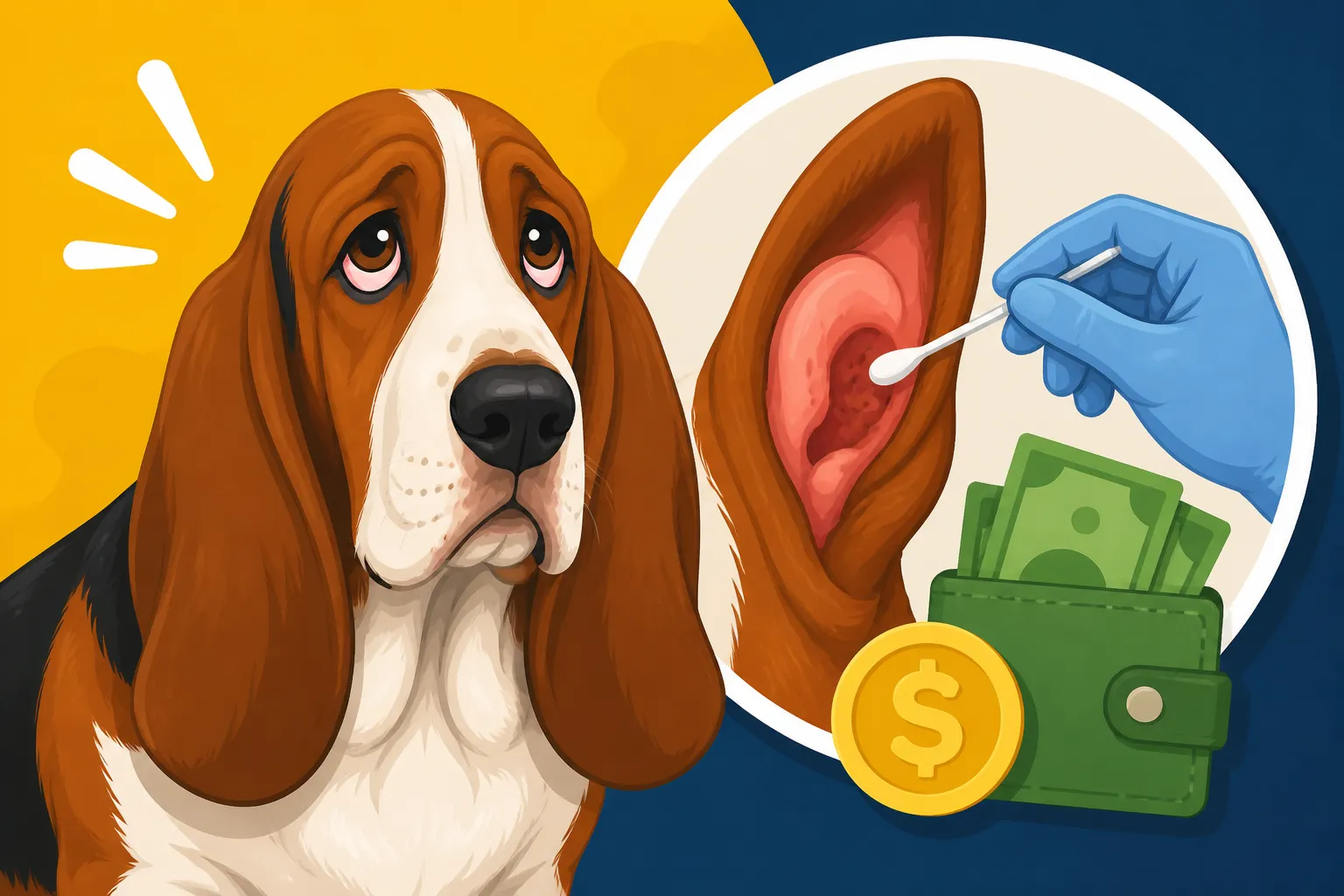
To collect the sample, your vet will use a sterile swab to reach deep into the affected ear canal, carefully trying to get material from the infected area without touching the outer parts of the ear, which could contaminate the sample with surface bacteria. This sample is then placed into a special transport medium and sent off to a veterinary laboratory. This isn't just a simple cheek swab; it's a deliberate attempt to capture the culprits causing the infection directly from their hiding spot.
Interpreting the Results
Once the lab receives the sample, they "culture" it. This means they place the swab on a special plate that encourages bacteria and yeast to grow. Over a few days, if there are organisms present, they'll multiply, allowing the lab technicians to identify exactly what is growing in your Basset's ear. They'll look for specific types of bacteria, like Staphylococcus or Pseudomonas, and often for yeast, particularly Malassezia. Understanding Whether Yeast or Bacteria Is in a Basset Hound's Ear is the first crucial step.
But the real magic happens next: sensitivity testing. The lab will then expose these identified organisms to a panel of different antibiotics and anti-fungals to see which ones effectively kill them and which ones don't. This "sensitivity report" is a game-changer. It tells your vet precisely which medications will be most effective, eliminating the guesswork and allowing for a truly targeted treatment plan. This means a higher chance of success, faster resolution of the infection, and hopefully, fewer frustrating, recurring visits. It gives you and your Basset a fighting chance against those persistent ear problems.
Breaking Down the Costs of a Basset Hound Ear Culture
Alright, let's talk about the elephant in the room: the cost. When your Basset Hound is suffering, money is often the last thing on your mind, but it's a very real concern for every pet parent. An ear culture isn't a one-and-done bill; it’s usually part of a larger diagnostic and treatment process.
The Consultation Fee
Every trip to the vet starts with a consultation fee. This is the basic charge for the veterinarian to examine your Basset Hound, discuss their symptoms, review their history, and formulate a plan. If your Basset has a chronic ear issue, you might have been paying this fee repeatedly for various ear infection treatments. This initial consultation will be where the decision is made to perform an ear culture. If sedation is required for proper sample collection, that will be an additional cost to cover the medication and monitoring involved. It's a foundational cost that sets the stage for everything else.
The Culture Itself and Sensitivity Testing
This is the core cost we're talking about today. The fee for the ear culture itself covers the lab's work: culturing the sample, identifying the organisms, and performing the all-important sensitivity testing. This fee varies significantly based on your veterinary practice, the specific lab they use, and your geographic location. It’s not just a quick test; it involves skilled lab technicians, specialized equipment, and careful interpretation. This part of the process is invaluable, as it provides the detailed information needed for effective treatment. Without it, you might be throwing money at medications that just aren't going to work.
Follow-Up and Medication Costs
Getting the culture results is wonderful, but it's not the end of the line financially. Once the results are in, your vet will likely call you back for a follow-up appointment to discuss the findings and prescribe the appropriate medication. This often means another consultation fee. The medication itself, which will be specifically chosen based on the sensitivity report, will also incur a cost. Sometimes these targeted medications can be more expensive than general antibiotics, but they offer a much higher chance of success. Remember, preventing chronic recurrence saves money in the long run. If the infection is particularly severe or deeply seated, your vet might also suggest further diagnostics, like an ear canal flush or even X-rays, to rule out underlying issues, all of which add to What Ear Treatment Costs a Basset Hound Owner Yearly.
Here’s a general idea of the components that make up the total cost:
| Cost Component | Description | Typical Range (Relative) |
|---|---|---|
| Initial Vet Consultation | Examination, history taking, discussion of symptoms, decision for culture. | Moderate to High |
| Sedation (if needed) | Medication and monitoring for comfortable sample collection. | Moderate |
| Ear Culture Lab Fee | Culturing the sample, identifying organisms, sensitivity testing. | High |
| Follow-up Vet Consultation | Discussion of lab results, prescription of targeted medication. | Moderate to High |
| Prescription Medication | Specific antibiotics/anti-fungals based on sensitivity. | Varies (Moderate to Very High) |
| Ear Cleaning Supplies | Specific cleaners to use alongside medication. | Low to Moderate |
Strategies for Managing Recurring Ear Culture Costs
Let’s face it, veterinary care, especially for chronic conditions, can really add up. While an ear culture is a wise investment in your Basset Hound's long-term ear health, there are ways to manage the overall financial impact and reduce the frequency of needing these expensive diagnostics.
Preventative Care and Proactive Cleaning
An ounce of prevention is truly worth a pound of cure, especially with Basset Hounds. Their unique ear anatomy makes them highly susceptible to infections, meaning proactive care is non-negotiable. Regular, thorough ear cleaning is your first line of defense. Knowing How Often a Basset Hound's Ears Must Be Cleaned is key, and it's usually more often than owners of other breeds might think. You need a good quality, vet-approved ear cleaner. For ongoing maintenance, you can often find great deals on these kinds of products from reputable online retailers like Chewy, which can help keep recurring supply costs down.
Beyond cleaning, ensuring your Basset’s ears are kept dry, especially after baths or if they’ve been exploring damp areas, is crucial. Their long ears tend to trap moisture, creating that perfect breeding ground for bacteria and yeast. Developing a consistent routine of checking and cleaning their ears can help you spot issues early, potentially before they escalate to the point of needing another culture. Catching problems when they're minor often means simpler, less expensive treatment.
Considering Pet Insurance
For many Basset Hound owners, chronic ear issues become a significant part of their annual vet bills. This is where pet insurance can be a real lifeline. While it won't cover pre-existing conditions (meaning if your Basset already has chronic ear infections before you get a policy, those specific issues might be excluded), a good comprehensive policy can certainly help with new, unrelated conditions or unexpected issues that arise down the road.
Companies like Healthy Paws offer various plans that can cover a significant portion of diagnostic tests, treatments, and even emergency surgeries, like What a Basset Hound's Emergency Surgeries Cost. It’s important to research policies carefully, understand what's covered, what the deductible is, and what reimbursement percentage they offer. Even if current ear issues aren't covered, having insurance can give you peace of mind for future health concerns, making the decision to pursue necessary diagnostics like an ear culture much less stressful financially. Many owners find that investing in insurance when their Basset is young and healthy pays off tremendously in the long run. When you look at What a Basset Hound's Yearly Vet Bill Looks Like, you quickly realize how much these costs can accumulate.
Leveraging Online Pharmacies and Pet Stores for Medication
Once your vet has identified the correct medication for your Basset Hound’s ear infection through an ear culture, you might have options for where to fill that prescription. While some medications are best obtained directly from your vet, many common antibiotics and anti-fungals can be purchased through online veterinary pharmacies or large pet supply retailers. Services like Chewy often carry prescription medications and can sometimes offer them at a more competitive price, delivered right to your door. Always make sure you're using a reputable, licensed online pharmacy and that your veterinarian approves of the prescription being filled elsewhere.
Additionally, consider the role of diet and supplements in overall ear health. Some Basset Hounds suffer from allergies that manifest as ear infections, and a carefully managed diet can sometimes reduce inflammation. While not a direct treatment for active infection, ensuring your Basset gets quality nutrition can support their immune system and skin barrier function. Exploring options, perhaps even looking into fresh food services like Ollie, could contribute to their overall health and potentially reduce the frequency or severity of recurring issues, though always consult your vet before making significant dietary changes, especially with ear problems already present.
Navigating the costs of a Basset Hound’s chronic ear issues can be daunting, but an ear culture is a powerful tool to break the cycle of ineffective treatments. By understanding the process, planning for the expenses, and utilizing smart management strategies, you can provide your beloved hound with the relief they deserve and save yourself considerable stress and money in the long term.
Disclaimer
This article is for general informational purposes only and does not constitute professional advice. Laws, prices and regulations vary by location and change over time. Consult a qualified professional for guidance on your specific situation.