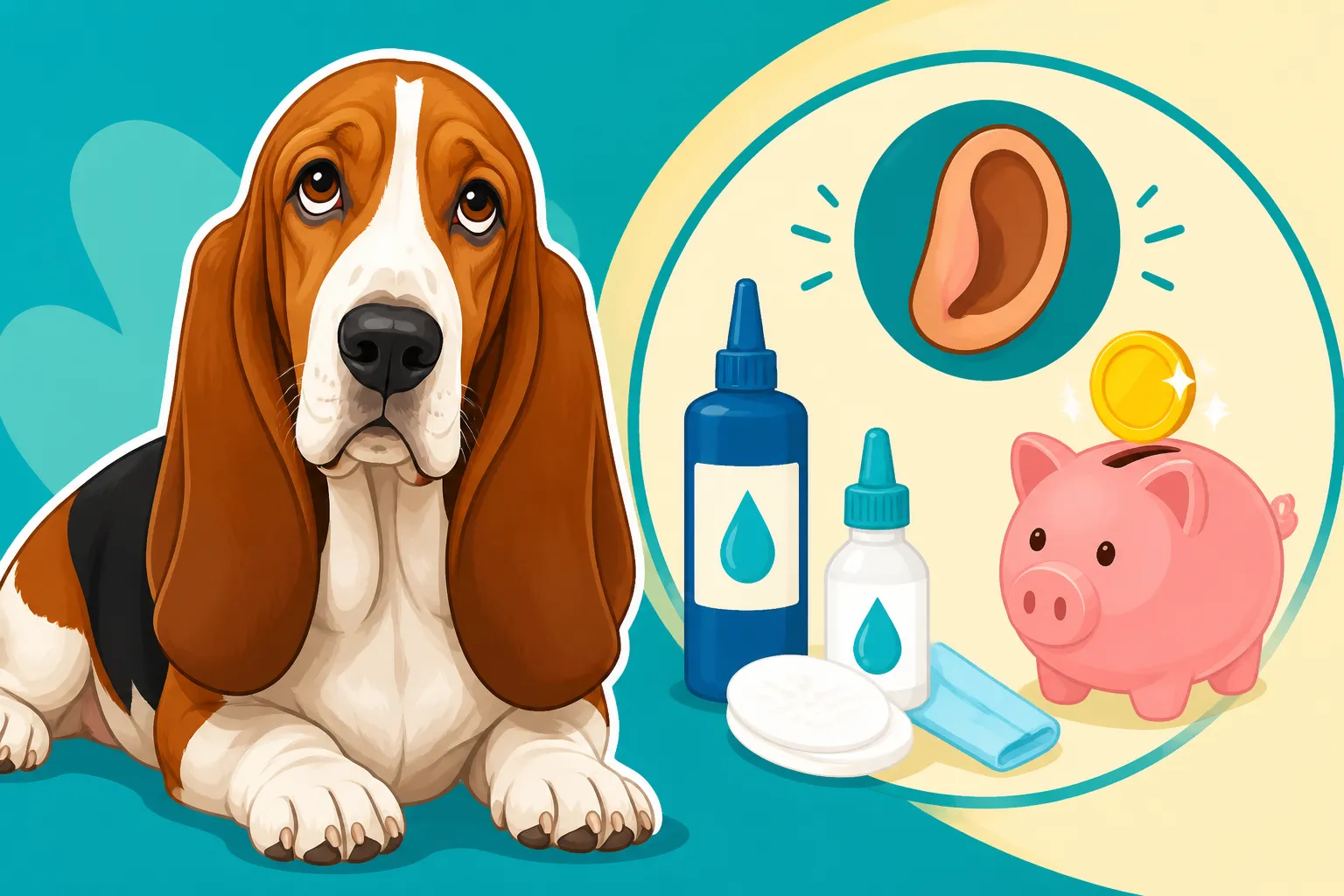
What Ear Treatment Costs a Basset Hound Owner Yearly
Oh, the Basset Hound ears! If you're a Basset owner, you know the drill: that endearing, low-slung ear set is also a magnet for trouble. Ear infections are a frustrating, common, and often costly reality for many of us, turning what should be a simple sniff-and-stroll into a head-shaking, ear-scratching saga. This guide is here to walk you through what ear treatment truly costs a Basset Hound owner yearly, breaking down the expenses from routine care to those dreaded emergency visits.
The Frustrating Reality of Basset Hound Ear Infections
Let's face it, Basset Hounds are adorable, but their ears can be a constant source of worry and expense. It often feels like you're fighting a losing battle, doesn't it? One minute your floppy-eared friend is happily sniffing, and the next they're shaking their head like a maraca. Understanding why they're so prone to these issues is the first step toward managing them.
Why Basset Hounds Are Prone to Ear Trouble
The design of a Basset Hound's ear, while charming, is essentially a perfect storm for infections. Those long, heavy ear flaps, often reaching down to their dewlaps, trap moisture and reduce air circulation. Think of it like a warm, damp cave – ideal for yeast and bacteria to set up shop. Beyond the sheer length, many Bassets also have abundant hair deep within their ear canals, which further hinders airflow and can catch debris.
It's not just the external structure, either. The internal anatomy of a Basset Hound's ear canal is also a major contributing factor. Unlike a human's relatively straight ear canal, a dog's is shaped like an "L," with a vertical and horizontal section. In Bassets, this canal can be particularly narrow and winding, making it incredibly difficult for natural debris or moisture to exit, and for owners to clean effectively. This unique anatomy often means that infections can brew deep inside, unseen until they become quite severe.
Adding to this predisposition, Basset Hounds are unfortunately prone to allergies, both environmental and food-related, which frequently manifest as skin irritation and, you guessed it, ear infections. When their skin becomes itchy and inflamed from allergies, the delicate lining of the ear canal can also swell, making it even harder for air to circulate and creating an even more welcoming environment for microbes. This cyclical nature of allergies and ear infections can be incredibly frustrating for owners who feel like they're constantly treating symptoms without ever getting to the root cause. Many owners wonder Whether Every Basset Hound Gets Ear Infections, and while not every Basset will, a significant number certainly will experience them. It's a sad reality that these wonderful dogs often face recurring ear problems due to their very design. This is precisely Why a Basset Hound's Ear Canal Never Dries, creating a perpetual struggle for many pet parents.
Recognizing the Signs of Trouble
Catching an ear infection early is absolutely crucial, not just for your Basset's comfort, but also for your wallet. The sooner you notice something is amiss, the less severe the infection is likely to be, and therefore, the less invasive and costly the treatment will be. A little vigilance can save a lot of heartache (and expense).
The most common signs are usually pretty obvious: excessive head shaking, often accompanied by a distinctive flapping sound of their long ears; persistent pawing at their ears with a back paw; or rubbing their ears against furniture, the carpet, or even your leg. You might also notice a change in the ear itself. Look for redness or swelling inside the ear flap and around the opening of the canal. Discharge is another tell-tale sign – it could be waxy, dark brown, pus-like, or even bloody, and often comes with a distinct, unpleasant odor that can range from sweet and yeasty to downright foul.
Beyond these physical signs, pay attention to any changes in your Basset's behavior. If they suddenly become reluctant to play, seem lethargic, or are unusually irritable, especially when you try to touch their head or ears, pain could be a factor. Some Bassets might even hold their head tilted to one side or be reluctant to open their mouth wide to yawn or eat if the infection is particularly painful. If you notice any of these The Signs a Basset Hound's Ear Has Gone Bad, it's time to get your furry friend to the vet without delay. Ignoring these signs will only allow the infection to worsen, potentially leading to more advanced, painful, and expensive complications, including hearing loss or even neurological issues in severe, untreated cases.
Initial Vet Visits and Diagnostic Costs
When those tell-tale signs of an ear infection crop up, a trip to the vet is inevitable. These initial visits are critical for getting an accurate diagnosis and starting your Basset on the right path to recovery. But, as we all know, vet visits come with a price tag, and ear problems often require more than just a quick look.
The First Consultation and Ear Examination
Your first step will be a consultation fee, which covers the general examination by the veterinarian. During this visit, your vet will perform a thorough physical exam, paying close attention to your Basset's ears. They'll use an otoscope – that little flashlight-like tool – to peer down the ear canal. This allows them to see how inflamed the canal is, whether there's foreign material, excessive discharge, or if the eardrum is intact. This initial visual inspection is vital, as it guides the next steps in diagnosis and treatment.
For a Basset Hound, this part of the exam can sometimes be challenging. If your dog is in significant pain, or if their ear canals are severely swollen and tender, they might not be the most cooperative patient. In some cases, especially with particularly painful or anxious dogs, the vet might recommend mild sedation just to get a good, clear look inside the ear without causing undue stress or injury. Sedation, while beneficial for the dog's comfort and the accuracy of the exam, does add to the overall cost. It's an extra layer of expense that many Basset owners encounter due to the sensitive nature of chronic ear problems. This is where having pet insurance like Healthy Paws can truly make a difference, as it often covers diagnostic tests and procedures, including those that require sedation.
Identifying the Culprit: Cultures and Cytology
A visual inspection isn't always enough to identify the specific cause of the infection, which is why diagnostic tests are so important. The most common and essential test is an ear cytology. This involves taking a swab of the discharge from the ear canal and examining it under a microscope. This simple, relatively inexpensive test allows the vet to determine if the infection is caused by yeast, bacteria, or a combination of both, and sometimes even ear mites. Knowing whether it's Whether Yeast or Bacteria Is in a Basset Hound's Ear is critical for prescribing the correct medication.
If the initial cytology is inconclusive, or if your Basset has a persistent infection that isn't responding to standard treatments, your vet might recommend an ear culture and sensitivity test. This is a more advanced and consequently more expensive test. A sterile swab is used to collect a sample, which is then sent to a laboratory. The lab will grow the microbes present in the ear and then test them against various antibiotics and antifungals to determine exactly which medications will be most effective. This targeted approach prevents using ineffective treatments, which saves time, money, and your Basset's discomfort in the long run, but the initial investment is higher. The cost variability for these tests can be significant, ranging from a basic cytology to a full lab culture. It's a crucial part of solving the puzzle, especially when dealing with those stubborn, recurring Basset ear infections.
Treatment Protocols and Medication Expenses
Once the diagnosis is made, the next phase is treatment. This is where your yearly costs can really start to add up, especially if your Basset Hound is prone to recurrent infections or requires long-term management. The type and duration of medication will largely depend on the severity and cause of the ear infection.
Topical Treatments: Ear Drops and Cleaners
For many Basset Hound ear infections, especially mild to moderate ones, topical treatments are the first line of defense. These typically involve prescription ear drops that contain a combination of antibiotics, antifungals, and/or anti-inflammatory agents. These drops are designed to directly target the infection within the ear canal. You'll usually need to administer these drops once or twice a day for a period of 7 to 14 days, sometimes longer. The cost of these prescription drops can vary widely depending on the specific ingredients and the brand, but they are often a recurring expense for Basset owners.
In addition to the medicated drops, your vet will almost certainly prescribe or recommend a specialized ear cleaner. This cleaner is vital for removing debris, wax, and discharge from the ear canal, preparing it for the medication to work effectively. Many Basset owners find themselves using ear cleaners not just during an active infection, but also for ongoing maintenance to help prevent future flare-ups. You might be asked to clean the ears before applying drops, or as part of a weekly preventative routine. The cost of these cleaners adds to your yearly expenses, but they are essential. While you can often find good quality ear cleaners on sites like Chewy, it's always best to consult your vet about Which Ear Cleaner Suits a Basset Hound best, especially if there's an active infection or known allergies. Using the wrong type of cleaner can sometimes irritate the ear further.
Oral Medications and Advanced Treatments
Sometimes, topical treatments aren't enough, particularly for deep-seated, severe, or chronic infections. In these cases, your veterinarian might prescribe oral medications. These can include systemic antibiotics or antifungals, which work throughout your Basset's body to tackle the infection from the inside out. These oral medications often need to be given for several weeks, and sometimes even months, which can significantly increase the cost compared to topical drops.
Beyond antimicrobials, anti-inflammatory medications, such as steroids, might be prescribed to reduce swelling and pain within the ear canal. This helps to make your Basset more comfortable and can allow the topical medications to penetrate more effectively. For very painful ears, analgesics (pain relievers) might also be necessary. The combination of oral medications, especially if required long-term, represents a substantial expense for Basset Hound owners. This becomes particularly noticeable in cases of chronic ear disease, where these medications might be needed intermittently throughout the year to manage flare-ups. The cost difference between a simple topical treatment regimen and one that includes multiple oral medications is quite significant, often meaning hundreds of dollars more in medication costs per year, compounding the overall financial burden of living with a Basset Hound's ear problems.
Managing Chronic Ear Disease and Recurring Costs
For many Basset Hound owners, ear infections aren't a one-off event; they're a recurring nightmare. Managing chronic ear disease can feel like a relentless battle, with expenses mounting year after year. It’s a huge source of frustration and often, despair, when you feel like you're doing everything right and still dealing with the same old problems.
The Never-Ending Cycle: Follow-Up Visits and Re-treatments
When a Basset Hound has chronic ear issues, you quickly become intimately familiar with the vet's office. It's not just the initial visit and medication; it's the cycle of follow-up visits, re-checks, and often, re-treatments. Your vet will typically want to see your Basset back to ensure the infection is clearing up and that the eardrum remains healthy. These follow-up appointments come with their own exam fees, and often, repeat ear cytologies to confirm that the yeast and/or bacteria are truly gone.
If the infection hasn't cleared, or if it quickly returns after treatment, you might find yourself in a disheartening loop of trying different medications, more advanced diagnostics, and more frequent vet visits. This ongoing process, while essential for your Basset's health and comfort, can take a heavy toll on your finances. Imagine spending hundreds of dollars on a course of treatment, only for the infection to flare up again a month later, requiring another round of vet visits and medications. This is the reality for many Basset owners, and it perfectly illustrates What Chronic Ear Treatment Costs a Basset Hound Owner – it's often not a single bill, but a continuous stream of expenses that can easily total hundreds, if not over a thousand dollars, per year. The emotional drain of seeing your beloved companion constantly uncomfortable, coupled with the financial strain, can be incredibly taxing.
Surgical Interventions for Severe Cases
When medical management, no matter how aggressive or persistent, fails to resolve chronic ear infections, or if the ear canal becomes so damaged that it permanently narrows or calcifies, surgery might become the only viable option. This is truly a last resort, but for some Basset Hounds, it offers the only chance for permanent relief from pain and infection.
The most common surgical procedure for severe, chronic ear infections in Basset Hounds is a Total Ear Canal Ablation (TECA) combined with a Bulla Osteotomy. This extensive surgery involves removing the entire ear canal and often a portion of the middle ear, effectively eliminating the source of recurrent infection. As you can imagine, this is a major surgical procedure that comes with a significant price tag. The cost includes the surgery itself, general anesthesia, often several days of hospitalization, post-operative pain management, and follow-up care. While it can be life-changing for a suffering Basset, the financial commitment is substantial. Understanding Whether a Basset Hound Needs Ear Surgery is a crucial conversation to have with your vet if you find yourself in this situation. It's an investment, but for many, it's worth it for the improved quality of life for their dog. For an in-depth look at what to expect, you might want to read What a Total Ear Canal Ablation Costs on a Basset Hound. This is another area where a comprehensive pet insurance policy, like those offered by Healthy Paws, can provide immense financial relief, covering a significant portion of these high surgical costs.
Preventive Measures to Reduce Yearly Costs
While some Basset Hounds are simply predisposed to ear trouble, there's a lot you can do as an owner to minimize the frequency and severity of infections, and in turn, reduce those yearly treatment costs. Prevention really is worth a pound of cure, especially when it comes to those magnificent, yet troublesome, Basset ears.
Regular Ear Cleaning and Inspection
The cornerstone of ear health for a Basset Hound is a consistent, proactive ear care routine. This isn't just about cleaning when an infection is present; it's about making ear cleaning a regular, even weekly, ritual. Your vet will likely recommend a specific non-medicated ear cleaner suitable for regular use. Using this cleaner as directed helps to flush out debris, excess wax, and trapped moisture, creating a less hospitable environment for bacteria and yeast. For most Bassets, a good ear cleaning once a week is a solid goal, but your vet might advise more or less frequently depending on your dog's individual needs and activity levels. This routine care significantly impacts How Often a Basset Hound's Ears Must Be Cleaned to keep problems at bay.
Beyond cleaning, daily visual inspection is crucial. A quick lift of the ear flap to peek inside can alert you to the very first signs of redness, swelling, or unusual discharge. Catching these subtle changes early can prevent a full-blown infection from taking hold, allowing for quicker, simpler, and less expensive intervention. It's also important to get your Basset Hound comfortable with ear handling from a young age. This makes the cleaning process much easier and less stressful for both of you. You can find some great tips on Teaching a Basset Hound to Tolerate Ear Cleaning, which can make this routine much smoother. This proactive approach with inexpensive cleaners is a small investment that can prevent much larger vet bills down the line.
Addressing Underlying Allergies and Health Issues
Sometimes, ear infections are merely a symptom of a larger underlying health problem, most commonly allergies. If your Basset Hound experiences recurrent ear infections, despite diligent cleaning and appropriate treatments, your vet might suggest investigating allergies as the root cause. This could involve a food trial, where your dog eats a novel protein or hydrolyzed protein diet for several weeks to rule out food sensitivities, or allergy testing to identify environmental allergens like pollen, dust mites, or molds.
Addressing these underlying allergies might mean a long-term commitment to a special diet, ongoing allergy medications, or even immunotherapy (allergy shots). While the initial diagnosis and management of allergies can be an investment, it's often the most effective way to break the cycle of chronic ear infections. Treating the root cause not only improves your Basset's overall quality of life but can also significantly reduce the frequency and severity of ear flare-ups, ultimately lowering your yearly ear treatment costs. Additionally, certain other health conditions, like hypothyroidism, can sometimes predispose dogs to skin and ear issues. Routine vet checks can identify these conditions, and proper management can indirectly help with ear health. Learning more about Whether a Basset Hound Gets Allergies can provide valuable insights into this often-overlooked aspect of ear health.
Understanding the Financial Landscape of Basset Hound Ear Care
To help you visualize the potential costs, here’s a breakdown of what you might expect for different scenarios. Remember, these are generalized ranges, and actual costs will vary based on your location, your vet's fees, and the specific medications prescribed.
| Scenario | Initial Vet Visit & Diagnostics | Medications & Cleaners (per course/month) | Follow-up Visits & Re-checks | Potential Yearly Total (excluding surgery) |
|---|---|---|---|---|
| Mild, Single Infection | Moderate (exam + cytology) | Low (topical drops, cleaner) | Low (1 re-check) | Moderate |
| Moderate, Resolved | Moderate (exam + cytology) | Moderate (topical/oral meds, cleaner) | Moderate (1-2 re-checks) | Moderate to High |
| Recurring Infections (Allergy) | High (initial allergy work-up) | Moderate (ongoing meds, special cleaner) | High (multiple visits/year) | High (can be very high with allergy meds) |
| Chronic, Severe Infection (Non-surgical) | High (exam, culture, sedation) | High (oral/topical meds, pain relief) | Very High (frequent visits) | Very High |
| Surgical Case (TECA) | Very High (surgery, anesthesia, hospitalization, recovery care) | N/A (post-op meds) | N/A (post-op care) | Extremely High (one-time, but significant) |
This table illustrates that while a single, mild infection might be managed for a relatively modest sum, the costs quickly escalate with recurring issues or severe conditions. Investing in preventative care and addressing underlying causes can significantly impact where your Basset Hound falls on this cost spectrum each year.
Disclaimer
This article is for general informational purposes only and does not constitute professional advice. Laws, prices and regulations vary by location and change over time. Consult a qualified professional for guidance on your specific situation.