How Often a Basset Hound Ends Up at the Vet for Ears
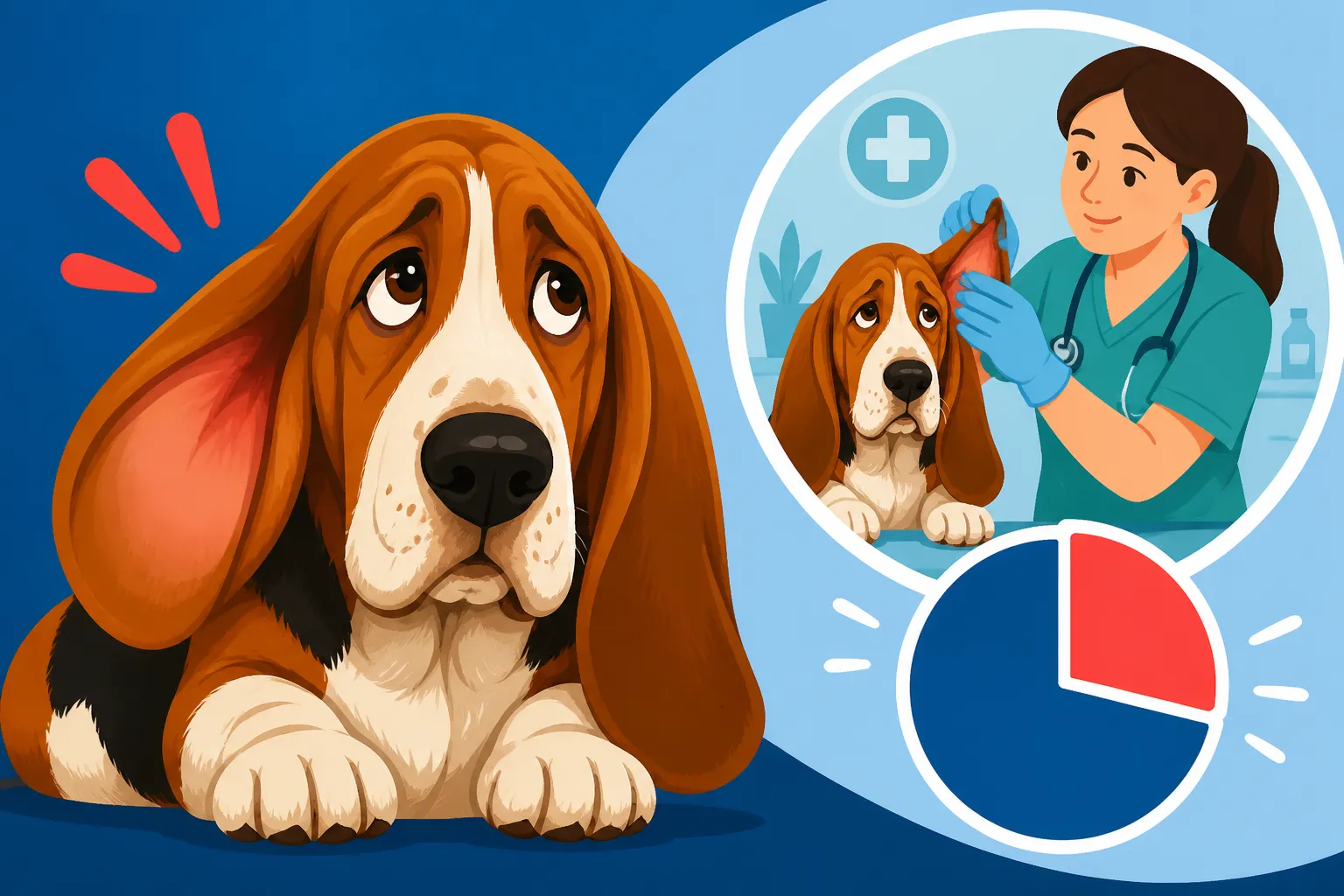
Oh, the Basset Hound ears! If you're a Basset parent, you already know the struggle is real. It feels like you're constantly on alert, wondering if that head shake or subtle scratch is the start of another painful, expensive ear infection. It's a common frustration, and many owners feel like their Basset Hounds end up at the vet for their ears far more often than for anything else. This guide will walk you through just how frequently Basset Hounds can need veterinary attention for their unique ears, what drives these visits, and how you can work to minimize them.
The Inherent Vulnerability of Basset Hound Ears
Let's be honest, those magnificent, long, droopy ears are a Basset Hound's most iconic feature, right? They're part of what makes them so undeniably charming. But those very same ears are also a major design flaw when it comes to ear health, a truth that Basset owners quickly learn, often the hard way. It's not just a minor inconvenience; it's a significant anatomical predisposition to chronic ear problems that leads to countless vet visits.
Anatomy That Invites Trouble
Imagine a deep, winding cave that hardly ever sees sunlight or fresh air. That's pretty much what a Basset Hound's ear canal is like. Unlike dogs with prick ears or even shorter drop ears, the Basset's ear flap is incredibly long and heavy. It hangs down, effectively sealing off the entrance to the ear canal, trapping warmth, moisture, and debris inside. This creates a perfect, dark, humid breeding ground for bacteria and yeast, which absolutely thrive in such environments. Why a Basset Hound's Ear Canal Never Dries is a critical piece of the puzzle here. When you add in the fact that Basset Hounds often have a lot of hair growing inside their ear canals, you've got a recipe for disaster. This hair further obstructs airflow and can trap even more wax and debris, making it incredibly difficult for the ear to naturally clean itself. This isn't just theory; it's the lived reality for Basset Hounds and their owners, often resulting in recurring infections that can feel relentless.
The Perpetual Battle: Yeast and Bacteria
Because of this anatomical predisposition, Basset Hounds are constantly fighting a battle against overgrowth of normal ear flora. It’s not a matter of if they'll get an ear infection, but often when and how frequently. You might deal with a bacterial infection one month, then a yeast infection the next, or even a mixed infection that's particularly stubborn. Whether Yeast or Bacteria Is in a Basset Hound's Ear dictates the type of medication needed, which means a vet visit is almost always required for proper diagnosis. Each time an infection flares up, it’s a full-blown medical event requiring professional attention. The symptoms might start subtly – a little more head shaking, a bit of scratching – but if left unchecked, they can escalate rapidly into intense pain, swelling, and even further damage to the ear canal. This constant vigilance can be exhausting for owners, as any deviation from normal ear behavior sends up a red flag.
Recognizing the Red Flags and When to Call the Vet
Knowing when to call the vet for your Basset's ears isn't always obvious, especially when they might seem to be constantly scratching or shaking their head. Many owners develop an almost sixth sense for it, but for new Basset parents, it can be a source of anxiety. It's really about recognizing the difference between a normal Basset ear twitch and the definite signs of trouble brewing beneath those long flaps. Missing the early signs can mean a more advanced, painful, and costly infection to treat down the line.
Subtle and Obvious Signs of Ear Trouble
The signs that your Basset Hound's ears are bothering them can range from very subtle to overtly distressing. Often, the first hint is an increase in head shaking, sometimes accompanied by scratching at the ear with a back paw, or rubbing their head along furniture or the carpet. You might also notice a change in behavior – they might be a bit withdrawn, less playful, or even snappish if you try to touch their head or ears because of the discomfort. As the infection progresses, the signs become more obvious: a foul odor emanating from the ear (often described as sweet or sour, depending on whether it's yeast or bacteria), redness and swelling of the ear flap and canal opening, or a visible discharge that can be waxy, dark, yellowish, or even bloody. The Signs a Basset Hound's Ear Has Gone Bad are not something to ignore, as swift action can prevent complications. Don't assume it's just dirt; a change in ear odor or discharge is a strong indicator that something is medically amiss.
The "When in Doubt, Check it Out" Mentality
Given the Basset Hound's propensity for ear issues, it's generally best to err on the side of caution. If you notice any consistent head shaking, scratching, a new smell, or any visible redness or discharge, it's time to call your veterinarian. Waiting can allow a minor infection to become much worse, potentially leading to chronic changes in the ear canal or severe pain for your dog. For many Basset owners, a vet visit for ears becomes a fairly regular occurrence, sometimes every few months, sometimes even more frequently if a particularly stubborn infection takes hold. It's a sad reality, but it's part of responsible Basset ownership. Investing in pet insurance, like plans from Healthy Paws, can certainly help cushion the financial blow of these frequent medical visits and the necessary medications.
| Symptom Observed | Potential Indication | Typical Vet Action | Frequency of Concern |
|---|---|---|---|
| Increased Head Shaking | Irritation, mild infection, foreign object | Examination, cleaning, potential ear drops | Moderate |
| Frequent Ear Scratching | Itching, inflammation, infection | Examination, cleaning, medication, allergy discussion | Moderate to High |
| Foul Odor from Ear | Bacterial or yeast infection | Examination, cytology, targeted ear drops | High (immediate) |
| Redness/Swelling of Ear | Inflammation, infection | Examination, cytology, antibiotics/antifungals | High (immediate) |
| Dark, Waxy Discharge | Yeast overgrowth, mites | Examination, cytology, specific ear drops/cleaners | Moderate |
| Yellow/Pus-like Discharge | Bacterial infection | Examination, culture & sensitivity, antibiotics | High (immediate) |
| Crying/Pain on Ear Touch | Severe inflammation, deep infection | Pain relief, thorough exam, often sedation | Very High (emergency) |
| Aural Hematoma | Trauma from excessive head shaking/scratching | Surgical repair, drainage | Very High (emergency) |
The Cycle of Diagnosis, Treatment, and Recurrence
Once you've made the decision to take your Basset to the vet for ear trouble, you'll likely become quite familiar with the routine. This cycle of diagnosis, treatment, and often, recurrence, is a common and disheartening aspect of living with a Basset Hound. It’s not just a one-off problem; for many, it's a chronic condition that requires ongoing management.
What Happens at the Vet
A typical vet visit for ear issues usually begins with a thorough examination of your Basset's ears. The veterinarian will use an otoscope to look deep into the ear canal, checking for redness, swelling, discharge, foreign bodies, and the condition of the eardrum. This is often followed by cytology, where a sample of the ear discharge is taken and examined under a microscope. This simple test is incredibly important because it tells the vet whether the infection is caused by bacteria, yeast, or a combination, and helps them choose the most effective medication. What Basset Hounds Are Most Often Treated For certainly includes ear infections. Based on these findings, your vet will prescribe appropriate ear drops, which often contain a combination of antibiotics, antifungals, and anti-inflammatory medication. They'll also likely provide detailed instructions on how to clean your Basset's ears and administer the drops, which can be a whole adventure in itself!
The Frustration of Recurrence and Chronic Care
The challenging part for Basset owners is that even with successful treatment, recurrence is incredibly common. It's not uncommon to finish a round of ear medication, only for symptoms to reappear a few weeks or months later. This can lead to a sense of frustration and helplessness, as you feel like you're constantly fighting the same battle. Chronic ear infections can also lead to secondary issues, such as changes in the ear canal tissue, making future infections even harder to treat. In severe, chronic cases, where the ear canal has narrowed significantly or is constantly infected, your vet might discuss more drastic options, like a Total Ear Canal Ablation (TECA) surgery. This is why managing expectations and being prepared for the long haul is crucial. What Chronic Ear Treatment Costs a Basset Hound Owner can really add up over time, highlighting again the value of pet insurance or a dedicated savings fund for these inevitable health challenges.
Proactive Strategies to Reduce Vet Visits
While it might feel like an uphill battle, there are definitely proactive steps you can take to try and minimize the frequency of those dreaded vet visits for your Basset's ears. It takes dedication and consistency, but preventing an infection is always better than treating one. Think of it as a commitment to maintaining their unique physiology.
The Essential Ear Cleaning Routine
The single most important thing you can do for your Basset's ears is to establish a consistent and proper cleaning routine. This isn't just a casual wipe; it's a thorough process aimed at removing wax and debris and creating a less hospitable environment for pathogens. You'll need a vet-approved ear cleaning solution – something like a gentle cleanser from Chewy, perhaps – and plenty of cotton balls or gauze. The goal is to flood the ear canal with cleaner, massage the base of the ear to break up debris, and then let your Basset shake it all out before wiping the accessible parts of the ear clean. How Often a Basset Hound's Ears Must Be Cleaned is often twice weekly for preventative care, but some Bassets might need it more or less frequently based on their individual history and environment. Getting your Basset used to this from a young age is key, as it can be a challenging task with an uncooperative adult.
Diet, Environment, and General Health
Beyond cleaning, consider other factors that might contribute to ear infections. Food allergies or sensitivities, for example, can manifest as chronic ear issues. If your Basset has persistent ear problems despite diligent cleaning and treatment, discuss a dietary trial with your vet. This might involve exploring limited ingredient diets or even fresh food options. Brands like Ollie offer fresh, human-grade food that could potentially help if food sensitivities are suspected. Maintaining a healthy weight for your Basset is also important; What Extra Weight Does to a Basset Hound includes hindering their ability to properly ventilate and keep their ear canals clean, as excess fat can further block airflow. Environmental allergens, like pollen or dust, can also play a role, making good grooming, including cleaning their Skin Fold Infections on a Basset Hound, and regular bathing important. Also, consider ways to keep their long ears out of food and water bowls, perhaps with a snood or specialized bowls, which can prevent further contamination and moisture buildup. Whether a Basset Hound Needs a Snood at Dinner is a legitimate question for many owners. By integrating these strategies, you're not just reacting to problems; you're actively creating a healthier environment for those precious, but problematic, Basset ears.
Disclaimer
This article is for general informational purposes only and does not constitute professional advice. Laws, prices and regulations vary by location and change over time. Consult a qualified professional for guidance on your specific situation.